Category: cooking

  • Healthy Dinners for Busy Nights Series: Top Vegetables and High-Fiber Carbs for Low-Effort, Kid-Friendly Meals

    We’ve been talking about healthy dinners on busy weeknights. It’s possible! Use tasty, simple foods and balance your meals for family-friendly dinners without fuss. In the last post, we talked about lean, affordable proteins that everyone can enjoy within minutes. In this post, we’ll cover vegetables and high-fiber carbs. 

    We’ll start with vegetables, focusing on ones that I can get my son to eat reliably. When planning meals, I start with vegetables because they’re the trickiest to get my son to eat. Vegetables are high in fiber, low in calories, and full of vitamins, minerals, and antioxidants.

    Then we’ll talk about the final corner of your plate: a portion of high-fiber carbohydrates like whole grains, starchy vegetables, and fruit. Along with fiber, they add important nutrients like antioxidants, vitamins, and minerals. They’re also great sources of energy.

    Vegetables for Adults and Kids

    Vegetables can be easier for adults than kids. I usually have a big green salad at dinner, and often raw vegetables like cucumber, carrots, or bell peppers. I have a plenty of cooked vegetables, too, enjoying any type, such as eggplant, turnip, cabbage, beet root, broccoli, or onions.

    My son has a more limited list of go-to vegetables. Here’s what I can currently get him to eat. 

    Fresh Vegetables

    Fresh vegetables can take a little more effort to prepare, but they’re pretty easy. If you cook a bigger batch, you can use them for a few nights. Zucchini, Brussels sprouts, mushrooms, and onions are current fresh choices for my son. 

    Canned Vegetables

    Low-sodium canned vegetables are better choices than regular ones, but the reality can be different. In my household, I’m happy if my son will eat vegetables, so I don’t worry about the sodium content. Canned seasoned tomatoes, carrots, and green beans are our most frequent choices. 

    Frozen Vegetables

    These are great for increasing variety because they offer non-seasonal vegetables at constant prices. Variety is important because a variety of vegetables means a variety of nutrients. Frozen vegetables also mean you don’t have to peel or chop anything. Frozen mixed vegetables, broccoli, and cauliflower are some of the most frequent choices in our home. My son also likes crinkle cut frozen carrots, though he doesn’t like cooked fresh carrot slices. 

    High-Fiber Carbohydrate Foods

    Most kids and adults love carbohydrates, but it’s best to opt for high-fiber ones to improve blood sugar control and nutrient intake, not to mention support stable energy and weight control. Getting the best carb sources can take some planning, but it’s not too hard! Here are some routine choices in our home.

    Whole-Grain Pasta

    Whole-wheat spaghetti with marinara sauce, penne pasta with chicken, and elbows with parmesan cheese are quick and easy. Kids also seem to like plain pasta as a finger food. If you don’t like scrubbing pots after cooking pasta, you can boiling water over pasta and soak it until it’s al dente or soft.

    Sweet Potatoes

    High in vitamin A and naturally sweet, they’re easy for kids and adults to enjoy. You can use them just like you use white potatoes, such as julienned in strips and baked with sea salt instead of French fries, or baked and served with plain yogurt and broccoli florets. Kids might enjoy them as pizzas, sliced and baked with tomato sauce and low-fat mozzarella cheese. 

    White Potatoes

    White potatoes have a bad reputation, but they’re a lot healthier when they’re not fried in oil, mashed with butter, or served baked with bacon and sour cream. Try them with broccoli and low-fat cheddar cheese, or cook them lightly, dice them, and toss them with eggs in a pan.

    Brown Rice

    Brown rice is as easy to cook as white rice, and it’s more nutritious. For extra flavor, cook it in low-sodium broth instead of water. Serve it plain, with some cooked onions and peas, or with sliced almonds. You can also make fried rice with egg, cooked mixed vegetables, and any additional vegetables or proteins you like. Use cooking spray or a small amount of olive or canola oil. 

    Kabocha and Other Winter Squash

    Kabocha, acorn, and butternut squash are hard-shell squash, or winter squash. High in fiber and potassium, and lower in carbohydrates and calories than potatoes and sweet potatoes, they are tasty and easy to store for weeks or longer. Bake slices with a brush of olive oil, and serve them plain or with cottage cheese. You can also cook a whole squash and puree the flesh to use in soup or stew. 

    Whole-Grain Crackers

    Wheat Thins, Triscuits, and other whole-grain crackers can be a solution when you’re stuck for time and need a healthy carb. Kids love them! For a quick, kid-friendly meal, serve them with peanut butter or a hard-boiled egg along with grape tomatoes and grapes. It’s ready in seconds and has tons of nutrients!

    Fruit – A Sweet Source of Nutrients

    Fruit is naturally sweet and a source of fiber and potassium, and most kids love many kinds. Bananas are a year-round favorite in our home, but my son can eat impressive amounts of watermelon all summer. Most kids seem to love strawberries, blueberries, cantaloupe, mandarins or tangerines, and apples. Mangos, pineapple, kiwi, and oranges are more favorites. 

    Any fresh fruit is a good option, with more variety equalling a wider variety of phytonutrients. If you opt for frozen or canned, just check for types that are unsweetened or have no sugar added. 

    Fruit can be your family’s dessert, or you can serve it as a side for the main dish. For a more special-seeming dessert, try a fresh or frozen fruit salad with chopped peanuts or nuts and 1-2 tablespoons of whipped topping or 1 tablespoon of mini chocolate chips. You can also cook apples or pears plain or with cinnamon and serve them sliced or pureed into a chunky or smooth sauce.

    Now we’ve talked about the main portions of your plate from proteins and vegetables to high-fiber starches and fruit. Next we’ll cover tips for making healthy meals fly in your family!

    Balanced, healthy meals can be possible every night when you have the right foods on hand. To chat more about healthy eating in real life, make an appointment! 
  • Healthy Dinners for Busy Nights Series: Top Proteins for Low-Effort, Kid-Friendly Meals

    Healthy Dinners for Busy Nights Series: Top Proteins for Low-Effort, Kid-Friendly Meals

    Life is busy. By dinner time, I’m usually tired and thinking about a long to-do list that I haven’t finished. I don’t have much time or energy for making elaborate meals, but I know that nutritious meals are critical. They keep us going now, and they set the stage for a healthier future. In this series of blog posts, I’ll give my top foods for putting together healthier and quick meals, and offer tips for serving balanced meals that kids and parents can enjoy. Let’s start with protein.

    Protein is essential for everyone, and growing kids can use a lot! It’s a good idea to have at least one high-protein food at most meals and snacks. My son enjoys most lean proteins that I offer, thankfully. Here are some of his favorites that are quick to get on the table.

    What Is a Lean Protein?

    Lean proteins are usually defined as protein sources that are low in saturated fat. It may be surprising to hear that the category of lean proteins usually includes nuts, peanuts and seeds. They’re high in fat, but mostly in heart-healthy unsaturated fats. 

    These are usually considered lean proteins.

    • Fish and shellfish
    • Skinless chicken and turkey, including lean ground turkey
    • Beans, split peas, and lentils 
    • Low-fat cheese and cottage cheese, non-fat yogurt, and non-fat milk
    • Eggs and egg whites
    • Nuts, peanuts, and seeds

    These are usually not considered lean proteins.

    • Fatty meats like many steaks, ribs, most ground beef, brisket, and pork chops
    • Processed meats like ham, bacon, sausage, pepperoni, and salami

    Red meat can be low in saturated fat, but even lean red meats can increase the risk for heart disease due to the way your body digests them. 

    Some deli meats are low in fat and calories. Lean ham and turkey breast are examples. Because they’re processed, they usually contain nitrates, which are known to increase the risk for certain types of cancer. That’s why I tend to avoid them. 

    Keeping Lean Protein Lean – Healthy Cooking Methods

    How you prepare your protein matters, too. Grilled and roasted choices, for example, are lower in carbohydrates and fat than battered or breaded and fried options. Fish sticks, popcorn shrimp, and chicken fingers are common examples of lean proteins transformed into not-so-lean options. 

    Eggs – Naturally Tasty and Quick

    Eggs are staples in my household when prices are down. Kids like their texture, too. They don’t need seasoning, and they’re high in protein. Egg whites are nearly pure protein, while egg yolks have every essential nutrient except vitamin C – no joke! I usually make egg whites for myself to reduce cholesterol and saturated fat.  My son likes yolks and whites, so I usually give him a whole egg and additional whites if he wants. 

    I like making a few hard-boiled eggs that I can keep in the fridge for a few days and peel at meal time. We also make a lot of eggs in a frying pan with cooking spray. They take about 3 minutes to prepare, and the pan may be easier to clean than you expect. We both like eggs plain because we like their taste naturally, but you can add cheese, vegetables, and any herbs you like. 

    Cottage Cheese – A Refreshing Source of Protein and Calcium

    Cottage cheese is as quick as it gets when it comes to protein. Just serve it! It’s cool and refreshing on warm days when my son has been playing hard all afternoon. He always lights up when I offer him cottage cheese. Each half-cup of low-fat cottage cheese has 13 grams of protein and 8% of the daily value for calcium, which is essential for bone health. 

    We both like it plain, but most people add nuts, seeds, fresh cut fruit or berries, or whole-grain cereal to it. You can also cook with it; for example, try it in lasagna layered with marinara sauce and whole-grain noodles or slices of eggplant. 

    Swai – Carb-Free Protein

    Individually frozen fish fillets make me feel great as a parent because of their nutrition. Plus, they’re quick, easy, and affordable. We get swai most often. It’s a mild-flavored white fish similar to tilapia, but it’s a little bit flakier. I broil or microwave a fillet, which is enough for 1-2 people. Fish has about 25 grams of protein per 3-ounce serving. Swai is low in calories, with 80 per serving.

    Try it plain, or use it for healthy baked fish sticks with a coating of crushed whole-grain cereal or almond meal mixed with parmesan cheese. 

    Salmon – Brain and Heart-Healthy Treat

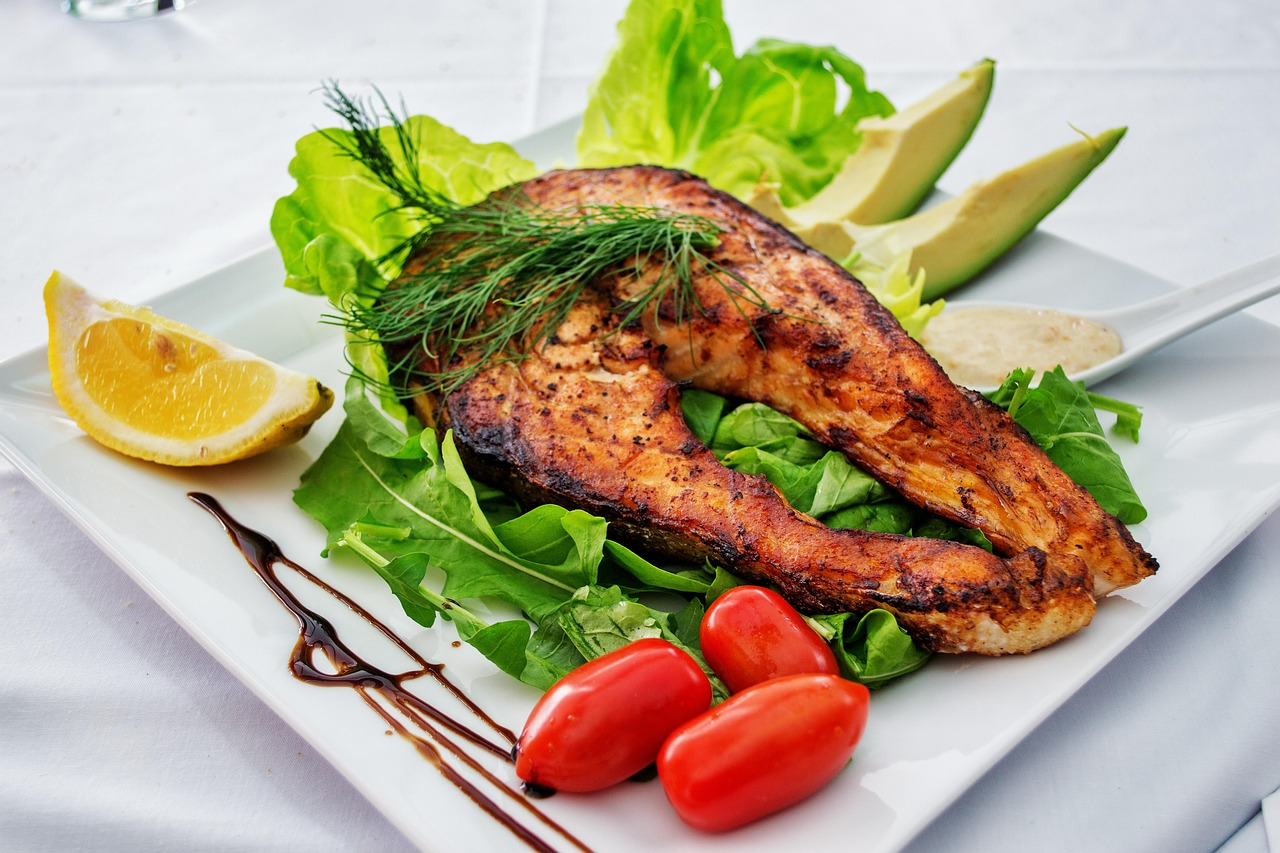
    We also get individually frozen fillets of salmon regularly. It’s probably one of the world’s healthiest foods due to its high amount of heart-healthy and brain-healthy omega-3 fatty acids. Yes, I serve my son fish the night before important tests at school, just like my dad used to make me salmon the night before a track meet or cross country race!

    Salmon is another option you can have plain. We also like it with teriyaki sauce or salsa. One of my regular dishes is salmon fajitas with onions, bell peppers, and tomatoes. 

    Frozen Chicken Tenderloins – Simple and Versatile

    Frozen skinless chicken tenderloins or skinless chicken breast is portion-controlled. Just thaw and cook it so it’s ready to serve or use. I don’t eat chicken often, but it’s one of my son’s favorite foods. It has 25 grams of protein per serving, and has B vitamins and some heme iron. That’s the kind of iron that your body can absorb more easily than the non-heme form of iron. Non-heme and heme iron are both in animal-based foods, but plant-based foods only have non-heme iron.

    Chicken pizza with tomato sauce and low-fat cheese on whole-grain pita or English muffins, chicken burritos on whole-grain tortillas with beans and cooked zucchini sticks, and chicken with mushrooms and onions are easy and nutritious. 

    Canned Beans – High-Fiber Plant-Based Protein

    Canned beans are another staple. They’re a plant-based source of protein, so they’re cholesterol-free, nearly free from saturated fat, and a source of dietary fiber and potassium. Garbanzo beans, black beans, and fat-free or vegetarian refried beans are our usual choices, but pinto beans, navy beans, and cannellini beans are good, too.

    Burritos on whole-wheat tortillas and tacos in whole-grain shells are easy bean options for my son. For me, I like beans as a side to my salad. You might be able to get pickier kids to eat beans in chili, though some kids like them as a finger food. Try roasting them with salt for a crunchy treat. 

    Meat Substitutes – Flavorful Plant-Based Based Burgers and Hot Dogs

    Plant-based meat substitutes can be highly processed, and their nutrient profiles vary widely. Some brands are high in saturated fat from palm or coconut oil, and we don’t choose those types. Instead, I look for soy or bean-based options. Bean burgers and soy-based meatless hot dogs are perennial favorites, but adults who are watching sodium may need to be careful about quantities. 

    To enjoy in minutes, just serve your black bean burger patties or meatless hot dogs with a whole-grain hamburger or hot dog bun, which are usually available in store brands. You can also cut them up and add them to salads, eggs, or soup. 

    These proteins help us out on busy nights, which is most nights. They’re all tasty, nutritious, and ready in seconds or minutes. Plus, they’re affordable, especially in comparison to red meat.

    If you’re looking for healthy protein options that you and your family can all enjoy on busy nights,  or anything else about healthy living in real life is on your mind, let’s talk!

  • Healthy Cereal Nutrition Calculator for Kids (Build Your Own Bowl)

    Healthy Cereal Nutrition Calculator for Kids (Build Your Own Bowl)

    In our previous blog post, we described my dad’s original homemade cereal recipe. It’s kid-friendly and nutritious. It’s also parent-friendly because it doesn’t require cooking, clean-up is minimal, and you can vary it according to your tastes and needs. 

    Here’s a calculator you can use to figure out the basic nutrients in your cereal. Just use the drop-down menus to select the amount of each ingredient that you use. If you don’t use a particular ingredient, just skip it. Then click, “submit,” to see calories and important nutrients (why these nutrients?).

    Build-Your-Own Cereal Nutrition Calculator

    Nutrition Totals (Per Serving)

    *Estimates based on USDA averages. Values will vary by brand and preparation.

    **For example, dried cherries, dried cranberries, dried pineapple chunks, sliced prunes

    ***For example, chopped peanuts, sliced almonds, chopped walnuts, cashew halves, sunflower or pumpkin seeds

    Why these nutrients? 

    Calories – Indicates how much energy, and needed for weight control

    Fat – Source of energy and helps you stay full

    Saturated fat – less healthy type of fat – limit this!

    Sodium – linked to higher blood pressure in some people – some adults may need to watch sodium

    Total carbohydrates – lets you monitor if you’re cutting back on carbs (adults especially!)

    Dietary fiber – a healthy option for digestion, blood sugar control, and cholesterol control

    Added sugars – a source of calories without nutrients – less is usually better

    Protein – helps you fill up and supports growth and muscles

    Calcium – essential mineral for strong bones – but many kids and grown-ups don’t get enough

    Want to know more about nutrition and feeding hungry kids while staying healthy yourself? Talk to me anytime! 

  • The Nutritious “Cereal” My Dad Made—And Why Your Kids Will Keep Asking for It

    The Nutritious “Cereal” My Dad Made—And Why Your Kids Will Keep Asking for It

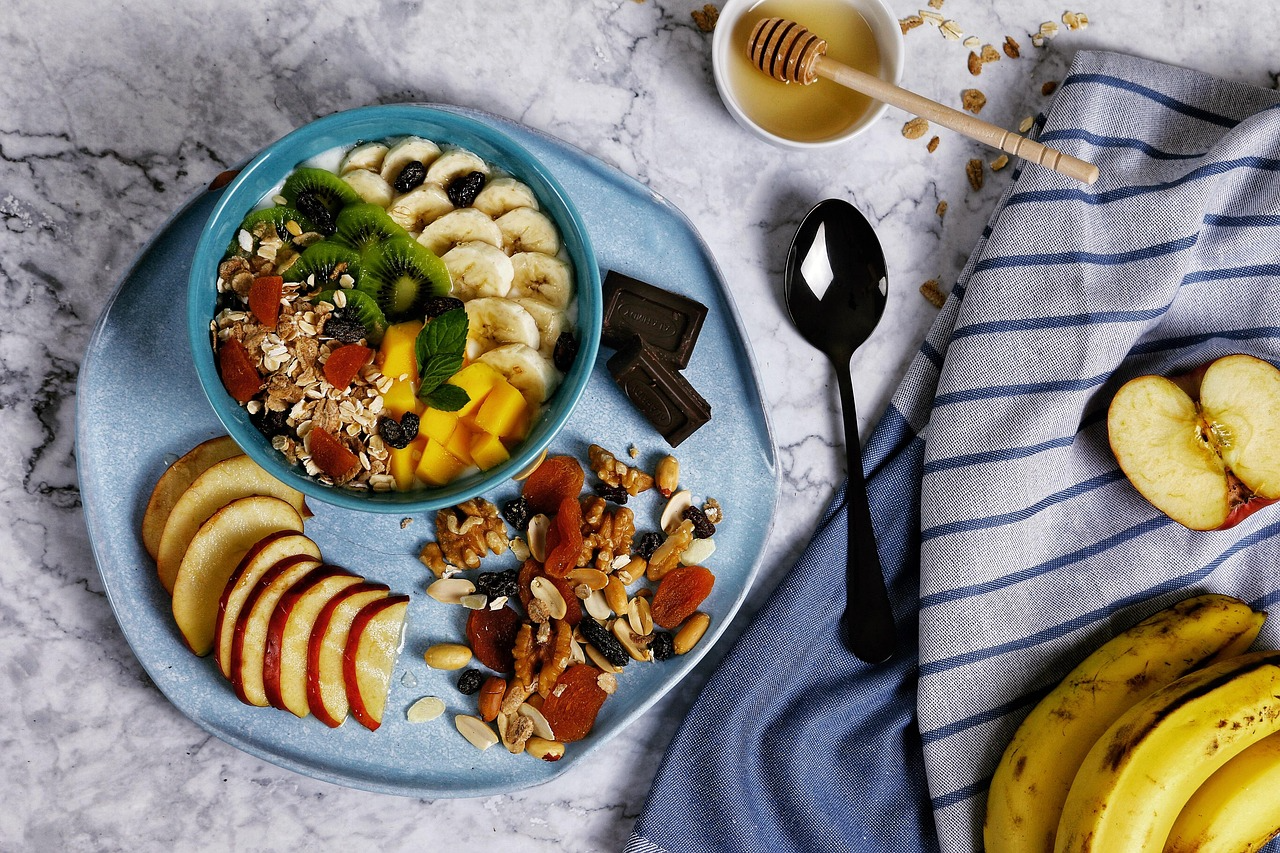
    Most Americans grow up thinking that cereal comes from a box, but that’s not what “cereal” meant in our household when my sister and I were growing up. Whenever my dad offered to make us “cereal,” we got excited, whether it was for breakfast, lunch, or dinner. 

    My dad worked from home, while my mom worked at a traditional job. That meant my dad was the primary caregiver and responsible for feeding the two of us. He didn’t cook anything fancy – dinner was usually bread, chicken or fish from the toaster oven, and canned peas or corn – but he did develop a few signature recipes. 

    One of them was “cereal,” and it’s perfect in nearly every way. It takes only minutes to prepare. It doesn’t require cooking or much clean-up. It’s inexpensive. It’s sure to please kids. It’s also a great way to get kids involved in the kitchen – they can get excited about handing you the ingredients and putting them away when you’re done with them. 

    Dad’s cereal is versatile. You can vary it according to what you have on hand, and you can alter it to fit into any nutritional goals or dietary requirements that you may have. Since you assemble each person’s bowl separately, you can make it according to each person’s preferences to please each child and adult at home. 

    Here are some tried-and-true variations.

    • Any fresh or frozen fruit works instead of the banana, or in addition to it. Mango chunks, strawberry slices, blueberries, and pineapple chunks are all great. If you’re using frozen fruit, check for unsweetened versions to avoid added sugars. 
    • Any type of nuts works well. You can also use chopped peanuts. If you have nothing on hand but peanut butter, add in a tablespoon or so. 
    • For kids especially, add a treat or two, like a drizzle of honey. A little bit goes a long way. A few mini chocolate chips, a maraschino cherry, or 1-2 teaspoons of rainbow sprinkles can make the cereal seem extra special, too. 
    • Swap any dried fruit for raisins. Sliced dates are an especially sweet addition – just 1-2 dates can add a lot of sweetness. 
    • If you’re trying to reduce carbs, try having just ½ a banana and a smaller portion of oats. Your bowl will still be satisfying! 

    And finally – no milk on hand? No problem! Once or twice, when we’d made the cereal and were ready to pour in the milk, we realized we were out of milk at home. The solution was juice. Really – it worked fine!

    A Healthy, Balanced Breakfast (Or Late-Night Snack!)

    Finally, it’s healthy. The original recipe has 0 grams of added sugars. It’s high in fiber and protein, and low in saturated fat. It has whole grains, fruit, reduced-fat dairy, and nuts. It’s a balanced meal in a bowl that everyone can love. 

    Here are the calories and nutrient highlights.

    • 460 calories
    • 10 grams of fat
    • 16 grams of protein
    • 82 grams of carbohydrates
    • 2 grams of saturated fat
    • 13 grams of fiber

    But I wasn’t thinking about healthy fats, protein, fiber, and calcium at that time. I was thinking about how good the cereal was – and how much it was tied to my dad. Like any normal kid, I sometimes wandered out of my room after bedtime to tell my dad that I couldn’t sleep. Sometimes, he’d be at the dining room table, talking with my mom after her work day, and eating a bowl of his cereal. 

    From “Dad’s” Cereal to “Grandpa’s” Cereal

    I grew up (in age, if not in maturity) and moved out, and haven’t had Dad’s cereal in decades. But as “Dad” became “Grandpa,” and my son is now old enough to enjoy it, my dad has started making it again – for my son. The basic recipe is the same, and my son now understands what his mother means when she says, “Grandpa’s cereal.” He loves it, too. 

    How to Make My Dad’s Cereal

    Get ready to be underwhelmed: making cereal couldn’t be much easier. Here are the ingredients in the basic recipe. He never measured them, but I will give you approximate quantities. If you use these ingredients in these amounts, your bowl of cereal will have the calories and nutrients listed above. 

    ½ cup of rolled oats: Oats are a whole grain, and they’re delicious plain or with other foods. If you love oats but don’t like cleaning the pot after making oatmeal, this may be your new go-to.

    2 tablespoons of wheat bran: Wheat bran is very high in fiber. Make sure you soak it in milk (or juice) before serving it so nobody risks choking on it, since it can be dry. 

    2 tablespoons of raisins: They add sweetness and chewiness, as well as fiber, iron, and potassium. If you don’t have raisins, use another type of dried fruit or some extra fresh fruit. 

    2 tablespoons of sliced almonds: A source of heart-healthy fats, plant-based protein, and fiber, almonds add crunch and a light earthiness. Any kind of nuts is fine. 

    1 small sliced banana: Bananas just go well in cereal! Riper bananas are sweeter, while less-ripe bananas are higher in resistant starch, which acts like fiber. 

    ¾ cup of skim milk: Just pour it over the top to soak the ingredients. For fewer calories (but less protein), almond milk is a good substitute. 

    To make your cereal, just add the oats to the bowl, followed by the bran and other ingredients. Pour the milk over it, and serve!

    Dad’s Cereal Is a Real-World Nutritional Strategy!

    Real life means keeping things simple and going with the flow. That’s just what you can do with Dad’s cereal. Use inexpensive ingredients that you already have on hand, and vary them as needed to suit every taste and meet every need in your household. 

    There’s nothing wrong with boxed cereals if you choose wisely, but this can be another option that helps prevent boredom and feels like a treat even though it’s nutritious. 

    For more tips and to chat about how you might add real-life, nutritious meals to your busy and hectic life, let’s talk! 

  • Healthy DIY Meal Helpers: Fast Dinners for Busy Parents and Hungry Kids

    Healthy DIY Meal Helpers: Fast Dinners for Busy Parents and Hungry Kids

    What’s for dinner? If you’re like most parents, you may not always have a lot of time to come up with an answer before it’s time to get the food on the table. Pantry meal helpers like boxed macaroni and cheese, Hamburger Helper, Rice-a-Roni, taco kits, and ramen are easy, quick, and usually popular with kids, but what about nutrition? 

    With a few pantry and freezer staples, you can put together your own “meal helpers” that are just as fast, just as family-friendly, and way more nourishing than highly processed boxed and bagged meals. Here are a few ideas for DIY meal kits you can put on the table fast and feel good about serving to your family. 

    Remember to check out our easy dinners here!

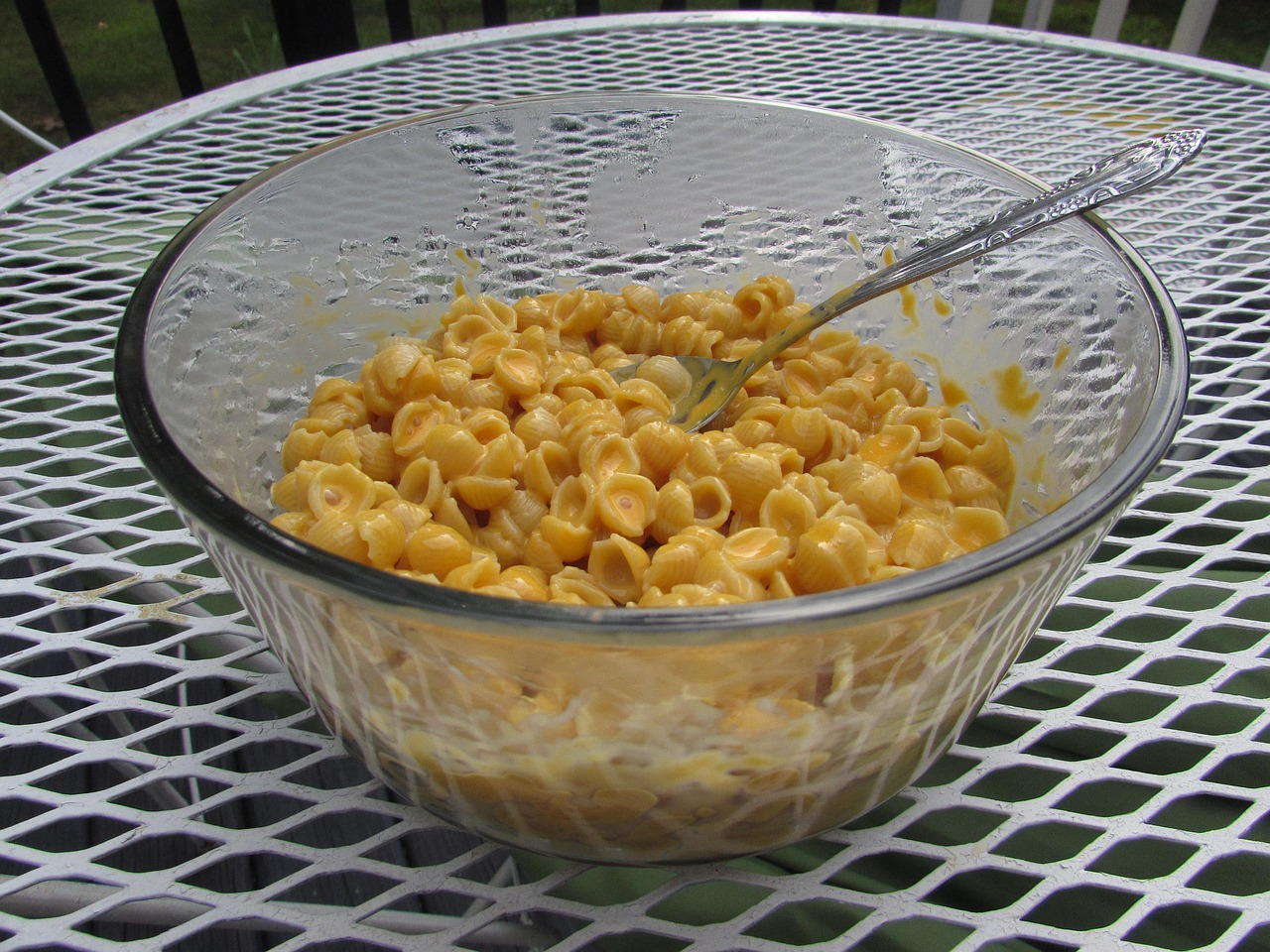
    Mac and Cheese Helper

    This is just as fast as, and tastier than, a boxed mac and cheese dinner. 

    Mac and cheese can have protein, fiber, and calcium – and be quick and delicious!

    Keep on hand:

    • Whole-grain elbow or other shape pasta
    • Velveeta, store-brand canned cheese, or shredded low-fat cheddar cheese
    • Frozen cubed winter squash or canned butternut squash or pumpkin puree (not pumpkin pie mix)
    • Milk or unsweetened dairy-free milk substitute like almond milk

    How to make it

    Cook the pasta according to the package directions, and drain. Heat the milk in a pot on the stove and melt the cheese into it while stirring (or use the microwave and stir often). Stir in the pureed squash, then mix the pasta with the sauce to serve.

    Nutritional supercharge: 

    Stir fresh spinach leaves or frozen, thawed chopped spinach into the sauce before mixing the sauce with the pasta. It adds fiber, magnesium, and vitamin A.

    Did you know? 

    Many processed cheeses, including Velveeta, are made with real dairy, and they have nutrients like protein and calcium. Be sure to check the label, since some processed cheese products have very little protein or calcium, and are mostly made with oil and starch. 

    Brown Rice Helper

    Try this instead of boxed rice products. You can customize it for more texture and flavor.

    Turn fried rice into a nutritionally balanced meal. Use cauliflower rice for more vegetables and fewer carbohydrates.

    Keep on hand:

    • Brown rice (parboiled, minute, or dry)
    • Low-sodium chicken, beef, or vegetable broth or bouillon
    • Frozen mixed vegetables, or any other fresh or frozen vegetables
    • Garlic and onion powder

    How to make it

    Cook or heat the rice according to the package instructions. If adding liquid, use broth instead of water. Stir in cooked vegetables when the rice is nearly cooked, season with garlic and onion powder. 

    Nutritional supercharge:

    Add leftover cooked chicken or ground beef, or canned drained beans, for a protein boost and a complete meal. Parents may want a side salad to balance the grains in the main course. 

    Did you know?

    Cooking rice in low-sodium broth instead of water lets the flavor seep in, and reduces the need for salt. 

    Hamburger Helper

    Make your own version of this classic meal helper with more fiber, protein, and fun.

    Keep on hand:

    • Whole-wheat penne, rotini, or other shape noodles
    • Lean ground turkey, canned tuna, or skinless chicken
    • Canned diced tomatoes, plain, Italian seasoned, or fire-roasted
    • Canned or tube tomato paste
    • Italian seasoning or dried oregano, thyme, and basil
    • Shredded low-fat mozzarella or cheddar cheese

    How to make it

    Cook the pasta according to the package directions, and drain. Brown the ground turkey in 1-2 teaspoons of olive oil, or heat canned tuna or leftover cooked chicken, in pieces, in a skillet. Add tomatoes, tomato paste, and seasoning, then stir in cooked pasta. Top with cheese and let it melt.

    Nutritional supercharge:

    Chop zucchini or mushrooms and cook them with the ground turkey. They blend in easily, and add fiber and texture.

    Did you know?

    Adding vegetables into dishes made with protein and pasta can increase the fiber content and reduce the calorie density. You get to eat a bigger portion for fewer calories!

    Taco Night Kit

    You can make your own taco kit, and it’ll be just as quick and more customizable than a kit that you buy.

    Keep your own taco shells, protein, and salsa on hand for taco night – no boxed kit needed!

    Keep on hand:

    • Whole-grain taco shells or whole-wheat flour tortillas
    • Canned black beans, pinto beans, or refried beans
    • Taco seasoning packets, low-sodium if preferred, or cumin and chili powder
    • Jarred or canned salsa
    • Low-fat shredded Mexican blend or cheddar cheese

    How to make it

    Gently heat the beans with taco seasoning or spices, and mash them slightly. Fill tortillas and top with cheese and salsa.

    Nutritional supercharge:

    Add cooked fish like tilapia or salmon to your tacos, or serve them with shredded lettuce and diced tomatoes.

    Did you know?

    Beans add protein and fiber, which helps everyone get closer to their fiber goals. The average American gets less than half of recommended amounts of fiber, but fiber helps kids stay full longer and support steadier energy.

    Ramen Your Way

    Instant ramen is a favorite with kids, but it’s calorie-dense and low in nutrients. Make your own less processed version!

    Ramen can be whatever you make it – including high in fiber and protein.

    Keep on hand:

    • Whole-grain ramen, soba noodles, or whole-wheat angel-hair or regular spaghetti
    • Low-sodium broth
    • Frozen stir-fry vegetables, or any favorite fresh or frozen vegetables
    • Low-sodium soy sauce
    • Eggs or cooked skinless chicken

    How to make it:

    Bring broth to a simmer. Add noodles and fresh vegetables, and simmer until soft. If using frozen vegetables, add when the noodles are nearly cooked. Add the chicken, or crack an egg into the broth while it cooks. Serve when the egg is cooked.

    Nutritional supercharge

    Parents looking for fewer carbs can swap in shirataki (konjac) noodles, or use half noodles and double the vegetables.

    Did you know? 

    Most instant ramen flavor packets are high in sodium, often with than half a day’s recommended limit. Using broth and your own seasonings lets you control the salt while keeping the flavor.

    A well-stocked pantry and freezer can turn into your own collection of DIY meal helpers ready whenever your family needs a quick dinner.

    If you’re trying to make healthy eating work in real life – and your real life includes things like rushing, child care, or last-minute scrambling – you can learn more about my coaching or schedule a session on my website. I’d love to help you build simple habits that make everyday life healthier and easier.