Category: gratitude

  • A Birthday Celebration with an Old Friend Makes Me Grateful

    A Birthday Celebration with an Old Friend Makes Me Grateful

    We’ve been talking about routine days of mid-winter, and how to add healthy habits in diet and exercise, as well as family life, to those days. Here are some reflections about a weekend excursion that may not have included many nutrients or much exercise, but did focus on a wonderfully healthy social connection with a centenarian.

    A visit was long overdue, and a birthday celebration was the perfect reason to take her out. I can’t tell you which birthday she was celebrating; it might give her identity away. Yes, she’s that old, and she’s someone my son and I both value in our lives. She’s incredibly special, wise, funny, and giving. On a cloudy, mid-winter day, we went out for ice cream. Though the goal was to give her a treat, I am sure that got more out of the outing than I gave her.

    I Met Her and the “Gym Ladies” When She Was 87

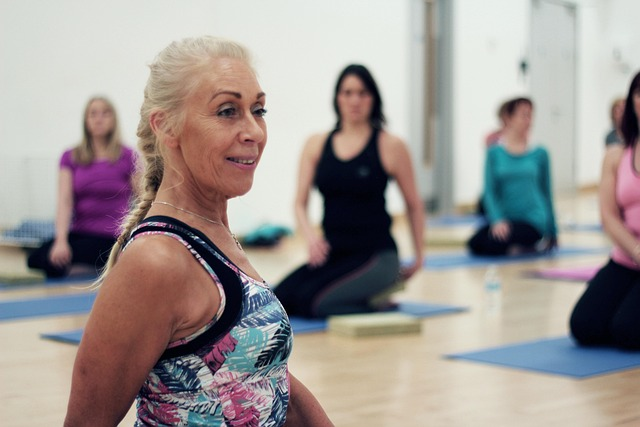
    No joke. She was one of the “Gym Ladies.” When I met her, she had been working out with the other gym ladies for nearly 25 years. They are a fabulous bunch of women – interesting, kind, supportive, and wise. They would get on cardio machines next to each other and gab for 30, 60, or more minutes while working out. 

    They welcomed me with open arms. For years, we’d work out and talk together. We became good friends. They were the ones who threw me a baby shower when I was pregnant with my son. I stayed at the gym until it closed for COVID-19, and some of those women remain my closest friends.

    A Special Friendship with a Now-Centenarian

    This particular friend and I really hit it off. We have a lot in common, from political views to upbringing to sense of humor. We laughed our ways through years of workouts, but there was more. She’s insightful and understanding, too. Every time I came to her with a problem, she was able to see the bigger picture and offer some words of advice based on experience.

    I was always impressed by her life skills. She knew how to talk the cable company out of overcharging her, and how to get suspicious charges eliminated from her phone and wifi bills. She knew how to talk to people on the street or on the phone to avoid scams and get what she wanted. She was absolutely not a candidate for being a victim of scams against the elderly! 

    She’s a baby lover. She used to light up whenever she saw a baby or small child. If a parent had to bring a baby into the gym, she’d instantly get off her exercise machine to go to the baby. She couldn’t help it! 

    In fact, she popped into the hospital on the day my son was born. He was 6 hours old, I had gone through 31 hours of labor and a C-section, and she had the idea of dropping in on me that day! She brought another of the gym ladies, and those two have the honor, of course, of being my son’s oldest friends. 

    Centenarians are increasingly common in the U.S. The Census Bureau says that the number of centenarians, or people over 100 years old, increased from 53,364 in 2010 to 80,139 in 2020. That’s a 50% jump, and equivalent to about 2 in 10,000 people. My friend is among the 50% of female centenarians who live on their own. 

    Bringing Out the Best Side of My Son

    My son loves her as much as she loves him. She’s always made her home open to him and let him play with what he likes. He can feel her love, and he respects her. 

    On the Saturday two days before my friend’s birthday, my son and I came to pick her up at her house. He even washed his hands properly beforehand, knowing that he needs to be careful of her health. 

    She can walk just fine. Usually she uses a walker, but she asked my son to help her get to the car instead of using a walker. He rose to the occasion, being the perfect gentleman. Then he closed the door for her, folded the walker, and put it in the trunk. 

    A Casual Celebration to Be Thankful for

    We drove to the store where the ice cream shop was. Since she hadn’t been out for a while, I’d suggested we go to a supermarket where they sold ice cream scoops and had outdoor seating. We wandered around the store and then ordered ice cream – cookies and cream for all. Then we sat outside with the ice cream and chatted.

    Sometimes, health isn’t about the sugar and fat content. It’s about experiences and connections.

    The Secret to Longevity

    What’s the secret to longevity? Every centenarian has their own ideas. Drink wine. Don’t drink wine. Be active. Don’t be active. Eat a raw egg yolk every day. Take your vitamins. Stay away from supplements. Avoid red meat. Eat meat and potatoes. 

    The only things that are certain is that the proper genetics must be there, and no devastating accidents can occur.  

    In other words, there is not one formula for longevity, and especially for healthy aging. Here’s what I observe in my friend, though I can’t prove cause and effect. They may just be coincidences. 

    • Activity – She was a tomboy as a child, a mother of three, and a gym-goer until age 94.
    • Stubbornness – Don’t bother trying to persuade her otherwise if she has an idea about something.
    • Determination – If she was going to do it, she was going to do it. She told me that when she was a little girl, she didn’t tell her mother that she’d broken her ankle because she was afraid she’d get in trouble. She just walked herself to school like she did every morning. 
    • Resilience – She doesn’t let things drag her down. She looks forward. Maybe that came from her , but I suspect a lot of it is within her personality. 
    • Connection – She’s the one who taught me about Family Dinner on Wednesdays (I adopted that idea and my son and my parents and I have Family Lunch on Sundays). Plus, she maintains her friendships with the other Gym Ladies.

    If my son and I can learn anything from her, it may be to stay active, stay interested, and stay connected. The rest, we do the best we can. And, as she says, “Take it one day at a time.”

    Thank you, and Happy Birthday!

  • Gratitude for the People Who Help: The Village Behind Single Parenting

    Most parents will tell you that raising children is tough. I’m no different, though I was determined not to be one of the complainers. I was also determined not to play the “single parent” card. I still try not to play it too much, but the truth is that parenting is hard, and single parenting is harder. 

    Regardless, what is also true of parenting, and likely more so of single parenting, is that there are always people stepping in to help. There are so many ways to help, and people do. Neighbors, other parents, friends, and perfect strangers have always emerged to help. I am grateful.

    Is It Okay to Accept Help?

    My parents never accepted help when they were raising me and my sister. They didn’t think it was fair to ask anyone to watch us, except for an occasional paid babysitter. Maybe it was because they were from a different generation, or maybe it is because they were more competent parents than I am.

    I have no problem asking for, and accepting, help. In return, I give help when I can. It seems natural for everyone to do what they can; it makes everyone’s lives easier.  

    Other Parents Stepping In

    I’ll pick up another parent’s child and take them to the park when it works out, or I’m happy to wait at school for a few minutes if the parent is running late or needs to run inside to talk to the child’s teacher alone. In return, I’m happy to ask for help when it seems easy for another parent to give, and when I need it. We’re all in this together. 

    The Kindness of Strangers

    Since my son was young, I’ve noticed that it would be helpful for me to have four hands, three times as much patience, and twice as much strength as I do. One time when he was about three years old, we were walking into the library. He decided he didn’t want to go anymore, and let me know that by throwing a loud tantrum. 

    While he was screaming, I took him outside and tried to calm him down. As usual, I failed miserably. After a few minutes, a librarian came out with a smile and a bookmark. She tried to distract him by showing it to him and reading it to him. She didn’t have to, but that’s the kind of kind act that I’ve received from people since my son was born. 

    Libraries serve everyone, including parents.

    People are almost always ready to help. Homeowners may smile instead of yell when my son walks on their property. Other passengers boarding a bus may hold my bags while I load my son’s bike onto the front rack. A grocery store checkout clerk smiled and calmly offered to put my groceries back on the store shelves when we had to leave before checking out due to a tantrum. A boy’s father at the park pitched my son a few baseballs for his first batting experience. These all help. 

    Neighborly Advice and a Hug

    Evenings can feel lonely. They’re the time when I’m tired and my son’s tired. We’re both at our worst of the day. He can get upset over homework, brushing teeth, and my general existence. I can get upset over homework, brushing teeth, and not having finished my work. I can’t call my parents because they’re in bed already (they’re usually in a different time zone).

    Every so often, it gets physically scary in our condo unit. He may throw a tantrum or throw things. If it seems safe, I step outside. Every so often, I bump into one of our neighbors, a single parent whose son is in college now. She understands completely, and always takes the time to give me a hug, some encouragement, and some friendly words. Since she’s been in my shoes, she must know how much it means to me. 

    Help from Old Gym Friends

    I have several friends that are on my call list. I talked about my gym friends in a recent post. Some are parents; others aren’t. They’re all willing to pick up the phone and give advice or just listen. As I mentioned before, they’re among the most kind, accepting people I know. Though I haven’t asked for several years, I know that many of them would be willing to watch my son for me or go out with us if needed. 

    Any Help Line I Can Find

    When I’m desperate and just need to talk to a friendly person, I can call a free helpline. 988, the mental health crisis line, is available 24/7 Since I’m usually crying when I call, they’re at least helpful in getting me to calm down a bit. I appreciate that they answer the phone every time, and that I’ve never had to wait more than a couple minutes on hold.

    It can help just to talk to someone

    The drawback is that they themselves don’t offer much practical advice. They seem to be more of a service to direct you to other services. In my case, most of the referrals have been irrelevant (e.g., for abused children) or impractical (e.g., a private practice located 50 miles away from our home). Still, a kind, caring voice is welcome when I’m upset and feeling alone. 

    Big Brother Big Sister Program

    One volunteer who has given my son, and therefore me, hours and hours of kindness is his Big Brother. It’s a mentorship program in which the Big takes the Little (my son) on an outing once or twice a month. They can go to parks, out to eat, to museums, to local attractions, or anything else. My son and I have lucked out with his Big – he has a kind heart, he’s interested in everything, and he makes the outings so exciting for my son. 

    /

    A kind mentor can be a role model and trusted advisor

    For me, it’s something to look forward to. Those few hours of alone time on a weekend are precious and valuable. I can relax, let my guard down, take a walk, get work done, or do whatever else I want with that time. The anticipation of that time is wonderful, too. 

    As you can see, lots of people help without asking for anything in return. There’s no guilt-tripping. It’s just pure kindness. I am grateful. 

    Who helps you out? How do you give back?

  • Reflections on a Week of Court Time at the Park: Enjoying Tennis whether Alone or with Others

    Reflections on a Week of Court Time at the Park: Enjoying Tennis whether Alone or with Others

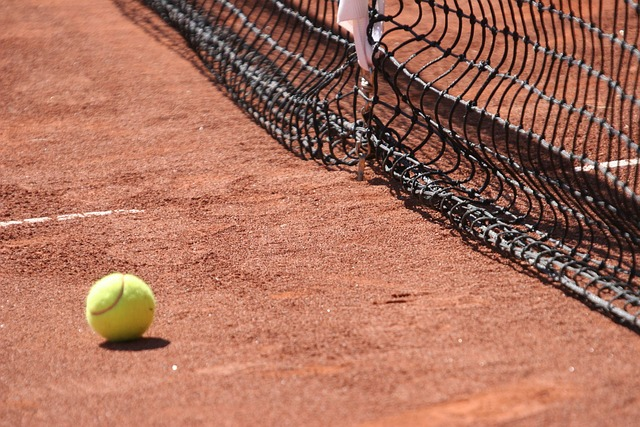
    When I have time after my morning run, I try to walk to the nearby park with my basketball, tennis racket, and balls. Most mornings, I play alone, shooting hoops or hitting a tennis ball against a backboard. Twice this week, however, I played tennis on the actual court. One day, I was volleying with someone way better than me. The other day, I was the more experienced player. My week’s experiences reinforced that whether alone or against someone better or worse than me, I can enjoy myself, relax, and feel good while playing tennis. 

    Here are some benefits of being on my own, hitting against someone better than me, and hitting against a beginner. 

    Nature Is Healthy

    Research consistently suggests that being in nature is good for mental and physical health. It helps clear the mind and improve mood. Getting some daytime sunshine supports your circadian rhythm for better alertness during the day, and better sleep at night. Being outdoors to exercise also tends to encourage longer bouts of activity, leading to benefits for weight control, blood sugar management, and other improvements in chronic condition risk.

    “Nature” can be a beach, forest, field, or desolate mountain, but it doesn’t have to be. A few trees or bushes in an urban area can provide benefits, especially if the sky is visible. The important things are to get fresh air in an open or green area. 

    Playing Alone Is Therapeutic

    Most days, I play alone. I shoot a basketball on an empty court, or I hit a tennis ball against a backboard. Repetitive? Yes. Boring? No.

    Sunshine and trees give a beautiful backdrop to gather my thoughts.

    Here’s what I like about playing by myself.

    • I can practice specific skills. I can work on forehands, backhands, serves, or anything else against a backboard. I can catch the ball each time and set up my next drill. You can’t do that type of repetitive and controlled practice when you’re on a court and volleying with someone.
    • I can play left-handed. I like to play half left-handed, half right-handed. That gives both sides an equal workout, and hopefully it improves my coordination on both sides instead of just my dominant [right] side. It feels disrespectful to play left-handed when I’m playing against someone because it’s not giving them my best. 
    • I can listen. With my bluetooth ear buds, I can listen to anything on my phone. Recently, I’ve been listening to videos on YouTube for learning Turkish. I’m a kinetic learner, and I concentrate best when I’m moving. A mindless activity like hitting a ball against a wall is perfect for me to listen carefully.
    • I can socialize. I use my ear buds to talk on the phone. Playing tennis or basketball at the park often doubles up as my social hour.

    Playing alone is great, but playing with a partner has different benefits. 

    Benefits of Playing Tennis with a Hitting Partner

    Playing tennis with a partner is a different experience than playing alone. It’s less predictable – I can stand around more, and I might end up running more to chase balls. I can’t specifically practice certain skills. But there are many benefits. 

    • I learn to react faster. Against a wall, I’m in control. I know where the ball’s going and how fast, and how I’m going to hit it. Against a person, nothing is predictable. It can come to my forehand or backhand, fast or slow, with top spin or back spin. Learning to respond is something you can’t learn while playing against a backboard. You improve quickly when playing against someone.
    • It’s heart-warming. Silly as this is, it is nice to be doing an activity with someone, even if you can’t hold much of a conversation from opposite sides of a net. I feel like I belong, and share the love of playing a fun game with other people. 
    • It’s motivating. As comforting as it is to see the same players out there day after day, it’s even nicer to be one of them. They’re welcoming and warm, accepting of my poor play, and happy to offer encouragement and advice.

    Whether better than more or worse, playing with a partner has benefits. 

    You have to learn to react quickly when you’re playing against someone.

    Learning from Superiors

    I’m grateful to play with people better than me, as happened earlier this week. He and I played for nearly an hour. Here is some of what I gained.

    • Humility. Every so often, my hitting partner didn’t go easy on me, and smashed a ball past me. It reminded me to be grateful he was even playing with me!
    • Technique. I gathered a few pointers from my hitting partner, including why I wasn’t hitting my forehand very well, and how to hold the racket more properly. 
    • Patience. It’s tough to be the bad one. It’s tempting to get upset and frustrated, but that’s not helpful. It doesn’t help my own game, and it doesn’t make it more pleasant for my opponent. So, I try to smile when I mess up, and to show that I’m trying my best, even if I’m not able to return the ball all the time.
    Some people play with real tennis clothes and strong serves. I’m not one of them.

    I can learn from beginners, too!

    Playing with a Beginner

    I also had the privilege of playing with a beginner. It wasn’t painful; it was actually motivating, and it helped my own game. Here’s why.

    • I practiced control. When you’re playing with someone who can’t hit very well, it’s best to hit the ball to them and at a certain speed. That takes control, which is a skill in itself. Learning to aim and control force is applicable when you’re trying to win games, too. 
    • I learned technique. While my hitting partner had less lifetime practice than I do, she’s taking lessons, and is learning techniques. I noticed that she had a good ability to hit forehands that she had to reach for; that’s tough for me, so I asked for an explanation. 

    Balancing Solo and Partner Play for Consistency and Growth

    They say that “mixing it up” is good for your exercise routine. While “they” may be recommending more variety than the difference between playing tennis alone versus against someone, “they’re” right. Allowing my sessions at the park to be slightly different, unpredictable, and always positive makes me eager to come back each day. I let myself be obsessive about running, counting each mile and minute, but loosening up for sports at the park is a fun contrast. 

    How do you stay active and keep it fun?

  • How to Stay Consistent with Fitness: Make Friends with 80-Year-Olds at the Gym

    How to Stay Consistent with Fitness: Make Friends with 80-Year-Olds at the Gym

    I’m not a very social person. Maybe I take after my dad. I’m happy to be by myself, and I usually find it tiring to be around people. It’s been like that for me since middle school. At the same time, though, I’ve always had a group of friends around me due to exercise. In middle school, high school, and college, my friends were my teammates. In graduate school, my friends were running partners. And for a decade after that, my friends were my gym friends. 

    Here’s the story of how I met my gym friends and why they are such a special group for which I will always be grateful.

    A Lucky Meeting

    I had never been regular at a gym, though I’ve always been active. I joined a gym in 2012 to take advantage of the classes they offered, but didn’t plan to do much more than attend one or two dance or aerobics classes a week. It was a women’s gym, though that’s not why I joined. It was affordable and within biking distance, and had a good class schedule for me.

    When I had mild plantar fasciitis one day, I had to cut my run short. I headed to the gym to use the elliptical machine, and that’s when I met “them.” “They” were a group of ladies, aged about 55 to 87, who had been working out together for over 20 years. There was one “young” lady who was only 35, and who had been with them for about 5 years. 

    A Warm Welcome from the Gym Ladies

    They were the gym ladies. , and they welcomed me warmly. They let me into their “group” and introduced me to everyone. They explained the birthday protocol – each lady was responsible for bringing cupcakes to the gym on another lady’s birthday – and told me the lady for whom I was responsible, and the date of her birthday. 

    These ladies had met each other at the gym. Most of them would not have met each other anywhere else. They were a diverse group, including working and retired teachers, a bank teller, a real estate agent (who ended up selling me my home), a saleswoman, a beautician, an entertainer, a president and founder of a non-profit, and some stay-at-home moms (one of whom now works with me). There were parents of children ranging from 5 years old to 65 years old.  They inspired each other to keep showing up at the gym each morning.

    A row of dreadmills becomes less dreadful when you have friends on either side!

    I hadn’t intended to continue using the gym on a daily basis once my plantar fasciitis cleared up. I’d planned to go back to once or twice-weekly dance fitness classes. But the joy of having a whole new group of friends

    An Always Honest and Open Group!

    Though they were among the most consistent and probably fit people of their age, they never pretended that it was easy to come to the gym. The standard response to, “Good morning! How are you?” was, “I’m here.” That might expand into, “I’m doing my best,” “It’s tougher than usual today,” or, “One day at a time.” 

    But instead of that feeling negative, it felt real. We knew we were working hard to be at the gym. From scheduling the time to actually coming, it’s a real effort to work out each day. And that’s where friendship comes in. 

    A Decade Working Out with My “Gym Friends”

    We were each other’s “gym friends.” We welcomed each other, texted or phone when someone was an unexpected no-show at the gym that morning, and were completely open with each other. 

    We’d take machines next to each other whenever possible. We’d have a whole row of ellipticals, or be in smaller groups on the bikes or treadmills. It didn’t matter that a 30-something-year-old (me) was next to an 80-something-year-old. We could chat and work out together. 

    We talked about everything and nothing. What else do you talk about when you’re “stuck” on a gym machine for 30, 60, or 90 minutes? You have time to talk deeply about anything! Since it was a women’s-only gym, we felt comfortable talking loudly, often loudly enough to annoy most of the other women who were present. (In our defense, anyone was welcome to join the conversation…)

    We worked out, laughed, and helped each other at the gym and in life.

    There was no pressure put on our friendships. We accepted each other and looked forward to seeing each other at the gym. We might see one or two of each other outside of the gym occasionally, but there was no requirement. We knew we’d get to see each other at the gym the next morning to start the day off right. You could get a hug if you were down, or a hug if you needed to celebrate. We were there for each other. 

    Continued Friendships After a Decade with the Gym Ladies

    I was able to take advantage of our daily chit-chats and workouts for nearly a decade, until 2020. I learned so much from these women. They shared their wisdom with me, and I learned about acceptance, advice, support, and so many other qualities that these kind people learned through life lessons and were generous enough to share with me. I learned that very different people can benefit from being around each other and listening to each other.

    The gym closed when COVID-19 hit, and then permanently closed due to bankruptcy. By the end of COVID-19, my habits had again changed, and I’d returned to running and biking on my own, perfectly content fitness-wise. 

    But many gym friendships continued. I stay in touch with many of the ladies on a daily, weekly, or monthly basis by phone. I speak with others more sporadically. Every so often, I meet one or another of them somewhere around town, like a market, park, or home. 

    We’re all grateful for those years at the gym and for each other. Some joined new gyms after COVID-19. Others, like me, developed different habits – hikes, classes on Zoom, mall walks, park walks. Some are too old to work out daily anymore – getting to 100 years old while in shape to be self-sufficient is already terribly impressive to me! 

    I am grateful to have met this group of women. I don’t miss working out at the gym, but I do miss the daily chats. Sometimes really great things happen in life, and that gym was one of them for me.

    Which friends and lessons do you truly value?

  • My 30-Year Running Journey: How I Got Started

    I’ve been writing this blog for a while now and I haven’t really mentioned running. When you find out how much I run, you might think that it’s strange that I haven’t talked much about it yet. It may be because running has been a part of me for about 30 years. 

    Although I run six out of the 7 days most weeks, I don’t talk much about it in my daily life. If you ask me what I did today, I probably won’t think to mention that I ran. I probably also won’t explain that I brushed my teeth, took a shower, gave my son breakfast, and went to work. Those things just happen. 

    Here’s a short background on my running and how my running is now, with more sure to come in future posts.

    The First Run Around the Block

    I was always an active child, but my first memory of running for the sake of running was one time when I was being too active in the house and my dad said why don’t I go run around the block. I did.

    We lived on a fairly big block. One lap around it was about 0.6 miles. I remember getting very out of breath and feeling as though it was a very long way, but I finished. I don’t think I enjoyed the run, but it felt good to finish. I was probably about 8 years old. 

    I remember running in anything I was wearing, with my hair flying everywhere!

    Fifth Grade Presidential Fitness Test

    Back then we had to run a mile in fifth grade and our teachers timed us. We didn’t practice first, of course.

    I don’t remember why, but I didn’t run my mile when the rest of the class did. I remember watching them and cheering. I was probably lucky that I got to see how big of a mistake it was to start too fast. Students who did had a lot of trouble finishing. Since I had no experience, it was a good lesson for me to get before running my own mile.

    I ran it a day later, at the same time as a good friend. I don’t remember the running itself being too terrible. I remember finishing and being more out of breath than I’d ever imagined. (That became a more familiar feeling later on, as I began to race). 

    My time? 6:59.71. My teacher decided to round it up to 7:00 for his official submission. In my head, I always considered it to be a sub-7 mile.

    (I won’t bore you with many of my racing times. This one, however, is one that has stuck with me because it’s my first). 

    From Just One of the Sports to a Daily Pursuit

    By the time I got to middle school, I had been looking forward to after-school sports for years. I had a fabulous PE teacher in Middle School. Four days a week, she taught us organized sports if we stayed after school. Twice a week, we played the sport that was in season: volleyball and flag football during the fall soccer and basketball during the winter and softball in the spring. 

    The other two days, we ran after school. As with the other afterschool activities, running was a good experience. The older students were welcoming; I remember the ninth-grader that I was running with stating proudly (or kindly) that now she had a sixth-grade friend. It was an encouraging atmosphere. If you passed someone or they passed you, you both said or grunted something like, “good job,” or, “keep it up.” There was no competitive spirit; it was strictly supportive. 

    As with the mile in fifth grade, I didn’t enjoy much about the actual running part, but it felt very good to stop. I also felt very proud, including for the next two days when my screaming muscles reminded me of the two and a half miles through which they’d carried me. 

    I returned two days later for the next run after school, and I kept it up for all three years of middle school. I am forever grateful to my PE teacher for all she gave me and all of us in terms of her time, expertise, and love. Like many teachers, she was so selfless. She cared so much, and got the best out of us. 

    The Rest Is History

    I ran steeplechase once in college. I am sure it was good for a laugh for spectators. As a terrible steeplechaser, I didn’t find myself very funny.

    My running path was not atypical after middle school. I joined my high school’s cross country and track and field teams. In college, I ran cross country and distance races in track. I ran road races from 5k to marathons in graduate school. I ran a couple of marathons after that. Eventually, I had no more interest in racing, so I stopped. 

    Running After a Racing Career

    I may have stopped racing, but I’ve kept running. I still run 55-70 miles a week. I still run hard when I feel like it, but without looming race dates as deadlines for achieving fitness milestones, I don’t have to run hard when my body asks me not to. Running is both more pleasurable and less injury-inducing when my body dictates my training instead of the calendar dictating. 

    I appreciate having running as something that’s entirely mine. Very few people care whether I run. People rarely ask me how my run was, and I don’t have anything interesting to tell them anyway. I still find that every day is a struggle to get started, but by now, I know that the benefits will be worth overcoming the dread of getting started. 

    It’s important to appreciate yourself and your run. It helps you remember how much it benefits you, so that you can be motivated to do it again tomorrow.

    I hope that I can run for a long time to come. If not, I hope that I will find something else that makes my body and mind feel at peace. 

    What do you do for yourself that is “right?” Is it exercising, doing a hobby, or something else?

  • We Tried Grocery Delivery from Amazon Fresh – Free Trial!

    Everyone seems to use Amazon nowadays, but are you familiar with Amazon Fresh? It’s Amazon’s brick and mortar grocery store. There are only 64 locations nationwide, but they’re strategically placed and are increasing in number. I got a free trial. Here’s how it’s going (hint: I’m using the service a lot!).

    Free Trial Offer During Amazon Prime Days

    Amazon Prime Days occur during July each year. During this year’s event, I took advantage of an offer for a free three-month trial of free grocery delivery for orders over $25 from Amazon Fresh. I don’t usually sign up for trial offers because I’m afraid I will have trouble cancelling them, but Amazon makes it easy. I’ve never had trouble navigating their subscription services and cancelling on time. 

    There’s an app for that! Now, it’s Amazon Fresh and free grocery delivery!

    Delivery and In-Store Shopping and Pick-Up Options

    Anyone can shop in Amazon Fresh stores. Amazon Prime members receive special discounts, similar to other supermarket chain’s membership cards that entitle you to lower prices. Prime members also get free grocery pickup on orders over a certain amount.

    Grocery delivery is only free for Prime members on orders over $100. Less than that, and it’ll cost you at least $9.95 for grocery delivery. You can choose from 2-hour and 1-hour delivery windows. For quicker delivery, you can opt to pay more.

    To get grocery delivery on orders over $25, you can sign up for their grocery delivery service. It’s about $10 per month, depending on whether you pay for a full year or monthly, and whether you have any other special discounts. 

    The Expected Benefit: Convenience Without a Car

    The convenience of Amazon Fresh grocery delivery service is wonderful for my household. We don’t own a car, so it is nice to have groceries delivered to our front doorstep. I get most of my food through Walmart Plus InHome for most groceries, and through frequent walks to a nearby ethnic store for produce. 

    My son can eat an astonishing amount of watermelon, making Amazon Fresh delivery service especially convenient for us.

    With Amazon Fresh, I’ve been able to get watermelons regularly this summer. They’re something I prefer not to get from Walmart, as quality varies, and they’re too heavy to carry home from a supermarket. They’ve been excellent, and my son loves having so much watermelon. 

    It’s also been nice having narrow delivery windows. When I can schedule a delivery within a 1 or 2-hour window, it’s far easier for me to order frozen foods. Other services often have a four-hour delivery window.

    The App Works, But Not Perfectly

    Finally, the app works, just like you’d expect from Amazon. It’s easy to navigate. And, when you load coupons to your wallet, it’s a seamless process and the discounts appear as they should when you’re checking out.

    A drawback is that I’ve been unable to edit my order after checking out, even though it says I should be able to. Somehow, it won’t save my changes, so I’m in effect unable to make changes.

    An Amazon Benefit: Dependability

    Amazon has fabulous customer service, and their grocery delivery service has been consistent with that pattern. They deliver within the scheduled delivery window. Products are high-quality. And, products are largely correct. I rarely have to spend my time with customer service trying to get a refund, which is different from other services I’ve tried.

    An Unexpected Benefit: Prices

    I hadn’t realized how many low-cost items Amazon Fresh has. If you’re buying national brand items, they’re often lower in cost than at other stores. If you’re able to find the product in Amazon Brand (such as Happy Belly, Amazon Saver, and any of their other in-house brands), it’s sure to be high-quality and low in price. 

    Tomato soup is high in potassium, a source of vegetables, and very affordable at Amazon Fresh.

    For the best deals, check in often! Prices can vary widely from day to day. And, they’re not always advertised in the sales flyer. 

    In the past week, I’ve found these deals. 

    For more savings, I use my Amazon credit card through Chase. It gives me 5% cash back on Amazon purchases. 

    Not a Fan of Tips

    Amazon Fresh asks you to tip. Of course I do it. I understand that it’s how the delivery drivers make a higher wage. But I don’t like the concept of tipping. I would much prefer to be charged a price that includes the driver’s wage and doesn’t require a discretionary tip. 

    When I use Walmart Plus InHome, I don’t have to pay a tip. That’s because I pay an extra annual fee for the InHome service compared to standard Walmart Plus. It makes my shopping and calculations easier.

    I also don’t like how Amazon Fresh inputs a default tip amount of $5. That’s 20% for a $25 order or 5% for a $100 order. Does that make any sense?!

    I do like that you can edit the tip for up to 24 hours after the order has been delivered. 

    Items Are Out of Stock

    Amazon Fresh items are constantly playing musical chairs. They’re in stock, out of stock, and in stock again. It makes it hard to plan ahead. Sometimes I place an order even though one or more of the items I wanted aren’t in stock. 

    Sometimes they’ll come back into stock at great prices, and I’ll feel pressured to place an order quickly before they go out of stock, but I don’t need $25 worth of items. It’s a theme I’ve also noticed when physically shopping in Amazon Fresh stores; it’s rare that I come away with every item on my list, even when my list only includes items in the weekly sales flyer. 

    Bottom Line: Love It, But Won’t Renew

    I have been enjoying the Amazon Fresh delivery service. I’ve been getting items like watermelon that are otherwise difficult for me to bring home. Many foods have been inexpensive. And, it’s been easier for me to purchase frozen items.

    Thankfully, I’m in a position where I don’t have to renew the service (and pay for it). I am lucky enough to get what I need from Walmart and stores within walking distance – including Amazon Fresh! We have one less than a mile from our home. 

    Interestingly, it seems as though Amazon is increasing the selection of groceries, including some produce and frozen goods, that it makes available through its “same day delivery” service for orders over $25. I am excited to see how that plays out. 

    How do you do your grocery shopping? Where do you shop? Do you drive, walk, or use delivery services? Which stores do you shop? 

  • Peanut Butter Adventures, Episode 1

    Here’s the first installment of my adventures with peanut butter. Sure, I have a growing boy at home, but there’s more to the story. I’ve been making peanut butter sandwiches for a local food pantry for a year. Now, I’m going to hand out jars of peanut butter when I see a need on the streets. Hope you love the adventure! 

    For now, let’s just talk about peanut butter. Next time, we’ll get into some adventures. 

    Peanut Butter as an American Institution

    Peanut butter is one of the best all-around foods. It’s convenient, inexpensive, nutritious, and delicious. Those reasons are probably why peanut butter sandwiches are the most popular plant-based sandwiches in the US according to USDA data. (If you’re curious, the popularity of cold cut sandwiches, burgers, and hot dogs outweighs the popularity of peanut butter sandwiches). 

    How Much Peanut Butter Are We Talking About?

    Americans consume an average of 4.4 pounds of peanut butter per year. That’s more than 60 2-tablespoon servings, or 4.5 16-ounce jars. For a family of four that consumes the average amount, that comes out to 18 jars of peanut butter per year, or about 1 jar every 3 weeks. 

    If you’re a peanut butter-loving household, I bet you have far more than that! Schoolchildren could easily eat 5 peanut butter sandwiches a week for the duration of the school year, or about 35 weeks. That adds up to 105 sandwiches, or more than 7 jars of peanut butter. That’s before adding in snacks and PB sandwiches on vacation! 

    How Much Peanut Butter in Peanut Butter Adventures?

    My household goes through far more than 18 jars of peanut butter a year. My son eats some, but not that much (and to be fair, a lot of his peanut butter consumption is at breakfast at my parents’ house!). 

    I estimate we go through 150 jars a year! That’s because I make sandwiches every week for a local food pantry. I use 3 jars most weeks, or enough for 30-40 sandwiches. I’m definitely doing my part to support the peanut butter industry! 

    Now, I’ve started carrying around a jar of peanut butter to give away to people who seem to need it. Unfortunately, there are a lot of people in my neighborhood who are grateful for something that is so affordable to me. 

    How to Make Peanut Butter

    Peanut butter is magical to me. Just put peanuts in a blender, and puree them until they turn into thick, sticky peanut butter. For a more spreadable texture, add 1-2 spoonfuls of oil. For flavor, add salt. It’s so simple!

    Peanut butter that you buy in stores can range from 100% peanuts to having ingredients like sugar, salt, and solid fats from hydrogenated soybean oil or tropical oils like palm oil. You’ll pay for the privilege of having natural, organic peanut butter with nothing but peanuts, but if you look around, there can be compromises, like peanut butter without hydrogenated oils

    Of course, there are all kinds of variations on peanut butter. Flavors of peanut butter include cinnamon, cocoa, and white chocolate. For decades, there’ve been jars of peanut butter and jelly stripes to make sandwich-making easier. 

    A Convenient and Nutritious Food

    Peanut butter needs no refrigeration. It’s ready to eat. It’s cholesterol-free, low in saturated fat, and high in healthy monounsaturated fats. It’s a source of plant-based protein, and it has dietary fiber. At about $2 per 16-ounce jar for a store brand of peanut butter, it’s remarkably inexpensive. I’ll go into cost comparisons with other foods in another post. 

    Healthy Ways to Use Peanut Butter

    A peanut butter sandwich on whole-grain sliced bread is one healthy choice for peanut butter. Here are a few variations on classic PB sandwiches. 

    Peanut butter on whole-grain bread has fiber and antioxidants.
    • Peanut butter on whole-grain tortilla or wrap, wrapped around a banana
    • Diced stewed (or microwaved) apple or pear with cinnamon on PB and whole-grain bread or toast
    • Peanut butter on half a whole-grain bagel, with pear slices

    Peanut butter is good for way more than sandwiches. 

    • Dip celery, carrots, apple slices, or pear slices into peanut butter.
    • Blend frozen banana chunks with peanut butter and cinnamon, cocoa powder, or voila extract.
    • Thin out creamy peanut butter to make a sauce for an Asian-inspired dish with whole-grain spaghetti
    • Add peanut butter to oatmeal or whole-wheat pancake batter, or top whole-grain pancakes or waffles with peanut butter instead of butter.
    • Top oatmeal, yogurt, or cottage cheese with peanut butter and fruit.

    For a healthier dessert, stuff dates with peanut butter – just watch the calories, since they add up fast!

    More Ways to Enjoy Peanut Butter

    If you’re looking for a treat without worrying about nutrition, there are any number of ways to enjoy peanut butter. 

    • Classic PB&J sandwich with white bread, peanut butter, and grape or strawberry jelly. Honey is another option.
    Peanut butter and jelly on white bread may be a happy memory from childhood for many people.
    • Peanut butter cookies or peanut butter oatmeal cookies. 
    • Peanut butter bars and peanut butter cheesecake.
    • Peanut butter frosted brownies or cake.
    • Energy balls with peanut butter, oats, sugar, honey, or powdered sugar, and cocoa powder. 
    • Peanut butter-filled pretzels
    • Peanut butter milkshakes and smoothies with added sugars.
    • Peanut butter pie, with or without whipped topping blended in or on top, and on a chocolate, graham cracker, or standard pie crust

    I’m excited to keep using peanut butter and giving it away. I’ll keep you posted on how my peanut butter adventures go!

    How do you use peanut butter?

  • Left-Handed Hoops: Pain-free fun at the cost of my dignity

    I really wanted to play basketball at the park this morning. I’m not good at it at the best of times, and today was more disastrous than usual – in some ways. In the end, though, I overcame back pain, potential embarrassment, and bright sunlight to get what I wanted from my morning. Here’s the story. 

    Why I Wanted to Shoot Hoops

    I didn’t need the exercise per se; I’d gotten in my run, and was sure to take a walk to pick up my son later in the day. But I felt like being on the court. I feel relaxed and calm there; there’s no pressure to achieve anything in particular, and there’s no time pressure. I can do what I want, move my body a bit, and sometimes feel coordinated or even athletic. I’m a good kinetic learner, and I find that I can concentrate on phone calls or audio lessons when I’m moving, whether walking, shooting baskets, or hitting a tennis ball against a backboard. 

    My Usual Routine

    The courts are at a local park about a mile from my home. One basket is in the shade; the other two are not. I only shoot, never play in a game. I don’t think I’m good enough for anyone to want to play against me, and I don’t know that I’d want to anyway. I’m too afraid of getting hurt. 

    Usually I’ll warm up by shooting for 10-20 minutes at close range from various angles. Then I’ll do 10 minutes of left-handed lay-ups, and 10 minutes of right-handed layups. I’ll do 10-20 minutes of shooting from the sides of the court, and then 10-20 minutes of alternating sides from along the sides of the key. I may finish with more shooting from various angles. The structure may sound neurotic, but it’s just how I am. I usually have a plan. 

    Today’s Laughable Situation

    Today wasn’t one of those days when I felt coordinated, much less athletic. To start with, my upper back has been hurting on the right side for a week. I’m right-handing. The pain makes me unable to swing a tennis racket, and shooting a basketball with my right hand is painful. The result was that today was a day to practice my left-handed shooting. 

    To make matters worse, the court in the shade was busy. My court was in the sun. It wasn’t terribly hot, but due to the angle of the sun, I was only able to shoot from one side of the court. Unfortunately, that side was the right side. My left-handed layups caused me to choose between looking directly into the sun and not looking at the basket while shooting. Not only did that make me miss most of my shots, but I started blindly putting my arms up to protect my face so that the unseen ball didn’t hit me on a rebound.

    Finally, there was the issue of my “ma’am” hat. For 30 years, I wore a baseball cap outside to protect my eyes from the sun. This spring, I moved into a more protective sun hat with a wide brim all the way around. Instantly, people started calling me “ma’am” and asking me if I was my son’s grandma. I like wearing it to play basketball because it has a chin strap and doesn’t fall off, not to mention that it helps protect my eyes. 

    A Successful Outing

    Picture the scene. A middle-aged woman wearing running clothes and a sun hat is awkwardly throwing a basketball in the general direction of a basket, and putting up her arms after shooting in fear of being hit by the ball. 

    The best part is that I got what I wanted. I was on the court for about an hour. While playing, I phoned a friend and listened to a language podcast. I even got to wave to a couple of basketball players who are regulars at that time in the morning, and I saw some tennis players who play daily on the adjacent courts. I had minimal pain, and felt happy. 

    I don’t by any means encourage anyone to move through pain. I do encourage people to find safe and pain-free paths to achieve their goals, even if it means being creative and modifying your original plan. Especially important is to do things for yourself without worrying about whether some stranger is looking to see whether you’re shooting right-handed or left-handed, shooting air balls or making swishes, or wearing basketball shoes or a “ma’am” hat. 

    What’s your funny or proud story about doing what’s best for you without worrying about what other people think? 

  • Reflections from the Fourth: Balancing Family, Fun, and Physical and Mental Well-Being

    Reflections from the Fourth: Balancing Family, Fun, and Physical and Mental Well-Being

    Holidays like the Fourth of July can be tricky for anyone trying to make healthy choices, so it’s important to balance your choices. Some choices – like grilling skinless chicken instead of a ground beef patty – may help you make progress towards your health and weight goals today. Other decisions – like staying out later than usual to watch fireworks – may seem like a short-term physical setback, but they can strengthen your foundation for longer-term success. 

    Here’s how my Fourth of July panned out – and it wasn’t entirely healthy!

    Promises and Challenges of a Summer Holiday

    The Fourth of July can feel so promising because of a day off of work, a general good mood around the household and neighborhood, and the prospect of attending local events. Our local opportunities include a pancake breakfast fundraiser in a community center parking lot, a local parade in which anyone can march or ride, a gathering at a park with doughnuts, watermelon, and community police who let children go into their cars, and a block party that includes a potluck, raffle, and kid-friendly activities. We’re lucky to have so much nearby!

    It’s not all positive, though! First, most parents will tell you that holidays are challenging. There’s no school or summer camp, which means children are at home. Their company can be a delight, and they can inject excitement and joy into a holiday that may otherwise barely be a blip on the radar, but there’s no denying that it takes more energy to have a child at home than not. 

    Food is another July 4 challenge – it’s everywhere from parades to day-time and fireworks-watching potlucks and gatherings. You can easily consume thousands of calories from standard fare like the following. 

    • Fatty steaks, burgers, and hot dogs, and cheese and buns that come with them
    • Potato salad, pasta salad, and coleslaw
    • Mayonnaise, guacamole, hummus, and salad dressings
    • Pies, cupcakes, brownies, and doughnuts

    That’s before adding in calories from lemonade, sodas, and alcoholic beverages. 

    Other challenges to pursuing your health goals can include disruptions to your routine such as sleeping in instead of exercising, socializing instead of cooking, and watching fireworks instead of starting your bedtime routine. 

    Independence Day Food Opportunities and Strategies

    Throughout the day, you’re likely to find nutritious or low-calorie choices like watermelon, corn on the cob, grilled chicken or veggie burgers, and raw vegetables. Load up your plate with these types of food!

    Limit creamy salads like coleslaw and mayo-laden potato and pasta salad. Look for green salads, cowboy caviar with beans and vegetables, and other vibrant options like caprese salad or other light, vegetable-based dishes. Use Dijon or yellow mustard and a small amount of ketchup on burgers or veggie dogs. 

    If you’re going to a potluck, bring a dish or some components that are healthy. 

    • A fruit or vegetable platter, or berries, watermelon wedges, or baby carrots
    • Skinless chicken or a package of lean ground turkey patties or veggie burgers to grill
    • Light condiments like mustard and vinaigrette dressing
    • A package of whole-grain hamburger or hot dog buns, or whole-grain tortillas or wraps

    Drink plenty of water throughout the day. Bring your own full water bottle if you’re not sure that there will be water available. 

    More Tips for Better Physical and Mental Health on Independence Day

    I had a wonderful Independence Day. A good deal of it was due to being a lucky parent. My parents were willing – as always when they’re in town! – to watch my son while I took time to run, shoot some hoops in the park, and have a few thoughts by myself. 

    Another stroke of luck is that my son is a marvelous child on special days like holidays. He is excited about events, and engaged and interested. That makes it easier to hang out with him, exhausting though it can be. 

    Another suggestion might be to keep perspective. It didn’t seem all that important to start food fights with my son; instead, we appreciated the special food. My hope is that he’ll learn to enjoy special food without guilt. I also want him to grow up without a sense of desperation to eat it all, as some adults develop because they’re afraid they won’t have another chance. 

    It also seemed more important to enjoy the block party with the neighbors than to worry about whether he was eating a doughnut. Everyone looks forward to it every year; we do, too. The abundance of food may not be the best for weight management in the moment, but the friendships and a sense of community come in handy throughout the year as we depend on each other during life’s ups and downs. 

    So, I would say this July 4 was a great time, I’m ready to eat healthy tomorrow, and I am grateful for all that I have – family, friends, and my neighborhood. 

    How do you find balance on July 4 and other holidays?

    fireworks on July 4