Category: health

  • The Habit That Builds Healthy Families Now and Forever – It’s Not Diet or Exercise

    The Habit That Builds Healthy Families Now and Forever – It’s Not Diet or Exercise

    We’ve been talking about ways to add in healthy behaviors during routine days of late winter. In case you missed them, check our tips for establishing healthy eating patterns and exercise routines for the family, as well as supporting sleep, energy, and mental health for kids and parents in a positive environment. 

    There’s another area to focus on when thinking about laying the groundwork for a strong and healthy family now and forever. It’s connection. Being in a family is a privilege. By recognizing and celebrating joy in routine interactions, you can create an environment where kids and adults can feel safe, support each other, and find more happiness in everyday moments. Here’s how to strengthen family connections, build trust, and fortify your family now and in years to come.

    Greetings and Farewells Set the Tone

    How you greet someone makes all the difference. A friendly greeting says that you are happy to be in the presence of that person. It signals that they’re your priority. You’re there for them. Additionally, your day just got better because you’re with them. 

    If you’re not sure how to show that you’re thrilled to start the day or be reunited with your kids, consider these simple signs. 

    • Use their name when you say hi.
    • Make eye contact.
    • Smile.
    • Give a big wave, high-five, or hug.

    Simple? Yes. Life-changing? Potentially. 

    A proper greeting is appropriate when you say good morning and pick them up from school and afterschool activities. But it’s also appropriate when they come into the room you’re in. What a wonderful home environment it is when your kids know they’re wanted!

    Ordinary Moments Build Relationships

    Special activities undeniably build lasting memories, but ordinary moments build relationships. Whether you’re actively working together or you’re just in each other’s presence, you can communicate your joy at being together.

    Simple time together is valuable for everyone.
    • Invite your kids to help with a task you’re working on.
    • Start reading out loud or playing a game they like so they can join in.
    • Set them up with an independent task or game so you can work alongside them.

    You can be together, separately, but living life together. You’re giving them the confidence that they can do it, and you’ll be by their side.

    Connect Before Correcting: The 10:1 Rule

    Criticism is hard to take, but it has a significant impact. In fact, people need to hear about 7-10 positive comments to balance out the effects of a single negative comment. That goes for kids, too.

    Kids need to feel secure, loved, and accepted before they’ll respond to suggestions or criticism. That makes it especially important to shower them with positivity throughout the day. If they misbehave, lead with a positive comment. 

    • “Thank you for trying.”
    • “I know that was a tough situation.”
    • “I saw that you felt overwhelmed, and I know you were trying to handle it.”

    Make sure your child feels secure before you try to correct any type of behavior. There’s no point in correcting them if they’re not receptive. They’re incapable of receiving your correction if they’re not perfectly relaxed and confident.

    Take a deep breath, and lead with a positive comment. If nothing comes to mind, a hug works fine. There’s no need to rush the criticism. 

    Longer term, this sets the tone for adolescents to be able to trust you with their more serious concerns. Kids who know their parents accept them and will help them turn into adolescents with that same confidence.

    Protect a Ritual

    Life is unpredictable, busy, and challenging – but you can establish a single ritual that’s dependable and comforting. It could be conversing at dinner, reading together (out loud or side by side) at night, or doing the weekly grocery shopping together. 

    Regular trips to the zoo can be a family tradition that allows for good conversations and lasting memories.

    These rituals become anchor memories. Your children will remember them fondly, and feel a closer connection with you. These rituals can be simple and short. The only requirement is that they occur. 

    Getting Started with Joy in Everyday Interactions

    Assess your current actions and reactions so you know where you can strengthen family connections. Ask yourself:

    • “How do I react when my child walks into the room? What message does that send to my child?”
    • “When was the last time I participated with my child in something that was important to them, even if not to me?”
    • “What can I ask my child to teach me so they feel proud, capable, and valuable to me?”
    Keep games fun and not too serious. The important thing is to spend time together.

    Unlike many health-supporting behaviors – say, eating broccoli or going to boot camp before dawn, family connection is about joy. The goal is to appreciate and enjoy time with your family. It’s that simple, and it’s surprisingly effective at supporting physical and mental health, better behavior, and long-term success through a strong support system. 

    How do you support family connection? What’s something you can do today to foster closeness among your family?

  • A Birthday Celebration with an Old Friend Makes Me Grateful

    A Birthday Celebration with an Old Friend Makes Me Grateful

    We’ve been talking about routine days of mid-winter, and how to add healthy habits in diet and exercise, as well as family life, to those days. Here are some reflections about a weekend excursion that may not have included many nutrients or much exercise, but did focus on a wonderfully healthy social connection with a centenarian.

    A visit was long overdue, and a birthday celebration was the perfect reason to take her out. I can’t tell you which birthday she was celebrating; it might give her identity away. Yes, she’s that old, and she’s someone my son and I both value in our lives. She’s incredibly special, wise, funny, and giving. On a cloudy, mid-winter day, we went out for ice cream. Though the goal was to give her a treat, I am sure that got more out of the outing than I gave her.

    I Met Her and the “Gym Ladies” When She Was 87

    No joke. She was one of the “Gym Ladies.” When I met her, she had been working out with the other gym ladies for nearly 25 years. They are a fabulous bunch of women – interesting, kind, supportive, and wise. They would get on cardio machines next to each other and gab for 30, 60, or more minutes while working out. 

    They welcomed me with open arms. For years, we’d work out and talk together. We became good friends. They were the ones who threw me a baby shower when I was pregnant with my son. I stayed at the gym until it closed for COVID-19, and some of those women remain my closest friends.

    A Special Friendship with a Now-Centenarian

    This particular friend and I really hit it off. We have a lot in common, from political views to upbringing to sense of humor. We laughed our ways through years of workouts, but there was more. She’s insightful and understanding, too. Every time I came to her with a problem, she was able to see the bigger picture and offer some words of advice based on experience.

    I was always impressed by her life skills. She knew how to talk the cable company out of overcharging her, and how to get suspicious charges eliminated from her phone and wifi bills. She knew how to talk to people on the street or on the phone to avoid scams and get what she wanted. She was absolutely not a candidate for being a victim of scams against the elderly! 

    She’s a baby lover. She used to light up whenever she saw a baby or small child. If a parent had to bring a baby into the gym, she’d instantly get off her exercise machine to go to the baby. She couldn’t help it! 

    In fact, she popped into the hospital on the day my son was born. He was 6 hours old, I had gone through 31 hours of labor and a C-section, and she had the idea of dropping in on me that day! She brought another of the gym ladies, and those two have the honor, of course, of being my son’s oldest friends. 

    Centenarians are increasingly common in the U.S. The Census Bureau says that the number of centenarians, or people over 100 years old, increased from 53,364 in 2010 to 80,139 in 2020. That’s a 50% jump, and equivalent to about 2 in 10,000 people. My friend is among the 50% of female centenarians who live on their own. 

    Bringing Out the Best Side of My Son

    My son loves her as much as she loves him. She’s always made her home open to him and let him play with what he likes. He can feel her love, and he respects her. 

    On the Saturday two days before my friend’s birthday, my son and I came to pick her up at her house. He even washed his hands properly beforehand, knowing that he needs to be careful of her health. 

    She can walk just fine. Usually she uses a walker, but she asked my son to help her get to the car instead of using a walker. He rose to the occasion, being the perfect gentleman. Then he closed the door for her, folded the walker, and put it in the trunk. 

    A Casual Celebration to Be Thankful for

    We drove to the store where the ice cream shop was. Since she hadn’t been out for a while, I’d suggested we go to a supermarket where they sold ice cream scoops and had outdoor seating. We wandered around the store and then ordered ice cream – cookies and cream for all. Then we sat outside with the ice cream and chatted.

    Sometimes, health isn’t about the sugar and fat content. It’s about experiences and connections.

    The Secret to Longevity

    What’s the secret to longevity? Every centenarian has their own ideas. Drink wine. Don’t drink wine. Be active. Don’t be active. Eat a raw egg yolk every day. Take your vitamins. Stay away from supplements. Avoid red meat. Eat meat and potatoes. 

    The only things that are certain is that the proper genetics must be there, and no devastating accidents can occur.  

    In other words, there is not one formula for longevity, and especially for healthy aging. Here’s what I observe in my friend, though I can’t prove cause and effect. They may just be coincidences. 

    • Activity – She was a tomboy as a child, a mother of three, and a gym-goer until age 94.
    • Stubbornness – Don’t bother trying to persuade her otherwise if she has an idea about something.
    • Determination – If she was going to do it, she was going to do it. She told me that when she was a little girl, she didn’t tell her mother that she’d broken her ankle because she was afraid she’d get in trouble. She just walked herself to school like she did every morning. 
    • Resilience – She doesn’t let things drag her down. She looks forward. Maybe that came from her , but I suspect a lot of it is within her personality. 
    • Connection – She’s the one who taught me about Family Dinner on Wednesdays (I adopted that idea and my son and my parents and I have Family Lunch on Sundays). Plus, she maintains her friendships with the other Gym Ladies.

    If my son and I can learn anything from her, it may be to stay active, stay interested, and stay connected. The rest, we do the best we can. And, as she says, “Take it one day at a time.”

    Thank you, and Happy Birthday!

  • The Power of Routine: Healthy Family Habits That You Can Start This February

    The Power of Routine: Healthy Family Habits That You Can Start This February

    January may be for big goals and major declarations, but February is for sticking to a routine. And that can be the best possible thing for the health of you and your children. When your schedule is predictable – work is steady, regular school days and nightly homework are the norm, and no major holidays are on the horizon, you have a great opportunity to add healthy behaviors to that routine.

    We already talked about simple ways to improve eating habits and work physical activity into your family’s regular schedule. In this post, we’ll talk about other ways to support physical and mental health, as well as family closeness. With small changes and some awareness, you can improve sleep habits and energy, spend more time together while preserving your own time to relax, build strength and closeness as a family unit, and become more resilient to stress. 

    Sleep: Build and Protect a Strong Foundation

    Sleep is crucial for energy, ability to learn and focus, a good mood, metabolic health, and normalizing hunger. February, when most mornings and evenings have predictable patterns and times, provides the ideal setting for improving sleep habits. If a nightly goal of 9-11 hours for kids and 7-9 hours for parents seems out of reach, focus on what may be even more important for sleep: consistent bed times and wake times.

    These tips can help optimize the value of sleep in your family.

    • Choose realistic lights-out times for kids and for adults. They should ideally be consistent on weekdays and weekends. If they have to vary, make them as close to each other as possible.
    • Let your family use weekends and other days without a required wake time as time to catch up on sleep. 
    • Have a bedtime routine for kids and for parents. Kids and parents might brush teeth and read together before you say good-night to your kids. Later, you might change into nightclothes, stretch, make a to-do list, spend time with your significant other, or do other relaxing activities. The trick is to make them consistent and non-stressful.
    • Turn off devices 30-60 minutes before bedtime. This helps prevent kids from depending on devices to put them to sleep. It helps adults’ brains shut down more easily so it’s easier to fall asleep.
    Kids and adults rely on good sleep to stay happy and healthy

    As always, make sure bedrooms are dark, quiet, and cool, and beds, blankets, and pillows are comfortable. 

    Fostering a Positive Family Culture

    Many workplaces foster a positive culture; consider working for a positive family culture at home. First, identify your goals. They may include these. 

    • Being supportive of each other on good days and bad
    • Making the best of situations as they come up
    • Problem solving rather than giving in
    • Accepting imperfections and embracing alternative solutions

    To support a positive family culture, come up with guidelines as a family. Write or draw them somewhere where everyone can see them. Examples include showing respect, treating others like you value them, and stepping in to help when you see a way that you can. 

    As always, modeling is one of the best ways to get your kids to act the way you want. Praise your children every chance you get. When you make a mistake, admit it and then make amends. Ask if you can help. If something goes wrong, acknowledge it, then decide how you can make it turn out as well as possible. 

    You can also show your love in every way you can, such as leaving notes in lunchboxes or mirrors so your kids know you’re thinking of them, or hugging them when you drop them off and pick them up. Show respect by giving them choices (“Do you want a peanut butter sandwich or English muffin pizza for lunch?”). Let them know you trust them by asking what they learned from their homework rather than if they finished it. If they make a mistake, reassure them that it’ll work out okay, and you’ll help them if they need it. 

    Praise each other and show each other you care to foster a positive family environment

    Remember that for every positive thing you say, kids remember 5-10 negative ones. So, be sure positive parts dramatically outweigh negative ones!

    Stress Reduction and Resilience for Kids, Parents, and Families

    Routine can reduce stress in many ways. Things are predictable, so it’s easier to prepare for them. There’s less effort and angst needed to plan each day. 

    On the other hand, stress can come from other sources in mid-winter. Routines can seem endless and boring. There’s no change day after day, week after week. For kids especially, school can be stressful. Lessons may be tougher, there are fewer days with parties or without homework, and pressure can feel heavier. 

    When you manage stress, it has fewer negative effects. When you build resilience, you’re better able to bounce back from challenging situations. You can take the lead in managing stress and building resilience in your family. 

    Manage stress for yourself in standard ways: being physically active, eating well, sleeping well, deep breathing, and journaling. Try to let go of what you can’t control, and have a friend or family member who lets you phone them if you need support. Take time to yourself each day, even if it’s as little as a one-minute pep talk to yourself before stepping in the door after work. 

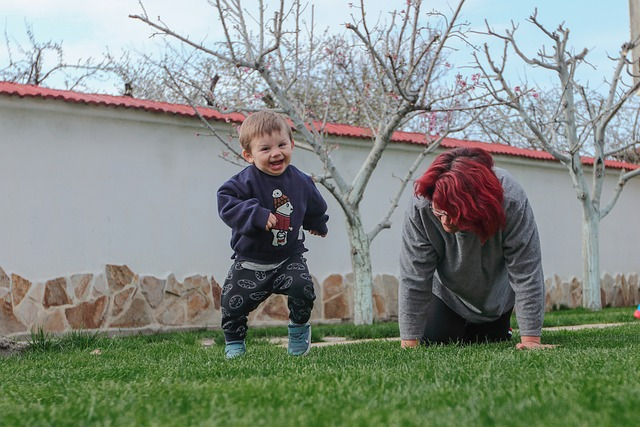
    Small silly actions like jumping in puddles can bring joy and reduce negative effects of stress – not to mention teach kids that it’s okay to get dirty!

    Help your kids manage stress by building in down time each day. Support the same healthy habits in them that you maintain for yourself. And, help them name emotions and identify causes and solutions. This helps things be less overwhelming to them.

    Together, practice deep breathing and counting. Talk through emotions, problems, and solutions. This builds the structure for them knowing you’re there for them no matter what, and you’ll get through it together. 

    There’s a lot to a healthy lifestyle, but adding in healthy habits one at a time can be manageable. Mid-winter is an especially good time to focus on health, when other parts of your life may be more predictable and easier to handle. 

    How do you use routine weeks to make your family’s lifestyle healthier?

  • Late January Reality: Helping Kids and Parents Thrive in the Day-to-Day School Routine

    Late January Reality: Helping Kids and Parents Thrive in the Day-to-Day School Routine

    It may seem like the back-to-school transition after the holidays is over, but any parent knows that the work of parenting never ends. It’s normal for kids to resist morning routines, for homework to feel burdensome, for kids to say they’re bored, and for bedtime to seem like a struggle. On top of it, parents can be exhausted!

    Don’t worry. There are simple hacks for making things smoother during the winter months. If you haven’t already, you can incorporate healthy actions back into the schedule. And, you can break up the day-to-day monotony with fun that doesn’t leave you even more exhausted. It’s all about listening to your kids and framing things in a way that gets through. Here are some tricks to shifting from surviving to thriving this winter. 

    A Post-Holiday “Letdown” Is Normal

    After weeks of excitement and special events over the holidays, they’re now in the distant past. This can be hard for parents, who may have hoped for a break but never got the rest they wanted.

    It can also be hard for kids. It’s hard to transition from November and December, when there may always be a wonderful new adventure to look forward to, to late January. School may feel endless; spring break is far off, and there’s nothing to break the daily routine of school.

    Acknowledge your and your kids’ feelings. They’re valid! Let them know that you understand that it’s hard when special times end, and school comes back. 

    In my family, the end of January feels especially final when it comes to holidays. We not only have the typical winter break over late December and early January. Three of us also have January birthdays. Plus, my parents leave for another country after the third birthday. For these reasons, our family’s transition to late January routine is especially dramatic. 

    Here are some things my son and I talk about.

    • What a wonderful job he did decorating and planning for holiday and birthday parties for the family
    • What he’s been enjoying doing when he hangs out with his friends after school 

    Shift Focus to Smaller Bits of Fun

    You don’t have to accept that the next few months will be boring. Consider coming up with ways to have fun on a smaller scale. What makes them really special is that they may be things you didn’t have time to do over the holidays. 

    A day at the park is simple, but something for kids to look forward to!

    Here are some low-key ways to have fun that my son looks forward to at this time of year.

    • Getting to video chat on weekends with his grandparents
    • Making plans with his amazing, wonderful, and unbelievable babysitter, who only works for us when my parents are out of town
    • Planning for him to sleep over at his grandparents’ house when they return
    • Doing different weekend outings with me that require a car – since we borrow my parents’ car, we don’t go far from home or off a bus route when they’re in town. I don’t like to ask
    • Fun events coming up at school, like a music festival showcasing his classmates in March
    • Going to the library, which has wonderful magnet tiles and other toys, but was closed over winter break

    These simple events can be joyful. Though they fit into the daily routine, they feel like they break it up. 

    Fit in Healthy Habits Now!

    Remember those healthy habits you wanted to start this year? Daily routines are likely to be as predictable and consistent now as at any other time during the year. Your chance to build healthy meals and snacks, regular family activity, and a healthy sleep routine into daily life may be now!

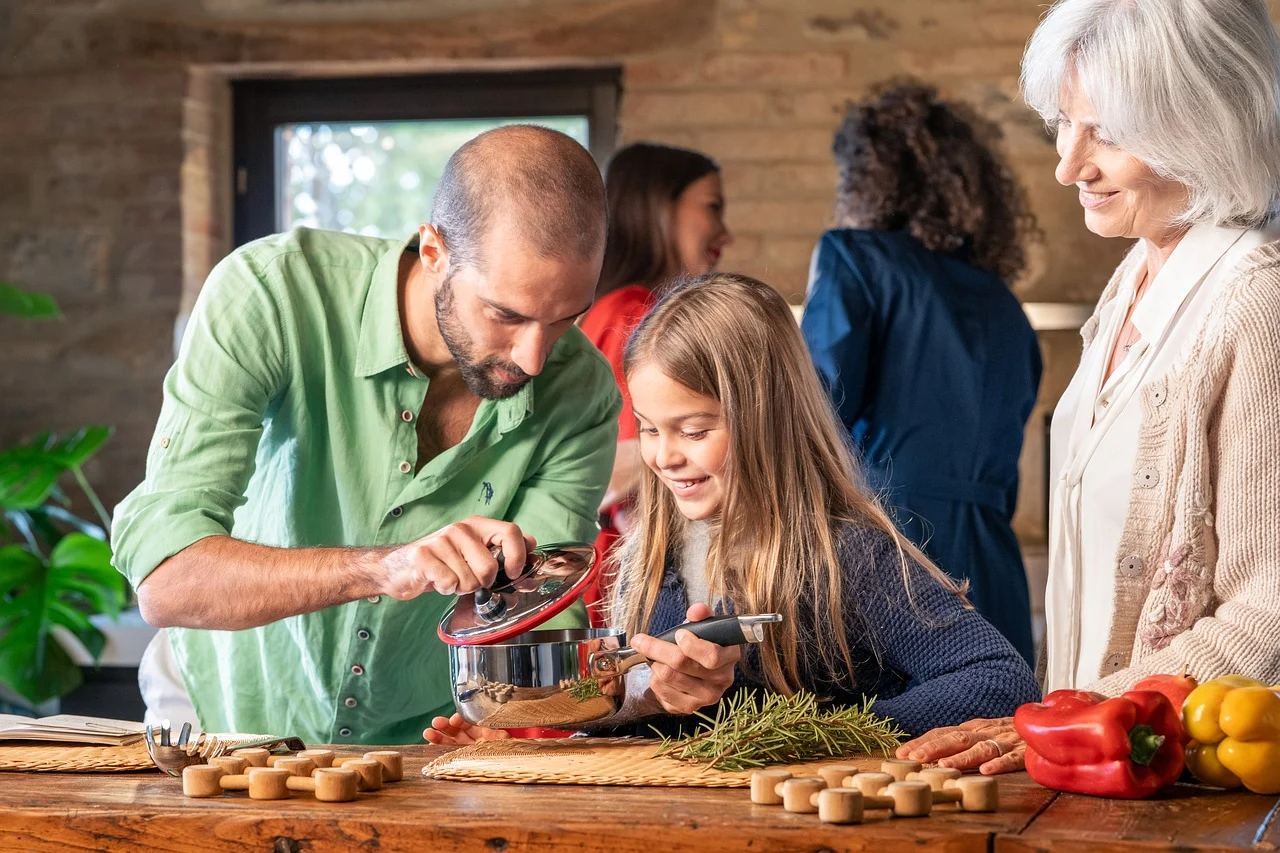
    Cooking healthy foods together can encourage kids to eat healthy, and help them learn what a healthy meal is.

    Small steps can make a big difference. Here are some examples.

    • Shift portions to increase vegetable intake. If kids aren’t eating their vegetables, consider serving smaller amounts of other foods so they’re not full before they get to their vegetables. You can also serve smaller portions of vegetables to avoid overwhelming kids.
    • Make physical activity routine. Enjoy nature walks. Walk to the library or post office. Take a walk while your kids bike or scooter along. 
    • Establish a bedtime routine. You may already do this. If not, make a consistent set of activities you do with your kids before bedtime. Brushing teeth, taking a bath, and reading a story are common ones. You might sing a song or tell a few nursery rhymes together. Make sure to have your own grown-up version of a bedtime routine. It might include brushing teeth, spending time with your significant other (if you have one), packing tomorrow’s lunches, and making a to-do list for the next day.

    What may be the biggest difference for me and my son between the holiday season and routine days of winter is sugar consumption. Christmas candy, irresistible chocolate coins, and birthday cakes contribute added sugars. Furthermore, my son gets a lot of juice and apple cider when my parents are home. They don’t have added sugars, but they do have a lot of sugar. Now we’re back to one reasonable portion of one sugar-sweetened treat a day at home.

    Look for Information, Listen, and Adjust

    If your routine isn’t working, troubleshoot to figure out why not. If kids are cranky or resistant, there’s probably a reason. It’s possible they’re just being difficult, but it’s also possible there’s an underlying barrier, such as fatigue or anxiety. Either way, simple changes can often make a difference.

    Have you tried brushing your teeth together, or singing tooth brushing songs?

    Here are some common reasons why a routine isn’t working, and possible fixes. 

    What Might Be Going OnWhat Can Help
    Kids are tiredAn earlier bedtime can help kids get more total sleep. A consistent bedtime—even on weekends—can prevent starting the school week already short on sleep.
    Kids are overstimulatedAllow 20–30 minutes after school for kids to decompress by amusing themselves however they want (within household rules). Let them know you’re available when they’re ready. Check their schedule to be sure they have at least 30–60 minutes of true downtime each day—unstructured time not dedicated to homework or extracurricular activities.
    Kids want to exert controlOffer choices: “Homework before or after snack?” “Do you want a 5-minute warning or a song timer?” “Do you want to start with reading or math?” Shift from time-based rules to task-based routines. Instead of “It’s 6:30, do your homework,” try “After homework, it’s free time.”

    Turn the dark days of winter into a bright spot with small changes in how you approach your kids and manage schedules. Plus, you can incorporate healthy choices in your family’s daily routine to take advantage of the predictable days that often come in mid-winter.

  • More Parent-Tested, Lifestyle Coach-Approved Tips for Staying Healthy During Winter Break: Immunity, Sleep, Schedules, and Screens

    More Parent-Tested, Lifestyle Coach-Approved Tips for Staying Healthy During Winter Break: Immunity, Sleep, Schedules, and Screens

    Winter break is a pause from the usual routine. For parents, differences at this time of year may include kids being home from school, prep for holidays and holiday events, and challenges like working during school closures, getting sick, or traveling in winter weather. 

    Unfortunately, winter break often means straying from healthy habits. The first post in this series talked about eating well, staying active, and hydrating during winter break. We also talked about maintaining mental health by establishing priorities and sticking to them. This post talks about supporting health with immune support, daily structure, healthy sleep, and responsible screen time. It’s worth it to take a few steps to support health during this winter break!

    Supporting Immune Health During Winter Break

    Winter break falls within peak cold and flu season, and COVID-19 is still a threat. Travel and gatherings like holiday parties and family reunions can increase the spread. 

    Here are simple tips to boost your immunity and reduce the spread of infections. 

    Washing hands is easy and effective.

    • Wash your hands properly before eating, after using the bathroom, and when coming back inside after going out.
    • Get recommended vaccines, such as for the flu and COVID-19.
    • Consume plenty of fresh fruits and vegetables for vitamin C and other nutrients.
    • Stay hydrated with water, tea, or other low-calorie beverages. 
    • Get enough sleep and physical activity.
    • Wear a mask when around others. 

    Remember to assess risk before attending gatherings. If you or someone in your household is at higher risk for more serious illnesses, consider wearing masks or skipping the event. Similarly, be considerate if you’re planning to visit higher-risk individuals like grandparents. Inform them if you or your children are ill, and let them decide whether they still want you to come or if they want you to mask up. 

    Keep in mind that most colds aren’t serious. Kids are likely to get sick sometimes, just like grown-ups. Contact your child’s pediatrician if you have concerns. 

    Sleep: An Underrated Winter Break Health Habit

    Parents already know that sleep is critical for mood and behavior; tired children are no fun to manage. Sleep also boosts immunity, energy, and ability to think. Winter break is a great time to get more sleep for several reasons. 

    • It’s easier to set aside time for a bedtime routine when kids aren’t swamped with homework.
    • Days are shorter, so it gets dark earlier in the evening and stays dark later in the morning – perfect for sleeping!
    • There’s more ability to sleep in when you’re not rushing to gather kids, clothes, lunches, and homework, and get them off to school on time. 

    For best results, keep bedtime to within an hour of bedtime during the school year. That makes it easier to go back to school without causing sleep deprivation. Sticking to a consistent sleep schedule also makes it easier to get to sleep and fall asleep, so it’s easier to get adequate high-quality sleep. 

    Also maintain habits like turning off screens at least 30 minutes before bed, having a bedtime routine that’s consistent, and being active during the day so kids are ready to sleep at night. 

    Maintaining a Loose Daily Schedule Without Over-Scheduling

    Winter break offers the chance to be less strict with your schedule. You don’t have to drop the kids off early at school. They may not have certain after-school activities to attend. Work hours may be less rigid. 

    Plan to eat meals together at a consistent time, and the rest of your daily schedule can fall into place more easily.

    With extra flexibility, it can be tempting to let go of a schedule completely, but that can be a mistake. While some people perceive schedules as limiting, I like to think of them as liberating. Here’s why having a set schedule can be liberating.

    • It reduces decision fatigue because you’ve already decided when many events – like meals and bedtime – will occur.
    • It gives you control over your time because it lets you set aside time for what’s important to you, such as work, specific events, working out, and family time.
    • It lets offers kids predictability and stability, which lets kids thrive and feel secure
    • It lets kids see that you’ve set aside time for what they want, like screen time or play time

    To create a schedule that doesn’t make you feel trapped, start with a few anchor events to establish and maintain a daily rhythm. They may include:

    • Bedtime (and a bedtime routine before that)
    • Meal times
    • Outdoor times 
    • Nap time (if you have younger children)

    Depending on your needs and the ages of your children, other items in the daily schedule may include reading time, screen time, family play time, and quiet individual play time (when you can work if needed). 

    See how your schedule works for a few days, then tweak it if needed. 

    Screen Time: Set Boundaries That Actually Work

    Each family has different norms around screen time: how much, when, and what’s okay to do or watch. Ipads and other tablets, laptops, phones, and smart watches are abundant in most households nowadays, and they act like kid magnets. 

    Tablets can give parents a needed break while traveling, and it’s a time when kids are sedentary anyway.

    During vacation, it’s important to set boundaries that meet your needs. Usually, there’s a conflict between parents wanting to reduce kids’ screen time versus kids wanting to watch more and parents needing a way to entertain kids without them. 

    When you set boundaries for screen time, consider these aspects. 

    • How many hours are okay per day or week. 
    • Which device(s) your child will have access to.
    • Which guardrails you’ll put in place, such as supervising your child during screen time, using the device together with your child, or activating a child mode on the device. 
    • What your child may do with the device, such as doing educational programs, playing interactive games, or watching videos. 

    Whatever rules you set, stick to them just like you stick to any other rules in your household. Here are some rules you might consider. 

    • A maximum of two hours of screen time a day.
    • No screen time until after a certain amount of active time and reading or other educational activity.
    • The child must get your approval for each new activity, such as a new game or video.
    • The child must take vision and active breaks every 30 minutes, like running around the house for 1-2 minutes without looking at a screen. 

    All screens should be turned off for the bedtime routine. 

    Keep in mind that everyone needs a break – maybe even you. If the only way you can get a break and prevent a breakdown is to give your child more screen time, it’s okay. They’ll survive, and you need to, too. 

    Winter break and the holidays can be both happy and healthy, but it can take some planning and tricks to make it happen. How do you stay healthy during this time? 

  • Eat Well and Keep Moving: Simple Parent-Tested Tips for Healthy Living During Winter Break

    Eat Well and Keep Moving: Simple Parent-Tested Tips for Healthy Living During Winter Break

    Winter break brings a different pace to family life as schools close and schedules change. Childcare duties increase and holidays may bring extra responsibilities, but working parents may not have much time off. Minds and bodies still need care, so it’s a good time to take a practical and creative approach to staying healthy. 

    In winter weather, amid holiday cheer, and with tired, bored, or excited children, it can be even more rewarding to cling to healthy habits. Here are tips for staying active for parents and kids, eating healthy without excess costs or fights, getting outside time in any (safe) weather, and hydrating for health.. 

    Keeping Parent and Child Active During Winter Break

    Staying active is imperative for physical and mental health, but it can take extra planning during winter break even if it’s a habit during other times. During these weeks, we can be busier, schedules can be different, and weather can be rainy where I live. However, we can overcome these challenges with prioritization. Bodies need to move!

    Fortunately, I’ve been running for almost 30 years. It’s enough of a habit now that I know it’ll get done during break, too. It’s built into my day, from making sure I go to bed early enough to be rested by morning run time, to having child care lined up every morning, 6 days a week. 

    It takes a bit more thought to make sure my son gets enough exercise. He’s not lazy – he’s the opposite of it! – but it takes more planning to get him active than for me to run. When school is in session, he walks to and from school, plays a bit at recess and lunch, and plays for hours in the afterschool care program. 

    On break, here are some ways he stays active most days.

    • Yardwork and gardening with my parents at their house in the mornings while I run and take “me” or work time.
    • Various ball games with my parents in their backyard, including football, soccer, baseball, and creative variations of these. 
    • Walks and bike rides with me to any destination I can think of to make him interested enough to come alone without too much protest. A park, a store, the library, and a bus stop or metro station are common destinations. 
    • Walking to the park (about 15 minutes each way) for kickball, catch, or football.
    With the right gear, kids can get plenty of outside time in most kinds of weather.

    Rainy day options include these.

    • Dressing properly, mentally preparing to be cold and wet, and playing outside in mud and puddles with the thought of a warm shower and dry clothes when we come inside.
    • Going to our building’s underground parking garage for roller skating, a game of catch, or various other adventures. 
    • Playing in our building’s rec room/gym.

    Healthy Eating for All During Winter Break

    Health eating for the family can be challenging during winter break. Depending on your child’s habits and location, you may be used to schools providing milk, breakfast, lunch, and snacks. During break, you’re responsible for all food and beverages. It may be an extra responsibility for you, but see if you can turn mealtimes into a chance to spend more time together that you don’t get when your child eats lunch at school. 

    Thankfully, most kids prefer simple, familiar meals, so take advantage. Plain whole-wheat pasta with marinara sauce, chicken or parmesan cheese, and a piece of fruit can be a balanced, easy, and welcome dinner, for example. For lunch, try items as simple as PB & fruit sandwiches on whole-wheat tortillas. Don’t sweat it!

    Here are some tips for healthy meals for everyone. 

    • It’s okay to repeat meals. Kids often love repetition. 
    • Keep serving vegetables and fruit at most meals. 
    • Try these ideas for healthy breakfasts, lunches, dinners, and snacks

    Take shortcuts whenever you can get away with it to make healthy eating easier. Here are some examples. 

    • Make double or triple batches so there are leftovers to eat the next day or two. 
    • Use frozen foods like fish fillets, chicken tenderloins or breasts, vegetables, and berries to reduce pressure to shop frequently. 
    • Stock up on easy-to-use nutritious panty items like whole-wheat pasta, plain instant oatmeal, canned tomato sauce, peanut butter, and mixed nuts.
    • Make soups, stews, and casseroles with vegetables and lean proteins. They’re easy to make and easy to freeze.
    • Sandwiches are just fine for meals – use whole-grain bread, peanut butter or low-fat cheese, and a side of fruit or vegetables. 
    Whole-wheat spaghetti, turkey meatballs, marinara sauce, and parmesan cheese: dinner is ready!

    Holiday treats can feel stressful if you’re worried that your kids will eat too much fat and sugar or replace nutritious foods with holiday treats. To reduce anxiety and avoid fights, I suggest letting your kids eat treats at holiday events and parties. 

    Support healthy eating the rest of the time by having healthy foods in the home. Have healthy snacks always available so hungry kids will eat healthy, and keep your children eating at the table, not while watching a screen. In other words, have foods like fresh grapes, grape tomatoes, string cheese, and plain popcorn in the house, and keep chips, cookies, and candy out of the house. 

    Outdoor Time in All (Safe) Weather

    Did you know it’s okay to be outside in most weather? And that it has a wide range of benefits? Here are some reasons why it’s important to be outside. 

    • Getting natural light helps you sleep better because it helps your body set its natural circadian rhythm to be awake during the day and sleepy at night.
    • Being outside counts as being in nature, even if the only bit of nature you can see is a sliver of sky or a weed growing from a crack in a sidewalk. Nature improves mood and health. 
    • Being outside encourages movement because there’s more space. 

    It’s usually safe to be outside in winter except in any of the following conditions. 

    • The temperature with wind chill (“feels like”) is under 0°F (-18°C). 
    • There is a blizzard or whiteout conditions. 
    • Freezing rain or excessive ice makes the ground slippery. 
    • Thunderstorms are in the area. 

    For cold weather, be sure to layer up and watch for signs of hypothermia or frostnip. A warm jack like a lined puffer jacket can be a great outer layer for kids and adults. Add a hat and gloves or mittens for more warmth. 

    If it’s raining, but not freezing rain or with high winds, dress well and enjoy the puddles in the rain! A stylish and functional pair of yellow boots can keep kids happy and splashing. Kids seem to love umbrellas, too. Wear a waterproof rain jacket, and adults and kids alike can get some fresh air before coming indoors for a hot shower and some soup or tea.

    Hydration

    It’s easy to forget hydration, but it can help everyone’s energy and mood. Remember to drink often, even in cold weather. Kids are especially likely to ignore or miss thirst cues. 

    Any of these are good options. 

    • Water
    • Herbal tea
    • Broth
    • Tea with milk, which is an especially good choice for adding protein and calcium
    Make hot decaf coffee or tea with milk together for family time, hydration, and fun.

    It’s okay to relax during vacation, but it’s also a good idea to stay healthy. A bit of planning can make it easier for you and your family to be active, eat well, and feel better so you can get more joy from the season.

  • How I Get My Son to Eat a Variety of Foods – Try These Top Tips with Your Picky Eater

    How I Get My Son to Eat a Variety of Foods – Try These Top Tips with Your Picky Eater

    Are any of your kids picky eaters? If you’re a parent of a picky eater, you’re not alone. About 1 in 5 kids in elementary school are picky eaters. But take heart. Picky eating can be frustrating, but it’s not likely to become a health crisis. Plus, there are things you can do to help your child overcome picky eating. 

    Here’s how I try to get my son, age 8, to eat a variety of foods for a balanced diet while I stay calm. As a nutritionist and single parent, here’s what I use. These tips, backed by expert recommendations and experience.

    Spoiler alert: it’s probably going to turn out just fine. 

    Most important is to keep eating times lighthearted and enjoyable.

    Tip: Have Healthy Foods Nearby

    I’ve seen countless parents tell me their children are picky eaters, but I also see them offering their kids junk food. Once I went with my son to his friend’s house for a playdate. The child had been labeled a “picky eater.” There was a tidy kitchen, with a pizza box on the counter. That afternoon, the boys ate from that pizza box, and served themselves ice cream and soda from the freezer and fridge. 

    I wonder whether the child would be more likely to eat other foods if other foods were more available and appealing than the pizza, soda, and ice cream at that house. What if there were grape tomatoes on the counter, cheese sticks and grapes in the fridge, and peanuts in the pantry? Might the child be more prone to eating those nutritious foods? 

    Tip: Prioritize Hunger at Meals

    I know several children who always seem to be eating when I see them. Their parents tell me that they’re fussy eaters and don’t eat foods like vegetables, fruit, and dairy products. 

    Kids will eat when they’re hungry. They may appear to be bottomless pits when it comes to snacking, but if they eat too many snacks, their appetite can disappear at mealtimes. That leaves them low on nutrients and variety if their typical snack foods are crackers, chips, and granola bars. 

    Try to offer more nutritious snacks first, like berries, tangerines, baby carrots, and unsweetened brown rice cakes. If they’re that hungry, they’ll eat. If they’re not that hungry, there’s no need to encourage snacking on sugary or fatty snack foods. 

    Tip: Keep Portions Small

    I’ve made the mistake of serving my son oversized portions. He ends up eating none of what I served him, even if it is something he loves. It turns out that he’s intimidated. 

    Offer small portions of a variety of nutritious foods and see what kids choose!

    Keep portions small so kids feel that they are manageable. Even if the plate looks underfull to you, it can look more welcoming for kids. Plus, you can always serve more if they want. 

    Tip: Introduce New Foods Gradually

    Keeping portions small is even more important when introducing new foods. Start with an almost imperceptibly small amount. For example, if your child only likes plain white pasta, try mixing in a teaspoon of tomato sauce before serving it. It will be almost impossible to taste. Gradually increase the amount over weeks.

    Sticking with the pasta example, you can expand a kid’s love for plain pasta to a tolerance for whole grains. Swap about an eighth of their pasta for whole-wheat pasta. Over the course of weeks, gradually increase this amount. 

    The point here is for the child to realize that she can tolerate, and maybe even enjoy, the new food. 

    Tip: Let Your Kids Take Charge

    Many kids love having control. It makes sense, since adults make most of the decisions that affect their lives, from when to get up, what clothes are available to them, what they do during the day, and what they can watch on a screen. Give children control of something fun, personal, and important – their food!

    Let your kids bring a friend to the meal to help them eat a variety of foods.

    The sky isn’t quite the limit (I’m not suggesting that you let them choose an ice cream sundae for dinner with cupcakes for dessert). Try letting your kids work within guidelines that you set. For example, tell them they can choose a vegetable, a fruit, a grain, and a protein for dinner, and see what they come up with. 

    Here are some examples: 

    • Whole-grain pasta with marinara sauce, a yogurt, and strawberries
    • A whole-grain bagel with peanut butter, raisins, and a V8. 
    • Plain Cheerios with milk, a banana, and a squeeze pack of fruit-veggie mix. 

    A variation is to let your children choose from a menu that you provide. The more control they have, the more they are likely to eat what they choose. 

    Tip: Model How You Want Them to Eat

    When you are eating from the pizza box on the counter, what do you think your kids will want? Probably pizza, not a salad. When you go out for Chinese food, are you ordering fried rice, chow mein noodles, and sweet and sour chicken? Or are you opting for chicken with broccoli, mixed vegetable stir fry, and brown rice?

    Modeling may be the most important tool we have as parents. It may also be the toughest, since it’s easier to live by, “Do as I say, not as I do.” It may also be slow to get results from modeling. But it’s likely to lead to the longest-lasting effects. 

    When kids see us eating healthy, kids learn that the people they respect the most – their parents – eat healthy. They learn how to eat healthy, since they see us grocery shopping and preparing foods. They learn what healthy is, since they see us do it. And they learn that healthy is normal. 

    Do your best to eat a variety of foods, include healthy options at each meal, and try new things. Don’t be afraid to let your kids know if you tried something and hated it. They’ll respect you for trying it, and they’ll know it’s okay to dislike something. 

    Tip: Be Calm

    Kids and dogs have a lot in common. For example, they know when we’re nervous. Don’t let your kids know how badly you want them to eat more or eat a wider variety of foods. They’ll make sure to hold out for junk food instead of caving into whatever healthy food you’re offering. Stay matter of fact, and if they choose to skip a meal, let it go. Unless their doctor is concerned, your kids are probably fine. 

    If you’re worried, a daily multivitamin and mineral supplement can provide micronutrients like iron, calcium, B vitamins, and more. Ask your pediatrician if you think your children should have one. 

    How do you get your children to eat a wider variety of nutritious foods?

  • Stress-Free Ways to Get Your Kids to Eat Whole Grains for Snacks

    Recently, we’ve talked a lot about kids falling short of recommendations for whole grain consumption and why it matters. We’ve covered stress-free ideas for whole grains at breakfast, lunch, and dinner to help close that gap. Now let’s talk about snacks!

    More than 90% of children snack on any given day. American kids on average get more than 25% of calories from snacks. Snacks are a great opportunity for adding more nutrients to a kids’ day – so let’s talk about ways to get whole grains into snacks. Good news: it’s simple! Here are several easy snacks with whole grains that kids can love and you can provide without stress.  

    Popcorn and String Cheese

    Popcorn is a whole-grain that we often forget about. Buttered popcorn from a movie theater or caramel, cheese, or buttery popcorn in microwave bags can be high in sugar, fat, and salt, but air-popped popcorn is a nutritious choice. It’s also fun for kids, and easier than you may realize. Use a microwave silicon popper for the microwave or a countertop popper for freshly popped popcorn. All you need is about 2-4 tablespoons of kernels from a bag or jar of popcorn kernels that will stay fresh for months or years. Season it with salt or any other popcorn seasoning. Serve it with string cheese for calcium and protein. 

    Whole-Wheat Crackers and Hummus or Peanut Butter

    Kids love crunching on Wheat Thins or woven wheat crackers like Triscuits. Ritz and other crackers like Saltines also come in whole-grain versions. Serve with cheese slices or cubes, hummus, or peanut butter. For a more portable option, try a peanut butter packet or cup, or a hummus single-serve cup.

    Cereal Snack Mix

    Choose an unsweetened or lightly sweetened whole-grain cereal like plain Oat O’s, shredded wheat, bran flakes, whole-grain corn flakes, or raisin bran. Make a snack mix with ingredients like pieces of whole-grain chips or crackers, raisins or other dried fruit, nuts or peanuts, and popcorn. 

    Chips and Salsa

    Serve whole-grain tortilla chips with homemade or store bought salsa for a simple and tasty snack. If your kids aren’t into salsa, offer tomato sauce or guacamole, or ask your kids if they’d prefer to have the chips plain. For snacks at home, when mess isn’t too much of an issue, turn it into nachos by adding low-fat shredded cheese and toasting the chips. 

    Oatmeal Energy Bites

    These no-bake bites are completely delicious and filled with whole grains and fiber. If your kids are old enough, let them help stir and form balls to refrigerate. Make the balls small and serve only a couple at a time because they’re pretty filling and calorie-dense. In a blender, pulse 1 cup rolled oats, ½ cup peanut butter, 1 cup of pitted dates, and 2 tablespoons of baking cocoa (unsweetened cocoa powder). Add vanilla and 1-2 tablespoons of water if needed. Refrigerate in small balls on wax paper or a greased cookie sheet. 

    Mini Bagel and Peanut Butter

    It’s easy and a guaranteed hit. Spread peanut butter on a whole-grain mini bagel, and you have a portable and filling snack. Almond butter is another option for healthy fats and protein, and cheddar cheese is an alternative. To turn it into a small lunch, add grapes or another fruit. 

    Granola Bar

    It doesn’t get much easier than handing out granola bars for snacks. They’re made with whole-grain oats, and most kids love them. Read nutrition facts panels to choose a brand with less added sugar and saturated fat. 

    Low-Fat Cottage Cheese with Graham Cracker Bits

    Surprise! Graham crackers taste like cookies, but they’re made with graham flour, which is a whole grain. Honey grahams, chocolate grahams, and cinnamon sugar graham crackers are similar in their calorie and sugar counts, so let your kids choose their favorites. Serve them in quarter-rectangles, or crumble them a bit more over ½ cup of low-fat cottage cheese. Turn it into a meal with some fruit. 

    Brown Rice Cakes

    You may not realize this, but leading brands of rice cakes often use whole grain (brown) rice. Check the list of ingredients to make sure the first one listed is brown rice. Plain, savory, and sweetened brown rice cakes give kids a lot to choose from. Purchase them in single-serve packages or divide larger packages into smaller servings for a portable snack. They’re also good for dunking or spreading. 

    Whole-Wheat Tortilla Roll-Up

    Tortillas can be rolled with anything. Then slice them into 1-2-inch-thick wheels for snacks. Try sliced turkey and mozzarella or cheddar cheese for classic roll-ups. Add lettuce and tomatoes if your children will eat them. You can also spread cream cheese onto the tortilla before adding other toppings. For a sweeter roll-up, go for peanut butter and strawberries or blueberries. It’s also colorful and fun to eat. 

    As you’ve seen from this blog post and the previous ones, it can be simple to get your kids to eat whole grains. It can be inexpensive, convenient, and it doesn’t have to involve a fight. Just replace regular grains with whole grains, and be a little creative as needed.

    How do you get your kids to eat whole grains – and how can you yourself benefit from eating more whole grains as a family? 

  • Stress-Free Ways to Get Your Kids to Eat Whole Grains at Lunch

    Stress-Free Ways to Get Your Kids to Eat Whole Grains at Lunch

    We talked recently about the benefits of whole grains, and the fact that American kids are falling short of recommendations for whole grain consumption. The last blog post was about increasing whole grains at breakfast. Now it’s time to talk about whole grains at lunch!

    To make sure your children get at least half of their grains from whole grain sources, which is the recommendation, you’ll need to add whole grains to the rest of their day. Here are 10 stress-free ways to add whole grains to lunch. Each meal has 350-450 calories, is high in fiber, and has at least 15 grams of protein. Many of these options are portable and suitable for lunch at school.

    1. PB&J Sandwich 

    Peanut butter and jelly is inexpensive, easy, kid-friendly, and now…it’s healthy! Swap whole-grain bread for white bread, and use fruit instead of sugar-laden jelly. Another option is to use sugar-free jam or make your own fruit spread with mashed banana or cooked berries.

    430 calories, 6 grams of fiber, 15 grams of protein

    What’s in it: Sandwich with 2 slices of whole-wheat bread, 1 tablespoon of peanut butter, and 2 tablespoons of mashed banana, plus a string cheese stick, baby carrots or grape tomatoes, and a tangerine

    Pro Tip: Use almond butter if peanuts are banned, or chickpea butter for a peanut and nut-free environment. For a fun twist, swap the bread for a whole-wheat English muffin or a whole-grain tortilla. 

    2. Pita Crisps with Hummus

    Brush whole-grain pita with olive oil, sprinkle it with salt, and toast it. Break it into pieces for easy dipping. Fill out the lunch with a container of yogurt, baby carrots, and some fruit. 

    450 calories, 8 grams of fiber, 20 grams of protein

    What’s in it: ½ large whole-grain pita, 2 teaspoons of olive oil, ¼ cup hummus, ¾ cup of Greek yogurt, baby carrots, ½ apple

    Pro Tip: If the flavors in store bought hummus are too strong for your children, try making your own by blending canned garbanzo beans with olive oil or tahini. If they don’t like garbanzo beans, they can dip pita crisps into peanut butter, cottage cheese, guacamole, or bean dip. 

    3. Burrito Wedges

    Bean and cheese burritos are simple and nutritious. To make burrito wedges, spread a tortilla with beans, add cheese, and top with another tortilla. Cut into quarters, sixths, or eighths. Use canned fat-free refried beans for kids who don’t like the texture of black or pinto beans. Kids with more sophisticated tastes may enjoy a spoonful of salsa mixed into their beans. 

    300 calories, 7 grams of fiber, 16 grams of protein

    What’s in it: 2 small whole-grain flour tortillas, ¼ cup of refried beans, 2 slices of low-fat American or cheddar cheese

    Pro Tip: To make sure the burrito stays intact, only add a small amount of fillings. Otherwise, the burrito may become too messy for small children to handle, especially at school. Use American cheese slices or low-fat cheddar slices instead of shredded cheese to make the burrito less messy. 

    4. Quesadilla

    Quesadillas can be high in fiber and protein.

    Quesadillas can be a good option for fussier kids who aren’t fond of burritos. They have simple ingredients that kids are used to, and many kids love the textures of the crisp tortilla and melted cheese. If your children will allow, put some spinach, thinly sliced zucchini, sliced mushrooms, or thin slices of tomatoes in the quesadilla. Another way to add vegetables is to spread a layer of mashed peas on one of the tortillas before topping it with cheese. Fill out the lunch with some fruit. 

    450 calories, 9 grams of fiber, 21 grams of protein

    What’s in it: 2 soft taco-sized whole-wheat flour tortillas, 1-2 ounces of low-fat shredded jack, cheddar, or mozzarella cheese, ½ cup of vegetables, and a side of fresh fruit

    Pro Tip: Turn it into a fun dipping experience by cutting the quesadilla into strips. Kids may enjoy guacamole, ketchup, or ranch dip. For kids who like more familiar flavors, try a pizza quesadilla with mozzarella cheese, and tomato sauce for dipping.

    5. Grilled Cheese and Tomato Soup

    This classic comfort combo offers opportunities for whole grains, calcium, protein, and vegetables. Instead of frying the bread in butter, toast the bread with cheese before closing the sandwich to serve. Read the label when choosing a can of tomato soup. Added sugar content can vary widely, so choose a brand with a lower amount. Also check the list of ingredients to make sure that tomatoes or tomato sauce is listed first. 

    450 calories, 6 grams of fiber, 19 grams of protein

    What’s in it: 2 slices of whole-wheat bread, 2 slices of low-fat American singles, 12 ounces of tomato soup

    Pro Tip: Any type of cheese is fine. If you’re using American singles, check the label to make sure it’s made with real cheese, and not just oil and starch. The nutrition facts panel should  show protein and calcium, and the ingredients should include milk or cheese.

    6. Whole-Grain Mini Pizzas

    Buy a whole-grain pizza crust to top, or make mini pizzas on whole-wheat bread or whole-grain English muffin
    or bagel halves.

    Kids like pizza! Give them what they love in a healthy form that adds whole grains and nutrients to their day. Whole-grain English muffin halves, whole-grain bagel halves, and sliced wheat bread are all good choices. Offer plenty of toppings like peppers, olives, and pineapple, and let kids make their own pizza. 

    420 calories, 8 grams of fiber, 18 grams of protein

    What’s in it: 1 whole-grain English muffin, 1 ½ ounces of shredded low-fat cheese, ½ cup of tomato sauce, 1 piece of fruit on the side

    Pro Tip: For a fun DIY pizza experience for lunch home, serve whole-wheat crackers, shredded low-fat cheese, turkey or meatless pepperoni, and a small bowl of tomato sauce. Let your kids assemble their cracker pizzas on their own. For a lunch box version, cut cheese slices into quarters instead of sending shredded cheese. 

    7. Whole-Grain Turkey and Cheese Sandwich

    Try a turkey and cheese sandwich, or cut wraps into pinwheels for a more fun presentation for kids.

    Sandwiches are classic lunch fare at school, especially since they’re finger foods and familiar. Add turkey, cheese, and any of your child’s favorite vegetables, such as shredded carrots or cucumber, sliced tomato, or cooked bell peppers. For creaminess, add low-fat cream cheese.

    Description

    400 calories, 7 grams of fiber, 20 grams of protein

    What’s in it: 2 slices of whole-wheat bread, 2 ounces of lean, nitrate-free turkey, 1 slice of low-fat cheese, ½ cup of vegetables, 1 tablespoon of low-fat cream cheese

    Pro Tip: For a change in pace, turn it into a wrap by using a whole-wheat tortilla, or a pita pocket with half of a large whole-grain pita bread. 
    Hopefully these ideas help your kids – and you – get more whole grains into your daily lunch routine. Check out our breakfast ideas with whole grains, and stay tuned for dinner and snack ideas to come!

  • Most Kids Aren’t Eating Enough Whole Grains — Here’s Why It’s Important and What You Can Do

    Ready to give your kids a good start in life? Choose more whole grains! Most kids aren’t getting enough, which means they’re losing out on a variety of nutrients and health benefits. Thankfully, it’s easy to give them more whole grains. Here’s why they’re important, and how you can get more into your home. 

    What’s a Whole Grain?

    Grains grow in kernels. A whole grain retains all three parts of the natural kernel: the bran, germ, and endosperm. The bran has fiber and B vitamins. The germ has vitamin E, healthy fats, and some minerals. The endosperm has starchy carbohydrates. 

    Swap chips for popcorn for health and weight benefits. Popcorn is a fun snack for kids, too!

    /

    While whole grains have all three parts, refined grains only retain the endosperm. The bran and germ are stripped away during processing. That means whole grains have more natural nutrients. Though most refined grains are fortified with iron and some B vitamins, whole grains have a wider variety of natural nutrients. 

    Here are examples of whole and refined grains.

    Whole Grains vs. Refined Grains
    Whole Grains Refined Grains
    • Oatmeal
    • Whole-grain cereal
    • Whole-wheat bread
    • Whole-grain crackers
    • Brown rice
    • Whole-grain pasta (whole-wheat or brown rice)
    • Quinoa, barley, bulgur
    • White bread and crackers
    • White pasta and rice
    • Refined cereal
    • Farina (cream of wheat)

    Why Whole Grains Matter for Kids

    Whole grains are a great source of fuel, or energy, for growing kids, but they are more than calories in the form of starchy carbohydrates. They’re sources of essential and beneficial nutrients, and they’re linked to short-term and long-term benefits for weight and health. 

    Essential Nutrients in Whole Grains

    Whole grains are natural sources of dietary fiber, vitamins, minerals, and healthy fats. Most Americans are low in fiber, but it’s linked to better digestive health, weight management, blood sugar control, cholesterol levels, and heart health. 

    Here are a few of the essential nutrients in whole grains. 

    • Alpha-linoleic acid, an omega-6 fatty acid
    • Vitamins: thiamin (B1), riboflavin (B2), niacin (B3), pantothenic acid, vitamin B6
    • Minerals: copper, iron, selenium, magnesium

    More Nutrients in Whole Grains

    Like fruits and vegetables, whole grains have antioxidants and other phytonutrients, or “plant nutrients,” that aren’t on the standard list of essential vitamins and minerals. Some phytonutrients in whole grains probably haven’t even been discovered yet! That’s an even better reason to opt for whole grains regularly; a refined grain or multivitamin and mineral supplement can’t provide all of the potentially beneficial components in whole grains.

    It’s easy to add whole grains when you start the day with oatmeal. Add fruit and nuts for a balanced breakfast.

    Weight Benefits of Whole Grains

    Low-carb diets may be popular, but keep reading before you keep grains away from your kids! Scientific evidence shows that people who regularly consume whole grains are more likely to have better weight control over time. 

    Researchers have found these relationships between whole grain consumption and body weight.

    • The potential for more weight loss in children who are overweight 
    • Increased weight loss in the long-term among adults who are overweight and in weight loss programs
    • Lower BMI (body mass index) in adults over time
    • Lower risk for overweight and obesity 
    • Lower risk for overweight babies among mothers with gestational diabetes who consume more whole grains during pregnancy
    Try making sandwiches with whole-grain bread, or make them half whole-grain and half white for fussier kids.

    Fiber in whole grains may be partly responsible for these benefits. Fiber is considered a filling nutrient because it slows the emptying of food from the stomach, so you feel full for longer after a meal. Plus, fiber helps reduce blood sugar fluctuations and sudden, severe hunger. 

    Whole grains can help with weight control by providing stable energy, which allows for more active play. In addition, balanced meals with whole grains can lead to more balanced energy intake.

    More Health Benefits of Whole Grains

    Decades of research point to health benefits of whole grains. People who eat more whole grains have a lower risk for:

    • Chronic inflammation
    • Colorectal cancer
    • Type 2 diabetes, prediabetes, and insulin resistance
    • Heart disease
    • Cognitive decline and memory loss during aging

    If you’re ready to arm your children to fight these and other chronic conditions, see how you can help them eat more whole grains. 

    Here’s How Far Short Kids Fall in Whole Grain Consumption

    Whole grains seem to have clear benefits, but American children fall sadly short of recommendations. The Dietary Guidelines suggest making at least half of all grain servings whole grains. For most kids, that works out to 3-5 daily 1-ounce servings of whole grains. 

    More than 1 in 3 children don’t eat whole grains on a given day. The average child consumes only 1 serving of whole grains a day. To add to the challenge, most adults don’t eat enough whole grains, either. That means kids aren’t learning this healthy habit from their parents.

    Quick and Easy Ways to Choose Whole Grains

    It’s probably easier than you think to get your kids to eat more whole grains. They’re inexpensive and widely available. They’re also easy to use; in most cases, just swap your regular refined grain for a whole grain counterpart. 

    Here are some examples. 

    • Make sandwiches on whole-wheat bread instead of white
    • Stuff whole-grain pita or tortillas instead of white pita or white flour tortillas
    • Serve whole-wheat pasta with sauce instead of white pasta
    • Steam or stir fry brown rice instead of white
    • Pop popcorn for snacks instead of serving chips

    Stay tuned for easy ways to choose whole grains, with simple tips and recipes. 

    How do you get your kids to eat whole grains?