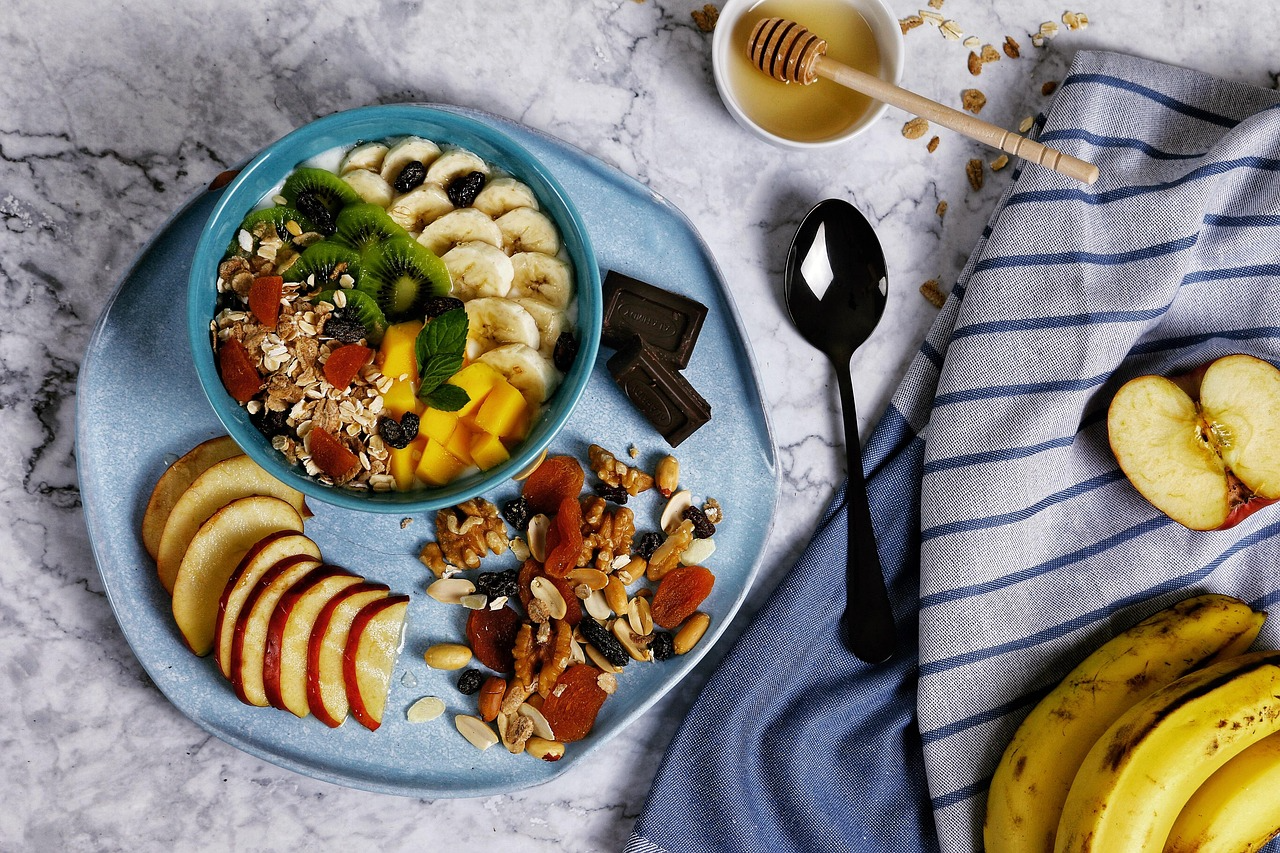
In our previous blog post, we described my dad’s original homemade cereal recipe. It’s kid-friendly and nutritious. It’s also parent-friendly because it doesn’t require cooking, clean-up is minimal, and you can vary it according to your tastes and needs.
Here’s a calculator you can use to figure out the basic nutrients in your cereal. Just use the drop-down menus to select the amount of each ingredient that you use. If you don’t use a particular ingredient, just skip it. Then click, “submit,” to see calories and important nutrients (why these nutrients?).
Build-Your-Own Cereal Nutrition Calculator
Nutrition Totals (Per Serving)
*Estimates based on USDA averages. Values will vary by brand and preparation.
Most Americans grow up thinking that cereal comes from a box, but that’s not what “cereal” meant in our household when my sister and I were growing up. Whenever my dad offered to make us “cereal,” we got excited, whether it was for breakfast, lunch, or dinner.
My dad worked from home, while my mom worked at a traditional job. That meant my dad was the primary caregiver and responsible for feeding the two of us. He didn’t cook anything fancy – dinner was usually bread, chicken or fish from the toaster oven, and canned peas or corn – but he did develop a few signature recipes.
One of them was “cereal,” and it’s perfect in nearly every way. It takes only minutes to prepare. It doesn’t require cooking or much clean-up. It’s inexpensive. It’s sure to please kids. It’s also a great way to get kids involved in the kitchen – they can get excited about handing you the ingredients and putting them away when you’re done with them.
Dad’s cereal is versatile. You can vary it according to what you have on hand, and you can alter it to fit into any nutritional goals or dietary requirements that you may have. Since you assemble each person’s bowl separately, you can make it according to each person’s preferences to please each child and adult at home.
Here are some tried-and-true variations.
Any fresh or frozen fruit works instead of the banana, or in addition to it. Mango chunks, strawberry slices, blueberries, and pineapple chunks are all great. If you’re using frozen fruit, check for unsweetened versions to avoid added sugars.
Any type of nuts works well. You can also use chopped peanuts. If you have nothing on hand but peanut butter, add in a tablespoon or so.
For kids especially, add a treat or two, like a drizzle of honey. A little bit goes a long way. A few mini chocolate chips, a maraschino cherry, or 1-2 teaspoons of rainbow sprinkles can make the cereal seem extra special, too.
Swap any dried fruit for raisins. Sliced dates are an especially sweet addition – just 1-2 dates can add a lot of sweetness.
If you’re trying to reduce carbs, try having just ½ a banana and a smaller portion of oats. Your bowl will still be satisfying!
And finally – no milk on hand? No problem! Once or twice, when we’d made the cereal and were ready to pour in the milk, we realized we were out of milk at home. The solution was juice. Really – it worked fine!
A Healthy, Balanced Breakfast (Or Late-Night Snack!)
Finally, it’s healthy. The original recipe has 0 grams of added sugars. It’s high in fiber and protein, and low in saturated fat. It has whole grains, fruit, reduced-fat dairy, and nuts. It’s a balanced meal in a bowl that everyone can love.
Here are the calories and nutrient highlights.
460 calories
10 grams of fat
16 grams of protein
82 grams of carbohydrates
2 grams of saturated fat
13 grams of fiber
But I wasn’t thinking about healthy fats, protein, fiber, and calcium at that time. I was thinking about how good the cereal was – and how much it was tied to my dad. Like any normal kid, I sometimes wandered out of my room after bedtime to tell my dad that I couldn’t sleep. Sometimes, he’d be at the dining room table, talking with my mom after her work day, and eating a bowl of his cereal.
From “Dad’s” Cereal to “Grandpa’s” Cereal
I grew up (in age, if not in maturity) and moved out, and haven’t had Dad’s cereal in decades. But as “Dad” became “Grandpa,” and my son is now old enough to enjoy it, my dad has started making it again – for my son. The basic recipe is the same, and my son now understands what his mother means when she says, “Grandpa’s cereal.” He loves it, too.
How to Make My Dad’s Cereal
Get ready to be underwhelmed: making cereal couldn’t be much easier. Here are the ingredients in the basic recipe. He never measured them, but I will give you approximate quantities. If you use these ingredients in these amounts, your bowl of cereal will have the calories and nutrients listed above.
½ cup of rolled oats: Oats are a whole grain, and they’re delicious plain or with other foods. If you love oats but don’t like cleaning the pot after making oatmeal, this may be your new go-to.
2 tablespoons of wheat bran: Wheat bran is very high in fiber. Make sure you soak it in milk (or juice) before serving it so nobody risks choking on it, since it can be dry.
2 tablespoons of raisins: They add sweetness and chewiness, as well as fiber, iron, and potassium. If you don’t have raisins, use another type of dried fruit or some extra fresh fruit.
2 tablespoons of sliced almonds: A source of heart-healthy fats, plant-based protein, and fiber, almonds add crunch and a light earthiness. Any kind of nuts is fine.
1 small sliced banana: Bananas just go well in cereal! Riper bananas are sweeter, while less-ripe bananas are higher in resistant starch, which acts like fiber.
¾ cup of skim milk: Just pour it over the top to soak the ingredients. For fewer calories (but less protein), almond milk is a good substitute.
To make your cereal, just add the oats to the bowl, followed by the bran and other ingredients. Pour the milk over it, and serve!
Dad’s Cereal Is a Real-World Nutritional Strategy!
Real life means keeping things simple and going with the flow. That’s just what you can do with Dad’s cereal. Use inexpensive ingredients that you already have on hand, and vary them as needed to suit every taste and meet every need in your household.
There’s nothing wrong with boxed cereals if you choose wisely, but this can be another option that helps prevent boredom and feels like a treat even though it’s nutritious.
For more tips and to chat about how you might add real-life, nutritious meals to your busy and hectic life, let’s talk!
What’s for dinner? If you’re like most parents, you may not always have a lot of time to come up with an answer before it’s time to get the food on the table. Pantry meal helpers like boxed macaroni and cheese, Hamburger Helper, Rice-a-Roni, taco kits, and ramen are easy, quick, and usually popular with kids, but what about nutrition?
With a few pantry and freezer staples, you can put together your own “meal helpers” that are just as fast, just as family-friendly, and way more nourishing than highly processed boxed and bagged meals. Here are a few ideas for DIY meal kits you can put on the table fast and feel good about serving to your family.
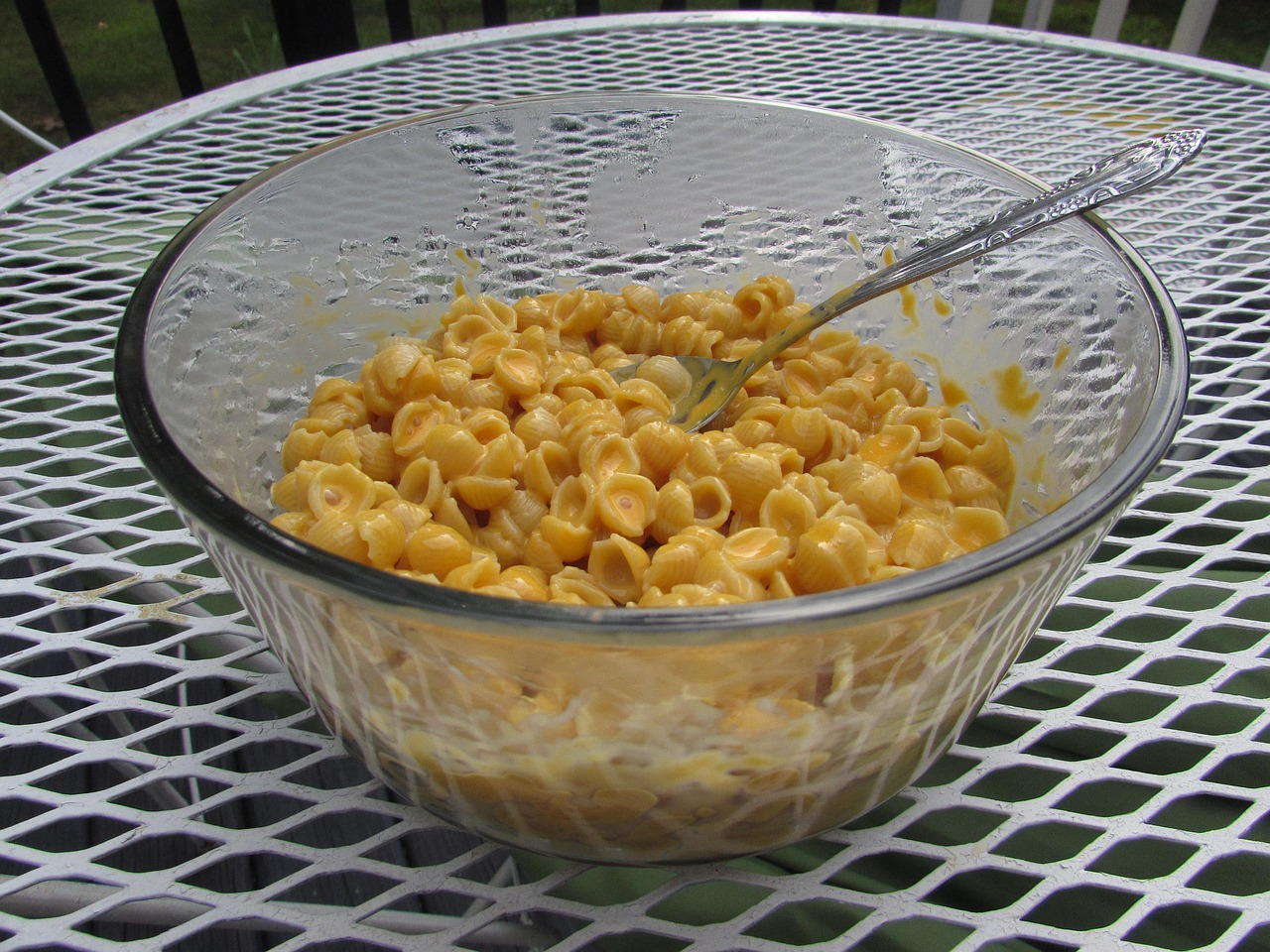
This is just as fast as, and tastier than, a boxed mac and cheese dinner.
Mac and cheese can have protein, fiber, and calcium – and be quick and delicious!
Keep on hand:
Whole-grain elbow or other shape pasta
Velveeta, store-brand canned cheese, or shredded low-fat cheddar cheese
Frozen cubed winter squash or canned butternut squash or pumpkin puree (not pumpkin pie mix)
Milk or unsweetened dairy-free milk substitute like almond milk
How to make it:
Cook the pasta according to the package directions, and drain. Heat the milk in a pot on the stove and melt the cheese into it while stirring (or use the microwave and stir often). Stir in the pureed squash, then mix the pasta with the sauce to serve.
Nutritional supercharge:
Stir fresh spinach leaves or frozen, thawed chopped spinach into the sauce before mixing the sauce with the pasta. It adds fiber, magnesium, and vitamin A.
Did you know?
Many processed cheeses, including Velveeta, are made with real dairy, and they have nutrients like protein and calcium. Be sure to check the label, since some processed cheese products have very little protein or calcium, and are mostly made with oil and starch.
Brown Rice Helper
Try this instead of boxed rice products. You can customize it for more texture and flavor.
Turn fried rice into a nutritionally balanced meal. Use cauliflower rice for more vegetables and fewer carbohydrates.
Keep on hand:
Brown rice (parboiled, minute, or dry)
Low-sodium chicken, beef, or vegetable broth or bouillon
Frozen mixed vegetables, or any other fresh or frozen vegetables
Garlic and onion powder
How to make it:
Cook or heat the rice according to the package instructions. If adding liquid, use broth instead of water. Stir in cooked vegetables when the rice is nearly cooked, season with garlic and onion powder.
Nutritional supercharge:
Add leftover cooked chicken or ground beef, or canned drained beans, for a protein boost and a complete meal. Parents may want a side salad to balance the grains in the main course.
Did you know?
Cooking rice in low-sodium broth instead of water lets the flavor seep in, and reduces the need for salt.
Hamburger Helper
Make your own version of this classic meal helper with more fiber, protein, and fun.
Keep on hand:
Whole-wheat penne, rotini, or other shape noodles
Lean ground turkey, canned tuna, or skinless chicken
Canned diced tomatoes, plain, Italian seasoned, or fire-roasted
Canned or tube tomato paste
Italian seasoning or dried oregano, thyme, and basil
Shredded low-fat mozzarella or cheddar cheese
How to make it:
Cook the pasta according to the package directions, and drain. Brown the ground turkey in 1-2 teaspoons of olive oil, or heat canned tuna or leftover cooked chicken, in pieces, in a skillet. Add tomatoes, tomato paste, and seasoning, then stir in cooked pasta. Top with cheese and let it melt.
Nutritional supercharge:
Chop zucchini or mushrooms and cook them with the ground turkey. They blend in easily, and add fiber and texture.
Did you know?
Adding vegetables into dishes made with protein and pasta can increase the fiber content and reduce the calorie density. You get to eat a bigger portion for fewer calories!
Taco Night Kit
You can make your own taco kit, and it’ll be just as quick and more customizable than a kit that you buy.
Keep your own taco shells, protein, and salsa on hand for taco night – no boxed kit needed!
Keep on hand:
Whole-grain taco shells or whole-wheat flour tortillas
Canned black beans, pinto beans, or refried beans
Taco seasoning packets, low-sodium if preferred, or cumin and chili powder
Jarred or canned salsa
Low-fat shredded Mexican blend or cheddar cheese
How to make it:
Gently heat the beans with taco seasoning or spices, and mash them slightly. Fill tortillas and top with cheese and salsa.
Nutritional supercharge:
Add cooked fish like tilapia or salmon to your tacos, or serve them with shredded lettuce and diced tomatoes.
Did you know?
Beans add protein and fiber, which helps everyone get closer to their fiber goals. The average American gets less than half of recommended amounts of fiber, but fiber helps kids stay full longer and support steadier energy.
Ramen Your Way
Instant ramen is a favorite with kids, but it’s calorie-dense and low in nutrients. Make your own less processed version!
Ramen can be whatever you make it – including high in fiber and protein.
Keep on hand:
Whole-grain ramen, soba noodles, or whole-wheat angel-hair or regular spaghetti
Low-sodium broth
Frozen stir-fry vegetables, or any favorite fresh or frozen vegetables
Low-sodium soy sauce
Eggs or cooked skinless chicken
How to make it:
Bring broth to a simmer. Add noodles and fresh vegetables, and simmer until soft. If using frozen vegetables, add when the noodles are nearly cooked. Add the chicken, or crack an egg into the broth while it cooks. Serve when the egg is cooked.
Nutritional supercharge:
Parents looking for fewer carbs can swap in shirataki (konjac) noodles, or use half noodles and double the vegetables.
Did you know?
Most instant ramen flavor packets are high in sodium, often with than half a day’s recommended limit. Using broth and your own seasonings lets you control the salt while keeping the flavor.
A well-stocked pantry and freezer can turn into your own collection of DIY meal helpers ready whenever your family needs a quick dinner.
If you’re trying to make healthy eating work in real life – and your real life includes things like rushing, child care, or last-minute scrambling – you can learn more about my coaching or schedule a session on my website. I’d love to help you build simple habits that make everyday life healthier and easier.
We’ve already covered why whole grains matter, and about kids falling short of recommendations for whole grain consumption. The last couple of blog posts covered stress-free ideas for whole grains at breakfastand lunch to help close that gap. Now let’s talk about dinner. No matter how tired you are or how picky your kids may be, whole grains can fit into family-friendly meals without much effort. From pasta and tacos to burgers and soup, here are stress-free dinners with whole grains. They also have fiber and protein.
1. Whole-Grain Burger
Whole-grain burger buns are easy to come by, and are often available in store brands. Toast them slightly for a better taste and texture. If your kids like something creamy on them, spread a thin layer of pureed ripe avocado or light trans fat-free margarine spread. Try a lean ground turkey patty, a veggie burger patty, or a black bean burger patty. If your kids won’t go for a non-beef patty, at least serve 93% lean ground beef to reduce saturated fat.
450 calories, 8 grams of fiber, 28 grams of protein
What’s in it: 4 ounces of lean ground turkey, whole-grain bun, 1 cup of vegetables roasted with 2 teaspoons of olive oil, and fruit with a sprinkle of nuts or seeds
Pro Tip: Serve the burger with a fun finger food like baked zucchini or carrot sticks with olive oil and salt to taste, or baked kale chips. Let them dip their vegetables into ketchup.
2. Mac and Cheese
Whole-grain pasta is one of the whole-grain alternatives that’s most palatable compared to refined grains. Keep mac and cheese as a comfort food, but turn it into a healthy meal at the same time by using whole-wheat elbows, rotini, or penne instead of white pasta.
400 calories, 7 grams of fiber, 18 grams of protein
What’s in it: Per serving, 1 cup of cooked pasta, ½ cup of cheese sauce made with low-fat cheese, skim milk, and pureed butternut squash, plus chopped broccoli florets, and fruit.
Pro Tip: Let kids choose their favorite shape of pasta. If they prefer, swap cheese sauce for marinara sauce and parmesan cheese. They’ll still get vegetables, protein, and calcium. For a fun crunch on top, bake the mac and cheese like a casserole and add whole-grain breadcrumbs.
3. Taco Night
Tacos can be a family favorite because they’re easy to make and fun to eat. Serve lean ground turkey plain or with Mexican seasoning. Offer whole-grain corn shells or tortillas, or whole-wheat flour tortillas. Side and toppings like beams, avocado, and grilled vegetables can round out the meal.
Serve ground turkey, chicken, or beans for your tacos. Add sweetness with corn or mango.
500 calories, 10 grams of fiber, 26 grams of protein
What’s in it: 2 whole-grain corn shells, 3 ounces of lean ground turkey, 1 ounce of shredded cheese, side of ½ cup beans, salsa, slices of avocado, grilled onions and peppers
Pro Tip: Serve it as a make-your-own taco bar so kids feel like they have a choice in what they eat. Require them to choose one item from each group to make sure they get their vegetables. Options like homemade salsa with fresh or canned tomatoes, grilled vegetables, and cauliflower rice can be good choices for kids and parents.
4. Stuffed Zucchini Boats
Zucchini is popular among kids. It’s a vegetable that is soft and without strong flavors. Halve zucchini, cook them, hollow them out, and make a tasty filling with the zucchini flesh, tomato sauce, parmesan or mozzarella cheese, and your choice of cooked whole grain like brown rice, whole-wheat pasta, barley, or quinoa. Bake until the cheese is melted.
400 calories, 6 grams of fiber, 16 grams of protein
What’s in it: Per person, serve 1 small zucchini (2 halves), ½ cup of cooked whole grain or ¼ cup of breadcrumbs, marinara sauce, and 1-2 ounces of cheese.
Pro Tip: Whole-wheat breadcrumbs are another good choice for a whole grain. Mix them into the filling along with Italian herbs. For a crunchy topping, add a few sunflower seeds or sliced almonds on top.
5. Savory Zucchini Pancakes
Pancakes for dinner feel like a treat because they’re surprising. Kids can also enjoy the contradiction of breakfast for dinner in the form of savory pancakes. Like the above recipe, this dinner recipe also takes advantage of kids liking zucchini. Add grated onion if your kids want.
Crispy zucchini pancakes for dinner can be a great way to get kids to eat vegetables and whole grains.
380 calories, 6 grams of fiber, 14 grams of protein
What’s in it: For two servings, ½ cup whole-wheat flour, 1 cup grated zucchini, ¼ cup parmesan or mozzarella cheese, 2 eggs, olive oil for frying. Serve with a side of fresh fruit and ½ ounce of nuts or 1 tablespoon of peanut butter.
Pro Tip: Pat the zucchini very dry to get pancakes with a better texture. For a different flavor, experiment with different kinds of cheese like cheddar or feta.
6. Sweet Pumpkin Pancakes
If your kids love breakfast for dinner, try pumpkin pancakes as a contrast to savory zucchini pancakes. The whole grains come from oats. Use whole-wheat flour instead of white for extra whole grains and a heartier texture. Eggs add protein.
460 calories, 8 grams of fiber, 16 grams of protein
What’s in it: For 4 servings, soak 1 cup of oats in 1 cup of warm milk. In another bowl, blend 1 cup of whole-grain or white flour, 2-3 teaspoons of baking powder, 1 teaspoon of cinnamon, 2 tablespoons of sugar, and ½ teaspoon of salt. In a small bowl, beat together 3 eggs and 1 cup of pumpkin puree. Mix everything together, adding 1-1 ½ cups of milk to thin the batter. Beat briefly, then cook on a girdle on each side. Serve with 1 tablespoon of peanut butter and a small apple, sliced.
Pro Tip: Try serving the pancakes with different toppings like sliced banana, cooked berries, yogurt, or cottage cheese. For a treat, cook mini chocolate chips with the pancakes.
7. Chicken Noodle Soup
Homemade chicken noodle soup is easier than you may think, and kids enjoy it. Use whole-grain spaghetti for noodles, keeping them intact if your kids love to play with them. You can make a big batch to refrigerate or store for later.
A hearty bowl of chicken noodle soup can be a balanced meal. Top with cheese for extra calcium.
350 calories, 7 grams of fiber, 17 grams of protein
What’s in it: For four servings, include 4 cups of low-sodium broth, 4 ounces of whole-wheat pasta, 4 cups of vegetables like zucchini, carrots, onions, and green peas, and 2 cups of cooked skinless chicken, diced or shredded. Serve with whole-grain crackers on the side or on top.
Pro Tip: Take shortcuts however you can! Use any leftovers like cooked whole-grain pasta, or swap brown rice if that’s what’s in your fridge. Fresh or frozen vegetables both work fine. Use leftover cooked chicken, or make it with leftover rotisserie chicken. It’s also a great post-Thanksgiving soup for turkey.
How do you add whole grains to dinner or any other meal or snack?