I’ve never liked rain, but read about why I don’t have to dread rainy runs and walks anymore!

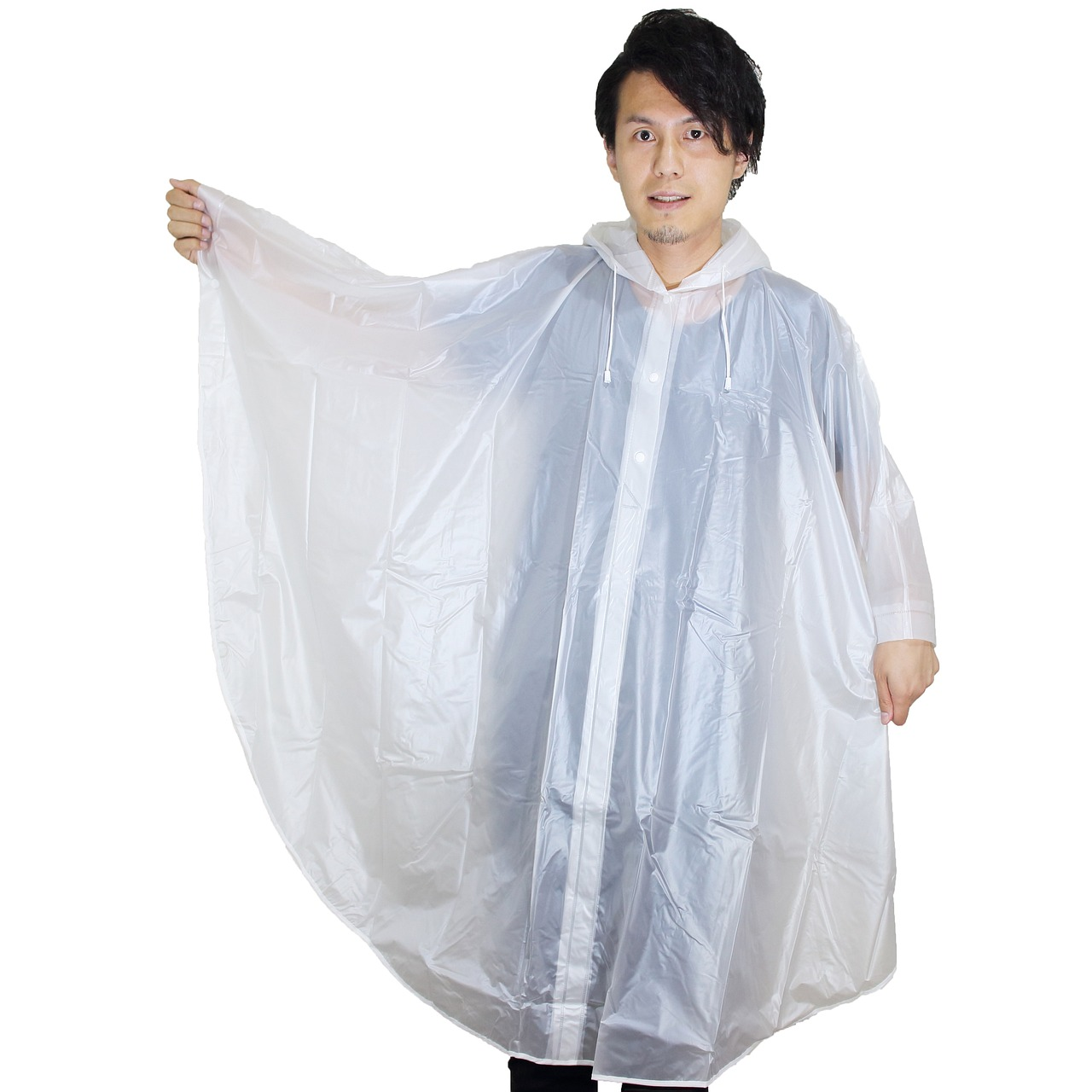
I got a raincoat! Speaking of those small purchases that make a world of difference in your life, this is one of them. I’d never had a raincoat that I liked before now. This new Clear Plastic Raincoat is making all the difference in my attitude towards, and experience during, rainy days.
Why I’m Outside on Rainy Days
I’ve mentioned before that I run even if it’s raining (check out my personal running FAQs if you haven’t already!), and that I don’t have a car (read about how I get around here!). That means I can be outside and get very wet on rainy days.
Thankfully, it doesn’t rain much here. I might run in the rain about 10 times a year. Aside from picking up my son from school, I can usually stay inside the rest of the time it’s raining. However, for those times when I do have to run or go outside in the rain, I get wet. I don’t mind it that much, but when I am wet for too long, I get cold, and that makes it hard to run.
(In case you’re wondering why I don’t just stay inside on rainy days, I don’t like being inside all day. I feel trapped. I have trouble thinking. Luckily, I’m able to walk in our building’s underground and underused parking lot and stay dry).
Bulky Raincoats, Lightweight Ponchos, and Running Jackets Didn’t Work for Me
It took me years to settle on this plastic raincoat. For almost two decades, I didn’t wear rain gear while running in the rain. I probably didn’t care much as a middle school and high school student. By college and graduate school, I was in a place with a true winter, and was probably so happy to be running in summer rain instead of winter snow that I didn’t bother worrying about it.

That changed when I came home (to a warm place!) after graduate school. To stay drier, I tried running jackets that were described as waterproof. They weren’t, but I tried for years.
Then I started wearing plastic ponchos from dollar stores. They were pretty effective, but had some serious flaws. They are intended to be disposable, meaning they tear easily when putting them on and taking them off. They are loud. They act like a parachute because they’re so big and floppy. And, you can’t adjust them if something goes wrong. The rain just comes in.
For the rest of the day, a poncho works, but it has the same problems. It’s hard to manipulate. It’s awkward. And, it doesn’t dry fast, so if you come in from one run or walk and it’s wet, it’s nearly impossible to put it back on within a few hours.
A bulky raincoat is good for walking around, but it’s a bit of a nuisance. The thought of having to put it on makes me not want to go outside.
I needed a solution for running and walking, and for easy use throughout the day. The plastic raincoat was it.
Great Features of My Plastic Raincoat
Here are some features of my raincoat, which I purchased for under $15.
- It has a detachable hood, which I appreciate because I don’t like running with a hood. I wear a cap or visor to keep rain off of my glasses.
- I got a medium size because the reviews said to order a size up. That was appropriate for me, and I can wear my normal clothes underneath it.
- It has nice clear plastic pockets in the front.
- The sleeves snap at the wrists for good fit and better ability to keep long sleeves dry underneath.
It’s super light weight so it doesn’t bother me at all.

Here are more advantages
- The raincoat is easy to put on and take off, even when wet
- It dries quickly
- It lets me adjust a bag or shoes without disrupting my whole run or walk
- It is comfortable and doesn’t flop, drag, or make much noise when I run
- The sleeves are longer and more protective than in a poncho, so my clothes underneath stay dry even if the rain is heavy.
Comparison of a Plastic Raincoat, Plastic Poncho, and Heavy-Duty Rain Coat
| Feature | Plastic Raincoat (clear shell) | Plastic Poncho | Heavy-Duty Rain Coat |
|---|---|---|---|
| Waterproofness | High — full waterproof shell that keeps most rain out. | Variable — lightweight but often gaps at sleeves/neck allow water in. | Very high — purpose-built with sealed seams and durable membranes. |
| Ease of put on / take off | Easy — conventional coat shape makes dressing and undressing simple, even when wet. | Can be awkward once wet — large loose shape is harder to manage on/off. | Moderate — engineered closures, but heavier and bulkier to remove/store. |
| Packability | Very good — lightweight and folds compactly for a bag or pocket. | Excellent — typically folds very small (thin plastic). | Poor to moderate — bulkier; may compress into a stuff-sack but takes room. |
| Breathability | Poor to moderate — non-breathable plastic can trap heat and moisture inside. | Poor — thin plastic traps heat and can lead to clamminess. | Good — often uses breathable membranes (Gore-Tex, etc.) and vents. |
| Mobility / running | Good — fitted shape and sleeve design allow freedom of movement; less flapping. | Poor — flaps and billows; can catch wind and impede movement when running. | Good — designed for activity; articulated cut and secure closures help movement. |
| Durability | Moderate — thicker EVA-style plastic holds up better than disposable options. | Low — very thin, intended short-term use; tears easily. | High — built for repeated long-term use in harsh conditions. |
| Maintenance / cleaning | Easy — wipes clean, air dry quickly. | Very easy — wipe or toss when done; not designed for long-term reuse. | Moderate — machine wash / technical care instructions may apply. |
| Hood security | Good — drawstrings, fitted hood stays put (improves with a cap underneath). | Poor — hood often loose and can blow back; minimal structure. | Very good — structured hoods with adjustable brims and seals. |
| Sleeve length / coverage | Longer sleeves provide real arm coverage and better protection. | Often shorter or open at sides — less reliable sleeve protection. | Excellent — tailored sleeves with cuff closures to seal out water. |
| Style / visibility | Clear option lets your outfit show through; simple aesthetic. | Utility-focused; usually inexpensive-looking. | Range from technical to stylish — many color and cut options. |
| Cost | Low to moderate — affordable and reusable (under $40 typical). | Very low — cheapest single-use option. | High — investment piece (technical materials drive price up). |
| Best use case | Everyday commuting, walking, errands, and rainy runs where packability matters. | Emergency cover, one-off events, or when cost/space are the main concern. | Outdoor work, serious hiking, prolonged wet-weather use, or cold/windy conditions. |
Leave a Reply