Tag: breakfast

  • 10 Stress-Free Ways to Get Your Kids to Eat Whole Grains at Breakfast

    10 Stress-Free Ways to Get Your Kids to Eat Whole Grains at Breakfast

    We talked recently about kids falling short of recommendations for whole grain consumption even though whole grains are so healthy. Now it’s time to look at ways to increase whole grain consumption without adding stress to your life. It’s actually not hard! 

    Whole grains are easy to find and relatively affordable. You can often use them in place of your regular refined grains, and you can usually prepare them just like you would normally prepare a refined grain. Best of all for parents is that they often taste just like refined grains. 

    Let’s start with breakfast. Here are 10 ways to add whole grains to your children’s breakfast routines without stress. Each suggestion has about 350-400 calories, 5-10 grams of fiber, 15 or more grams of protein, and a tip for making it even more family-friendly.

    Stay tuned for the next blog, in which we’ll have 10 ways to add whole grains to lunch and dinner. Good news: you may find yourself eating more whole grains, too. 

    1. Peanut Butter and “Jelly” Oatmeal

    Oatmeal is easy to make and a great go-to for a healthy breakfast. Use rolled oats or instant oats. For an easier clean-up compared to cooking oatmeal in a pan, pour boiling water in a bowl over the oats, let them sit, and then serve. 

    400 calories, 6 grams of fiber, 16 grams of protein

    What’s in it: ½ cup of dry rolled oats, ¾ cup of milk, 1 tablespoon of peanut butter, ½-¾ cup of sliced strawberries or grapes

    Pro Tip: For more of a “jelly-like” experience, cook fruit before stirring it in. Try stewed chopped pear, diced apples stewed with cinnamon, or strawberries or blueberries cooked into a sauce.

    2. Colorful Overnight Oats

    Overnight oats are even quicker than regular oatmeal. Oatmeal softens overnight for a perfectly delicious morning breakfast. Layer the ingredients in single-serving bowls, and refrigerate the oatmeal until the morning. For breakfast on-the-go for grown-ups, make your own overnight oats in a container with a leakproof lid. Grab and go in the morning on the way to school drop-off and work!

    400 calories, 8 grams of fiber, 18 grams of protein 

    What’s in it: ½ cup of dry rolled oats, ½ cup of Greek yogurt, ¼ cup of skim milk, ½ ounce of nuts like chopped walnuts, sliced almonds, or chopped peanuts, ½ cup of berries

    Pro Tip: Use colorful fruit like strawberries, blueberries, kiwi slices, and peach or mango slices for a kid-friendly look. 

    Cottage cheese or yogurt, whole-grain oats or cereal, and any type of fruit can make a beautiful and nutritious breakfast.

    3. Whole-Grain Waffles

    Take advantage of ready-made foods and your freezer to improve your children’s nutrition at breakfast. Whole-grain waffles are fun for kids, and nearly effortless for parents. For a finger food, serve the yogurt separately in a bowl, slice the waffles into strips, and let your kids dip their waffle sticks into the yogurt.

    400 calories, 7 grams of fiber, 19 grams of protein 

    What’s in it: 2 whole-grain waffles, ¾ cup of plain or low-sugar vanilla Greek yogurt, and 1 sliced banana or ¾ cup of any fruit like peach slices

    Pro Tip: Change the flavor profile by skipping the yogurt, and instead toasting 1-2 ounces of low-fat shredded cheddar cheese on the waffles. It’ll still be high in protein. 

    Waffles are easy, delicious, and potentially healthy! Add fruit and yogurt or peanut butter for a nutritious breakfast.

    4. Egg and Cheese English Muffins

    Choose whole-grain, high-fiber, or whole-grain multigrain English muffins. Another option is a whole-grain bagel or mini bagel, or even whole-wheat toast. Serve it cold or hot from the toaster oven. You can also make batches and freeze them for instant breakfasts when you need them.

    350 calories, 5 grams of fiber, 20 grams of protein 

    What’s in it: A whole-grain English muffin, 1-2 slices of low-fat American cheese, 1 cooked egg

    Pro Tip: Add a meatless breakfast sausage for extra protein and fiber. For a more fast food-like sandwich, offer your kids ketchup – but if your kids aren’t the neatest of eaters, consider saving ketchup for weekends or other days when there’s more time to clean up. 

    5. Whole-Grain Breakfast Quesadilla

    A whole-grain breakfast quesadilla is even better than a regular quesadilla because of hearty whole grains and the addition of an egg. Choose low-fat cheese for less saturated fat and more protein.

    400 calories, 5 grams of fiber, 20 grams of protein 

    What’s in it: 2 soft taco-sized tortillas, 2 ounces of shredded low-fat jack or cheddar cheese, and 1 scrambled egg. 

    Pro Tip: For healthy fats and creaminess, spread the tortilla with a layer of mashed ripe avocado before toasting it. Or, cut the quesadilla into strips or wedges, and let your kids dip them into ketchup, salsa, or guacamole. 

    6. Cottage Cheese with Peanut Butter Toast and Fruit

    Boring? No! Many kids love simple foods that are served separately. Plate the items nicely, or put them in small bowls for kids to feel like the components are easier to eat. Swap yogurt for cottage cheese if your kids prefer. 

    380 calories, 6 grams of fiber, 20 grams of protein 

    What’s in it: ½ cup of low-fat cottage cheese, 1 slice of whole-grain toast, 1 tablespoon of peanut butter, 1 banana or other fruit

    Pro Tip: Get your children to buy into it by letting them choose toppings like blueberries, sunflower seeds, or mini chocolate chips.

    7. Whole-Grain Bagel with Cream Cheese and Turkey

    This simple sandwich is easy and well-loved. Use low-fat cream cheese and nitrate-free turkey slices. Serve the bagel thin with grapes or other fruit. 

    400 calories, 5 grams of fiber, 14 grams of protein 

    What’s in it: 1 whole-wheat bagel, 2 tablespoons of low-fat cream cheese, 1 ounce of turkey breast, and 1 cup of grapes

    Pro Tip: Let kids who are old enough press the sandwich with a waffle iron or panini maker. For a meltier sandwich, use sliced cheese instead of cream cheese.

    8. Quinoa Breakfast Bowl 

    Quinoa may sound grown-up, but kids can enjoy it, too. Add quinoa, egg, sliced almonds, and fruit to the bowl. 

    400 calories, 7 grams of fiber, 14 grams of protein 

    What’s in it: 1 cooked egg, ½ ounce sliced almonds, ¾ cup cooked quinoa, ½ cup fresh fruit

    Pro Tip: If they’re not crazy about trying quinoa, give kids whole-wheat pasta or cooked oatmeal instead. They’ll still get whole-grain goodness, and you can enjoy a low-stress meal. Serve a plant-based version for dinner by swapping the egg for ½ cup of black beans. For another high-protein option, add 3 ounces of cooked cubed chicken breast or ground turkey.

    9. Oatmeal Pancake Breakfast

    Save this breakfast for a relaxed weekend, or make extra pancakes to refrigerate or freeze. Reheat them when you need them. Keep the pancakes plain, or add sliced banana when cooking. Your kids can also top them with fun items like mini chocolate chips or sprinkles. 

    400 calories, 6 grams of fiber, 15 grams of protein 

    What’s in it: For 4 servings of pancakes, soak ½ cup of oatmeal in ½ cup of warm milk, then mix it with 2 beaten eggs, ½ cup of whole-grain flour, 2 teaspoons of baking powder, ½ teaspoon of salt, and another ½ cup of milk. Serve pancakes with an egg or cottage cheese plus fresh fruit. 

    Pro Tip: For an on-the-go breakfast or an alternative to a breakfast platter, make sandwiches using pancakes instead of bread. Add peanut butter, cheese, or low-fat cream cheese. 

    10. Cereal, Banana, and Milk

    400 calories, grams of fiber, grams of protein 

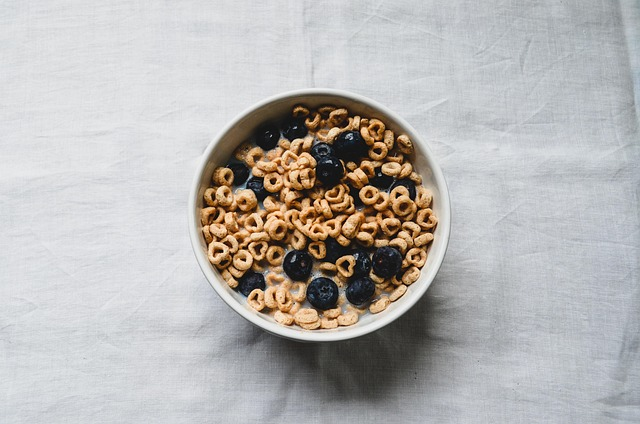
    A healthy breakfast with whole grains can be really simple. Pour cereal into a bowl. Add a sliced banana. Pour milk over it. Serve. Choose a cereal that says, “100% whole grains” on the box. Look for a version with less than 4 grams of sugar per serving. Low-sugar, high-protein whole-grain granola or cereal can be a good choice, too. Choose skim milk or unsweetened soy milk to add protein; almond milk doesn’t have much.

    What’s in it: 1 ½ ounces of whole-grain, low-sugar cereal (like 1 ½ cups of plain Oat O’s, ¾ cup of shredded wheat bites, or ¾-1 cup of bran flakes), 1 sliced banana, 1 cup of skim milk

    Pro Tip: Instead of milk, try it with ½ cup of low-fat cottage cheese or 1 cup of plain non-fat yogurt.

    How do you get your children to start the day with a whole grain? Share your tips, and stay tuned for lunch and dinner whole-grain tips!

  • Quick and Healthy Kid-Friendly Breakfast-for-Dinner Ideas (Recipes 6–10)

    6. English Muffin Egg Pizza

    290 calories, 17 grams of protein, 3 grams of fiber

    Prep tips: Spread marinara sauce on whole-grain English muffin halves, or use whole-wheat tortilla or sliced whole-wheat bread as a base. Distribute whisked eggs or egg whites. Add sliced tomatoes or diced vegetables and top with low-fat shredded cheese. Toast or broil until the egg is cooked. 

    English muffin pizzas can be topped with any number of great options like eggs, cheese, and spinach.

    Why it’s great: Kids love pizza in all forms, and this is a high-protein, low-fat option with minimal clean-up.

    Nutritional highlights: It’s high in protein and calcium, and adding tomatoes and tomato sauce adds lycopene and fiber. 

    7. Sweet Breakfast Pasta Bowl

    280 calories, 10 grams of protein, 5 grams of fiber

    Prep tips: Toss cooked whole-grain pasta with plain yogurt or Greek yogurt, or use cottage cheese if you prefer. Stir in sliced or mashed banana and fresh or frozen berries, and serve warm or cool. Add a sprinkle of seeds or nuts if desired. 

    Why it’s great: Kids can enjoy a sweet dinner, while grown-ups can appreciate using leftover pasta and fresh or frozen fruit. 

    Nutritional highlights: It’s a source of whole grains, calcium, antioxidants, and fiber. 

    8. Chicken Egg Cups

    250 calories, 20 grams of protein, 2 grams of fiber

    Chicken egg cups freeze nicely and make fun finger foods. Add more egg whites for extra protein, or stir in blueberries for a sweet surprise.

    Prep tips: Chop and cook vegetables like spinach, tomatoes, zucchini, corn, carrots, bell peppers, and peas. Frozen thawed vegetables and leftover vegetables also work. Toss beaten eggs with vegetables in a bowl. On a separate cutting board, dice cooked skinless chicken and place it in sprayed, lined muffin tin cups. Pour the egg mixture over it, and bake for 15-20 minutes or until the eggs are set. Serve on their own or with fruit, whole-grain crackers, or mini bagels.

    Why it’s great: Parents love that it’s high in protein for the kids, low in carbs for adults, and a delicious way for everyone to eat more vegetables. Kids love that it’s a finger food and full of colorful vegetables.

    Nutritional highlights: It has two sources of protein – chicken and egg – and is low in carbohydrates. 

    9. Apple Cheddar Quesadilla

    270 calories, 12 grams of protein, 4 grams of fiber.

    Prep tips: Slice or dice apples. Add low-fat shredded cheddar or any other cheese to whole-grain tortillas. Sneak in diced tomatoes or chopped spinach if desired. Top with another tortilla and toast. Cut into wedges to serve. 

    Fill whole-grain tortillas with cheddar cheese and add sweet apples or colorful vegetables for a wholesome dinner.

    Why it’s great: Kids love quesadillas with melty cheese. Adults can enjoy contrasts like salty, creamy melted cheese and sweet, crunchy apples.

    Nutritional highlights: Calcium for bones, protein and fiber for fullness

    10. Avocado Cottage Cheese Toast Sticks

    320 calories, 12 grams of protein, 5 grams of fiber

    Prep tips: Puree ripe avocado with cooked broccoli florets and low-fat cottage cheese to make a creamy dip. Slice whole-grain bread into strips, toast it, and serve. Alternatively, serve brown rice cakes or whole-grain crackers for dipping.

    Why it’s great: Kids can enjoy a green, creamy dip and the experience of dipping for dinner, while grown-ups can also dip vegetables for additional nutrients. 

    Nutritional highlights: The dip has healthy fats, vitamin E, and protein.

    These five new ideas add more ways to get nutritious, appealing dinners on the table fast. They can fuel growing kids and healthy adults, while bringing comfort and joy due to breakfast elements at dinner. Remember to check recipes 1-5, and watch for breakfast-for-dinner recipes 11-15 coming soon!

  • Quick and Healthy Kid-Friendly Breakfast-for-Dinner Ideas (Numbers 1–5)

    Try “breakfast for dinner” when you want to put a smile on your children’s faces but you need something quick, easy, and healthy. Use classic breakfast components like eggs, pancakes, waffles, and even boxed cereal, but give them a twist for dinner. The following 5 meals can liven up your dinner table, and each has fiber, protein, and at least 1-2 servings of fruit or vegetables. 

    If you missed it, here are our previous healthy dinner tips for families!

    1. Pasta Frittata

    300 calories, 18 grams of protein, 4 grams of fiber

    Why it’s great: Kids can enjoy it as a finger food when you slice it, and adults can appreciate using leftover pasta and having a one-pot meal. 

    Prep tips: Use leftover cooked whole-grain pasta like spaghetti or penne. Stir it gently with beaten eggs and diced vegetables such as spinach, tomatoes, or cooked diced carrots or frozen peas. Baked in a pan until the eggs are set. Slice to serve. Add tomato sauce and parmesan cheese if desired. 

    Eggs with vegetables are already a favorite food – add pasta to make them more balanced and exciting!

    Nutritional highlights: Eggs have protein, and whole-grain pasta and vegetables have fiber.

    2. Cheesy Oatmeal

    420 calories, 12 grams of protein, 5 grams of fiber

    Prep tips: Cook oatmeal as usual. Stir in a bit of milk or almond milk and some low-fat cheddar cheese just like you were making a low-fat cheese sauce for mac and cheese. Add chopped broccoli florets or peas for vegetables. Kids who like crunch may also enjoy a topping of sunflower seeds or chopped peanuts. 

    Why it’s great: Oatmeal is familiar and friendly, just like mac and cheese. This cheesy whole-grain dish is simple to make in minutes. 

    Nutritional highlights: Fiber, protein, and calcium come together without a fuss.

    3. PB and Stewed Apples on Bagel

    420 calories, 12 grams of protein, 5 grams of fiber

    Prep tips: Chop or slice apples and stew them in a bit of water on the stovetop or in the microwave. Leave them plain or add cinnamon. Puree into applesauce if you prefer, or leave the apples in chunks. Spread peanut butter on whole-grain bagel halves, and top with apples. 

    Why it’s great: It’s easy, inexpensive, and guaranteed to be a hit. 

    Nutritional highlights: Enjoy a PB and ”J” sandwich with no added sugars. Whole-grain bagel, apple, and peanut butter all add fiber. 

    4. Breakfast Tacos

    270 calories, 15 grams of protein, 4 grams of fiber

    Prep tips: Scramble eggs or egg whites with spinach, diced bell peppers, or other vegetables like cut cooked green beans or grated zucchini. Spoon into whole-grain corn taco shells, and top with blueberries or other fruit.

    Why it’s great: It’s a balanced meal that offers portion control, protein, and fiber, and kids love crunchy taco shells and the fun contrast of savory tacos with sweet fruit. 

    Nutritional highlights: Vegetables add fiber, vitamin C, and potassium, while eggs provide every essential nutrient except vitamin C. 

    5. Zucchini Carrot Ribbon Pancake Wraps

    Prep tips: In a bowl, combine beaten eggs with grated zucchini and carrot, whole-wheat flour, and salt and pepper. Stir briskly to blend into a thin batter; don’t overbeat. Cook thin pancakes in a pan with cooking spray. Wrap them around shredded low-fat melted cheese, cottage cheese, or cream cheese to serve. Kids may also enjoy crunchy whole-grain cereal like plain Cheerios or shredded wheat. 

    Stuff egg-based vegetable pancakes with protein, and your kids may not realize they’re getting a healthy dinner!

    Why it’s great: Pancakes feel like breakfast, but they’re savory and fun to eat. A “side” of cereal can be an even more special treat. 

    Nutritional highlights: These pancakes have protein, vegetables, fiber, and calcium, but your kids will love them. 

    Try these recipes, and customize them your way or however your children like. Add protein with turkey or meatless sausage or bacon, ground turkey, or chicken, or swap different fruits and vegetables. Make them family favorites however you like!

    Stay tuned for more breakfast-for-dinner ideas to keep yourself sane, your children happy, and your family healthy!