Tag: cooking

  • 6 Top Family Dinners – Made Healthier Without Complicated Recipes

    6 Top Family Dinners – Made Healthier Without Complicated Recipes

    Many parents want to cook healthy for themselves and their children, but that can be challenging. Kids can be picky eaters, and parents may worry that it’ll take time or gourmet cooking skills to get a healthy meal on the table. For ideas, check out whole grain dinners, breakfast for dinner, and kid-friendly dinners. And keep reading right here!

    But in reality, it can be simple to prepare healthy meals that kids accept. Just start with your typical rotation of kid-friendly foods, whether it’s chicken nuggets, mac and cheese, or baked spaghetti. Then swap and add to increase the nutrient content while keeping the fun and flavor in the dish. 

    The result can be a set of simple meals that please and fuel the whole family. These small changes help support steady energy, fullness, and overall nutrition, without taking much effort on your part or turning mealtimes into battles. 

    Below are seven familiar dinners with simple upgrades that keep meals easy and family-friendly.

    1. Easy Baked Chicken Nuggets With Yellow Corn and Green Broccoli

    Chicken nuggets are a weeknight staple in many homes, since kids love them and they take only minutes to prepare from frozen. With a few simple changes, you can turn chicken nuggets into a meal you feel proud to serve. 

    Use whole-grain breading, bake the nuggets instead of frying them, and serve them with yellow corn – a familiar and favorite side for kids – and their choice of vegetable, such as broccoli florets or green beans. Fresh or frozen chicken tenderloins are skinless, easy to handle, and lean.

    Chicken nuggets – the ultimate finger food made healthy!

    Approximate nutrition per serving: 420 calories, 28g protein, 5g fiber

    What’s in it:

    3–4 baked chicken nuggets (from chicken tenderloins)

    ½ cup of corn

    Steamed broccoli florets, fresh grape tomatoes, or any other non-starchy vegetable

    Optional: ketchup, marinara, or BBQ sauce for dipping

    How to make it:

    1. Preheat oven to 400°F. Grease a cooking sheet with cooking spray.

    2. Cut the chicken tenderloins into nugget-size pieces, or leave them as is for “chicken fingers.”

    3. Dip chicken in beaten egg or egg white.

    4. Coat in rolled or instant oats or whole-wheat breadcrumbs with a pinch of salt and garlic powder.

    5. Place on the baking sheet and bake for 12–15 minutes until cooked through.

    6. Serve nuggets with corn and vegetables on the side.

    Family tip:

    Serve the nuggets and sides separately on the plate. Kids love eating nuggets with their fingers, and they usually like foods separate. Try serving a dip in a small bowl to make it easier. Kids may enjoy helping you dip the chicken in egg white and breadcrumbs – just make sure you wash their hands well!

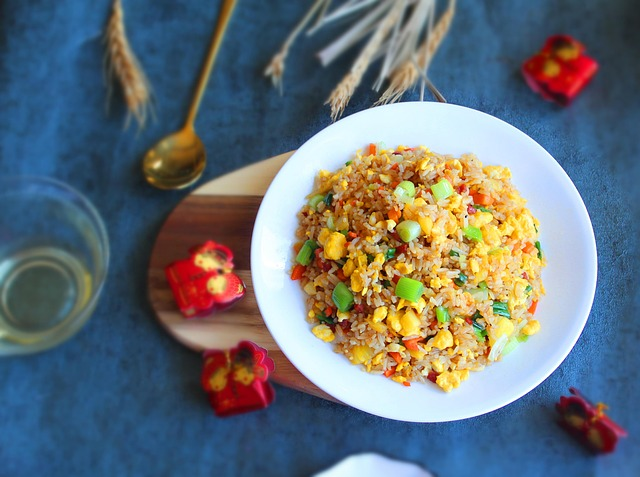
    2. Brown Rice Fried Rice With Egg

    Many kids love grain, and fried rice is an easy dish for parents to prepare. It uses leftover rice, fresh, frozen, or leftover vegetables, eggs, and fresh or leftover chicken or other protein. With brown rice, lean proteins, and extra vegetables, this dish can be more nutritious than what you might order in a restaurant. 

    No need to order in – make your own feel-good fried rice! Optional: pineapple chunks for natural sweetness.

    Approximate nutrition per serving: 400 calories, 18g protein, 5 g fiber

    What’s in it (per serving):

    • ¾ cup cooked brown rice
    • 1 egg
    • (Optional) 2-3 ounces of cooked protein like salmon, chicken, or tofu in small pieces.
    • ½ cup frozen mixed vegetables
    • Soy sauce or teriyaki sauce

    How to make it:

    1. Heat 1-2 teaspoons of sesame, canola, olive, or other vegetable oil in a skillet, or use cooking spray.

    2. Add vegetables and cook until warmed through.

    3. Push veggies to the side and scramble the egg.

    4. Stir in cooked rice and additional protein if using, and add soy sauce or teriyaki sauce.

    Family tip:

    If mixed vegetables feel overwhelming, start with just peas, carrots, or corn, and add others gradually. Parents can serve their own rice with additional vegetables. 

    3. Whole-Wheat Spaghetti With Meat Sauce

    Spaghetti with meat sauce is a basic food for many families! With just a few swaps, it can also be one of the most balanced, simple meals possible. Whole-grain pasta can be a good introduction to whole grains because it tastes similar to white pasta. Use turkey instead of beef in the meat sauce, and add any vegetables you can to the sauce – sliced mushrooms, chopped carrots, or pureed pumpkin are favorites. 

    Spaghetti and meat sauce is a perennial favorite – add nutrients and enjoy!

    Approximate nutrition per serving: 450 calories, 24g protein, 8g fiber

    What’s in it (per serving):

    • 1 cup cooked whole-wheat spaghetti (2 ounces dry)
    • Lean ground turkey, vegetable/soy protein, or lentils
    • Canned or jarred pasta sauce (marinara, mushroom, or similar)
    • Parmesan cheese

    How to make it:

    1. Cook pasta according to package directions.

    2. Brown ground turkey or prepare the vegetable protein or lentils.

    3. Stir in the marinara sauce and simmer for 5 minutes to heat thoroughly.

    4. Serve sauce over pasta and top with parmesan.

    Family tip:

    Let kids add their own parmesan cheese. It’s fun! Parents who are looking for a lower-carbohydrate meal can keep pasta to ½ cup or use spiralized zucchini or spaghetti squash instead of pasta. 

    4. Healthier Baked Penne

    Baked penne is a comfort food, but it can be a healthy choice! Use whole-grain pasta in whatever shape your kids want – penne, spaghetti, or elbows. Low-fat cottage cheese and low-fat mozzarella cheese add flavor, protein, and calcium. For more vegetables, be generous with the marinara sauce, and consider adding fresh chopped or canned diced tomatoes or any other vegetables. Add cooked chicken breast or lean ground turkey if desired. 

    Approximate nutrition per serving (without extra chicken or turkey): 350 calories, 15g protein, 7g fiber

    What’s in it (for 4 servings):

    8 ounces (4 cups cooked) whole-wheat pasta

    2-3 cups of marinara sauce

    2 cups of low-fat cottage cheese or ricotta

    ½-1 cup (2-4 ounces) of low-fat shredded mozzarella cheese

    How to make it:

    1. Cook spaghetti and drain.

    3. Combine pasta, sauce, and cottage cheese in a baking dish.

    4. Top with mozzarella and bake at 375°F for ~20 minutes.

    Family tip:

    Stir in finely chopped spinach or mushrooms. They disappear into the sauce.

    5. Easy Whole-Grain Mac and Cheese With Veggies

    What kid doesn’t love mac and cheese? Don’t worry about making it from scratch. With this simple recipe, you don’t need to make a roux or flour-based sauce. Just melt low-fat cheese into milk and add it to the pasta for a melty, creamy dish. Stir in disappearing vegetables like pureed squash, or add favorite vegetables like sliced zucchini, cauliflower florets, or cooked diced carrots. 

    Mac and cheese can be as healthy as you want it to be!

    Approximate nutrition per serving: 360 calories, 17 protein, 6g fiber

    What’s in it (per 4 servings)

    4 cups cooked whole-grain elbow pasta (8 ounces dry)

    1 ½ cups (6 ounces) shredded low-fat cheddar, mozzarella, or Mexican blend cheese

    ¾ cup skim milk or milk substitute, or use the cooking water from the elbows

    2-4 cups of vegetables

    How to make it:

    1. Cook whole-grain elbow pasta according to package directions.

    2. Drain and return pasta to the warm pot.

    3. Stir in milk and shredded cheese until melted and creamy.

    4. Mix in cooked vegetables

    5. Add salt and pepper to taste

    Family tip:

    Let your kids help if they want. It’s fun to melt cheese and stir it into pasta.

    6. Lighter Tuna Noodle Casserole

    This classic comfort meal becomes a balanced meal in a pan with whole-grain noodles, protein-packed tuna, and extra vegetables.

    Approximate nutrition per serving: 350 calories, 25g protein, 6g fiber

    What’s in it (4 servings):

    4 cups cooked whole-grain noodles (8 ounces dry)

    2 5-ounce cans of tuna, drained

    2 cups of frozen peas

    1-2 cups of sauteed onions, mushrooms, and/or celery

    1 can of low-fat cream of mushroom soup

    How to make it:

    1. Cook noodles according to package directions.

    2. Mix noodles, tuna, vegetables, and sauce in a baking dish.

    3. Top with breadcrumbs if desired.

    4. Bake at 375°F for ~20 minutes.

    Family tip:

    If casseroles feel too mixed for some kids, serve the components separately the first few times. If you can’t get your kids to love tuna, make the casserole with chicken or lean ground turkey.

    Small Changes Add Up

    Healthy family meals can be simple, affordable, and enjoyable. It can be as easy as taking your favorite meals and making nutritious swaps and additions. The result can be meals that are kid-friendly and a source of vegetables, protein, and other nutrients. 

    If you’re looking for more support creating healthy and realistic meals for your household – or support for your own health and weight management – please sign up for nutritional counseling. We can work towards your goals, your way!

  • How and Why My Son Taught Me to Make Pesto

    My son recently came out of school and informed me that we had to buy basil. Thrilled that this greeting was far less hostile than some of the greetings I get at pick-up (typically ranging from nothing on a good day to a shove or a proclamation that I’m not going to let him to something-or-other on a less good day), I asked him why. He said that his class had made pesto in Garden class, and he wanted to make it at home.

    Our pesto turned out beautiful!

    I was happy about this, though his enthusiasm doesn’t always pan out. Last year, he wanted me to buy chard because they’d grown and tasted it at school. Not surprisingly, he liked it as little when I bought it for him as he had liked every time before that. And when he wanted celery, I was happy to buy him some. He hated it, just like he always had. But I understand the excitement of producing it yourself and having it under a different set of circumstances. 

    Gardening Class in Elementary School!

    My son goes to a public school, but it has a lot of elements that go far beyond your typical public school. Parent donations go a long way, including funding a garden and even a teacher for Garden. Each class goes once a week. Students might plant seeds, weed, water, or harvest. They usually also get some sort of lesson relating to how plants grow or how to use what they harvest. 

    I didn’t get to see the basil growing in my son’s school’s garden, but maybe it looked something like this.

    Getting the Pesto Ingredients

    We needed to purchase fresh basil and garlic. The timing was good, as my son was a bit sick. We needed something to do after school that didn’t require much energy, so we borrowed my parents’ car and went to a nearby supermarket for two bunches of basil and one head of garlic. 

    When we dropped off the car at my parents’ house, we took further advantage of their kindness – without asking, of course, since they were out of town. We took the rest of the ingredients we needed, including olive oil and chopped pecans, which were the closest substitute we could find to pine nuts or walnuts. We also took the remainder of a bag of Italian shredded 5-cheese blend to substitute for parmesan cheese. 

    Making the Pesto (1 Week Later)

    We delayed the actual production of pesto due to my son’s illness. Since he had barely eaten for several days by the time we assembled the ingredients, I asked if he wanted to wait to make the pesto so that he could enjoy it more when it was ready. He chose to wait.

    A few days later, when he was eating more normally, it was time to make the pesto. He got out the blender and the ingredients, assembled the blender, and plugged it in. I peeled a head of garlic and cut off the end, but he did the rest. He took the basil leaves off their stems and put them and the other ingredients in the blender, including carefully pouring in the olive oil. 

    My son said they’d used a hand cranked vegetable processor at school, so we didn’t know what setting to use on the blender. We decided to pulse it. He pulsed the blender and alternated pulsing with using a very long drink mixing spoon to stir. 

    For some reason, the head of garlic remained completely intact. He took it out of the blender and minced it with a knife on the cutting board. As a left-hander who didn’t have much knife experience, he looked kind of awkward, but he did a beautiful job. Then he put the minced garlic back in the blender and pulsed another few times.

    We don’t have a garlic press, but my son minced the garlic beautifully with a knife.

    He poured the pesto into a container, and I had the privilege of cleaning up. If anyone has any tips for washing olive oil-based foods off of dishes and utensils, please let me know! Olive oil is so greasy!

    Results: Taste and Emotions

    We both thought the pesto was delicious. Warning for those of you who are foodies: we’re not connoisseurs. We like most foods, even if they’re not traditional or perfect. But the pesto was tasty, the texture was nice, and it had been made with love and pride. We didn’t have it on pasta or any other food you might associate with pesto. Dinner included swai, sweet potato, watermelon, and zucchini. There was enough left over for a few more meals.

    It was nice to see my son proud of himself for a job well done. He told his grandparents about it, and even got to show them it while he was eating lunch while video chatting with them. 

    My son feeds off of himself. If he feels guilty or ashamed, he gets angry with himself and makes it worse. He can work himself up into a terrible state. On the other hand, when he’s proud and in control, his best self shines through. That was a beautiful gift of this pesto experience. 

    How do you let your kids be their best selves? 

    Pesto Recipes

    Traditional Pesto Recipe Our Pesto Recipe
    • 2 cups fresh basil leaves
    • ½ cup grated Parmesan cheese
    • ⅓ cup pine nuts
    • 2 cloves garlic
    • ½ cup extra-virgin olive oil
    • Pinch of salt
    • 2 bunches fresh basil leaves
    • ½ cup shredded Italian cheese blend
    • ⅓ cup chopped pecans
    • Garlic to taste (we used 1 peeled minced head of garlic — adjust as desired)
    • ½ cup olive oil
    • Pinch of salt
    Instructions
    1. Add basil, cheese, nuts, garlic, and a pinch of salt to a blender or food processor.
    2. Pulse a few times to begin breaking down the ingredients, then stream in olive oil while blending to reach your desired consistency.
    3. Stop and scrape the sides as needed; adjust seasoning to taste.
    4. Transfer pesto to a container and store in the refrigerator. Use with pasta, as a spread, or a dip.

    Approximate nutrition information per 1/6 of recipe: 180 calories, 18 grams of fat, 3 grams of saturated fat, 10 mg cholesterol, 2 grams of carbohydrates, 1 gram of fiber, 0 grams of sugar, 3 grams of protein

  • 5 Quick and Healthy Kid-Friendly Dinners With Plenty of Protein

    Does making dinner ever feel like a struggle? If you’re anything like me, you don’t feel like cooking much, but eating out isn’t an option. Instead, it’s time for a family-friendly, nutrient-rich meal that’s appetizing for the whole family, and takes almost no effort. We already posted about family-friendly meals like healthy hot dogs and hamburgers. Here are five more dinner ideas that have protein and other nutrients for kids’ growth and development, while being right in line with grown-ups’ weight management goals. 

    English Muffin Pizzas

    2 English muffin halves with marinara sauce, shredded mozzarella, and turkey pepperoni can have about 350-400 calories and 15-20 grams of protein.

    Most kids love pizza, even when it’s a healthier version than delivery. English muffin pizzas are among the oldest tricks in the book for a quick, tasty, and healthy lunch or dinner. Add marinara sauce and low-fat shredded mozzarella cheese to whole-grain English muffin halves. Whole-grain sliced bread, whole-wheat pita, and whole-wheat tortillas are also good options.

    Some children like pizza plain. Others may prefer to add meatless or turkey pepperoni. Some may enjoy branching out a bit with items like sliced olives, diced cooked chicken, and pineapple chunks. 

    Let your kids make their own pizzas with healthy options that you provide, and you can all be happy with a balanced and easy dinner.

    For a side, serve colorful vegetables like bell pepper strips, carrot sticks, sugar snap peas, and cucumber sticks. Offer a healthy dip like hummus or light ranch dressing. Another good option is marinara sauce. It adds another serving of vegetables, and kids love it. 

    Spinach and Bean Quesadillas

    A quesadilla with a whole-wheat tortilla, low-fat shredded cheese, spinach, and black beans can have about 400-450 calories and 15-25 grams of protein

    These quesadillas are a kid favorite made healthy with whole-wheat tortillas and low-fat cheese instead of refined tortillas and full-fat cheese. Add extra protein with black beans or chicken. For grown-up tastes, tuna is another option.

    To make: top a whole-wheat tortilla with low-fat shredded mozzarella or other cheese and spinach or tomatoes. Add black beans or diced chicken if desired. Cover the tortilla with another tortilla, and toast it. Serve half of the quesadilla at once. 

    Whole-grain tortilla, low-fat cheese, and spinach leaves combine to provide a wholesome quesadilla. Add chicken, fish, or black beans for more protein.

    For vegetables, add spinach leaves or tomatoes inside the quesadillas. If your children don’t want vegetables inside the quesadilla, add a side of fresh salsa made with tomatoes, lime juice, onion, and cilantro.

    Baked Chicken Tenders

    A 3-oz portion of chicken baked with oat coating has about 250 calories and 26 grams of protein. 

    If you’re lucky, your children enjoy plain chicken. If not, it’s okay. It’s not hard to turn skinless chicken breasts or tenderloins into healthy versions of breaded chicken nuggets or tenders.

    Start with thin strips of skinless chicken,  or cut chicken into nugget-sized pieces. Dip them into beaten egg or egg white, and then into a whole-grain coating like crushed shredded wheat, instant oats, or whole-grain breadcrumbs. Before dipping the chicken, you can season the coating by mixing it with your choice of salt, pepper, parmesan cheese, or any spices or herbs you like. Place the chicken on a sprayed cookie sheet and bake it at 400 degrees for 20-25 minutes or until the chicken is cooked through.

    Coat chicken with whole grains and bake them for a more nutritious version of this kid favorite.

    Serve the chicken on whole-grain bread or rolls, or let your children eat it as a finger food with sweet potato and zucchini sticks that you bake with the chicken. 

    Chicken or Bean Taco Bar

    A taco with 2 ounces of chicken, lettuce, tomato, salsa, guacamole, and low-fat shredded cheese has about 360 calories and 29 grams of protein.

    Tacos can be great for kids and adults. 

    Here are some reasons why.

    • They are simple and versatile, so they’re easy for grown-ups to prepare and to serve.
    • They’re more manageable for kids than something larger like a burrito.
    • They’re a great DIY dish when you offer a taco bar.
    • They can be nutritious and high in protein, fiber, and healthy fats.

    With all of these benefits, a taco bar may become a regular event in your home.

    Set out appetizing ingredients like fish or chicken, lettuce or cabbage, and mango or corn, and let your children make their own healthy tacos in whole-grain shells or tortillas.

    For your bar, set out whole-grain taco shells or whole-grain corn tortillas. Whole-wheat flour tortillas work, too; select soft taco-sized tortillas for portion control. Offer toppings like chicken or beans for protein, lettuce and tomato for freshness, and salsa, guacamole, and low-fat shredded cheddar, jack, or Mexican-style cheese for flair.

    For protein, chicken is usually a hit. Try leftover shredded rotisserie chicken, or bake your own chicken, shred it, and mix it with taco seasoning or spices like cumin, chili powder, and paprika. If you and your kids prefer, offer shrimp or a mild fish like tilapia or swai. Plant-based protein ideas are black beans or fat-free refried pinto beans.

    Yellow corn is a beautiful side dish. Offer corn on the cob if it’s in season. Kids may prefer you to cut the kernels off the cob before serving it. Frozen corn works fine, too. If you opt for canned corn, choose non-creamed corn and opt for a version without added sugars. Corn is already sweet!

    For grown-up tastes and additional vegetables that aren’t starchy, try grilled peppers and onions, sauteed zucchini and yellow squash, or roasted broccoli florets. Or, just serve extra lettuce and tomatoes with some salsa. It’s a low-calorie, delicious side dish. 

    Eggy Fried Brown Rice

    A serving (¼ of a recipe) has about 300 calories, and 18 grams of protein.

    Fried rice has a blend of textures and colors. It’s easy because you can use leftover rice and frozen vegetables, and it works for vegetarians. You can have just eggs and egg whites for protein, or add chicken, tofu, shrimp, or fish if you want. Season it how your kids like – whether with soy sauce, ginger, and garlic powder, or with store-bought teriyaki sauce. 

    Use bright vegetables and familiar eggs for a nutritious dish. Swap whole-wheat spaghetti or elbows for brown rice if your children prefer pasta.

    For 4 people, scramble about 2 eggs and 6 egg whites in a pan using cooking spray or 1-2 teaspoons of olive or canola oil. Take the eggs out of the pan and set them aside. Heat another 1-2 teaspoons of olive and add a diced onion. Cook for 4-5 minutes. Add 1-2 cups of frozen or cooked vegetables like peas, diced carrots, chopped zucchini, or chopped broccoli florets. Heat, add 2-3 cups of cooked brown rice, and heat thoroughly. Add the eggs back in, and toss with seasonings like soy sauce, ginger, and garlic powder, or serve with teriyaki sauce. 

    This dish has whole grains, protein, vegetables, and healthy fats. It’s already balanced! If you’re trying to reduce carbs, use riced cauliflower instead of brown rice. For more crunch, protein, fiber, and healthy fat, add chopped peanuts or almond slices to the pan, or sprinkle them on top when serving. For a light accompaniment for grown-up appetites, serve with steamed or stir fried broccoli florets.

    These dinners are easy, versatile, and full of nutrients for kids and adults. What are your balanced and easy dinner staples?

  • Healthy Hot Dogs and Hamburgers for Kids and Parents: Quick & Family-Friendly Ideas

    Hot dogs and hamburgers are easy, quick, and kid favorites, but they can be among the least healthy choices for a family meal. Still, with a few swaps, you can make them healthier. Healthy hot dogs and burgers with high-fiber sides can be easy to make and kid-friendly. Here are tips for cutting back on saturated fat and refined carbs and adding protein and fiber, while keeping kids’ tastes buds in mind. 

    Choose a Healthier Hot Dog

    A standard beef or pork hot dog is high in saturated fat and cancer-causing nitrates. It’s not even that high in protein, with 5 grams of protein, or 10% of the daily value, in a classic wiener. Protein helps your kids grow and it helps you stay full for longer, which makes weight management easier. 

    Turkey franks are slightly better. They’re lower in saturated fat and don’t have red meat, which is linked to heart disease risk. But they’re still not great. They have cancer-causing nitrates just like beef dogs do, and they only have 5-6 grams of protein.

    For a much healthier choice, try veggie dogs. They’re free from nitrates and cholesterol, and they’re low in saturated fat. They’re also higher in protein. A jumbo veggie dog, for example, has about the same amount of calories as a beef or turkey dog, with 100 calories, but it has no nitrates, no cholesterol, and 14 grams of protein. 

    Better Burger Alternatives

    Don’t do it! A burger and fries can have over 1,000 calories, but with just a bit more effort, you can serve a nutritious, high-protein meal!

    Burgers can be higher in protein than hot dogs, but for the sake of your health and your children’s health, consider alternatives to regular beef burgers. A 4-ounce beef patty made with 85% lean ground beef has 240 calories and 6 grams of saturated fat. That’s about a quarter of the daily limit for saturated fat. Plus, red meat – even lean red meat – can increase risk for heart disease due to the way your body metabolizes it. 

    Try a lean ground turkey burger instead. Look for 90-95% lean. Keep it from being too dry by adding a bit of grated zucchini, a splash of milk, or beaten egg. A tablespoon of light mayo or a few squeeze of ketchup can also help. Be sure not to overwork the meat when you’re shaping it. 

    Here are some other alternatives to offer. 

    • Skinless chicken is a great lean option. Bake or grill it for kids who like simple foods. 
    • If your children like chicken nuggets, make healthier versions. Dip chicken tenderloin in egg whites and coat it with whole-grain cracker crumbs or breadcrumbs, oats, or almond meal. Bake it on a sprayed cookie sheet.
    • Veggie burgers. They’re fun for kids who like colors and textures. Different varieties may have garbanzo beans, black beans, yellow corn, green peas, orange carrots, quinoa, oats, and more. 

    Whole-Grain Buns and Wraps

    Why waste space and calories with a white bun when a whole-wheat bun is just as easy to come by? Both hot dog and hamburger buns are usually available in a generic or store brand version, so they’re affordable. Whole-grain tortillas can also be great choices for hot dogs. Kids get a kick out of a rolled-up hot dog. 

    Choosing a whole-grain bun is an easy way to boost whole grains and fiber. That’s important because a typical American gets less than half of the recommended amounts of whole grains and fiber, but these are linked to lower risk for obesity, type 2 diabetes, and heart disease. Remember to offer the bun toasted if your children may enjoy it more that way.

    For yourself, consider portion control. A smaller, store-brand whole-wheat hamburger bun can have about 120 calories. A national brand, larger bun can have 200 or more calories and 35 or more grams of carbohydrates. 

    If you’re going low-carb, consider a low-carb tortilla, low-carb wrap, or naked dog or burger. 

    Sneak More Nutrients into the Burger

    You’ve given your kids a great start with a whole-grain bun and lean protein for the filling, but it’s okay to push for more! If your goal is to get as much nutrition as possible into the burger and your child’s belly, here are some more ideas. 

    • Mashed or pureed ripe avocado for heart-healthy fats and a creamy texture
    • American cheese slices or a slice of another type of hard cheese for protein and calcium.
    • Meatless bacon
    Give your children enough healthy choices, and they are sure to end up with a healthy meal that they love.

    If you do opt for process cheese, just read the nutrition facts and ingredients. Look for a brand that has protein and calcium. Some varieties are made mostly with starch, and don’t have much protein.

    Healthy Toppings and Condiments

    Some children love toppings. Others prefer their food plain. A squeeze of ketchup is probably the most popular choice for kids. Grown-ups can enjoy relish, yellow mustard, dijon mustard, or spicy brown mustard for a low-calorie condiment. 

    For yourself, feel free to make a more filling burger or hot dog by piling it high with grilled onions and peppers, mushrooms cooked in a small amount of broth, or lettuce and tomato. 

    Kid-Friendly Vegetable Sides

    Instead of a hot dog and chips or a burger and fries, serve plenty of appetizing vegetables. For example, for a crunchy side, skip potato chips. Instead, cut sodium and fat, and add vegetables and nutrients  with baked kale chips. Shred kale leaves, toss them in olive oil and sea salt or parmesan cheese, and bake them on a sprayed cookie sheet. 

    Instead of French fries, try baked strips of sweet potato, zucchini, carrots, green beans, or parsnip. They’re delicious and far healthier choices than fried potatoes, and many children like these choices. 

    Colorful finger foods may be enticing enough to get your children to eat vegetables. Let them choose their favorites!

    If you need more vegetables for yourself, serve a side salad. It’s easy, filling, and low in calories. 

    Bon Appetit!

    Depending on your children’s ages and abilities, consider involving them to various degrees. Older children may be able to help you set the table and prepare some foods, like coating chicken with breadcrumbs, mashing avocado, or tossing kale with olive oil and parmesan. Children may enjoy assembling their own burger or hot dog and toppings. Even younger children may appreciate you asking how they want their burger or dog, and which sides they prefer. 

    End a meal with fresh fruit instead of a sugar-sweetened dessert, and your child may be just as happy.

    How do you get a quick, healthy lunch or dinner on the table for your whole family? How do you serve it? Please tell me your ideas!