Tag: exercise

  • Late January Reality: Helping Kids and Parents Thrive in the Day-to-Day School Routine

    Late January Reality: Helping Kids and Parents Thrive in the Day-to-Day School Routine

    It may seem like the back-to-school transition after the holidays is over, but any parent knows that the work of parenting never ends. It’s normal for kids to resist morning routines, for homework to feel burdensome, for kids to say they’re bored, and for bedtime to seem like a struggle. On top of it, parents can be exhausted!

    Don’t worry. There are simple hacks for making things smoother during the winter months. If you haven’t already, you can incorporate healthy actions back into the schedule. And, you can break up the day-to-day monotony with fun that doesn’t leave you even more exhausted. It’s all about listening to your kids and framing things in a way that gets through. Here are some tricks to shifting from surviving to thriving this winter. 

    A Post-Holiday “Letdown” Is Normal

    After weeks of excitement and special events over the holidays, they’re now in the distant past. This can be hard for parents, who may have hoped for a break but never got the rest they wanted.

    It can also be hard for kids. It’s hard to transition from November and December, when there may always be a wonderful new adventure to look forward to, to late January. School may feel endless; spring break is far off, and there’s nothing to break the daily routine of school.

    Acknowledge your and your kids’ feelings. They’re valid! Let them know that you understand that it’s hard when special times end, and school comes back. 

    In my family, the end of January feels especially final when it comes to holidays. We not only have the typical winter break over late December and early January. Three of us also have January birthdays. Plus, my parents leave for another country after the third birthday. For these reasons, our family’s transition to late January routine is especially dramatic. 

    Here are some things my son and I talk about.

    • What a wonderful job he did decorating and planning for holiday and birthday parties for the family
    • What he’s been enjoying doing when he hangs out with his friends after school 

    Shift Focus to Smaller Bits of Fun

    You don’t have to accept that the next few months will be boring. Consider coming up with ways to have fun on a smaller scale. What makes them really special is that they may be things you didn’t have time to do over the holidays. 

    A day at the park is simple, but something for kids to look forward to!

    Here are some low-key ways to have fun that my son looks forward to at this time of year.

    • Getting to video chat on weekends with his grandparents
    • Making plans with his amazing, wonderful, and unbelievable babysitter, who only works for us when my parents are out of town
    • Planning for him to sleep over at his grandparents’ house when they return
    • Doing different weekend outings with me that require a car – since we borrow my parents’ car, we don’t go far from home or off a bus route when they’re in town. I don’t like to ask
    • Fun events coming up at school, like a music festival showcasing his classmates in March
    • Going to the library, which has wonderful magnet tiles and other toys, but was closed over winter break

    These simple events can be joyful. Though they fit into the daily routine, they feel like they break it up. 

    Fit in Healthy Habits Now!

    Remember those healthy habits you wanted to start this year? Daily routines are likely to be as predictable and consistent now as at any other time during the year. Your chance to build healthy meals and snacks, regular family activity, and a healthy sleep routine into daily life may be now!

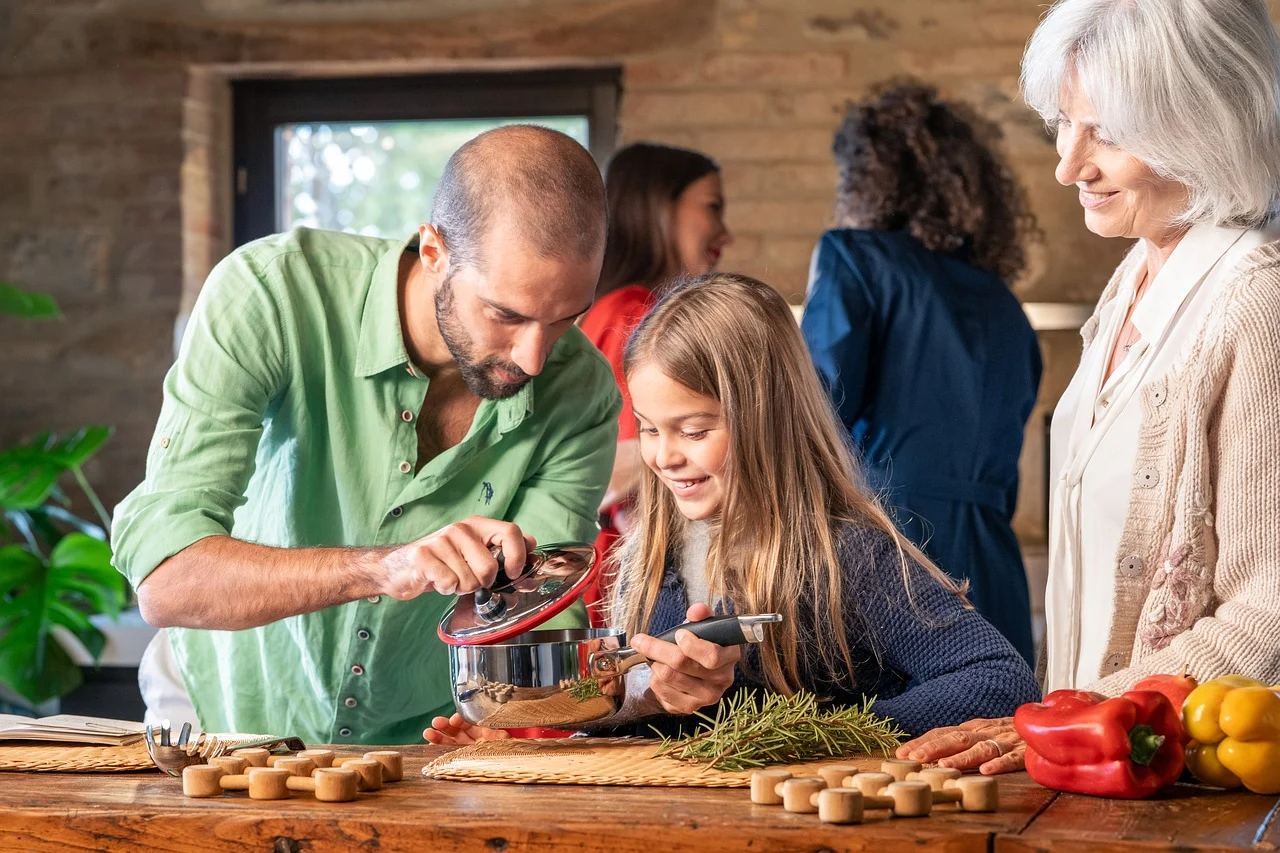
    Cooking healthy foods together can encourage kids to eat healthy, and help them learn what a healthy meal is.

    Small steps can make a big difference. Here are some examples.

    • Shift portions to increase vegetable intake. If kids aren’t eating their vegetables, consider serving smaller amounts of other foods so they’re not full before they get to their vegetables. You can also serve smaller portions of vegetables to avoid overwhelming kids.
    • Make physical activity routine. Enjoy nature walks. Walk to the library or post office. Take a walk while your kids bike or scooter along. 
    • Establish a bedtime routine. You may already do this. If not, make a consistent set of activities you do with your kids before bedtime. Brushing teeth, taking a bath, and reading a story are common ones. You might sing a song or tell a few nursery rhymes together. Make sure to have your own grown-up version of a bedtime routine. It might include brushing teeth, spending time with your significant other (if you have one), packing tomorrow’s lunches, and making a to-do list for the next day.

    What may be the biggest difference for me and my son between the holiday season and routine days of winter is sugar consumption. Christmas candy, irresistible chocolate coins, and birthday cakes contribute added sugars. Furthermore, my son gets a lot of juice and apple cider when my parents are home. They don’t have added sugars, but they do have a lot of sugar. Now we’re back to one reasonable portion of one sugar-sweetened treat a day at home.

    Look for Information, Listen, and Adjust

    If your routine isn’t working, troubleshoot to figure out why not. If kids are cranky or resistant, there’s probably a reason. It’s possible they’re just being difficult, but it’s also possible there’s an underlying barrier, such as fatigue or anxiety. Either way, simple changes can often make a difference.

    Have you tried brushing your teeth together, or singing tooth brushing songs?

    Here are some common reasons why a routine isn’t working, and possible fixes. 

    What Might Be Going OnWhat Can Help
    Kids are tiredAn earlier bedtime can help kids get more total sleep. A consistent bedtime—even on weekends—can prevent starting the school week already short on sleep.
    Kids are overstimulatedAllow 20–30 minutes after school for kids to decompress by amusing themselves however they want (within household rules). Let them know you’re available when they’re ready. Check their schedule to be sure they have at least 30–60 minutes of true downtime each day—unstructured time not dedicated to homework or extracurricular activities.
    Kids want to exert controlOffer choices: “Homework before or after snack?” “Do you want a 5-minute warning or a song timer?” “Do you want to start with reading or math?” Shift from time-based rules to task-based routines. Instead of “It’s 6:30, do your homework,” try “After homework, it’s free time.”

    Turn the dark days of winter into a bright spot with small changes in how you approach your kids and manage schedules. Plus, you can incorporate healthy choices in your family’s daily routine to take advantage of the predictable days that often come in mid-winter.
  • Eat Well and Keep Moving: Simple Parent-Tested Tips for Healthy Living During Winter Break

    Eat Well and Keep Moving: Simple Parent-Tested Tips for Healthy Living During Winter Break

    Winter break brings a different pace to family life as schools close and schedules change. Childcare duties increase and holidays may bring extra responsibilities, but working parents may not have much time off. Minds and bodies still need care, so it’s a good time to take a practical and creative approach to staying healthy. 

    In winter weather, amid holiday cheer, and with tired, bored, or excited children, it can be even more rewarding to cling to healthy habits. Here are tips for staying active for parents and kids, eating healthy without excess costs or fights, getting outside time in any (safe) weather, and hydrating for health.. 

    Keeping Parent and Child Active During Winter Break

    Staying active is imperative for physical and mental health, but it can take extra planning during winter break even if it’s a habit during other times. During these weeks, we can be busier, schedules can be different, and weather can be rainy where I live. However, we can overcome these challenges with prioritization. Bodies need to move!

    Fortunately, I’ve been running for almost 30 years. It’s enough of a habit now that I know it’ll get done during break, too. It’s built into my day, from making sure I go to bed early enough to be rested by morning run time, to having child care lined up every morning, 6 days a week. 

    It takes a bit more thought to make sure my son gets enough exercise. He’s not lazy – he’s the opposite of it! – but it takes more planning to get him active than for me to run. When school is in session, he walks to and from school, plays a bit at recess and lunch, and plays for hours in the afterschool care program. 

    On break, here are some ways he stays active most days.

    • Yardwork and gardening with my parents at their house in the mornings while I run and take “me” or work time.
    • Various ball games with my parents in their backyard, including football, soccer, baseball, and creative variations of these. 
    • Walks and bike rides with me to any destination I can think of to make him interested enough to come alone without too much protest. A park, a store, the library, and a bus stop or metro station are common destinations. 
    • Walking to the park (about 15 minutes each way) for kickball, catch, or football.
    With the right gear, kids can get plenty of outside time in most kinds of weather.

    Rainy day options include these.

    • Dressing properly, mentally preparing to be cold and wet, and playing outside in mud and puddles with the thought of a warm shower and dry clothes when we come inside.
    • Going to our building’s underground parking garage for roller skating, a game of catch, or various other adventures. 
    • Playing in our building’s rec room/gym.

    Healthy Eating for All During Winter Break

    Health eating for the family can be challenging during winter break. Depending on your child’s habits and location, you may be used to schools providing milk, breakfast, lunch, and snacks. During break, you’re responsible for all food and beverages. It may be an extra responsibility for you, but see if you can turn mealtimes into a chance to spend more time together that you don’t get when your child eats lunch at school. 

    Thankfully, most kids prefer simple, familiar meals, so take advantage. Plain whole-wheat pasta with marinara sauce, chicken or parmesan cheese, and a piece of fruit can be a balanced, easy, and welcome dinner, for example. For lunch, try items as simple as PB & fruit sandwiches on whole-wheat tortillas. Don’t sweat it!

    Here are some tips for healthy meals for everyone. 

    • It’s okay to repeat meals. Kids often love repetition. 
    • Keep serving vegetables and fruit at most meals. 
    • Try these ideas for healthy breakfasts, lunches, dinners, and snacks

    Take shortcuts whenever you can get away with it to make healthy eating easier. Here are some examples. 

    • Make double or triple batches so there are leftovers to eat the next day or two. 
    • Use frozen foods like fish fillets, chicken tenderloins or breasts, vegetables, and berries to reduce pressure to shop frequently. 
    • Stock up on easy-to-use nutritious panty items like whole-wheat pasta, plain instant oatmeal, canned tomato sauce, peanut butter, and mixed nuts.
    • Make soups, stews, and casseroles with vegetables and lean proteins. They’re easy to make and easy to freeze.
    • Sandwiches are just fine for meals – use whole-grain bread, peanut butter or low-fat cheese, and a side of fruit or vegetables. 
    Whole-wheat spaghetti, turkey meatballs, marinara sauce, and parmesan cheese: dinner is ready!

    Holiday treats can feel stressful if you’re worried that your kids will eat too much fat and sugar or replace nutritious foods with holiday treats. To reduce anxiety and avoid fights, I suggest letting your kids eat treats at holiday events and parties. 

    Support healthy eating the rest of the time by having healthy foods in the home. Have healthy snacks always available so hungry kids will eat healthy, and keep your children eating at the table, not while watching a screen. In other words, have foods like fresh grapes, grape tomatoes, string cheese, and plain popcorn in the house, and keep chips, cookies, and candy out of the house. 

    Outdoor Time in All (Safe) Weather

    Did you know it’s okay to be outside in most weather? And that it has a wide range of benefits? Here are some reasons why it’s important to be outside. 

    • Getting natural light helps you sleep better because it helps your body set its natural circadian rhythm to be awake during the day and sleepy at night.
    • Being outside counts as being in nature, even if the only bit of nature you can see is a sliver of sky or a weed growing from a crack in a sidewalk. Nature improves mood and health. 
    • Being outside encourages movement because there’s more space. 

    It’s usually safe to be outside in winter except in any of the following conditions. 

    • The temperature with wind chill (“feels like”) is under 0°F (-18°C). 
    • There is a blizzard or whiteout conditions. 
    • Freezing rain or excessive ice makes the ground slippery. 
    • Thunderstorms are in the area. 

    For cold weather, be sure to layer up and watch for signs of hypothermia or frostnip. A warm jack like a lined puffer jacket can be a great outer layer for kids and adults. Add a hat and gloves or mittens for more warmth. 

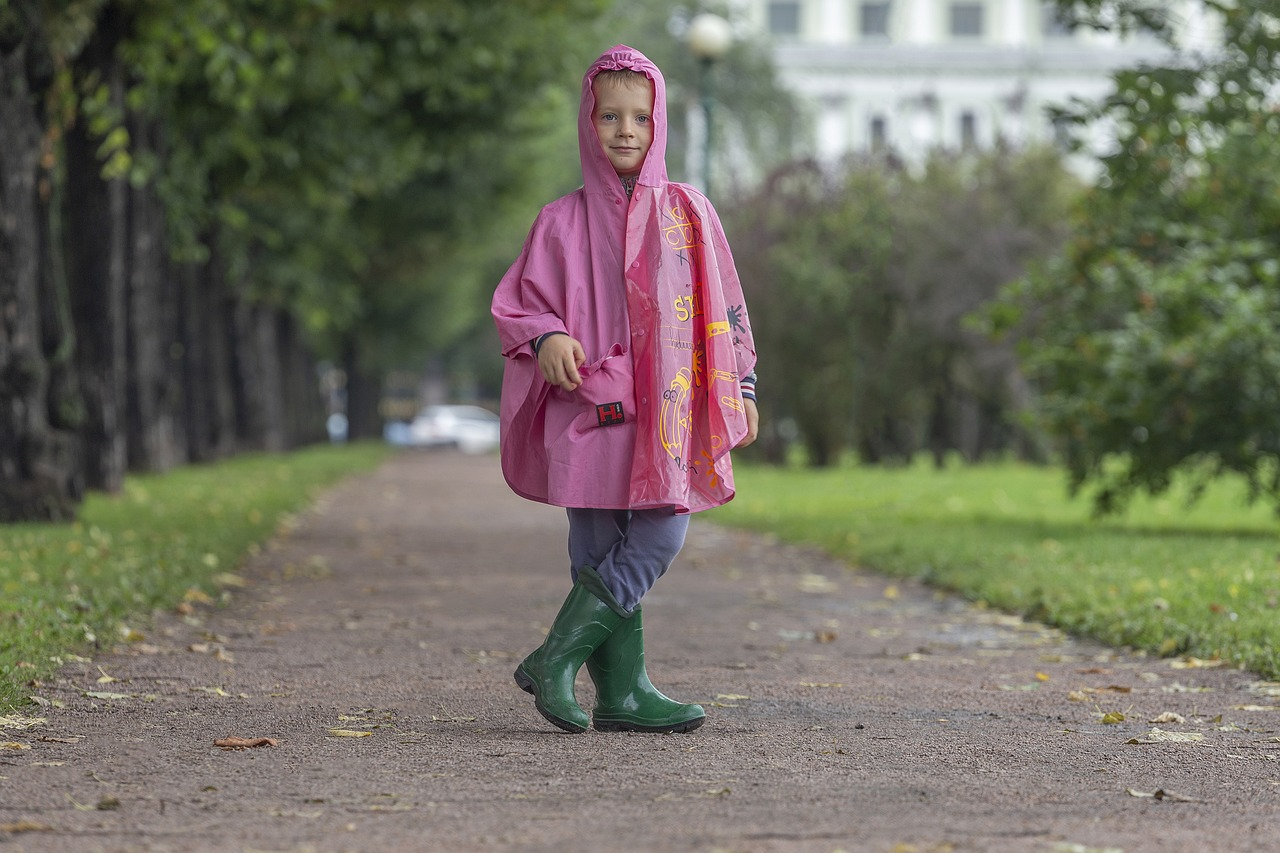
    If it’s raining, but not freezing rain or with high winds, dress well and enjoy the puddles in the rain! A stylish and functional pair of yellow boots can keep kids happy and splashing. Kids seem to love umbrellas, too. Wear a waterproof rain jacket, and adults and kids alike can get some fresh air before coming indoors for a hot shower and some soup or tea.

    Hydration

    It’s easy to forget hydration, but it can help everyone’s energy and mood. Remember to drink often, even in cold weather. Kids are especially likely to ignore or miss thirst cues. 

    Any of these are good options. 

    • Water
    • Herbal tea
    • Broth
    • Tea with milk, which is an especially good choice for adding protein and calcium
    Make hot decaf coffee or tea with milk together for family time, hydration, and fun.

    It’s okay to relax during vacation, but it’s also a good idea to stay healthy. A bit of planning can make it easier for you and your family to be active, eat well, and feel better so you can get more joy from the season.

  • Why This Clear Plastic Raincoat Is My New Go-To for Rainy Runs — and the Rest of the Day

    Why This Clear Plastic Raincoat Is My New Go-To for Rainy Runs — and the Rest of the Day

    I’ve never liked rain, but read about why I don’t have to dread rainy runs and walks anymore!

    Kids may not even notice it’s raining, but I do!

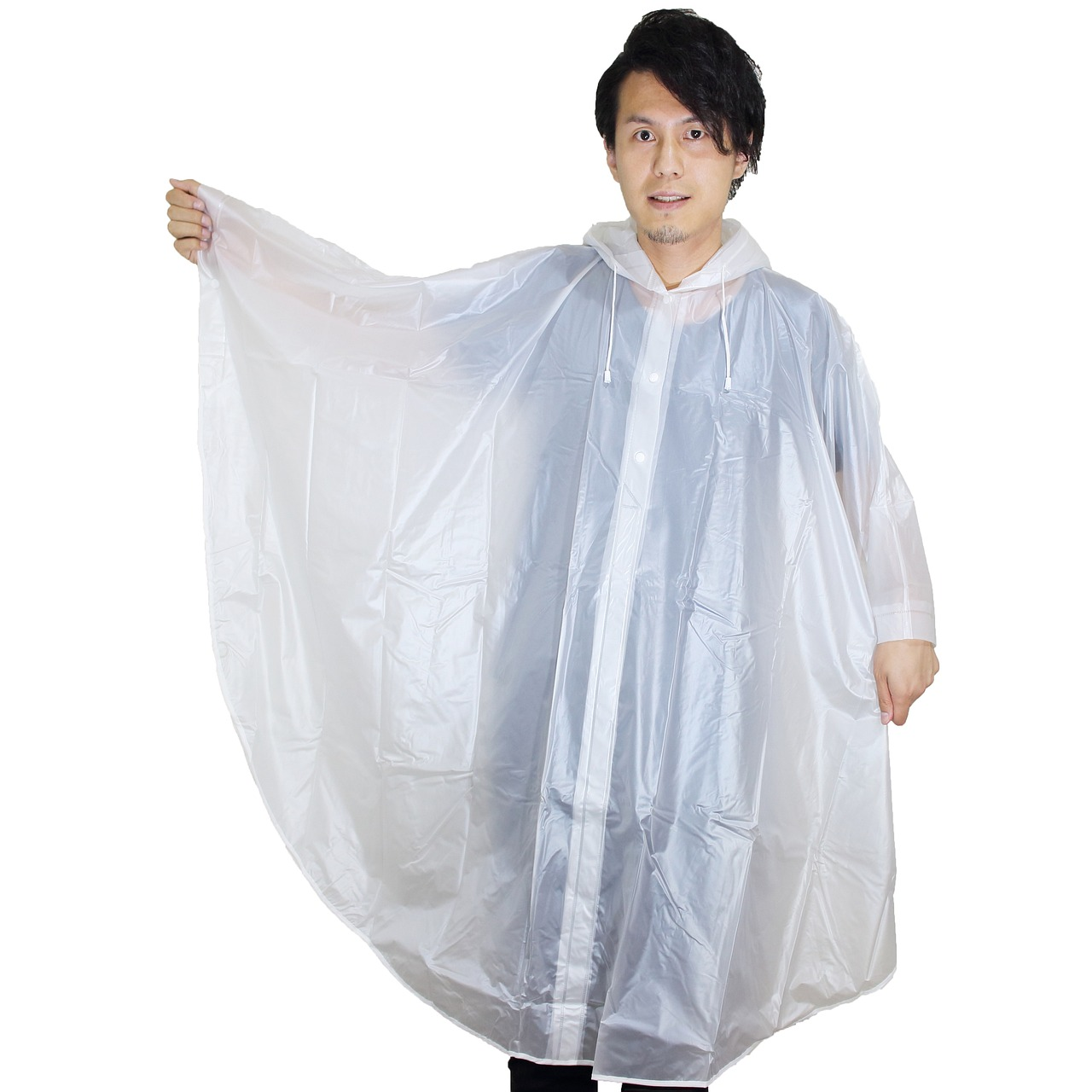
    I got a raincoat! Speaking of those small purchases that make a world of difference in your life, this is one of them. I’d never had a raincoat that I liked before now. This new Clear Plastic Raincoat is making all the difference in my attitude towards, and experience during, rainy days. 

    Why I’m Outside on Rainy Days

    I’ve mentioned before that I run even if it’s raining (check out my personal running FAQs if you haven’t already!), and that I don’t have a car (read about how I get around here!). That means I can be outside and get very wet on rainy days. 

    Thankfully, it doesn’t rain much here. I might run in the rain about 10 times a year. Aside from picking up my son from school, I can usually stay inside the rest of the time it’s raining. However, for those times when I do have to run or go outside in the rain, I get wet. I don’t mind it that much, but when I am wet for too long, I get cold, and that makes it hard to run. 

    (In case you’re wondering why I don’t just stay inside on rainy days, I don’t like being inside all day. I feel trapped. I have trouble thinking. Luckily, I’m able to walk in our building’s underground and underused parking lot and stay dry). 

    Bulky Raincoats, Lightweight Ponchos, and Running Jackets Didn’t Work for Me

    It took me years to settle on this plastic raincoat. For almost two decades, I didn’t wear rain gear while running in the rain.  I probably didn’t care much as a middle school and high school student. By college and graduate school, I was in a place with a true winter, and was probably so happy to be running in summer rain instead of winter snow that I didn’t bother worrying about it. 

    A classic rain jacket never did the trick for me. It was too bulky.

    That changed when I came home (to a warm place!) after graduate school. To stay drier, I tried running jackets that were described as waterproof. They weren’t, but I tried for years. 

    Then I started wearing plastic ponchos from dollar stores. They were pretty effective, but had some serious flaws. They are intended to be disposable, meaning they tear easily when putting them on and taking them off. They are loud. They act like a parachute because they’re so big and floppy. And, you can’t adjust them if something goes wrong. The rain just comes in. 

    For the rest of the day, a poncho works, but it has the same problems. It’s hard to manipulate. It’s awkward. And, it doesn’t dry fast, so if you come in from one run or walk and it’s wet, it’s nearly impossible to put it back on within a few hours.

    A bulky raincoat is good for walking around, but it’s a bit of a nuisance. The thought of having to put it on makes me not want to go outside. 

    I needed a solution for running and walking, and for easy use throughout the day. The plastic raincoat was it. 

    Great Features of My Plastic Raincoat 

    Here are some features of my raincoat, which I purchased for under $15.

    • It has a detachable hood, which I appreciate because I don’t like running with a hood. I wear a cap or visor to keep rain off of my glasses.
    • I got a medium size because the reviews said to order a size up. That was appropriate for me, and I can wear my normal clothes underneath it.
    • It has nice clear plastic pockets in the front.
    • The sleeves snap at the wrists for good fit and better ability to keep long sleeves dry underneath. 

    It’s super light weight so it doesn’t bother me at all. 

    Keep trying until you find rain gear that works for you. It’s worth it!

    Here are more advantages 

    • The raincoat is easy to put on and take off, even when wet
    • It dries quickly
    • It lets me adjust a bag or shoes without disrupting my whole run or walk
    • It is comfortable and doesn’t flop, drag, or make much noise when I run
    • The sleeves are longer and more protective than in a poncho, so my clothes underneath stay dry even if the rain is heavy.

    Comparison of a Plastic Raincoat, Plastic Poncho, and Heavy-Duty Rain Coat

    Comparison: Plastic Raincoat vs. Plastic Poncho vs. Heavy-Duty Rain Coat
    Feature Plastic Raincoat (clear shell) Plastic Poncho Heavy-Duty Rain Coat
    Waterproofness High — full waterproof shell that keeps most rain out. Variable — lightweight but often gaps at sleeves/neck allow water in. Very high — purpose-built with sealed seams and durable membranes.
    Ease of put on / take off Easy — conventional coat shape makes dressing and undressing simple, even when wet. Can be awkward once wet — large loose shape is harder to manage on/off. Moderate — engineered closures, but heavier and bulkier to remove/store.
    Packability Very good — lightweight and folds compactly for a bag or pocket. Excellent — typically folds very small (thin plastic). Poor to moderate — bulkier; may compress into a stuff-sack but takes room.
    Breathability Poor to moderate — non-breathable plastic can trap heat and moisture inside. Poor — thin plastic traps heat and can lead to clamminess. Good — often uses breathable membranes (Gore-Tex, etc.) and vents.
    Mobility / running Good — fitted shape and sleeve design allow freedom of movement; less flapping. Poor — flaps and billows; can catch wind and impede movement when running. Good — designed for activity; articulated cut and secure closures help movement.
    Durability Moderate — thicker EVA-style plastic holds up better than disposable options. Low — very thin, intended short-term use; tears easily. High — built for repeated long-term use in harsh conditions.
    Maintenance / cleaning Easy — wipes clean, air dry quickly. Very easy — wipe or toss when done; not designed for long-term reuse. Moderate — machine wash / technical care instructions may apply.
    Hood security Good — drawstrings, fitted hood stays put (improves with a cap underneath). Poor — hood often loose and can blow back; minimal structure. Very good — structured hoods with adjustable brims and seals.
    Sleeve length / coverage Longer sleeves provide real arm coverage and better protection. Often shorter or open at sides — less reliable sleeve protection. Excellent — tailored sleeves with cuff closures to seal out water.
    Style / visibility Clear option lets your outfit show through; simple aesthetic. Utility-focused; usually inexpensive-looking. Range from technical to stylish — many color and cut options.
    Cost Low to moderate — affordable and reusable (under $40 typical). Very low — cheapest single-use option. High — investment piece (technical materials drive price up).
    Best use case Everyday commuting, walking, errands, and rainy runs where packability matters. Emergency cover, one-off events, or when cost/space are the main concern. Outdoor work, serious hiking, prolonged wet-weather use, or cold/windy conditions.
  • Reflections on a Week of Court Time at the Park: Enjoying Tennis whether Alone or with Others

    Reflections on a Week of Court Time at the Park: Enjoying Tennis whether Alone or with Others

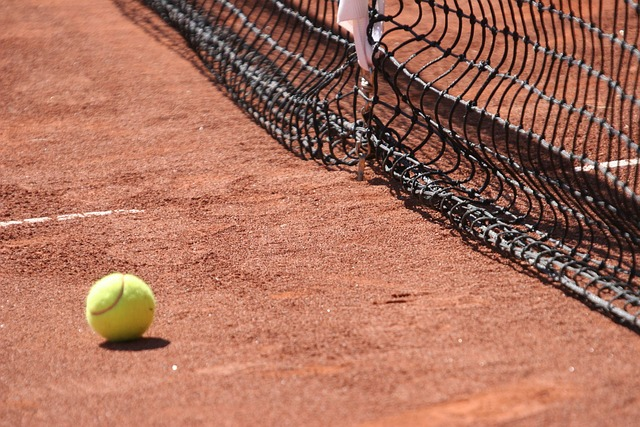
    When I have time after my morning run, I try to walk to the nearby park with my basketball, tennis racket, and balls. Most mornings, I play alone, shooting hoops or hitting a tennis ball against a backboard. Twice this week, however, I played tennis on the actual court. One day, I was volleying with someone way better than me. The other day, I was the more experienced player. My week’s experiences reinforced that whether alone or against someone better or worse than me, I can enjoy myself, relax, and feel good while playing tennis. 

    Here are some benefits of being on my own, hitting against someone better than me, and hitting against a beginner. 

    Nature Is Healthy

    Research consistently suggests that being in nature is good for mental and physical health. It helps clear the mind and improve mood. Getting some daytime sunshine supports your circadian rhythm for better alertness during the day, and better sleep at night. Being outdoors to exercise also tends to encourage longer bouts of activity, leading to benefits for weight control, blood sugar management, and other improvements in chronic condition risk.

    “Nature” can be a beach, forest, field, or desolate mountain, but it doesn’t have to be. A few trees or bushes in an urban area can provide benefits, especially if the sky is visible. The important things are to get fresh air in an open or green area. 

    Playing Alone Is Therapeutic

    Most days, I play alone. I shoot a basketball on an empty court, or I hit a tennis ball against a backboard. Repetitive? Yes. Boring? No.

    Sunshine and trees give a beautiful backdrop to gather my thoughts.

    Here’s what I like about playing by myself.

    • I can practice specific skills. I can work on forehands, backhands, serves, or anything else against a backboard. I can catch the ball each time and set up my next drill. You can’t do that type of repetitive and controlled practice when you’re on a court and volleying with someone.
    • I can play left-handed. I like to play half left-handed, half right-handed. That gives both sides an equal workout, and hopefully it improves my coordination on both sides instead of just my dominant [right] side. It feels disrespectful to play left-handed when I’m playing against someone because it’s not giving them my best. 
    • I can listen. With my bluetooth ear buds, I can listen to anything on my phone. Recently, I’ve been listening to videos on YouTube for learning Turkish. I’m a kinetic learner, and I concentrate best when I’m moving. A mindless activity like hitting a ball against a wall is perfect for me to listen carefully.
    • I can socialize. I use my ear buds to talk on the phone. Playing tennis or basketball at the park often doubles up as my social hour.

    Playing alone is great, but playing with a partner has different benefits. 

    Benefits of Playing Tennis with a Hitting Partner

    Playing tennis with a partner is a different experience than playing alone. It’s less predictable – I can stand around more, and I might end up running more to chase balls. I can’t specifically practice certain skills. But there are many benefits. 

    • I learn to react faster. Against a wall, I’m in control. I know where the ball’s going and how fast, and how I’m going to hit it. Against a person, nothing is predictable. It can come to my forehand or backhand, fast or slow, with top spin or back spin. Learning to respond is something you can’t learn while playing against a backboard. You improve quickly when playing against someone.
    • It’s heart-warming. Silly as this is, it is nice to be doing an activity with someone, even if you can’t hold much of a conversation from opposite sides of a net. I feel like I belong, and share the love of playing a fun game with other people. 
    • It’s motivating. As comforting as it is to see the same players out there day after day, it’s even nicer to be one of them. They’re welcoming and warm, accepting of my poor play, and happy to offer encouragement and advice.

    Whether better than more or worse, playing with a partner has benefits. 

    You have to learn to react quickly when you’re playing against someone.

    Learning from Superiors

    I’m grateful to play with people better than me, as happened earlier this week. He and I played for nearly an hour. Here is some of what I gained.

    • Humility. Every so often, my hitting partner didn’t go easy on me, and smashed a ball past me. It reminded me to be grateful he was even playing with me!
    • Technique. I gathered a few pointers from my hitting partner, including why I wasn’t hitting my forehand very well, and how to hold the racket more properly. 
    • Patience. It’s tough to be the bad one. It’s tempting to get upset and frustrated, but that’s not helpful. It doesn’t help my own game, and it doesn’t make it more pleasant for my opponent. So, I try to smile when I mess up, and to show that I’m trying my best, even if I’m not able to return the ball all the time.
    Some people play with real tennis clothes and strong serves. I’m not one of them.

    I can learn from beginners, too!

    Playing with a Beginner

    I also had the privilege of playing with a beginner. It wasn’t painful; it was actually motivating, and it helped my own game. Here’s why.

    • I practiced control. When you’re playing with someone who can’t hit very well, it’s best to hit the ball to them and at a certain speed. That takes control, which is a skill in itself. Learning to aim and control force is applicable when you’re trying to win games, too. 
    • I learned technique. While my hitting partner had less lifetime practice than I do, she’s taking lessons, and is learning techniques. I noticed that she had a good ability to hit forehands that she had to reach for; that’s tough for me, so I asked for an explanation. 

    Balancing Solo and Partner Play for Consistency and Growth

    They say that “mixing it up” is good for your exercise routine. While “they” may be recommending more variety than the difference between playing tennis alone versus against someone, “they’re” right. Allowing my sessions at the park to be slightly different, unpredictable, and always positive makes me eager to come back each day. I let myself be obsessive about running, counting each mile and minute, but loosening up for sports at the park is a fun contrast. 

    How do you stay active and keep it fun?

  • How to Stay Consistent with Fitness: Make Friends with 80-Year-Olds at the Gym

    How to Stay Consistent with Fitness: Make Friends with 80-Year-Olds at the Gym

    I’m not a very social person. Maybe I take after my dad. I’m happy to be by myself, and I usually find it tiring to be around people. It’s been like that for me since middle school. At the same time, though, I’ve always had a group of friends around me due to exercise. In middle school, high school, and college, my friends were my teammates. In graduate school, my friends were running partners. And for a decade after that, my friends were my gym friends. 

    Here’s the story of how I met my gym friends and why they are such a special group for which I will always be grateful.

    A Lucky Meeting

    I had never been regular at a gym, though I’ve always been active. I joined a gym in 2012 to take advantage of the classes they offered, but didn’t plan to do much more than attend one or two dance or aerobics classes a week. It was a women’s gym, though that’s not why I joined. It was affordable and within biking distance, and had a good class schedule for me.

    When I had mild plantar fasciitis one day, I had to cut my run short. I headed to the gym to use the elliptical machine, and that’s when I met “them.” “They” were a group of ladies, aged about 55 to 87, who had been working out together for over 20 years. There was one “young” lady who was only 35, and who had been with them for about 5 years. 

    A Warm Welcome from the Gym Ladies

    They were the gym ladies. , and they welcomed me warmly. They let me into their “group” and introduced me to everyone. They explained the birthday protocol – each lady was responsible for bringing cupcakes to the gym on another lady’s birthday – and told me the lady for whom I was responsible, and the date of her birthday. 

    These ladies had met each other at the gym. Most of them would not have met each other anywhere else. They were a diverse group, including working and retired teachers, a bank teller, a real estate agent (who ended up selling me my home), a saleswoman, a beautician, an entertainer, a president and founder of a non-profit, and some stay-at-home moms (one of whom now works with me). There were parents of children ranging from 5 years old to 65 years old.  They inspired each other to keep showing up at the gym each morning.

    A row of dreadmills becomes less dreadful when you have friends on either side!

    I hadn’t intended to continue using the gym on a daily basis once my plantar fasciitis cleared up. I’d planned to go back to once or twice-weekly dance fitness classes. But the joy of having a whole new group of friends

    An Always Honest and Open Group!

    Though they were among the most consistent and probably fit people of their age, they never pretended that it was easy to come to the gym. The standard response to, “Good morning! How are you?” was, “I’m here.” That might expand into, “I’m doing my best,” “It’s tougher than usual today,” or, “One day at a time.” 

    But instead of that feeling negative, it felt real. We knew we were working hard to be at the gym. From scheduling the time to actually coming, it’s a real effort to work out each day. And that’s where friendship comes in. 

    A Decade Working Out with My “Gym Friends”

    We were each other’s “gym friends.” We welcomed each other, texted or phone when someone was an unexpected no-show at the gym that morning, and were completely open with each other. 

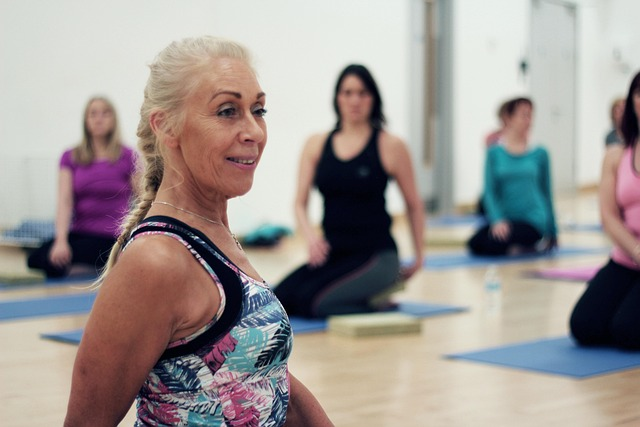
    We’d take machines next to each other whenever possible. We’d have a whole row of ellipticals, or be in smaller groups on the bikes or treadmills. It didn’t matter that a 30-something-year-old (me) was next to an 80-something-year-old. We could chat and work out together. 

    We talked about everything and nothing. What else do you talk about when you’re “stuck” on a gym machine for 30, 60, or 90 minutes? You have time to talk deeply about anything! Since it was a women’s-only gym, we felt comfortable talking loudly, often loudly enough to annoy most of the other women who were present. (In our defense, anyone was welcome to join the conversation…)

    We worked out, laughed, and helped each other at the gym and in life.

    There was no pressure put on our friendships. We accepted each other and looked forward to seeing each other at the gym. We might see one or two of each other outside of the gym occasionally, but there was no requirement. We knew we’d get to see each other at the gym the next morning to start the day off right. You could get a hug if you were down, or a hug if you needed to celebrate. We were there for each other. 

    Continued Friendships After a Decade with the Gym Ladies

    I was able to take advantage of our daily chit-chats and workouts for nearly a decade, until 2020. I learned so much from these women. They shared their wisdom with me, and I learned about acceptance, advice, support, and so many other qualities that these kind people learned through life lessons and were generous enough to share with me. I learned that very different people can benefit from being around each other and listening to each other.

    The gym closed when COVID-19 hit, and then permanently closed due to bankruptcy. By the end of COVID-19, my habits had again changed, and I’d returned to running and biking on my own, perfectly content fitness-wise. 

    But many gym friendships continued. I stay in touch with many of the ladies on a daily, weekly, or monthly basis by phone. I speak with others more sporadically. Every so often, I meet one or another of them somewhere around town, like a market, park, or home. 

    We’re all grateful for those years at the gym and for each other. Some joined new gyms after COVID-19. Others, like me, developed different habits – hikes, classes on Zoom, mall walks, park walks. Some are too old to work out daily anymore – getting to 100 years old while in shape to be self-sufficient is already terribly impressive to me! 

    I am grateful to have met this group of women. I don’t miss working out at the gym, but I do miss the daily chats. Sometimes really great things happen in life, and that gym was one of them for me.

    Which friends and lessons do you truly value?

  • My 30-Year Running Journey: How I Got Started

    I’ve been writing this blog for a while now and I haven’t really mentioned running. When you find out how much I run, you might think that it’s strange that I haven’t talked much about it yet. It may be because running has been a part of me for about 30 years. 

    Although I run six out of the 7 days most weeks, I don’t talk much about it in my daily life. If you ask me what I did today, I probably won’t think to mention that I ran. I probably also won’t explain that I brushed my teeth, took a shower, gave my son breakfast, and went to work. Those things just happen. 

    Here’s a short background on my running and how my running is now, with more sure to come in future posts.

    The First Run Around the Block

    I was always an active child, but my first memory of running for the sake of running was one time when I was being too active in the house and my dad said why don’t I go run around the block. I did.

    We lived on a fairly big block. One lap around it was about 0.6 miles. I remember getting very out of breath and feeling as though it was a very long way, but I finished. I don’t think I enjoyed the run, but it felt good to finish. I was probably about 8 years old. 

    I remember running in anything I was wearing, with my hair flying everywhere!

    Fifth Grade Presidential Fitness Test

    Back then we had to run a mile in fifth grade and our teachers timed us. We didn’t practice first, of course.

    I don’t remember why, but I didn’t run my mile when the rest of the class did. I remember watching them and cheering. I was probably lucky that I got to see how big of a mistake it was to start too fast. Students who did had a lot of trouble finishing. Since I had no experience, it was a good lesson for me to get before running my own mile.

    I ran it a day later, at the same time as a good friend. I don’t remember the running itself being too terrible. I remember finishing and being more out of breath than I’d ever imagined. (That became a more familiar feeling later on, as I began to race). 

    My time? 6:59.71. My teacher decided to round it up to 7:00 for his official submission. In my head, I always considered it to be a sub-7 mile.

    (I won’t bore you with many of my racing times. This one, however, is one that has stuck with me because it’s my first). 

    From Just One of the Sports to a Daily Pursuit

    By the time I got to middle school, I had been looking forward to after-school sports for years. I had a fabulous PE teacher in Middle School. Four days a week, she taught us organized sports if we stayed after school. Twice a week, we played the sport that was in season: volleyball and flag football during the fall soccer and basketball during the winter and softball in the spring. 

    The other two days, we ran after school. As with the other afterschool activities, running was a good experience. The older students were welcoming; I remember the ninth-grader that I was running with stating proudly (or kindly) that now she had a sixth-grade friend. It was an encouraging atmosphere. If you passed someone or they passed you, you both said or grunted something like, “good job,” or, “keep it up.” There was no competitive spirit; it was strictly supportive. 

    As with the mile in fifth grade, I didn’t enjoy much about the actual running part, but it felt very good to stop. I also felt very proud, including for the next two days when my screaming muscles reminded me of the two and a half miles through which they’d carried me. 

    I returned two days later for the next run after school, and I kept it up for all three years of middle school. I am forever grateful to my PE teacher for all she gave me and all of us in terms of her time, expertise, and love. Like many teachers, she was so selfless. She cared so much, and got the best out of us. 

    The Rest Is History

    I ran steeplechase once in college. I am sure it was good for a laugh for spectators. As a terrible steeplechaser, I didn’t find myself very funny.

    My running path was not atypical after middle school. I joined my high school’s cross country and track and field teams. In college, I ran cross country and distance races in track. I ran road races from 5k to marathons in graduate school. I ran a couple of marathons after that. Eventually, I had no more interest in racing, so I stopped. 

    Running After a Racing Career

    I may have stopped racing, but I’ve kept running. I still run 55-70 miles a week. I still run hard when I feel like it, but without looming race dates as deadlines for achieving fitness milestones, I don’t have to run hard when my body asks me not to. Running is both more pleasurable and less injury-inducing when my body dictates my training instead of the calendar dictating. 

    I appreciate having running as something that’s entirely mine. Very few people care whether I run. People rarely ask me how my run was, and I don’t have anything interesting to tell them anyway. I still find that every day is a struggle to get started, but by now, I know that the benefits will be worth overcoming the dread of getting started. 

    It’s important to appreciate yourself and your run. It helps you remember how much it benefits you, so that you can be motivated to do it again tomorrow.

    I hope that I can run for a long time to come. If not, I hope that I will find something else that makes my body and mind feel at peace. 

    What do you do for yourself that is “right?” Is it exercising, doing a hobby, or something else?