Tag: family

  • 6 Top Family Dinners – Made Healthier Without Complicated Recipes

    6 Top Family Dinners – Made Healthier Without Complicated Recipes

    Many parents want to cook healthy for themselves and their children, but that can be challenging. Kids can be picky eaters, and parents may worry that it’ll take time or gourmet cooking skills to get a healthy meal on the table. For ideas, check out whole grain dinners, breakfast for dinner, and kid-friendly dinners. And keep reading right here!

    But in reality, it can be simple to prepare healthy meals that kids accept. Just start with your typical rotation of kid-friendly foods, whether it’s chicken nuggets, mac and cheese, or baked spaghetti. Then swap and add to increase the nutrient content while keeping the fun and flavor in the dish. 

    The result can be a set of simple meals that please and fuel the whole family. These small changes help support steady energy, fullness, and overall nutrition, without taking much effort on your part or turning mealtimes into battles. 

    Below are seven familiar dinners with simple upgrades that keep meals easy and family-friendly.

    1. Easy Baked Chicken Nuggets With Yellow Corn and Green Broccoli

    Chicken nuggets are a weeknight staple in many homes, since kids love them and they take only minutes to prepare from frozen. With a few simple changes, you can turn chicken nuggets into a meal you feel proud to serve. 

    Use whole-grain breading, bake the nuggets instead of frying them, and serve them with yellow corn – a familiar and favorite side for kids – and their choice of vegetable, such as broccoli florets or green beans. Fresh or frozen chicken tenderloins are skinless, easy to handle, and lean.

    Chicken nuggets – the ultimate finger food made healthy!

    Approximate nutrition per serving: 420 calories, 28g protein, 5g fiber

    What’s in it:

    3–4 baked chicken nuggets (from chicken tenderloins)

    ½ cup of corn

    Steamed broccoli florets, fresh grape tomatoes, or any other non-starchy vegetable

    Optional: ketchup, marinara, or BBQ sauce for dipping

    How to make it:

    1. Preheat oven to 400°F. Grease a cooking sheet with cooking spray.

    2. Cut the chicken tenderloins into nugget-size pieces, or leave them as is for “chicken fingers.”

    3. Dip chicken in beaten egg or egg white.

    4. Coat in rolled or instant oats or whole-wheat breadcrumbs with a pinch of salt and garlic powder.

    5. Place on the baking sheet and bake for 12–15 minutes until cooked through.

    6. Serve nuggets with corn and vegetables on the side.

    Family tip:

    Serve the nuggets and sides separately on the plate. Kids love eating nuggets with their fingers, and they usually like foods separate. Try serving a dip in a small bowl to make it easier. Kids may enjoy helping you dip the chicken in egg white and breadcrumbs – just make sure you wash their hands well!

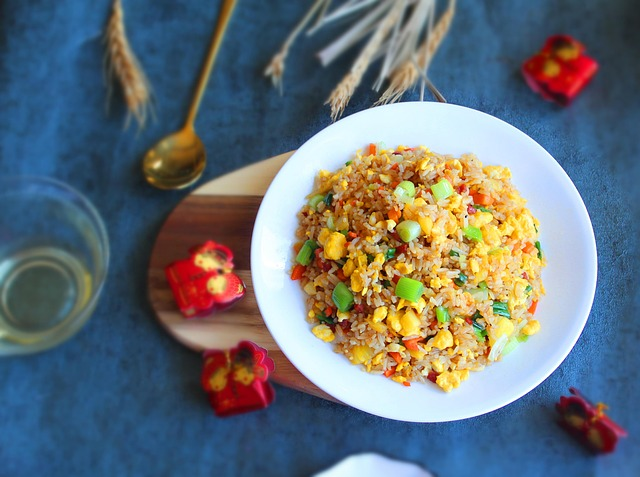
    2. Brown Rice Fried Rice With Egg

    Many kids love grain, and fried rice is an easy dish for parents to prepare. It uses leftover rice, fresh, frozen, or leftover vegetables, eggs, and fresh or leftover chicken or other protein. With brown rice, lean proteins, and extra vegetables, this dish can be more nutritious than what you might order in a restaurant. 

    No need to order in – make your own feel-good fried rice! Optional: pineapple chunks for natural sweetness.

    Approximate nutrition per serving: 400 calories, 18g protein, 5 g fiber

    What’s in it (per serving):

    • ¾ cup cooked brown rice
    • 1 egg
    • (Optional) 2-3 ounces of cooked protein like salmon, chicken, or tofu in small pieces.
    • ½ cup frozen mixed vegetables
    • Soy sauce or teriyaki sauce

    How to make it:

    1. Heat 1-2 teaspoons of sesame, canola, olive, or other vegetable oil in a skillet, or use cooking spray.

    2. Add vegetables and cook until warmed through.

    3. Push veggies to the side and scramble the egg.

    4. Stir in cooked rice and additional protein if using, and add soy sauce or teriyaki sauce.

    Family tip:

    If mixed vegetables feel overwhelming, start with just peas, carrots, or corn, and add others gradually. Parents can serve their own rice with additional vegetables. 

    3. Whole-Wheat Spaghetti With Meat Sauce

    Spaghetti with meat sauce is a basic food for many families! With just a few swaps, it can also be one of the most balanced, simple meals possible. Whole-grain pasta can be a good introduction to whole grains because it tastes similar to white pasta. Use turkey instead of beef in the meat sauce, and add any vegetables you can to the sauce – sliced mushrooms, chopped carrots, or pureed pumpkin are favorites. 

    Spaghetti and meat sauce is a perennial favorite – add nutrients and enjoy!

    Approximate nutrition per serving: 450 calories, 24g protein, 8g fiber

    What’s in it (per serving):

    • 1 cup cooked whole-wheat spaghetti (2 ounces dry)
    • Lean ground turkey, vegetable/soy protein, or lentils
    • Canned or jarred pasta sauce (marinara, mushroom, or similar)
    • Parmesan cheese

    How to make it:

    1. Cook pasta according to package directions.

    2. Brown ground turkey or prepare the vegetable protein or lentils.

    3. Stir in the marinara sauce and simmer for 5 minutes to heat thoroughly.

    4. Serve sauce over pasta and top with parmesan.

    Family tip:

    Let kids add their own parmesan cheese. It’s fun! Parents who are looking for a lower-carbohydrate meal can keep pasta to ½ cup or use spiralized zucchini or spaghetti squash instead of pasta. 

    4. Healthier Baked Penne

    Baked penne is a comfort food, but it can be a healthy choice! Use whole-grain pasta in whatever shape your kids want – penne, spaghetti, or elbows. Low-fat cottage cheese and low-fat mozzarella cheese add flavor, protein, and calcium. For more vegetables, be generous with the marinara sauce, and consider adding fresh chopped or canned diced tomatoes or any other vegetables. Add cooked chicken breast or lean ground turkey if desired. 

    Approximate nutrition per serving (without extra chicken or turkey): 350 calories, 15g protein, 7g fiber

    What’s in it (for 4 servings):

    8 ounces (4 cups cooked) whole-wheat pasta

    2-3 cups of marinara sauce

    2 cups of low-fat cottage cheese or ricotta

    ½-1 cup (2-4 ounces) of low-fat shredded mozzarella cheese

    How to make it:

    1. Cook spaghetti and drain.

    3. Combine pasta, sauce, and cottage cheese in a baking dish.

    4. Top with mozzarella and bake at 375°F for ~20 minutes.

    Family tip:

    Stir in finely chopped spinach or mushrooms. They disappear into the sauce.

    5. Easy Whole-Grain Mac and Cheese With Veggies

    What kid doesn’t love mac and cheese? Don’t worry about making it from scratch. With this simple recipe, you don’t need to make a roux or flour-based sauce. Just melt low-fat cheese into milk and add it to the pasta for a melty, creamy dish. Stir in disappearing vegetables like pureed squash, or add favorite vegetables like sliced zucchini, cauliflower florets, or cooked diced carrots. 

    Mac and cheese can be as healthy as you want it to be!

    Approximate nutrition per serving: 360 calories, 17 protein, 6g fiber

    What’s in it (per 4 servings)

    4 cups cooked whole-grain elbow pasta (8 ounces dry)

    1 ½ cups (6 ounces) shredded low-fat cheddar, mozzarella, or Mexican blend cheese

    ¾ cup skim milk or milk substitute, or use the cooking water from the elbows

    2-4 cups of vegetables

    How to make it:

    1. Cook whole-grain elbow pasta according to package directions.

    2. Drain and return pasta to the warm pot.

    3. Stir in milk and shredded cheese until melted and creamy.

    4. Mix in cooked vegetables

    5. Add salt and pepper to taste

    Family tip:

    Let your kids help if they want. It’s fun to melt cheese and stir it into pasta.

    6. Lighter Tuna Noodle Casserole

    This classic comfort meal becomes a balanced meal in a pan with whole-grain noodles, protein-packed tuna, and extra vegetables.

    Approximate nutrition per serving: 350 calories, 25g protein, 6g fiber

    What’s in it (4 servings):

    4 cups cooked whole-grain noodles (8 ounces dry)

    2 5-ounce cans of tuna, drained

    2 cups of frozen peas

    1-2 cups of sauteed onions, mushrooms, and/or celery

    1 can of low-fat cream of mushroom soup

    How to make it:

    1. Cook noodles according to package directions.

    2. Mix noodles, tuna, vegetables, and sauce in a baking dish.

    3. Top with breadcrumbs if desired.

    4. Bake at 375°F for ~20 minutes.

    Family tip:

    If casseroles feel too mixed for some kids, serve the components separately the first few times. If you can’t get your kids to love tuna, make the casserole with chicken or lean ground turkey.

    Small Changes Add Up

    Healthy family meals can be simple, affordable, and enjoyable. It can be as easy as taking your favorite meals and making nutritious swaps and additions. The result can be meals that are kid-friendly and a source of vegetables, protein, and other nutrients. 

    If you’re looking for more support creating healthy and realistic meals for your household – or support for your own health and weight management – please sign up for nutritional counseling. We can work towards your goals, your way!

  • A Birthday Celebration with an Old Friend Makes Me Grateful

    A Birthday Celebration with an Old Friend Makes Me Grateful

    We’ve been talking about routine days of mid-winter, and how to add healthy habits in diet and exercise, as well as family life, to those days. Here are some reflections about a weekend excursion that may not have included many nutrients or much exercise, but did focus on a wonderfully healthy social connection with a centenarian.

    A visit was long overdue, and a birthday celebration was the perfect reason to take her out. I can’t tell you which birthday she was celebrating; it might give her identity away. Yes, she’s that old, and she’s someone my son and I both value in our lives. She’s incredibly special, wise, funny, and giving. On a cloudy, mid-winter day, we went out for ice cream. Though the goal was to give her a treat, I am sure that got more out of the outing than I gave her.

    I Met Her and the “Gym Ladies” When She Was 87

    No joke. She was one of the “Gym Ladies.” When I met her, she had been working out with the other gym ladies for nearly 25 years. They are a fabulous bunch of women – interesting, kind, supportive, and wise. They would get on cardio machines next to each other and gab for 30, 60, or more minutes while working out. 

    They welcomed me with open arms. For years, we’d work out and talk together. We became good friends. They were the ones who threw me a baby shower when I was pregnant with my son. I stayed at the gym until it closed for COVID-19, and some of those women remain my closest friends.

    A Special Friendship with a Now-Centenarian

    This particular friend and I really hit it off. We have a lot in common, from political views to upbringing to sense of humor. We laughed our ways through years of workouts, but there was more. She’s insightful and understanding, too. Every time I came to her with a problem, she was able to see the bigger picture and offer some words of advice based on experience.

    I was always impressed by her life skills. She knew how to talk the cable company out of overcharging her, and how to get suspicious charges eliminated from her phone and wifi bills. She knew how to talk to people on the street or on the phone to avoid scams and get what she wanted. She was absolutely not a candidate for being a victim of scams against the elderly! 

    She’s a baby lover. She used to light up whenever she saw a baby or small child. If a parent had to bring a baby into the gym, she’d instantly get off her exercise machine to go to the baby. She couldn’t help it! 

    In fact, she popped into the hospital on the day my son was born. He was 6 hours old, I had gone through 31 hours of labor and a C-section, and she had the idea of dropping in on me that day! She brought another of the gym ladies, and those two have the honor, of course, of being my son’s oldest friends. 

    Centenarians are increasingly common in the U.S. The Census Bureau says that the number of centenarians, or people over 100 years old, increased from 53,364 in 2010 to 80,139 in 2020. That’s a 50% jump, and equivalent to about 2 in 10,000 people. My friend is among the 50% of female centenarians who live on their own. 

    Bringing Out the Best Side of My Son

    My son loves her as much as she loves him. She’s always made her home open to him and let him play with what he likes. He can feel her love, and he respects her. 

    On the Saturday two days before my friend’s birthday, my son and I came to pick her up at her house. He even washed his hands properly beforehand, knowing that he needs to be careful of her health. 

    She can walk just fine. Usually she uses a walker, but she asked my son to help her get to the car instead of using a walker. He rose to the occasion, being the perfect gentleman. Then he closed the door for her, folded the walker, and put it in the trunk. 

    A Casual Celebration to Be Thankful for

    We drove to the store where the ice cream shop was. Since she hadn’t been out for a while, I’d suggested we go to a supermarket where they sold ice cream scoops and had outdoor seating. We wandered around the store and then ordered ice cream – cookies and cream for all. Then we sat outside with the ice cream and chatted.

    Sometimes, health isn’t about the sugar and fat content. It’s about experiences and connections.

    The Secret to Longevity

    What’s the secret to longevity? Every centenarian has their own ideas. Drink wine. Don’t drink wine. Be active. Don’t be active. Eat a raw egg yolk every day. Take your vitamins. Stay away from supplements. Avoid red meat. Eat meat and potatoes. 

    The only things that are certain is that the proper genetics must be there, and no devastating accidents can occur.  

    In other words, there is not one formula for longevity, and especially for healthy aging. Here’s what I observe in my friend, though I can’t prove cause and effect. They may just be coincidences. 

    • Activity – She was a tomboy as a child, a mother of three, and a gym-goer until age 94.
    • Stubbornness – Don’t bother trying to persuade her otherwise if she has an idea about something.
    • Determination – If she was going to do it, she was going to do it. She told me that when she was a little girl, she didn’t tell her mother that she’d broken her ankle because she was afraid she’d get in trouble. She just walked herself to school like she did every morning. 
    • Resilience – She doesn’t let things drag her down. She looks forward. Maybe that came from her , but I suspect a lot of it is within her personality. 
    • Connection – She’s the one who taught me about Family Dinner on Wednesdays (I adopted that idea and my son and my parents and I have Family Lunch on Sundays). Plus, she maintains her friendships with the other Gym Ladies.

    If my son and I can learn anything from her, it may be to stay active, stay interested, and stay connected. The rest, we do the best we can. And, as she says, “Take it one day at a time.”

    Thank you, and Happy Birthday!

  • The Power of Routine: Healthy Family Habits That You Can Start This February

    The Power of Routine: Healthy Family Habits That You Can Start This February

    January may be for big goals and major declarations, but February is for sticking to a routine. And that can be the best possible thing for the health of you and your children. When your schedule is predictable – work is steady, regular school days and nightly homework are the norm, and no major holidays are on the horizon, you have a great opportunity to add healthy behaviors to that routine.

    We already talked about simple ways to improve eating habits and work physical activity into your family’s regular schedule. In this post, we’ll talk about other ways to support physical and mental health, as well as family closeness. With small changes and some awareness, you can improve sleep habits and energy, spend more time together while preserving your own time to relax, build strength and closeness as a family unit, and become more resilient to stress. 

    Sleep: Build and Protect a Strong Foundation

    Sleep is crucial for energy, ability to learn and focus, a good mood, metabolic health, and normalizing hunger. February, when most mornings and evenings have predictable patterns and times, provides the ideal setting for improving sleep habits. If a nightly goal of 9-11 hours for kids and 7-9 hours for parents seems out of reach, focus on what may be even more important for sleep: consistent bed times and wake times.

    These tips can help optimize the value of sleep in your family.

    • Choose realistic lights-out times for kids and for adults. They should ideally be consistent on weekdays and weekends. If they have to vary, make them as close to each other as possible.
    • Let your family use weekends and other days without a required wake time as time to catch up on sleep. 
    • Have a bedtime routine for kids and for parents. Kids and parents might brush teeth and read together before you say good-night to your kids. Later, you might change into nightclothes, stretch, make a to-do list, spend time with your significant other, or do other relaxing activities. The trick is to make them consistent and non-stressful.
    • Turn off devices 30-60 minutes before bedtime. This helps prevent kids from depending on devices to put them to sleep. It helps adults’ brains shut down more easily so it’s easier to fall asleep.
    Kids and adults rely on good sleep to stay happy and healthy

    As always, make sure bedrooms are dark, quiet, and cool, and beds, blankets, and pillows are comfortable. 

    Fostering a Positive Family Culture

    Many workplaces foster a positive culture; consider working for a positive family culture at home. First, identify your goals. They may include these. 

    • Being supportive of each other on good days and bad
    • Making the best of situations as they come up
    • Problem solving rather than giving in
    • Accepting imperfections and embracing alternative solutions

    To support a positive family culture, come up with guidelines as a family. Write or draw them somewhere where everyone can see them. Examples include showing respect, treating others like you value them, and stepping in to help when you see a way that you can. 

    As always, modeling is one of the best ways to get your kids to act the way you want. Praise your children every chance you get. When you make a mistake, admit it and then make amends. Ask if you can help. If something goes wrong, acknowledge it, then decide how you can make it turn out as well as possible. 

    You can also show your love in every way you can, such as leaving notes in lunchboxes or mirrors so your kids know you’re thinking of them, or hugging them when you drop them off and pick them up. Show respect by giving them choices (“Do you want a peanut butter sandwich or English muffin pizza for lunch?”). Let them know you trust them by asking what they learned from their homework rather than if they finished it. If they make a mistake, reassure them that it’ll work out okay, and you’ll help them if they need it. 

    Praise each other and show each other you care to foster a positive family environment

    Remember that for every positive thing you say, kids remember 5-10 negative ones. So, be sure positive parts dramatically outweigh negative ones!

    Stress Reduction and Resilience for Kids, Parents, and Families

    Routine can reduce stress in many ways. Things are predictable, so it’s easier to prepare for them. There’s less effort and angst needed to plan each day. 

    On the other hand, stress can come from other sources in mid-winter. Routines can seem endless and boring. There’s no change day after day, week after week. For kids especially, school can be stressful. Lessons may be tougher, there are fewer days with parties or without homework, and pressure can feel heavier. 

    When you manage stress, it has fewer negative effects. When you build resilience, you’re better able to bounce back from challenging situations. You can take the lead in managing stress and building resilience in your family. 

    Manage stress for yourself in standard ways: being physically active, eating well, sleeping well, deep breathing, and journaling. Try to let go of what you can’t control, and have a friend or family member who lets you phone them if you need support. Take time to yourself each day, even if it’s as little as a one-minute pep talk to yourself before stepping in the door after work. 

    Small silly actions like jumping in puddles can bring joy and reduce negative effects of stress – not to mention teach kids that it’s okay to get dirty!

    Help your kids manage stress by building in down time each day. Support the same healthy habits in them that you maintain for yourself. And, help them name emotions and identify causes and solutions. This helps things be less overwhelming to them.

    Together, practice deep breathing and counting. Talk through emotions, problems, and solutions. This builds the structure for them knowing you’re there for them no matter what, and you’ll get through it together. 

    There’s a lot to a healthy lifestyle, but adding in healthy habits one at a time can be manageable. Mid-winter is an especially good time to focus on health, when other parts of your life may be more predictable and easier to handle. 

    How do you use routine weeks to make your family’s lifestyle healthier?

  • Leading His Own Birthday Party: A Celebratory Way for My Son and His Friends to Transition Back to School

    Leading His Own Birthday Party: A Celebratory Way for My Son and His Friends to Transition Back to School

    My son has a January birthday, so when he requested a kickball game at the park for his party, I knew we’d have to seize the first sunny weekend day that we could. Coincidentally, it turned out to be the Saturday before school resumed after winter break. 

    After a few quiet weeks with family over the holidays, the party turned out to be a beautiful way for the kids to reconnect with each other. It was a wonderful opportunity for me to see his best self: planning, leading, and showing his pride in himself. Also, it reminded me of how positive and supporting our community is. 

    Kids love balloons, and a “9” balloon was a requirement!

    The Request: A Kickball Birthday Party

    My son knows what he wants. He often has very good instincts. This year, he told me he wanted to play kickball at his birthday party. He wanted throw-down bases, red and white wristbands to identify teams, and Gatorade. Beyond that, he was flexible. 

    Since it was a party in the park and therefore low-cost (relatively), I let him invite as many friends as he wanted. That was 20, plus siblings. It’s a lot, but I figured that pizza is cheap. We’d be able to afford it. 

    Planning, Purchasing, and Preparing

    Since these kids play together at school and after school for hours at a time, I was confident that the party didn’t have to be too structured. They’d have plenty to do, even if they didn’t make it to the kickball game. They could amuse themselves on the playground if needed. 

    Here’s the run-down of the shopping list. 

    • Blank white baseball caps and cloth pens for the kids to decorate
    • Red and white wristbands, to be numbered and passed out according to when a child was picked (the first player to be picked on the red team got a red #1, etc.)
    • Pizza. Lots of pizza. Thanks to Little Caesar’s for their 2 for $10 deal on large pizzas. 
    • A set of throw-down bases, and an extra kickball
    • Cakes. Lots of cakes. 4 round cakes from a supermarket.
    • Gatorade, water, Kool-Aid, chips, and peanuts. The Gatorade and peanuts were, of course, in honor of the athletes. 

    The baseball caps and wristbands were the party favors.

    Of course, even when a kid runs a party “himself,” the parent and the rest of the village offer support. I borrowed my parents’ car, loaded it up the evening before, and left it at my parents’ house that night. They met me at the park the next morning so I could unload, and they picked up the pizza and brought it to the park. Thank you!

    Meanwhile, my son and our neighbor and friend bought helium balloons and set up at the park. I couldn’t do it without her – thank you!

    Moment of Truth: The Party Was a Blast!

    As guests arrived, I showed them where they could decorate hats and help themselves to snacks and drinks, and pointed out where my son and other guests were playing on the playground. They played happily for about 30 minutes, and I thought they might be so happy that they wouldn’t play kickball. 

    Kids love playing with friends, so I knew they’d be happy in a park with pizza and snacks!

    Suddenly, due to some unknown trigger, they descended on the pizza and sat at the tables – maybe just like they do at school! Just as suddenly, they got up, went to the grass, put the throw-down plate, bases, and pitcher’s rubber where they wanted, and picked teams. 

    They ended up with an 8-on-8 game, meaning red and white wristband numbers 1 through 8 were used. There was no arguing, just a process for picking, presumably picking the way they do every day at school. 

    Simple bases made for a fun game.

    Kickball started. They played for a solid hour, including a kindergartener and a fifth-grader. Nobody ended up in tears; they seemed very happy! They came to agreements on foul balls, outs, and runs scored. 

    Selfishly, I enjoyed sitting back, chatting with friendly parents, and watching my son lead and interact with his friends. He enjoyed every second of his event, and it looked like the other children did, too. 

    The cakes were simple, but popular!

    An hour later, I told my son it was time for cake. He announced that the game was over, and everyone came to the table. Then kids either stayed to play less formal games, or left. I cleaned up. 

    Another Birthday Party: A Rare Moment of Success as a Parent

    Birthday parties are stressful. They come with a lot of pressure, as you want to please your child as the top priority. There are also struggles with budget, with making sure the other kids are happy, and with having enough to do. 

    Every time I pull one off, it’s a relief. It’s also a moment of pride because it feels like I did right by my son – everyone deserves the birthday party they want!

    Further, I love watching my son succeed, and this party felt like one of his good successes.

    • I saw how much his friends respect him.
    • He was spot on for the important parts, like knowing that the kids wanted Gatorade and chips.
    • He may have said “thank you” to me. Okay, that’s taking it too far. 

    It turned out to be a great way to transition back to school. His mind went back to thinking about how much he loves playing with his friends, and that probably made it easier to get him out the door on Monday morning.

  • How to Get the Most Out of Thanksgiving, Whatever “the Most” Means to You

    How to Get the Most Out of Thanksgiving, Whatever “the Most” Means to You

    Thanksgiving is one of my favorite holidays. For me and my family, Thanksgiving is a guaranteed success. We know the food will be good and everyone will be relaxed and happy. 

    Sadly, that’s not the case with many of my friends and other people I talk to. Thanksgiving is stressful for them. There’s pressure for food to be perfect, homes to be cleaned, family to endure, and children to entertain. 

    There’s a lot you can’t change – like Great-Aunt Mellie letting you know that you ruined Thanksgiving because you put an extra green bean in the green bean casserole and her husband, late Great-Uncle Persie, is rolling over in his grave.

    But you can change one thing that can change your entire Thanksgiving reality – your attitude. Start by deciding that you will get what you need from Thanksgiving Day and the rest of the weekend. Then identify what it is that you need or want. Finally, make it happen!

    Whether it’s resting quietly, eating good food, hosting a picture-perfect party, maintaining your healthy intentions, or being silly with the kids, you can get what you want from Thanksgiving. Here are tips for making Thanksgiving the perfect blend of gratitude, rest, success, and family time based on what your priorities. 

    Priority: Feeling Grateful and Positive

    Gratitude is a healthy practice year-round, but Thanksgiving is a holiday set aside for it. Start Thanksgiving dinner with the cliche but effective roundtable in which everyone says one or more things they’re grateful for. Saying your own items aloud and hearing others can increase your feelings of gratitude and give you more appreciation both for those things as well as for the people who expressed them. 

    Here are more ways to practice gratitude. 

    • Use your senses to notice and appreciate what may seem like small details, such as the scent of roasting turkey and onions, or the sound of children playing with adults. 
    • Tell people specifically why you’re grateful for them, such as, “Thanks for calling me last week. It made my day to know that you were thinking about me!”
    • Remember that there’s nothing too small to appreciate. “I’m grateful for oven bags to make the turkey taste better and the clean-up easier!”
    • Make a gratitude list that you add to each night. 

    Priority: Spending Time with Family

    Kids are likely to have a few days off of school. You may have a day or two off of work. If you’ve been wanting some extra family time, Thanksgiving weekend is usually a good time. To clear your schedule to make more of your time available to spend with family, try to do as much work as you can before taking time off, or do some in the evening if needed. Take shortcuts when cooking Thanksgiving dinner so you spend less time in the kitchen and more time with family.

    Come up with some ideas for family time. If they involve reservations or tickets – say, to a show or to a museum – make sure you reserve ahead of time if needed, and check the hours, directions, and traffic conditions before you go. It makes for a smoother outing during which you can enjoy each other more rather than worry about logistics. 

    Enjoy your kids and the rest of your family, even if it takes time away from a “perfect” Thanksgiving meal

    If you’re like many parents and you’d like to combine down time with family time, be flexible. Consider making a list of possible activities you can do, from reading or crafting at home, to nature walks in the neighborhood, to playing sports in the park. Some families enjoy Black Friday shopping together. This time of year, volunteering is popular, and you might consider checking for family-friendly opportunities at local food banks or other non-profit organizations. 

    If you’re hosting or contributing to a Thanksgiving meal, combine prep time with family time. Decorate the table centerpiece together, or make simple dishes in the kitchen together. There are age-appropriate tasks for everyone. 

    It can also be a good idea to create a tradition that’s just for your household, especially if you’re in a single-parent or blended family. Try creating a special dish, or walking a certain route on Thanksgiving. Remember that your new tradition doesn’t have to be an “extra” stressor. For example, if you’re going to someone’s house for the meal, your small family tradition could be to make something together to present to the host.

    Priority: Relax and Recover

    If your priority is to relax and recover, start off by doing something that seems opposite to that: plan! Set aside “you” time on your calendar so nobody schedules anything over it. Identify what you want to do, whether it’s nap, take a walk, drink coffee, decorate your home for the holidays, or anything else. Ironically, the more you plan, the more effective your relaxation time can be.

    It’s okay to prioritize relaxation. You may need it!

    Also, take any shortcut you can. Use pre-prepped Thanksgiving dishes like frozen pies and store bought sides. If you’re hosting, consider shortcuts like serving grapes, which are ready to eat, instead of pineapple, which you have to cut. Ask guests to bring specific items or dishes. Be strategic, such as asking them to bring a specialty item that allows you to skip a trip to a particular store for that one item. 

    When possible, go casual. There’s no need to dress up in your own home or to set the table perfectly at every meal, for example. Relax any to-the-minute expectations about when meals must be served and cleaned up. Relaxing and recovering can be about attitude, too. 

    Priority: Sticking to Your Healthy Intentions

    Living healthy while parenting is often tough enough, but holidays can present more challenges. They can be stressful and busy, leading to less time for exercise, and more likelihood of being low on sleep and making poor decisions. Plus, food on and around holidays is often high-calorie. 

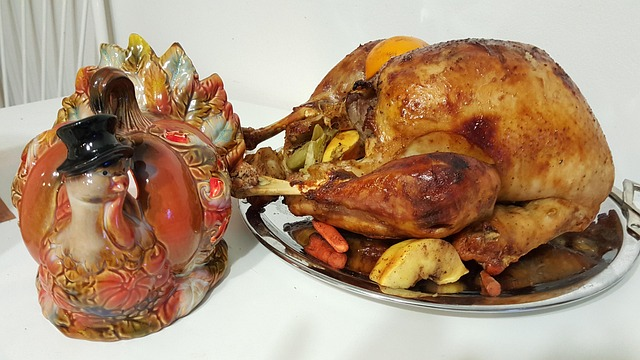
    Think about turkey breast and vegetables for delicious and healthy meals.

    Here are some tips for staying on track during the Thanksgiving break.

    • Write down specific goals. For example, you might commit to walking for 30 minutes and eating 4 servings of vegetables each day.
    • Ensure that healthy food is available by serving or sharing a healthy dish at every holiday gathering. Green salad with dressing and toppings on the side, roasted vegetables, and fresh vegetable and fruit trays are good options.
    • Include others as much as possible. For example, walk with your kids to the park to play sports, or walk with them at the mall for a few minutes before shopping. 

    To keep from feeling deprived, focus on what you can have. Here are some examples. 

    • Thanksgiving treats on Thanksgiving, and healthy leftovers like skinless turkey the rest of the weekend. 
    • Watching football on Sunday afternoon with active breaks to stand up every half hour. 
    • Water, ice water, herbal tea, cinnamon tea, and other low-calorie beverages.
    • Balanced plates with colorful vegetables. 

    Thanksgiving can mean something different to everyone, but you can get exactly what you want from it by prioritizing and planning. What are your plans?

  • Here’s How We Grocery Shop Without a Car

    I talked before about why I don’t own a car, and how my son and I get where we need to go. Here’s how we go grocery shopping without a car. Good news: it doesn’t involve pizza delivery, meal kits, or exorbitant grocery delivery fees! It involves delivery services and a lot of walking.

    Typical Car Ownership and Driving Habits in the US

    Many Americans may have trouble even imagining what it’s like not to own or share a car. The average household in the US has more than 2 cars. There are 0.8 cars per person, which may not sound like much until you realize that that figure includes children!

    Among drivers, there are 1.2 cars per driver! (Side question: what do people do with their extra cars when they own more than one?). People drive about 7-14 miles per day.

    These numbers are lower in certain dense urban areas on the East Coast like Boston and New York where public transportation is common and more convenient. For example, only about half of households in these cities have cars. But in many metropolitan areas, including the one in which I live, car ownership is near ubiquitous among households. 

    These figures imply that most people drive to get their groceries. Or, since about half of food dollars are spent on food prepared outside the home like at restaurants, people eat out. So how does my household get groceries? 

    Grocery Delivery

    I use Walmart Plus InHome grocery delivery service. For a single annual fee, I get the following benefits. 

    • Groceries and everything else Walmart sells at in-store prices, with no mark-up for delivery services
    • Free delivery on minimum orders of $35, with delivery windows of 9:00 a.m.-1:00 p.m. or 2:00 p.m.-6:00 p.m. 
    • No need to tip the delivery person, who is a Walmart employee (not a third party driver as many delivery services use)
    • Free shipping on many items with no minimum fee. Eligible items may include non-perishable grocery items (though a limited selection), clothing, electronics, and other non-grocery items

    I find that Walmart has competitive prices on national brands, great prices on store brands, and a great selection of store brands, including many varieties and flavors analogous to what national brands offer. 

    Their produce is often good, though I regularly get bruised tomatoes and overripe bananas. Walmart occasionally makes mistakes in the orders, but they make it easy for me to ask for refunds. 

    Walking to Supermarkets

    We’re lucky to live within 2 miles of 3 different supermarkets. Within 50-70 minutes, I can walk to a store, shop, and bring back a load of groceries.

    A Local “International” Supermarket

    Most of my fruits and vegetables come from a store that’s 1.25 miles away from my home. There are about 20 locations in my general area of the country. Fruit and vegetable prices are often half the price of standard supermarkets. 

    It’s a fun place to shop because prices can change daily. You never know what great deal you’ll find, like 2-lb bags of organic cauliflower florets for $1.49 a few weeks ago. That makes it ideal for walking because I can’t carry much, so it’s easier to go frequently anyway and only purchase a little at a time. 

    The store calls itself an “international marketplace.” Many of the customers are Armenian or Russian. It’s a great place to purchase things like kalamata or other specialty olives, Bulgarian or Greek feta, and similar foods that are common in the Mediterranean countries and terribly overpriced at major supermarkets. Breads like white and whole-wheat pita and lavash are delivered fresh daily.

    This store is a great complementary option to Walmart. It fills in for fruits and vegetables that are lacking at Walmart. Conversely, it’s not the best place to buy standard packaged American items like oatmeal, peanut butter, and flour. It’s pricey and selection isn’t great. 

    Amazon Fresh Is Attractive

    Amazon Fresh has a location less than a mile from me. I don’t normally shop there much (though I wrote about how I’m currently on a free 3-month trial for their delivery service and am loving it). As for shopping in the store myself, I do appreciate it being there.

    It’s my go-to for a few things like fresh flowers when I need a gift for someone. It often has iceberg lettuce cheaper than at other places, and it does have some store-brand items and random other items at fabulous prices if you look hard enough. 

    Its real draw for me, though, is that it’s kid-friendly. That means I can walk there with my son (walking or biking). I get to take a walk, and my child is happy – that’s a true benefit! When we get there, my son gets to choose a free piece of fruit – he always chooses a banana from among the banana, tangerine, and apple offerings – and uses a kid-sized shopping cart. Sometimes, he gets a sheet of stickers. Whatever works!

    Whenever we’re out with the car, I keep my eyes open for other grocery shopping opportunities. Ralphs (Kroger), Vons (Safeway), and Trader Joes are fun destinations, but they’re not regular for us. Still, every car load helps!

  • Healthy Hot Dogs and Hamburgers for Kids and Parents: Quick & Family-Friendly Ideas

    Hot dogs and hamburgers are easy, quick, and kid favorites, but they can be among the least healthy choices for a family meal. Still, with a few swaps, you can make them healthier. Healthy hot dogs and burgers with high-fiber sides can be easy to make and kid-friendly. Here are tips for cutting back on saturated fat and refined carbs and adding protein and fiber, while keeping kids’ tastes buds in mind. 

    Choose a Healthier Hot Dog

    A standard beef or pork hot dog is high in saturated fat and cancer-causing nitrates. It’s not even that high in protein, with 5 grams of protein, or 10% of the daily value, in a classic wiener. Protein helps your kids grow and it helps you stay full for longer, which makes weight management easier. 

    Turkey franks are slightly better. They’re lower in saturated fat and don’t have red meat, which is linked to heart disease risk. But they’re still not great. They have cancer-causing nitrates just like beef dogs do, and they only have 5-6 grams of protein.

    For a much healthier choice, try veggie dogs. They’re free from nitrates and cholesterol, and they’re low in saturated fat. They’re also higher in protein. A jumbo veggie dog, for example, has about the same amount of calories as a beef or turkey dog, with 100 calories, but it has no nitrates, no cholesterol, and 14 grams of protein. 

    Better Burger Alternatives

    Don’t do it! A burger and fries can have over 1,000 calories, but with just a bit more effort, you can serve a nutritious, high-protein meal!

    Burgers can be higher in protein than hot dogs, but for the sake of your health and your children’s health, consider alternatives to regular beef burgers. A 4-ounce beef patty made with 85% lean ground beef has 240 calories and 6 grams of saturated fat. That’s about a quarter of the daily limit for saturated fat. Plus, red meat – even lean red meat – can increase risk for heart disease due to the way your body metabolizes it. 

    Try a lean ground turkey burger instead. Look for 90-95% lean. Keep it from being too dry by adding a bit of grated zucchini, a splash of milk, or beaten egg. A tablespoon of light mayo or a few squeeze of ketchup can also help. Be sure not to overwork the meat when you’re shaping it. 

    Here are some other alternatives to offer. 

    • Skinless chicken is a great lean option. Bake or grill it for kids who like simple foods. 
    • If your children like chicken nuggets, make healthier versions. Dip chicken tenderloin in egg whites and coat it with whole-grain cracker crumbs or breadcrumbs, oats, or almond meal. Bake it on a sprayed cookie sheet.
    • Veggie burgers. They’re fun for kids who like colors and textures. Different varieties may have garbanzo beans, black beans, yellow corn, green peas, orange carrots, quinoa, oats, and more. 

    Whole-Grain Buns and Wraps

    Why waste space and calories with a white bun when a whole-wheat bun is just as easy to come by? Both hot dog and hamburger buns are usually available in a generic or store brand version, so they’re affordable. Whole-grain tortillas can also be great choices for hot dogs. Kids get a kick out of a rolled-up hot dog. 

    Choosing a whole-grain bun is an easy way to boost whole grains and fiber. That’s important because a typical American gets less than half of the recommended amounts of whole grains and fiber, but these are linked to lower risk for obesity, type 2 diabetes, and heart disease. Remember to offer the bun toasted if your children may enjoy it more that way.

    For yourself, consider portion control. A smaller, store-brand whole-wheat hamburger bun can have about 120 calories. A national brand, larger bun can have 200 or more calories and 35 or more grams of carbohydrates. 

    If you’re going low-carb, consider a low-carb tortilla, low-carb wrap, or naked dog or burger. 

    Sneak More Nutrients into the Burger

    You’ve given your kids a great start with a whole-grain bun and lean protein for the filling, but it’s okay to push for more! If your goal is to get as much nutrition as possible into the burger and your child’s belly, here are some more ideas. 

    • Mashed or pureed ripe avocado for heart-healthy fats and a creamy texture
    • American cheese slices or a slice of another type of hard cheese for protein and calcium.
    • Meatless bacon
    Give your children enough healthy choices, and they are sure to end up with a healthy meal that they love.

    If you do opt for process cheese, just read the nutrition facts and ingredients. Look for a brand that has protein and calcium. Some varieties are made mostly with starch, and don’t have much protein.

    Healthy Toppings and Condiments

    Some children love toppings. Others prefer their food plain. A squeeze of ketchup is probably the most popular choice for kids. Grown-ups can enjoy relish, yellow mustard, dijon mustard, or spicy brown mustard for a low-calorie condiment. 

    For yourself, feel free to make a more filling burger or hot dog by piling it high with grilled onions and peppers, mushrooms cooked in a small amount of broth, or lettuce and tomato. 

    Kid-Friendly Vegetable Sides

    Instead of a hot dog and chips or a burger and fries, serve plenty of appetizing vegetables. For example, for a crunchy side, skip potato chips. Instead, cut sodium and fat, and add vegetables and nutrients  with baked kale chips. Shred kale leaves, toss them in olive oil and sea salt or parmesan cheese, and bake them on a sprayed cookie sheet. 

    Instead of French fries, try baked strips of sweet potato, zucchini, carrots, green beans, or parsnip. They’re delicious and far healthier choices than fried potatoes, and many children like these choices. 

    Colorful finger foods may be enticing enough to get your children to eat vegetables. Let them choose their favorites!

    If you need more vegetables for yourself, serve a side salad. It’s easy, filling, and low in calories. 

    Bon Appetit!

    Depending on your children’s ages and abilities, consider involving them to various degrees. Older children may be able to help you set the table and prepare some foods, like coating chicken with breadcrumbs, mashing avocado, or tossing kale with olive oil and parmesan. Children may enjoy assembling their own burger or hot dog and toppings. Even younger children may appreciate you asking how they want their burger or dog, and which sides they prefer. 

    End a meal with fresh fruit instead of a sugar-sweetened dessert, and your child may be just as happy.

    How do you get a quick, healthy lunch or dinner on the table for your whole family? How do you serve it? Please tell me your ideas!

  • What Everyone Wants to Know: What was at the July 4 Potluck?

    I posted my reflections from the Fourth, talking about balancing healthy food and activity choices with the just-as-critical need for socialization, fun, and relaxation that can recharge you for the coming weeks and months. Today, let’s keep it light-hearted with a run-down of the food and beverages at the potluck I attended. 

    It was an afternoon block party with 100’s of attendees from the neighborhood. The hosts asked attendees to bring something to share. Unlike at many potlucks, there were no guidelines on what to bring, or who should bring items in various categories like beverages, appetizers, proteins, sides, desserts, condiments, and tableware. We did all know that there was a grill, and that it was a casual event.

    Spoiler alert: it worked out beautifully!

    Setting the Scene

    When my son and I arrived, we went straight to the food tables to drop off our contributions. As I had asked my mom to bake and bring a dessert, my son and I felt free to be lazy. We brought a package of napkins, a bottle of light ranch salad dressing, a bottle of honey mustard, and a can of whipped topping. There turned out to be a large bowl of fruit including berries, grapes, and tangerines, making the whipped topping look ideal. 

    There were 4 long tables with food and tableware, about 6 coolers filled with alcoholic and kid-friendly beverages, and a table with ice and more beverages. The tables were vaguely organized with plates, napkins, and plastic ware first, followed by items related to grilled foods, followed by sides, desserts, and finally beverages. It was all refreshingly casual and hands-off – you were free to put your food down and take whatever you wanted whenever you wanted.

    The Food at the Fourth of July Block Party and Potluck

    So what was there? Pretty much everything was there. People had brought raw proteins, including hot dogs, beef burger patties, and even salmon. There were also pans of cooked proteins, including pigs in blankets and chicken drumsticks. Hot dog, hamburger, and brioche buns were abundant, as were condiments from ketchup, pickles, and relish to several different types of mustard. Our honey mustard fit right in.

    There were more meatballs than you might see at a typical event, probably because the day’s cookoff item was meatballs. Merguez meatballs with a side of cooked carrots, meatballs with tomato sauce, and meatballs with pickles were a few varieties. They all looked delicious, suitable for a contest, and made with a good amount of fatty beef or pork. 

    Next up were side dishes. It looked like a lot of people put their hearts into their homemade recipes. Salad examples were salmon and pea rotini salad, spaghetti salad, tomato balsamic salad with mushrooms, chopped basil, and mozzarella balls, and a few kinds of coleslaw, none of which contained mayonnaise. There were also various 7-layer bean dips.

    There was even a simple vegetable tray that had home-cut vegetables, which is a rare sight these days. It had red and yellow bell pepper strips, rainbow baby carrots, Persian cucumber spears, and celery sticks. I helped myself to quite a bit, and enjoyed the honey mustard I’d brought with the vegetables. 

    Desserts included two beautiful pumpkin loaves from my mom, sliced into appropriately-sized pieces. One loaf had a chocolate swirl topping. Other desserts were cheesecake bars topped with berries, watermelon wedges, and brownies.

    The beverage selection was quite a treat! There was alcohol of all descriptions. There was homemade lemonade – a 5-gallon container that must have taken forever for someone to make – as well as a 5-gallon pitcher of ice water infused with strawberries and mint. Cans of sparkling water, ouches of juice drinks, and sodas were also there, along with plenty of ice. 

    My son and I weren’t the only ones to bring store-bought items. The other store-bought items that we saw had also been chosen carefully and given with love. Classic mayo-laden potato salad, sliced cheese for the burgers, bags of potato chips, tubs of hummus and guacamole, large chocolate chunk cookies, boxes of doughnuts, and red, white, and blue star cookies are a few examples. 

    How Anyone Can Make Healthy Choices

    Here’s what I focused on, though I probably still ate more than I needed.

    • Raw vegetables. They were so fresh and good!
    • Pickles. I don’t usually buy pickles because I don’t need the extra sodium, but I do love pickles. 
    • Tomatoes and mozzarella balls sitting in balsamic vinaigrette. They were halved grape tomatoes, and absolutely delicious.
    • A few goodies from my son’s plate. Isn’t that what kids are for? I think we all know that when you eat from your child’s plate, the calories, sugar, and fat don’t count…
    • Strawberry and mint-infused ice water was a beautiful, refreshing, and healthy touch.

    What Do Americans Eat on July Fourth?

    I can only tell you my experience, but it is a sample size of hundreds of families. Here’s what I found.

    • Burgers and hot dogs with all the fixings
    • Coleslaw, pasta salad, and potato salad
    • Watermelon and other fresh fruit
    • Sugary drinks, alcoholic drinks, and low-calorie drinks
    • Desserts, and more desserts
    • Chips, vegetables, and dip

    Conclusions: as with most other situations, you can eat healthy, eat terribly, or do something in between. 

    What did you eat this Independence Day?