Tag: healthy

  • How My 8-Year-Old Decided to Be the MVP of Our Thanksgiving Team

    How My 8-Year-Old Decided to Be the MVP of Our Thanksgiving Team

    Thanksgiving is our family’s biggest holiday besides birthdays. By “big,” I mean it’s the one holiday we’re sure to celebrate. Our gathering is smaller than most people’s, usually including the four of us – me, my 8-year-old son, and my parents, who live down the street and host the meal. Compared to what I often hear from others, our Thanksgiving is less stressful. 

    We follow the spirit of Thanksgiving by putting higher priority on enjoying the holiday and each other than on serving an elaborate meal. While there are some must-haves, like turkey, stuffing, and cranberry sauce, we opt out of the endless parade of casseroles, pies, and other Thanksgiving fare many other families include. 

    For years, my son has been part of the preparations as much as possible for his age, interest, and abilities. He’s now 8. We all contribute to the meal in various ways. This year, he again took part in every part of the preparation, from helping prepare food in our home and at my parents’ house, to planning and executing table decorations, food service, and before-dessert games. Between his joy and his helpfulness, he’s the MVP of our Thanksgiving this year. 

    Thanksgiving Overview: How the Day Goes

    Thanksgiving starts out like most other day when my parents are in town. They walk to our place to pick up my son. I do my morning run and workout. My son spends the morning with my parents prepping food and planning the evening. I show up midday to help get the turkey stuffed and into the oven.

    There’s a quick clean-up, then my son and I leave for the afternoon to get outside and give my parents a break. We return for last-minute prep like decorating the pie and setting the table. Then it’s dinner time.

    Main Course: Turkey, Stuffing, and Vegetables

    My parents purchase and thaw the turkey, and buy the turkey bag for easy roasting. 

    Turkey prep starts in our home the day before Thanksgiving. I chop the vegetables for the stuffing, as well as the vegetables that go either into the turkey bag or alongside the turkey in the oven to roast. Onions and potatoes go into the turkey bag, and onions, carrots, and green beans roast on a pan next to the turkey. I also make a salad because I love salads. 

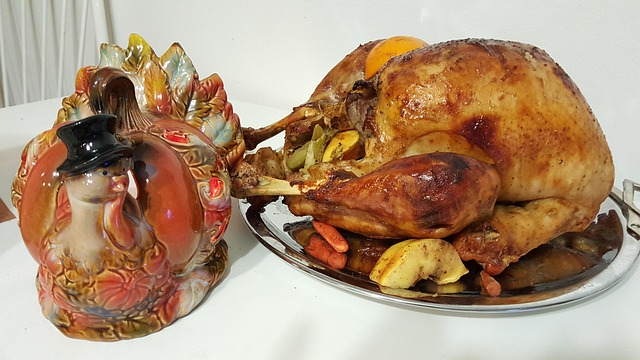
    The turkey is simple, delicious, and elegant.

    My son mixes up the stuffing. It’s always Mrs. Cubbison’s cornbread stuffing. That’s what my grandma used, and that’s what’s right, according to us! I bring the stuffing and vegetables over after my morning run and workout. 

    I get the turkey ready just after an early lunch. Then my son, my dad, and I stuff the turkey and put it in the oven bag along with onions and potatoes. We put it in the oven, and give my mom instructions on when to put the green beans and other vegetables on a pan into the oven later in the afternoon. 

    Pie Prep

    Thankfully, from the point of view of health and stress, we’re not big on Thanksgiving desserts. I don’t ever remember having a pumpkin pie, or any of the other typical fare like pecan pie or cheesecake that others may have. My mom has been known to make an apple cake or something else if she’s inspired, but we don’t have any “required” desserts. 

    My son and I have started making Cool Whip pies because they’re fun and easy. They’re guaranteed to taste good, and there’s no harm done if we decide not to eat the whole thing. Plus, they inspire creativity. 

    This year, we prepped a pie with white Cool Whip on the sides, and a purple Cool Whip “river” colored with blueberry yogurt and blueberries. The “river” included Goldfish, and the banks included green Hershey-ette “trees” “planted” in chocolate syrup “soil.” Pretzel rods formed a “bridge.” We made the pie base in our home the day before, froze it overnight, and finished decorating it on Thanksgiving at my parents’ home. 

    Thanksgiving Morning at the House: My Dad and My Son

    My dad and my son are like two lost brothers. They’re really quite a team. The morning of Thanksgiving, they make cranberry sauce from scratch, bake bread from scratch, and get out the fancy china and silverware that belonged to my grandmother. They get out the extra table for serving the food.

    We always have turkey, stuffing, cranberry sauce, and vegetables.

    The table decorations are always a surprise for me. This year, they turned out to be seat markers on the back of each seat. They had our names and our numbers, which are the numbers my son has assigned to us as members of his imaginary baseball team. The centerpiece was a pumpkin decorated with a face drawn with gold and silver metallic pens.

    They also put the final touches on the plans for entertainment after dinner and before dessert. Previous years have included puppet shows, Lego demonstrations, and story telling. This year was a series of board games in a sort of tournament style. It’s always very well orchestrated, as my son pays remarkable attention to detail, and my dad has a remarkable capacity to pay attention and remember his role. 

    Fresh bread is always a treat.

    Post-Dinner: Clean-Up and Relax

    After dinner, my mom and I clean up. She clears the table, and I wash the dishes. Both of us enjoy it; we find it relaxing. During clean-up time, my dad plays with my son. He enjoys that; he finds it relaxing. 

    We’re all satisfied and pleased with the meal, and my son is proud of himself for a job well done. We’re grateful to have him make the holidays more special and meaningful.
  • Stress-Free Ways to Get Your Kids to Eat Whole Grains at Lunch

    Stress-Free Ways to Get Your Kids to Eat Whole Grains at Lunch

    We talked recently about the benefits of whole grains, and the fact that American kids are falling short of recommendations for whole grain consumption. The last blog post was about increasing whole grains at breakfast. Now it’s time to talk about whole grains at lunch!

    To make sure your children get at least half of their grains from whole grain sources, which is the recommendation, you’ll need to add whole grains to the rest of their day. Here are 10 stress-free ways to add whole grains to lunch. Each meal has 350-450 calories, is high in fiber, and has at least 15 grams of protein. Many of these options are portable and suitable for lunch at school.

    1. PB&J Sandwich 

    Peanut butter and jelly is inexpensive, easy, kid-friendly, and now…it’s healthy! Swap whole-grain bread for white bread, and use fruit instead of sugar-laden jelly. Another option is to use sugar-free jam or make your own fruit spread with mashed banana or cooked berries.

    430 calories, 6 grams of fiber, 15 grams of protein

    What’s in it: Sandwich with 2 slices of whole-wheat bread, 1 tablespoon of peanut butter, and 2 tablespoons of mashed banana, plus a string cheese stick, baby carrots or grape tomatoes, and a tangerine

    Pro Tip: Use almond butter if peanuts are banned, or chickpea butter for a peanut and nut-free environment. For a fun twist, swap the bread for a whole-wheat English muffin or a whole-grain tortilla. 

    2. Pita Crisps with Hummus

    Brush whole-grain pita with olive oil, sprinkle it with salt, and toast it. Break it into pieces for easy dipping. Fill out the lunch with a container of yogurt, baby carrots, and some fruit. 

    450 calories, 8 grams of fiber, 20 grams of protein

    What’s in it: ½ large whole-grain pita, 2 teaspoons of olive oil, ¼ cup hummus, ¾ cup of Greek yogurt, baby carrots, ½ apple

    Pro Tip: If the flavors in store bought hummus are too strong for your children, try making your own by blending canned garbanzo beans with olive oil or tahini. If they don’t like garbanzo beans, they can dip pita crisps into peanut butter, cottage cheese, guacamole, or bean dip. 

    3. Burrito Wedges

    Bean and cheese burritos are simple and nutritious. To make burrito wedges, spread a tortilla with beans, add cheese, and top with another tortilla. Cut into quarters, sixths, or eighths. Use canned fat-free refried beans for kids who don’t like the texture of black or pinto beans. Kids with more sophisticated tastes may enjoy a spoonful of salsa mixed into their beans. 

    300 calories, 7 grams of fiber, 16 grams of protein

    What’s in it: 2 small whole-grain flour tortillas, ¼ cup of refried beans, 2 slices of low-fat American or cheddar cheese

    Pro Tip: To make sure the burrito stays intact, only add a small amount of fillings. Otherwise, the burrito may become too messy for small children to handle, especially at school. Use American cheese slices or low-fat cheddar slices instead of shredded cheese to make the burrito less messy. 

    4. Quesadilla

    Quesadillas can be high in fiber and protein.

    Quesadillas can be a good option for fussier kids who aren’t fond of burritos. They have simple ingredients that kids are used to, and many kids love the textures of the crisp tortilla and melted cheese. If your children will allow, put some spinach, thinly sliced zucchini, sliced mushrooms, or thin slices of tomatoes in the quesadilla. Another way to add vegetables is to spread a layer of mashed peas on one of the tortillas before topping it with cheese. Fill out the lunch with some fruit. 

    450 calories, 9 grams of fiber, 21 grams of protein

    What’s in it: 2 soft taco-sized whole-wheat flour tortillas, 1-2 ounces of low-fat shredded jack, cheddar, or mozzarella cheese, ½ cup of vegetables, and a side of fresh fruit

    Pro Tip: Turn it into a fun dipping experience by cutting the quesadilla into strips. Kids may enjoy guacamole, ketchup, or ranch dip. For kids who like more familiar flavors, try a pizza quesadilla with mozzarella cheese, and tomato sauce for dipping.

    5. Grilled Cheese and Tomato Soup

    This classic comfort combo offers opportunities for whole grains, calcium, protein, and vegetables. Instead of frying the bread in butter, toast the bread with cheese before closing the sandwich to serve. Read the label when choosing a can of tomato soup. Added sugar content can vary widely, so choose a brand with a lower amount. Also check the list of ingredients to make sure that tomatoes or tomato sauce is listed first. 

    450 calories, 6 grams of fiber, 19 grams of protein

    What’s in it: 2 slices of whole-wheat bread, 2 slices of low-fat American singles, 12 ounces of tomato soup

    Pro Tip: Any type of cheese is fine. If you’re using American singles, check the label to make sure it’s made with real cheese, and not just oil and starch. The nutrition facts panel should  show protein and calcium, and the ingredients should include milk or cheese.

    6. Whole-Grain Mini Pizzas

    Buy a whole-grain pizza crust to top, or make mini pizzas on whole-wheat bread or whole-grain English muffin
    or bagel halves.

    Kids like pizza! Give them what they love in a healthy form that adds whole grains and nutrients to their day. Whole-grain English muffin halves, whole-grain bagel halves, and sliced wheat bread are all good choices. Offer plenty of toppings like peppers, olives, and pineapple, and let kids make their own pizza. 

    420 calories, 8 grams of fiber, 18 grams of protein

    What’s in it: 1 whole-grain English muffin, 1 ½ ounces of shredded low-fat cheese, ½ cup of tomato sauce, 1 piece of fruit on the side

    Pro Tip: For a fun DIY pizza experience for lunch home, serve whole-wheat crackers, shredded low-fat cheese, turkey or meatless pepperoni, and a small bowl of tomato sauce. Let your kids assemble their cracker pizzas on their own. For a lunch box version, cut cheese slices into quarters instead of sending shredded cheese. 

    7. Whole-Grain Turkey and Cheese Sandwich

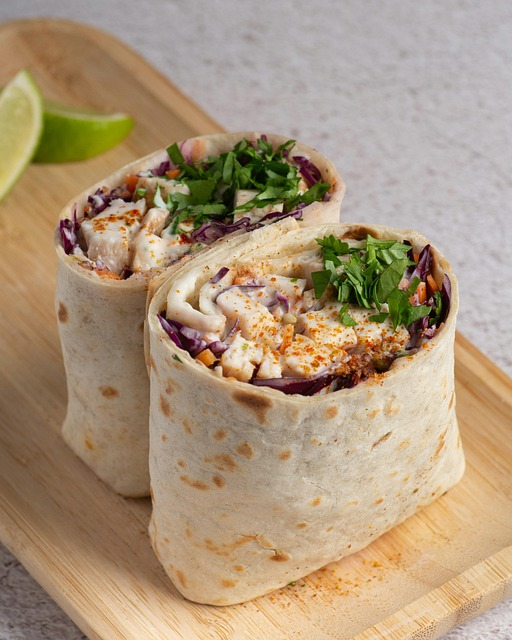
    Try a turkey and cheese sandwich, or cut wraps into pinwheels for a more fun presentation for kids.

    Sandwiches are classic lunch fare at school, especially since they’re finger foods and familiar. Add turkey, cheese, and any of your child’s favorite vegetables, such as shredded carrots or cucumber, sliced tomato, or cooked bell peppers. For creaminess, add low-fat cream cheese.

    Description

    400 calories, 7 grams of fiber, 20 grams of protein

    What’s in it: 2 slices of whole-wheat bread, 2 ounces of lean, nitrate-free turkey, 1 slice of low-fat cheese, ½ cup of vegetables, 1 tablespoon of low-fat cream cheese

    Pro Tip: For a change in pace, turn it into a wrap by using a whole-wheat tortilla, or a pita pocket with half of a large whole-grain pita bread. 
    Hopefully these ideas help your kids – and you – get more whole grains into your daily lunch routine. Check out our breakfast ideas with whole grains, and stay tuned for dinner and snack ideas to come!

  • Top Ways to Get Your Kids to Eat Vegetables

    Do your children eat enough vegetables? Most kids don’t even come close. The USDA says only half of children eat a vegetable on a given day. In comparison, the Dietary Guidelines suggest at least 1 ½-2 ½ cup of vegetables per day for children ages 4-8 years.

    The shortfall is even more shocking when you realize that half of these vegetables are potatoes, often as French fries or potato chips.

    Still, it’s possible to get children to eat vegetables. With some trial and a lot of error, I’ve found a few approaches that work for our family. Here are 9 strategies I use to make sure my child gets his vegetables (almost) every day.

    1. Model Prioritizing Vegetables

    What you do may have more influence on your children than what you.say or what anyone else says or tells them. If you eat your vegetables on a daily basis, chances are that they will, too. They may develop this healthy habit later rather than sooner, but they learn from what they see in the home and when they’re out with you.

    Are they learning…

    • That vegetables are on the plate at most meals, or that vegetables are an afterthought for some days, sometimes?
    • That a well-stocked fridge, freezer, and counter have vegetables, or that if vegetables run out, it’s okay to wait until the next big trip to the supermarket?
    • That you look for vegetables when you eat out, or that vegetables are only for boring occasions at home?
    • That vegetables are delicious and fun, or that they’re a chore to eat?

    Think about your meals and your home, and what they are telling your children about vegetables.

    2. Let Them Have Preferences 

    Ask, and they’ll tell you. My son is very clear about what he wants. I let him choose his vegetables from some options that I offer. It’s rare that I go against him. He’s happy because he chose something he likes, and I’m happy because he’ll eat his vegetables. Some kids love raw, colorful vegetables. My son only eats cooked ones except for tomatoes. 

    Some kids love colorful foods, so try everything!

    Another benefit of offering choices is that when kids get to choose, they can take ownership. It happens with clothes they choose, room decorations, and many other areas of their lives. It seems to translate to food, too.

    3. Serve Small Portions

    I used to try to get him to eat more vegetables by serving large portions. It would always be vegetables that he likes, whether eggplant, broccoli, or green beans. And he wouldn’t eat a bite. 

    It took me some time to realize that smaller portions worked better. Maybe the large amounts were so daunting that he was afraid to even try. Now, I serve smaller, doable amounts, and offer second helpings. I can also increase the amount he gets by serving small portions of two different vegetables rather than trying to get him to eat one large portion of one type of vegetable. 

    4. Have a Backup Plan

    Occasionally, for various reasons, afternoon comes and vegetables don’t seem to have made it into the day. It’s helpful to have a convenient backup for those situations. Thankfully, my son loves tomatoes in any form, whether raw, cooked, in tomato sauce, or in vegetable juice. He’ll drink an 11-oz can of vegetable juice if I ask him to. That takes care of 2-3 servings of vegetables without fuss.

    A can of vegetable juice is my secret weapon for days when vegetables have been scarce.

    5. Don’t Make an Issue

    Fighting over food is rarely the best answer. It’s more pleasant to let things happen naturally. If possible, you can pave the way for the “natural” course of things to include vegetables. 

    A bowl of grape tomatoes can disappear quickly, adding fiber and vitamin C to a child’s day!

    For example, when my son comes home from school in the afternoon, he’s probably hungry. I might strategically place a container of grape tomatoes (and a napkin) where he is sitting doing his homework. Usually the contents disappear by the time I come back. For your children, it might be a bowl of carrots with ketchup, some whole-grain crackers with tomato sauce, or cucumbers with yogurt or dip, depending on what your child likes.

    6. But Do Be Firm

    Sometimes, I have to be direct. This might happen when we’re planning to eat with others. For example, if we’re ordering a pizza for our weekly family lunch with my parents, I may tell my son that he’ll have vegetables with his pizza. In that case, I try to let him choose the vegetable, whether it’s a roma tomato, grape tomatoes, cooked carrots, sugar snap peas, or Brussels sprouts.  Once expectations are set, he’s likely to eat his vegetable serving before asking for more pizza. 

    7. Avoid Embarrassment

    I’m a fan of letting people feel comfortable around food and their food choices. If my son is going to a party later where the options are sure to be nutrition-less, I may add extra vegetables to his previous meal or snack. There’s no need to make him feel self-conscious by making him be the only one to eat vegetables at an event, and there’s no need to make him feel guilty if he doesn’t eat well at the event. 

    8. Be Sneaky If Necessary 

    There are all kinds of kid-friendly ways to increase vegetable consumption. Use them when all else fails, or take advantage of them on a daily basis.

    Who knew that pizza could be a tool for getting kids to eat vegetables? Add extra sauce, cooked eggplant with parmesan, and sun-dried tomatoes for a vegetable-packed treat.

    Here are some ideas for adding vegetables to meals in palatable and sometimes sneaky ways.

    • Add diced onions to eggs.
    • Serve extra tomato sauce on pasta, and add cooked tomatoes or other cooked vegetables.
    • Dice broccoli or cauliflower, cook it, and add it to macaroni and cheese.
    • Blend eggplant, grated zucchini, or grated carrots into meatballs and meatloaf.
    • Make vegetable soup with chicken and barley, whole-grain spaghetti, or brown rice.

    9. Normalize Vegetables Outside the Home

    Healthy eating is always, not just at home! Eating out offers opportunities to try new vegetables cooked in different ways. Consider these vegetable-heavy dishes from various cuisines. 

    Use restaurant food to get your kids to love vegetables!
    • Chinese beef or chicken with broccoli
    • Chinese beef, tofu, or chicken stir fry with vegetables
    • Mexican chicken or shrimp fajitas with onions and peppers
    • Italian eggplant parmesan – let them learn to love eggplant at the restaurant, then make healthier versions at home!
    • Mexican vegetarian burritos with grilled squash, peppers, and onions

    By the way, these tips can also work for adults who may be short on vegetables. Might that include you? 

    I hope some of these ideas help you add vegetables to your children’s lives, and hopefully reduce tension around begging them to eat a vegetable. 

    What are your best tips for getting children to eat their vegetables? What are your biggest fails? Comment below!