Tag: kids

  • How I Get My Son to Eat a Variety of Foods – Try These Top Tips with Your Picky Eater

    How I Get My Son to Eat a Variety of Foods – Try These Top Tips with Your Picky Eater

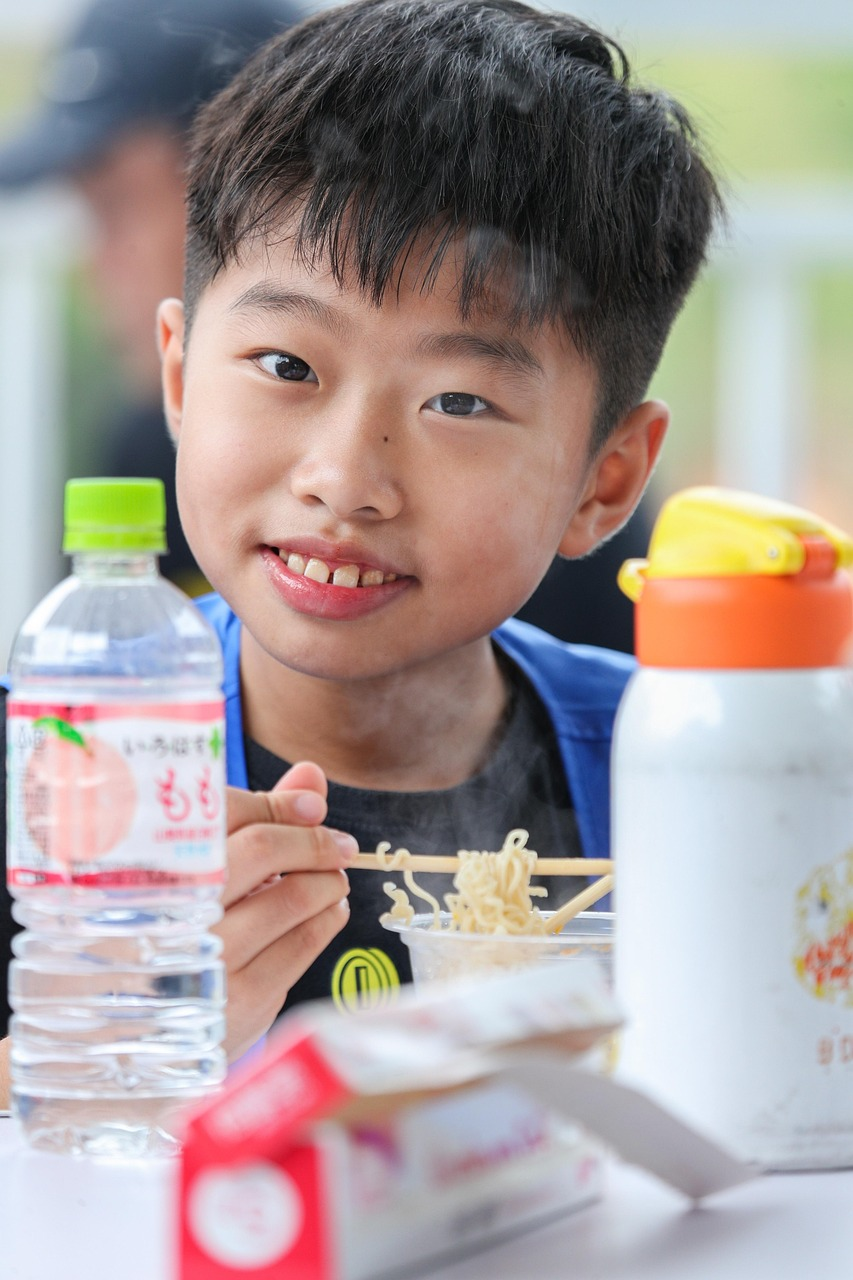
    Are any of your kids picky eaters? If you’re a parent of a picky eater, you’re not alone. About 1 in 5 kids in elementary school are picky eaters. But take heart. Picky eating can be frustrating, but it’s not likely to become a health crisis. Plus, there are things you can do to help your child overcome picky eating. 

    Here’s how I try to get my son, age 8, to eat a variety of foods for a balanced diet while I stay calm. As a nutritionist and single parent, here’s what I use. These tips, backed by expert recommendations and experience.

    Spoiler alert: it’s probably going to turn out just fine. 

    Most important is to keep eating times lighthearted and enjoyable.

    Tip: Have Healthy Foods Nearby

    I’ve seen countless parents tell me their children are picky eaters, but I also see them offering their kids junk food. Once I went with my son to his friend’s house for a playdate. The child had been labeled a “picky eater.” There was a tidy kitchen, with a pizza box on the counter. That afternoon, the boys ate from that pizza box, and served themselves ice cream and soda from the freezer and fridge. 

    I wonder whether the child would be more likely to eat other foods if other foods were more available and appealing than the pizza, soda, and ice cream at that house. What if there were grape tomatoes on the counter, cheese sticks and grapes in the fridge, and peanuts in the pantry? Might the child be more prone to eating those nutritious foods? 

    Tip: Prioritize Hunger at Meals

    I know several children who always seem to be eating when I see them. Their parents tell me that they’re fussy eaters and don’t eat foods like vegetables, fruit, and dairy products. 

    Kids will eat when they’re hungry. They may appear to be bottomless pits when it comes to snacking, but if they eat too many snacks, their appetite can disappear at mealtimes. That leaves them low on nutrients and variety if their typical snack foods are crackers, chips, and granola bars. 

    Try to offer more nutritious snacks first, like berries, tangerines, baby carrots, and unsweetened brown rice cakes. If they’re that hungry, they’ll eat. If they’re not that hungry, there’s no need to encourage snacking on sugary or fatty snack foods. 

    Tip: Keep Portions Small

    I’ve made the mistake of serving my son oversized portions. He ends up eating none of what I served him, even if it is something he loves. It turns out that he’s intimidated. 

    Offer small portions of a variety of nutritious foods and see what kids choose!

    Keep portions small so kids feel that they are manageable. Even if the plate looks underfull to you, it can look more welcoming for kids. Plus, you can always serve more if they want. 

    Tip: Introduce New Foods Gradually

    Keeping portions small is even more important when introducing new foods. Start with an almost imperceptibly small amount. For example, if your child only likes plain white pasta, try mixing in a teaspoon of tomato sauce before serving it. It will be almost impossible to taste. Gradually increase the amount over weeks.

    Sticking with the pasta example, you can expand a kid’s love for plain pasta to a tolerance for whole grains. Swap about an eighth of their pasta for whole-wheat pasta. Over the course of weeks, gradually increase this amount. 

    The point here is for the child to realize that she can tolerate, and maybe even enjoy, the new food. 

    Tip: Let Your Kids Take Charge

    Many kids love having control. It makes sense, since adults make most of the decisions that affect their lives, from when to get up, what clothes are available to them, what they do during the day, and what they can watch on a screen. Give children control of something fun, personal, and important – their food!

    Let your kids bring a friend to the meal to help them eat a variety of foods.

    The sky isn’t quite the limit (I’m not suggesting that you let them choose an ice cream sundae for dinner with cupcakes for dessert). Try letting your kids work within guidelines that you set. For example, tell them they can choose a vegetable, a fruit, a grain, and a protein for dinner, and see what they come up with. 

    Here are some examples: 

    • Whole-grain pasta with marinara sauce, a yogurt, and strawberries
    • A whole-grain bagel with peanut butter, raisins, and a V8. 
    • Plain Cheerios with milk, a banana, and a squeeze pack of fruit-veggie mix. 

    A variation is to let your children choose from a menu that you provide. The more control they have, the more they are likely to eat what they choose. 

    Tip: Model How You Want Them to Eat

    When you are eating from the pizza box on the counter, what do you think your kids will want? Probably pizza, not a salad. When you go out for Chinese food, are you ordering fried rice, chow mein noodles, and sweet and sour chicken? Or are you opting for chicken with broccoli, mixed vegetable stir fry, and brown rice?

    Modeling may be the most important tool we have as parents. It may also be the toughest, since it’s easier to live by, “Do as I say, not as I do.” It may also be slow to get results from modeling. But it’s likely to lead to the longest-lasting effects. 

    When kids see us eating healthy, kids learn that the people they respect the most – their parents – eat healthy. They learn how to eat healthy, since they see us grocery shopping and preparing foods. They learn what healthy is, since they see us do it. And they learn that healthy is normal. 

    Do your best to eat a variety of foods, include healthy options at each meal, and try new things. Don’t be afraid to let your kids know if you tried something and hated it. They’ll respect you for trying it, and they’ll know it’s okay to dislike something. 

    Tip: Be Calm

    Kids and dogs have a lot in common. For example, they know when we’re nervous. Don’t let your kids know how badly you want them to eat more or eat a wider variety of foods. They’ll make sure to hold out for junk food instead of caving into whatever healthy food you’re offering. Stay matter of fact, and if they choose to skip a meal, let it go. Unless their doctor is concerned, your kids are probably fine. 

    If you’re worried, a daily multivitamin and mineral supplement can provide micronutrients like iron, calcium, B vitamins, and more. Ask your pediatrician if you think your children should have one. 

    How do you get your children to eat a wider variety of nutritious foods?
  • Stress-Free Ways to Get Your Kids to Eat Whole Grains at Lunch

    Stress-Free Ways to Get Your Kids to Eat Whole Grains at Lunch

    We talked recently about the benefits of whole grains, and the fact that American kids are falling short of recommendations for whole grain consumption. The last blog post was about increasing whole grains at breakfast. Now it’s time to talk about whole grains at lunch!

    To make sure your children get at least half of their grains from whole grain sources, which is the recommendation, you’ll need to add whole grains to the rest of their day. Here are 10 stress-free ways to add whole grains to lunch. Each meal has 350-450 calories, is high in fiber, and has at least 15 grams of protein. Many of these options are portable and suitable for lunch at school.

    1. PB&J Sandwich 

    Peanut butter and jelly is inexpensive, easy, kid-friendly, and now…it’s healthy! Swap whole-grain bread for white bread, and use fruit instead of sugar-laden jelly. Another option is to use sugar-free jam or make your own fruit spread with mashed banana or cooked berries.

    430 calories, 6 grams of fiber, 15 grams of protein

    What’s in it: Sandwich with 2 slices of whole-wheat bread, 1 tablespoon of peanut butter, and 2 tablespoons of mashed banana, plus a string cheese stick, baby carrots or grape tomatoes, and a tangerine

    Pro Tip: Use almond butter if peanuts are banned, or chickpea butter for a peanut and nut-free environment. For a fun twist, swap the bread for a whole-wheat English muffin or a whole-grain tortilla. 

    2. Pita Crisps with Hummus

    Brush whole-grain pita with olive oil, sprinkle it with salt, and toast it. Break it into pieces for easy dipping. Fill out the lunch with a container of yogurt, baby carrots, and some fruit. 

    450 calories, 8 grams of fiber, 20 grams of protein

    What’s in it: ½ large whole-grain pita, 2 teaspoons of olive oil, ¼ cup hummus, ¾ cup of Greek yogurt, baby carrots, ½ apple

    Pro Tip: If the flavors in store bought hummus are too strong for your children, try making your own by blending canned garbanzo beans with olive oil or tahini. If they don’t like garbanzo beans, they can dip pita crisps into peanut butter, cottage cheese, guacamole, or bean dip. 

    3. Burrito Wedges

    Bean and cheese burritos are simple and nutritious. To make burrito wedges, spread a tortilla with beans, add cheese, and top with another tortilla. Cut into quarters, sixths, or eighths. Use canned fat-free refried beans for kids who don’t like the texture of black or pinto beans. Kids with more sophisticated tastes may enjoy a spoonful of salsa mixed into their beans. 

    300 calories, 7 grams of fiber, 16 grams of protein

    What’s in it: 2 small whole-grain flour tortillas, ¼ cup of refried beans, 2 slices of low-fat American or cheddar cheese

    Pro Tip: To make sure the burrito stays intact, only add a small amount of fillings. Otherwise, the burrito may become too messy for small children to handle, especially at school. Use American cheese slices or low-fat cheddar slices instead of shredded cheese to make the burrito less messy. 

    4. Quesadilla

    Quesadillas can be high in fiber and protein.

    Quesadillas can be a good option for fussier kids who aren’t fond of burritos. They have simple ingredients that kids are used to, and many kids love the textures of the crisp tortilla and melted cheese. If your children will allow, put some spinach, thinly sliced zucchini, sliced mushrooms, or thin slices of tomatoes in the quesadilla. Another way to add vegetables is to spread a layer of mashed peas on one of the tortillas before topping it with cheese. Fill out the lunch with some fruit. 

    450 calories, 9 grams of fiber, 21 grams of protein

    What’s in it: 2 soft taco-sized whole-wheat flour tortillas, 1-2 ounces of low-fat shredded jack, cheddar, or mozzarella cheese, ½ cup of vegetables, and a side of fresh fruit

    Pro Tip: Turn it into a fun dipping experience by cutting the quesadilla into strips. Kids may enjoy guacamole, ketchup, or ranch dip. For kids who like more familiar flavors, try a pizza quesadilla with mozzarella cheese, and tomato sauce for dipping.

    5. Grilled Cheese and Tomato Soup

    This classic comfort combo offers opportunities for whole grains, calcium, protein, and vegetables. Instead of frying the bread in butter, toast the bread with cheese before closing the sandwich to serve. Read the label when choosing a can of tomato soup. Added sugar content can vary widely, so choose a brand with a lower amount. Also check the list of ingredients to make sure that tomatoes or tomato sauce is listed first. 

    450 calories, 6 grams of fiber, 19 grams of protein

    What’s in it: 2 slices of whole-wheat bread, 2 slices of low-fat American singles, 12 ounces of tomato soup

    Pro Tip: Any type of cheese is fine. If you’re using American singles, check the label to make sure it’s made with real cheese, and not just oil and starch. The nutrition facts panel should  show protein and calcium, and the ingredients should include milk or cheese.

    6. Whole-Grain Mini Pizzas

    Buy a whole-grain pizza crust to top, or make mini pizzas on whole-wheat bread or whole-grain English muffin
    or bagel halves.

    Kids like pizza! Give them what they love in a healthy form that adds whole grains and nutrients to their day. Whole-grain English muffin halves, whole-grain bagel halves, and sliced wheat bread are all good choices. Offer plenty of toppings like peppers, olives, and pineapple, and let kids make their own pizza. 

    420 calories, 8 grams of fiber, 18 grams of protein

    What’s in it: 1 whole-grain English muffin, 1 ½ ounces of shredded low-fat cheese, ½ cup of tomato sauce, 1 piece of fruit on the side

    Pro Tip: For a fun DIY pizza experience for lunch home, serve whole-wheat crackers, shredded low-fat cheese, turkey or meatless pepperoni, and a small bowl of tomato sauce. Let your kids assemble their cracker pizzas on their own. For a lunch box version, cut cheese slices into quarters instead of sending shredded cheese. 

    7. Whole-Grain Turkey and Cheese Sandwich

    Try a turkey and cheese sandwich, or cut wraps into pinwheels for a more fun presentation for kids.

    Sandwiches are classic lunch fare at school, especially since they’re finger foods and familiar. Add turkey, cheese, and any of your child’s favorite vegetables, such as shredded carrots or cucumber, sliced tomato, or cooked bell peppers. For creaminess, add low-fat cream cheese.

    Description

    400 calories, 7 grams of fiber, 20 grams of protein

    What’s in it: 2 slices of whole-wheat bread, 2 ounces of lean, nitrate-free turkey, 1 slice of low-fat cheese, ½ cup of vegetables, 1 tablespoon of low-fat cream cheese

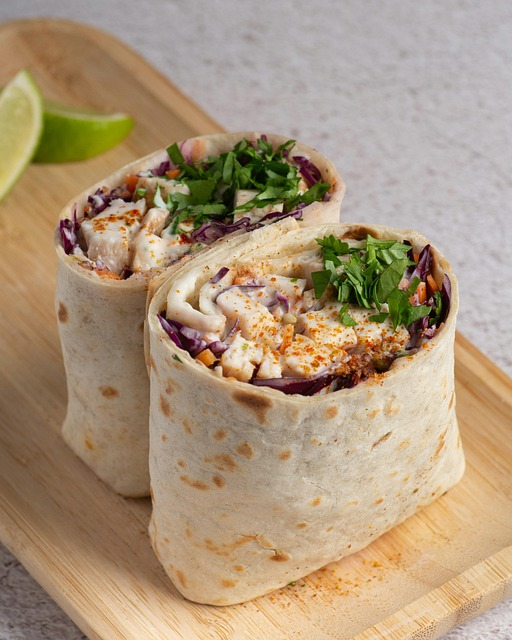
    Pro Tip: For a change in pace, turn it into a wrap by using a whole-wheat tortilla, or a pita pocket with half of a large whole-grain pita bread. 
    Hopefully these ideas help your kids – and you – get more whole grains into your daily lunch routine. Check out our breakfast ideas with whole grains, and stay tuned for dinner and snack ideas to come!

  • How Much Halloween Candy Is Okay for Kids — and How to Handle the Leftovers Peacefully

    Halloween is a favorite night for many kids. It’s full of magic, from Halloween parties and school parades in costume to after-dark escapades around dark, decorated neighborhoods for trick-or-treating. It’s exciting to see how much of their favorite types of candy they can collect, but what happens to the buckets and mountains of candy when the evening is over? 

    A few treats are fine, especially when they come after months of anticipation and the feeling of “earning” them by trick-or-treating. What’s not okay is an excessive amount of candy for too long, leading to risk for weight gain, sugar highs and lows, tooth decay, and displacement of more nutritious foods. Here’s a take on how much Halloween candy is okay, and what you can do with the rest without experiencing World War III against the children in your household. 

    Why Set Limits on Candy Consumption?

    On the whole, candy is high in sugar, and low in nutrients. It may also be high in calories and saturated fat. Sugar consumption is linked to higher risk for obesity, type 2 diabetes, and high triglycerides and a risk for heart disease. Tooth decay is another problem linked to candy consumption. 

    It’s not just that candy has sugar and possibly unhealthy fats. In addition, when kids eat candy for snacks, they may be displacing healthier snacks like these. 

    • Fresh or dried fruit, which has fiber, antioxidants, vitamins, and minerals
    • Nuts or peanut butter, with healthy fats, fiber, and protein
    • Popcorn or rice cakes, with whole grains
    • Yogurt or string cheese, with calcium and protein

    They can even fill up on candy before meals, making them less likely to eat their vegetables and lean proteins like chicken.

    How Much Candy Is Okay for Kids?

    It’s fun to gather buckets or piles of candy on Halloween night, but it’s best to shift your mindset when it comes to actually consuming candy. Your children, and maybe even you, may have had more candy on Halloween Eve than you care to admit, but it’s time to face reality on November 1. 

    A portion of about 80 to 150 calories may be a reasonable amount of candy for a day. That’s assuming the rest of the day relies on healthy foods like vegetables, lean protein, whole grains, and fruit. 

    Here’s what 80-100 calories looks like in terms of candy.

    • A fun-size chocolate bar like Snickers, Milky Way, Kit Kat, or Twix
    • A fun-size package of Skittles or M&Ms

    Here’s what 120-150 calories looks like in terms of candy.

    • 2 Reese’s peanut butter cups
    • A fun-size 1000 Grand or Baby Ruth
    • A small bag of Starbursts
    • 5 mallow pumpkins
    Beautiful, tasty, and totally devoid of nutrients, candy is best as an occasional treat.

    The American Heart Association (AHA) suggests keeping adding sugars to no more than 25 grams a day. That’s about the amount in 3 fun-sized 3-Musketeers bars. 

    Here are some tips for healthier patterns for candy consumption.

    • Sit down and enjoy it together.
    • Encourage a mindful experience by talking about the flavors and textures of the candy.
    • Let your children choose the one they want to enjoy. 
    • If they want two different candies, let them have half of each instead of making them choose just one or letting them have all of both. 
    • Drink some water with the candy, or serve some fruit or yogurt to reduce blood sugar spikes and make it more filling. 

    Both kids and adults can benefit from storing candy out of sight and out of reach. It’s easier to avoid impulse eating.

    Whatever amount you decide on, present it to your children as fact. It’s non-negotiable. 

    What to Do with Extra Candy

    It can feel sad to give away Halloween candy. It may feel personal when your kids have “hand-gathered” it from neighbors and friends. It may also feel like you’re saying goodbye for another year to a fun holiday. But be assured that your candy can go to good purposes. 

    Donate Extra Candy

    Most schools collect leftover candy for a few days or a week after Halloween. They may pass it on to schools in needier neighborhoods, or they may partner with local food banks or charities. You can also donate it directly to food banks, charities for veterans or current active troops, community centers, nursing homes, or charities. 

    Create a Buyback Program

    Some cities host “buyback” programs in which they give money in exchange for owners to give up their illegal firearms or fireworks. Consider turning Halloween into an educational experience with an arithmetic lesson. 

    Attach a certain value to each type of candy, say, 5 cents for a hard candy or gum ball, 25 cents for a fun-sized chocolate bar, or 50 cents for a full-size bag of M&Ms. Spend time with your children taking inventory of each piece of candy and how much it’s worth. Then add up the total value, give your children that much money, and collect the candy they just “sold” to you.

    Use It Wisely at Home

    There are all kinds of fun ways to use candy at home. Keep it in a designated treat jar for special occasions or treats. Use it for crafts like decorating a gingerbread house for the holidays. Bake it into treats like cookies or brownies, or make snack mixes with ingredients like pretzels, cereal, and popcorn. 

    Caution: Keeping candy at home, no matter how good your intentions are for yourself and your children, is risky. It can lead to children begging for more candy that you’ve already said “no” to. It can also lead to you eating more candy than you’d intended. 

    Real Life: Getting Your Kids to Buy In

    For many parents, the real struggle isn’t in setting the rules (e.g., how much candy). It’s in how to enforce them and how much energy they’re willing to invest. Here are some tips for making the struggle less of a struggle.

    Acknowledge your children’s perspective. They worked hard for their candy (at least, harder than they usually do for their food, which generally shows up fully prepared on their plate at the table). Also let them know that you understand how good candy tastes, how fun Halloween is, and how special the occasion is. 

    Give your children choices. They can choose which special pieces to choose. Some parents like to let them choose when to eat the 5-10 pieces of candy that kids are allowed. It can make children feel like they’re getting away with something naughty to get to eat 3 pieces of candy before breakfast. Also let them help choose what to do with the rest, such as where to donate it to and whether they want to help deliver it. 

    Stick to the rules you decide on. Kids love rules. They like struggling against them, and they like the security that comes from knowing the rules their parents created won’t change. It’s comforting.

    How do you decide how much candy your kids can have? What do you do with the rest, and how do you handle your children’s reactions?