Tag: lunch

  • Stress-Free Ways to Get Your Kids to Eat Whole Grains at Lunch

    Stress-Free Ways to Get Your Kids to Eat Whole Grains at Lunch

    We talked recently about the benefits of whole grains, and the fact that American kids are falling short of recommendations for whole grain consumption. The last blog post was about increasing whole grains at breakfast. Now it’s time to talk about whole grains at lunch!

    To make sure your children get at least half of their grains from whole grain sources, which is the recommendation, you’ll need to add whole grains to the rest of their day. Here are 10 stress-free ways to add whole grains to lunch. Each meal has 350-450 calories, is high in fiber, and has at least 15 grams of protein. Many of these options are portable and suitable for lunch at school.

    1. PB&J Sandwich 

    Peanut butter and jelly is inexpensive, easy, kid-friendly, and now…it’s healthy! Swap whole-grain bread for white bread, and use fruit instead of sugar-laden jelly. Another option is to use sugar-free jam or make your own fruit spread with mashed banana or cooked berries.

    430 calories, 6 grams of fiber, 15 grams of protein

    What’s in it: Sandwich with 2 slices of whole-wheat bread, 1 tablespoon of peanut butter, and 2 tablespoons of mashed banana, plus a string cheese stick, baby carrots or grape tomatoes, and a tangerine

    Pro Tip: Use almond butter if peanuts are banned, or chickpea butter for a peanut and nut-free environment. For a fun twist, swap the bread for a whole-wheat English muffin or a whole-grain tortilla. 

    2. Pita Crisps with Hummus

    Brush whole-grain pita with olive oil, sprinkle it with salt, and toast it. Break it into pieces for easy dipping. Fill out the lunch with a container of yogurt, baby carrots, and some fruit. 

    450 calories, 8 grams of fiber, 20 grams of protein

    What’s in it: ½ large whole-grain pita, 2 teaspoons of olive oil, ¼ cup hummus, ¾ cup of Greek yogurt, baby carrots, ½ apple

    Pro Tip: If the flavors in store bought hummus are too strong for your children, try making your own by blending canned garbanzo beans with olive oil or tahini. If they don’t like garbanzo beans, they can dip pita crisps into peanut butter, cottage cheese, guacamole, or bean dip. 

    3. Burrito Wedges

    Bean and cheese burritos are simple and nutritious. To make burrito wedges, spread a tortilla with beans, add cheese, and top with another tortilla. Cut into quarters, sixths, or eighths. Use canned fat-free refried beans for kids who don’t like the texture of black or pinto beans. Kids with more sophisticated tastes may enjoy a spoonful of salsa mixed into their beans. 

    300 calories, 7 grams of fiber, 16 grams of protein

    What’s in it: 2 small whole-grain flour tortillas, ¼ cup of refried beans, 2 slices of low-fat American or cheddar cheese

    Pro Tip: To make sure the burrito stays intact, only add a small amount of fillings. Otherwise, the burrito may become too messy for small children to handle, especially at school. Use American cheese slices or low-fat cheddar slices instead of shredded cheese to make the burrito less messy. 

    4. Quesadilla

    Quesadillas can be high in fiber and protein.

    Quesadillas can be a good option for fussier kids who aren’t fond of burritos. They have simple ingredients that kids are used to, and many kids love the textures of the crisp tortilla and melted cheese. If your children will allow, put some spinach, thinly sliced zucchini, sliced mushrooms, or thin slices of tomatoes in the quesadilla. Another way to add vegetables is to spread a layer of mashed peas on one of the tortillas before topping it with cheese. Fill out the lunch with some fruit. 

    450 calories, 9 grams of fiber, 21 grams of protein

    What’s in it: 2 soft taco-sized whole-wheat flour tortillas, 1-2 ounces of low-fat shredded jack, cheddar, or mozzarella cheese, ½ cup of vegetables, and a side of fresh fruit

    Pro Tip: Turn it into a fun dipping experience by cutting the quesadilla into strips. Kids may enjoy guacamole, ketchup, or ranch dip. For kids who like more familiar flavors, try a pizza quesadilla with mozzarella cheese, and tomato sauce for dipping.

    5. Grilled Cheese and Tomato Soup

    This classic comfort combo offers opportunities for whole grains, calcium, protein, and vegetables. Instead of frying the bread in butter, toast the bread with cheese before closing the sandwich to serve. Read the label when choosing a can of tomato soup. Added sugar content can vary widely, so choose a brand with a lower amount. Also check the list of ingredients to make sure that tomatoes or tomato sauce is listed first. 

    450 calories, 6 grams of fiber, 19 grams of protein

    What’s in it: 2 slices of whole-wheat bread, 2 slices of low-fat American singles, 12 ounces of tomato soup

    Pro Tip: Any type of cheese is fine. If you’re using American singles, check the label to make sure it’s made with real cheese, and not just oil and starch. The nutrition facts panel should  show protein and calcium, and the ingredients should include milk or cheese.

    6. Whole-Grain Mini Pizzas

    Buy a whole-grain pizza crust to top, or make mini pizzas on whole-wheat bread or whole-grain English muffin
    or bagel halves.

    Kids like pizza! Give them what they love in a healthy form that adds whole grains and nutrients to their day. Whole-grain English muffin halves, whole-grain bagel halves, and sliced wheat bread are all good choices. Offer plenty of toppings like peppers, olives, and pineapple, and let kids make their own pizza. 

    420 calories, 8 grams of fiber, 18 grams of protein

    What’s in it: 1 whole-grain English muffin, 1 ½ ounces of shredded low-fat cheese, ½ cup of tomato sauce, 1 piece of fruit on the side

    Pro Tip: For a fun DIY pizza experience for lunch home, serve whole-wheat crackers, shredded low-fat cheese, turkey or meatless pepperoni, and a small bowl of tomato sauce. Let your kids assemble their cracker pizzas on their own. For a lunch box version, cut cheese slices into quarters instead of sending shredded cheese. 

    7. Whole-Grain Turkey and Cheese Sandwich

    Try a turkey and cheese sandwich, or cut wraps into pinwheels for a more fun presentation for kids.

    Sandwiches are classic lunch fare at school, especially since they’re finger foods and familiar. Add turkey, cheese, and any of your child’s favorite vegetables, such as shredded carrots or cucumber, sliced tomato, or cooked bell peppers. For creaminess, add low-fat cream cheese.

    Description

    400 calories, 7 grams of fiber, 20 grams of protein

    What’s in it: 2 slices of whole-wheat bread, 2 ounces of lean, nitrate-free turkey, 1 slice of low-fat cheese, ½ cup of vegetables, 1 tablespoon of low-fat cream cheese

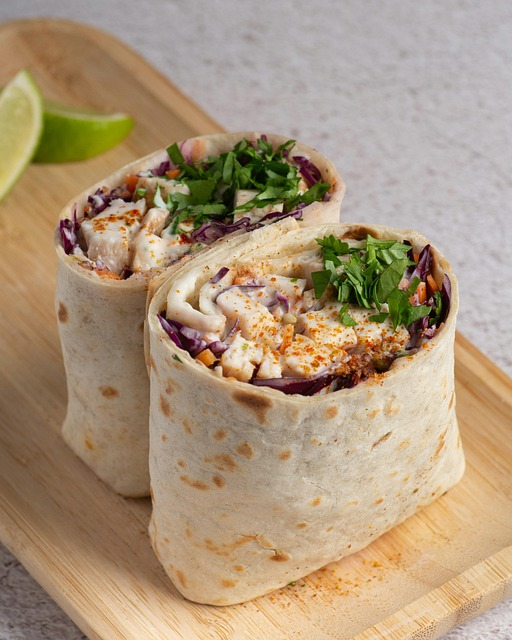
    Pro Tip: For a change in pace, turn it into a wrap by using a whole-wheat tortilla, or a pita pocket with half of a large whole-grain pita bread. 
    Hopefully these ideas help your kids – and you – get more whole grains into your daily lunch routine. Check out our breakfast ideas with whole grains, and stay tuned for dinner and snack ideas to come!

  • Healthy Hot Dogs and Hamburgers for Kids and Parents: Quick & Family-Friendly Ideas

    Hot dogs and hamburgers are easy, quick, and kid favorites, but they can be among the least healthy choices for a family meal. Still, with a few swaps, you can make them healthier. Healthy hot dogs and burgers with high-fiber sides can be easy to make and kid-friendly. Here are tips for cutting back on saturated fat and refined carbs and adding protein and fiber, while keeping kids’ tastes buds in mind. 

    Choose a Healthier Hot Dog

    A standard beef or pork hot dog is high in saturated fat and cancer-causing nitrates. It’s not even that high in protein, with 5 grams of protein, or 10% of the daily value, in a classic wiener. Protein helps your kids grow and it helps you stay full for longer, which makes weight management easier. 

    Turkey franks are slightly better. They’re lower in saturated fat and don’t have red meat, which is linked to heart disease risk. But they’re still not great. They have cancer-causing nitrates just like beef dogs do, and they only have 5-6 grams of protein.

    For a much healthier choice, try veggie dogs. They’re free from nitrates and cholesterol, and they’re low in saturated fat. They’re also higher in protein. A jumbo veggie dog, for example, has about the same amount of calories as a beef or turkey dog, with 100 calories, but it has no nitrates, no cholesterol, and 14 grams of protein. 

    Better Burger Alternatives

    Don’t do it! A burger and fries can have over 1,000 calories, but with just a bit more effort, you can serve a nutritious, high-protein meal!

    Burgers can be higher in protein than hot dogs, but for the sake of your health and your children’s health, consider alternatives to regular beef burgers. A 4-ounce beef patty made with 85% lean ground beef has 240 calories and 6 grams of saturated fat. That’s about a quarter of the daily limit for saturated fat. Plus, red meat – even lean red meat – can increase risk for heart disease due to the way your body metabolizes it. 

    Try a lean ground turkey burger instead. Look for 90-95% lean. Keep it from being too dry by adding a bit of grated zucchini, a splash of milk, or beaten egg. A tablespoon of light mayo or a few squeeze of ketchup can also help. Be sure not to overwork the meat when you’re shaping it. 

    Here are some other alternatives to offer. 

    • Skinless chicken is a great lean option. Bake or grill it for kids who like simple foods. 
    • If your children like chicken nuggets, make healthier versions. Dip chicken tenderloin in egg whites and coat it with whole-grain cracker crumbs or breadcrumbs, oats, or almond meal. Bake it on a sprayed cookie sheet.
    • Veggie burgers. They’re fun for kids who like colors and textures. Different varieties may have garbanzo beans, black beans, yellow corn, green peas, orange carrots, quinoa, oats, and more. 

    Whole-Grain Buns and Wraps

    Why waste space and calories with a white bun when a whole-wheat bun is just as easy to come by? Both hot dog and hamburger buns are usually available in a generic or store brand version, so they’re affordable. Whole-grain tortillas can also be great choices for hot dogs. Kids get a kick out of a rolled-up hot dog. 

    Choosing a whole-grain bun is an easy way to boost whole grains and fiber. That’s important because a typical American gets less than half of the recommended amounts of whole grains and fiber, but these are linked to lower risk for obesity, type 2 diabetes, and heart disease. Remember to offer the bun toasted if your children may enjoy it more that way.

    For yourself, consider portion control. A smaller, store-brand whole-wheat hamburger bun can have about 120 calories. A national brand, larger bun can have 200 or more calories and 35 or more grams of carbohydrates. 

    If you’re going low-carb, consider a low-carb tortilla, low-carb wrap, or naked dog or burger. 

    Sneak More Nutrients into the Burger

    You’ve given your kids a great start with a whole-grain bun and lean protein for the filling, but it’s okay to push for more! If your goal is to get as much nutrition as possible into the burger and your child’s belly, here are some more ideas. 

    • Mashed or pureed ripe avocado for heart-healthy fats and a creamy texture
    • American cheese slices or a slice of another type of hard cheese for protein and calcium.
    • Meatless bacon
    Give your children enough healthy choices, and they are sure to end up with a healthy meal that they love.

    If you do opt for process cheese, just read the nutrition facts and ingredients. Look for a brand that has protein and calcium. Some varieties are made mostly with starch, and don’t have much protein.

    Healthy Toppings and Condiments

    Some children love toppings. Others prefer their food plain. A squeeze of ketchup is probably the most popular choice for kids. Grown-ups can enjoy relish, yellow mustard, dijon mustard, or spicy brown mustard for a low-calorie condiment. 

    For yourself, feel free to make a more filling burger or hot dog by piling it high with grilled onions and peppers, mushrooms cooked in a small amount of broth, or lettuce and tomato. 

    Kid-Friendly Vegetable Sides

    Instead of a hot dog and chips or a burger and fries, serve plenty of appetizing vegetables. For example, for a crunchy side, skip potato chips. Instead, cut sodium and fat, and add vegetables and nutrients  with baked kale chips. Shred kale leaves, toss them in olive oil and sea salt or parmesan cheese, and bake them on a sprayed cookie sheet. 

    Instead of French fries, try baked strips of sweet potato, zucchini, carrots, green beans, or parsnip. They’re delicious and far healthier choices than fried potatoes, and many children like these choices. 

    Colorful finger foods may be enticing enough to get your children to eat vegetables. Let them choose their favorites!

    If you need more vegetables for yourself, serve a side salad. It’s easy, filling, and low in calories. 

    Bon Appetit!

    Depending on your children’s ages and abilities, consider involving them to various degrees. Older children may be able to help you set the table and prepare some foods, like coating chicken with breadcrumbs, mashing avocado, or tossing kale with olive oil and parmesan. Children may enjoy assembling their own burger or hot dog and toppings. Even younger children may appreciate you asking how they want their burger or dog, and which sides they prefer. 

    End a meal with fresh fruit instead of a sugar-sweetened dessert, and your child may be just as happy.

    How do you get a quick, healthy lunch or dinner on the table for your whole family? How do you serve it? Please tell me your ideas!