Tag: meals

  • 6 Top Family Dinners – Made Healthier Without Complicated Recipes

    6 Top Family Dinners – Made Healthier Without Complicated Recipes

    Many parents want to cook healthy for themselves and their children, but that can be challenging. Kids can be picky eaters, and parents may worry that it’ll take time or gourmet cooking skills to get a healthy meal on the table. For ideas, check out whole grain dinners, breakfast for dinner, and kid-friendly dinners. And keep reading right here!

    But in reality, it can be simple to prepare healthy meals that kids accept. Just start with your typical rotation of kid-friendly foods, whether it’s chicken nuggets, mac and cheese, or baked spaghetti. Then swap and add to increase the nutrient content while keeping the fun and flavor in the dish. 

    The result can be a set of simple meals that please and fuel the whole family. These small changes help support steady energy, fullness, and overall nutrition, without taking much effort on your part or turning mealtimes into battles. 

    Below are seven familiar dinners with simple upgrades that keep meals easy and family-friendly.

    1. Easy Baked Chicken Nuggets With Yellow Corn and Green Broccoli

    Chicken nuggets are a weeknight staple in many homes, since kids love them and they take only minutes to prepare from frozen. With a few simple changes, you can turn chicken nuggets into a meal you feel proud to serve. 

    Use whole-grain breading, bake the nuggets instead of frying them, and serve them with yellow corn – a familiar and favorite side for kids – and their choice of vegetable, such as broccoli florets or green beans. Fresh or frozen chicken tenderloins are skinless, easy to handle, and lean.

    Chicken nuggets – the ultimate finger food made healthy!

    Approximate nutrition per serving: 420 calories, 28g protein, 5g fiber

    What’s in it:

    3–4 baked chicken nuggets (from chicken tenderloins)

    ½ cup of corn

    Steamed broccoli florets, fresh grape tomatoes, or any other non-starchy vegetable

    Optional: ketchup, marinara, or BBQ sauce for dipping

    How to make it:

    1. Preheat oven to 400°F. Grease a cooking sheet with cooking spray.

    2. Cut the chicken tenderloins into nugget-size pieces, or leave them as is for “chicken fingers.”

    3. Dip chicken in beaten egg or egg white.

    4. Coat in rolled or instant oats or whole-wheat breadcrumbs with a pinch of salt and garlic powder.

    5. Place on the baking sheet and bake for 12–15 minutes until cooked through.

    6. Serve nuggets with corn and vegetables on the side.

    Family tip:

    Serve the nuggets and sides separately on the plate. Kids love eating nuggets with their fingers, and they usually like foods separate. Try serving a dip in a small bowl to make it easier. Kids may enjoy helping you dip the chicken in egg white and breadcrumbs – just make sure you wash their hands well!

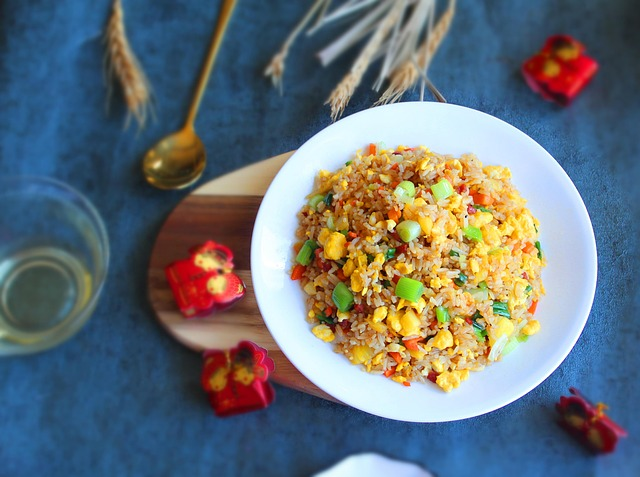
    2. Brown Rice Fried Rice With Egg

    Many kids love grain, and fried rice is an easy dish for parents to prepare. It uses leftover rice, fresh, frozen, or leftover vegetables, eggs, and fresh or leftover chicken or other protein. With brown rice, lean proteins, and extra vegetables, this dish can be more nutritious than what you might order in a restaurant. 

    No need to order in – make your own feel-good fried rice! Optional: pineapple chunks for natural sweetness.

    Approximate nutrition per serving: 400 calories, 18g protein, 5 g fiber

    What’s in it (per serving):

    • ¾ cup cooked brown rice
    • 1 egg
    • (Optional) 2-3 ounces of cooked protein like salmon, chicken, or tofu in small pieces.
    • ½ cup frozen mixed vegetables
    • Soy sauce or teriyaki sauce

    How to make it:

    1. Heat 1-2 teaspoons of sesame, canola, olive, or other vegetable oil in a skillet, or use cooking spray.

    2. Add vegetables and cook until warmed through.

    3. Push veggies to the side and scramble the egg.

    4. Stir in cooked rice and additional protein if using, and add soy sauce or teriyaki sauce.

    Family tip:

    If mixed vegetables feel overwhelming, start with just peas, carrots, or corn, and add others gradually. Parents can serve their own rice with additional vegetables. 

    3. Whole-Wheat Spaghetti With Meat Sauce

    Spaghetti with meat sauce is a basic food for many families! With just a few swaps, it can also be one of the most balanced, simple meals possible. Whole-grain pasta can be a good introduction to whole grains because it tastes similar to white pasta. Use turkey instead of beef in the meat sauce, and add any vegetables you can to the sauce – sliced mushrooms, chopped carrots, or pureed pumpkin are favorites. 

    Spaghetti and meat sauce is a perennial favorite – add nutrients and enjoy!

    Approximate nutrition per serving: 450 calories, 24g protein, 8g fiber

    What’s in it (per serving):

    • 1 cup cooked whole-wheat spaghetti (2 ounces dry)
    • Lean ground turkey, vegetable/soy protein, or lentils
    • Canned or jarred pasta sauce (marinara, mushroom, or similar)
    • Parmesan cheese

    How to make it:

    1. Cook pasta according to package directions.

    2. Brown ground turkey or prepare the vegetable protein or lentils.

    3. Stir in the marinara sauce and simmer for 5 minutes to heat thoroughly.

    4. Serve sauce over pasta and top with parmesan.

    Family tip:

    Let kids add their own parmesan cheese. It’s fun! Parents who are looking for a lower-carbohydrate meal can keep pasta to ½ cup or use spiralized zucchini or spaghetti squash instead of pasta. 

    4. Healthier Baked Penne

    Baked penne is a comfort food, but it can be a healthy choice! Use whole-grain pasta in whatever shape your kids want – penne, spaghetti, or elbows. Low-fat cottage cheese and low-fat mozzarella cheese add flavor, protein, and calcium. For more vegetables, be generous with the marinara sauce, and consider adding fresh chopped or canned diced tomatoes or any other vegetables. Add cooked chicken breast or lean ground turkey if desired. 

    Approximate nutrition per serving (without extra chicken or turkey): 350 calories, 15g protein, 7g fiber

    What’s in it (for 4 servings):

    8 ounces (4 cups cooked) whole-wheat pasta

    2-3 cups of marinara sauce

    2 cups of low-fat cottage cheese or ricotta

    ½-1 cup (2-4 ounces) of low-fat shredded mozzarella cheese

    How to make it:

    1. Cook spaghetti and drain.

    3. Combine pasta, sauce, and cottage cheese in a baking dish.

    4. Top with mozzarella and bake at 375°F for ~20 minutes.

    Family tip:

    Stir in finely chopped spinach or mushrooms. They disappear into the sauce.

    5. Easy Whole-Grain Mac and Cheese With Veggies

    What kid doesn’t love mac and cheese? Don’t worry about making it from scratch. With this simple recipe, you don’t need to make a roux or flour-based sauce. Just melt low-fat cheese into milk and add it to the pasta for a melty, creamy dish. Stir in disappearing vegetables like pureed squash, or add favorite vegetables like sliced zucchini, cauliflower florets, or cooked diced carrots. 

    Mac and cheese can be as healthy as you want it to be!

    Approximate nutrition per serving: 360 calories, 17 protein, 6g fiber

    What’s in it (per 4 servings)

    4 cups cooked whole-grain elbow pasta (8 ounces dry)

    1 ½ cups (6 ounces) shredded low-fat cheddar, mozzarella, or Mexican blend cheese

    ¾ cup skim milk or milk substitute, or use the cooking water from the elbows

    2-4 cups of vegetables

    How to make it:

    1. Cook whole-grain elbow pasta according to package directions.

    2. Drain and return pasta to the warm pot.

    3. Stir in milk and shredded cheese until melted and creamy.

    4. Mix in cooked vegetables

    5. Add salt and pepper to taste

    Family tip:

    Let your kids help if they want. It’s fun to melt cheese and stir it into pasta.

    6. Lighter Tuna Noodle Casserole

    This classic comfort meal becomes a balanced meal in a pan with whole-grain noodles, protein-packed tuna, and extra vegetables.

    Approximate nutrition per serving: 350 calories, 25g protein, 6g fiber

    What’s in it (4 servings):

    4 cups cooked whole-grain noodles (8 ounces dry)

    2 5-ounce cans of tuna, drained

    2 cups of frozen peas

    1-2 cups of sauteed onions, mushrooms, and/or celery

    1 can of low-fat cream of mushroom soup

    How to make it:

    1. Cook noodles according to package directions.

    2. Mix noodles, tuna, vegetables, and sauce in a baking dish.

    3. Top with breadcrumbs if desired.

    4. Bake at 375°F for ~20 minutes.

    Family tip:

    If casseroles feel too mixed for some kids, serve the components separately the first few times. If you can’t get your kids to love tuna, make the casserole with chicken or lean ground turkey.

    Small Changes Add Up

    Healthy family meals can be simple, affordable, and enjoyable. It can be as easy as taking your favorite meals and making nutritious swaps and additions. The result can be meals that are kid-friendly and a source of vegetables, protein, and other nutrients. 

    If you’re looking for more support creating healthy and realistic meals for your household – or support for your own health and weight management – please sign up for nutritional counseling. We can work towards your goals, your way!
  • Take Advantage of February’s Predictable Routine to Build Lasting Healthy Habits for Your Family

    Take Advantage of February’s Predictable Routine to Build Lasting Healthy Habits for Your Family

    Most people don’t name February as the most exciting month of the year, but it can be a great opportunity to improve your family’s health. While a consistent day-to-day routine may feel repetitious, it also offers something valuable for healthy intentions: stability. 

    Predictable routines of school, work, and errands can provide the framework you need to add in healthy habits if they’ve been lacking. When daily life is habitual and automatic, it’s easier to layer in small changes that support health. When you take small steps that fit into your repeating schedule, these steps can build on each other for lasting change. Kids and parents can grow used to healthy choices in everyday life. 

    Here’s how you can take advantage of February’s predictable routine to support better nutrition, increased activity, and more healthy habits for kids and parents – without much effort or stress. 

    Let Healthy Foods Live in Your Home

    Keep only healthy foods in your home so that the home becomes a place for healthy eating. Your kids may get junk food from other places, but you can’t control that. What you can control is what you choose to keep in your home. Having healthy foods at home enables you and your kids to eat well, and it teaches your kids what to keep in a kitchen. They’re learning from you!

    Most kids love grapes and strawberries. Offer them instead of chips and cookies for snacks, and your whole family can benefit. (Cut them into tiny pieces to avoid choking hazards)

    When nourishing snacks and meals are readily available, healthy eating becomes natural. Kids can eat when they’re hungry without you needing to try to decide whether they’re physiologically hungry, or whether they’re claiming hunger so that they can get to the chips or ice cream in your home. By keeping chips and ice cream to special occasions, and stocking up on healthy foods, you’re avoiding negotiations over what to eat. As a parent, having healthy foods around, without processed snack foods, lets you avoid temptations that will get in the way of your energy levels and health. 

    Include a Vegetable (Or a Few)

    Eating vegetables helps with weight control, lowers risk for diabetes and heart disease, improves cholesterol and blood pressure levels, and adds to daily fiber counts. Most kids and adults are missing out on these benefits because they’re not achieving daily goals for vegetable consumption. 

    Aim for at least 2-3 cups per day of vegetables. A strategy for adults is to fill up half your plate or bowl with vegetables at each meal. For example, have a large salad with some protein and a starch, half a plate of steamed vegetables with some salmon and brown rice, or eggs cooked with a handful of spinach leaves.

    A hearty casserole with gooey low-fat cheese, whole-grain pasta, and colorful vegetables offers plenty of protein and tons of fiber.

    Kids may need a little more creativity to get their vegetables. They may feel overwhelmed if half their plate is half full with vegetables. It’s good to serve a small serving of vegetables as a side at most meals to normalize vegetables, but you can also try sneaky ways to get vegetables in. Chunky marinara sauce on whole-grain pasta, whole-wheat pancakes with zucchini and onion, and whole-grain macaroni and low-fat cheese sauce with pureed squash and broccoli florets are examples. 

    The more consistently you serve vegetables, the more you will eat, and the more your kids will grow used to them. Go here to read more about how kids fall sadly short on vegetable consumption, and how to get more. 

    Maintain Predictable Meal Patterns

    Kids and adults both thrive on stability. When kids know what to expect, such as when meals and snacks will be served, there are fewer power struggles. For adults, predictable meal patterns lower stress. For both kids and adults, having consistent meal and snack times improve hunger and fullness signals to help with weight control. 

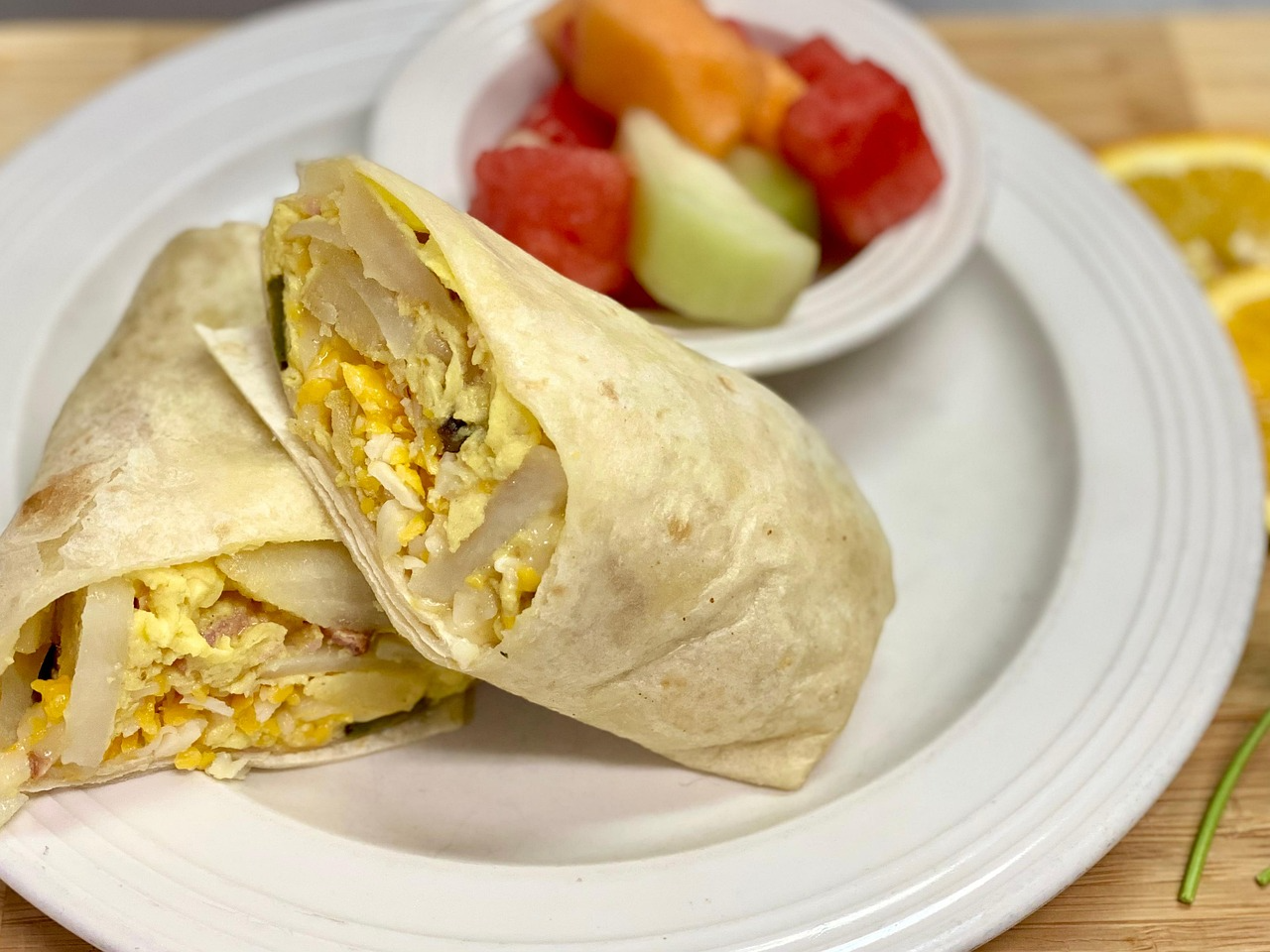
    Make a batch of breakfast burritos and freeze them for busy weekday mornings.

    Ideally, the family sits down together for dinners, and maybe even for breakfasts. That’s not realistic for all families. You may not be able to prioritize every breakfast and dinner as a sit-down family meal, but you can have patterns so kids know what to expect. You might, for example, find that you need to eat sandwiches on the road on Tuesday evenings due to soccer practice, but other nights can include dinners where you sit down as a family. The trick here is to have consistency and show your kids that you prioritize family meals. 

    Have a Backup Plan for Busy Days

    The only thing predictable about life is that it’s unpredictable. Add kids, school, and work into the equation, and there are sure to be days when Plan A goes out the window. Plans B, C, and D may also fall through. 

    On days like this, you may need a fallback plan – and hopefully one that doesn’t involve takeout burgers or pizza delivery for dinner. Make your default backup plan easy, quick, and appealing. In particular, make your backup plan doable no matter what the circumstances are. 

    Keep these foods on hand so you can eat well on busy days

    • Keep frozen vegetables on hand for quick thawing. They’re great for sides and in soups, eggs, casseroles, and stir fry. 
    • Have lean proteins available. Frozen skinless chicken, fish fillets, and veggie burgers make quick dinners. Canned or pouch tuna or salmon, low-fat cottage cheese and yogurt, low-fat cheese, and eggs are simple and quick.
    • Pantry whole grains include oatmeal, brown rice, whole-grain cereal, and whole-wheat pasta. You can also freeze whole-wheat tortillas, English muffins, bagels, and sliced bread. 
    • Other pantry staples are peanut butter, olive oil, canned tomatoes, and spices. 
    Use whole-grain noodles from the pantry, and chicken and vegetables from the freezer, for a balanced stir fry any day.

    A healthy breakfast, lunch or dinner is only moments away with ingredients like this.

    In late winter, while life is as routine as it ever gets, try to add some nutritious habits to your family’s routine. With some consistency and planning, they may stick so your family becomes healthier over the long run. 

    How do you use the quieter days of winter to improve health? 

  • Eat Well and Keep Moving: Simple Parent-Tested Tips for Healthy Living During Winter Break

    Eat Well and Keep Moving: Simple Parent-Tested Tips for Healthy Living During Winter Break

    Winter break brings a different pace to family life as schools close and schedules change. Childcare duties increase and holidays may bring extra responsibilities, but working parents may not have much time off. Minds and bodies still need care, so it’s a good time to take a practical and creative approach to staying healthy. 

    In winter weather, amid holiday cheer, and with tired, bored, or excited children, it can be even more rewarding to cling to healthy habits. Here are tips for staying active for parents and kids, eating healthy without excess costs or fights, getting outside time in any (safe) weather, and hydrating for health.. 

    Keeping Parent and Child Active During Winter Break

    Staying active is imperative for physical and mental health, but it can take extra planning during winter break even if it’s a habit during other times. During these weeks, we can be busier, schedules can be different, and weather can be rainy where I live. However, we can overcome these challenges with prioritization. Bodies need to move!

    Fortunately, I’ve been running for almost 30 years. It’s enough of a habit now that I know it’ll get done during break, too. It’s built into my day, from making sure I go to bed early enough to be rested by morning run time, to having child care lined up every morning, 6 days a week. 

    It takes a bit more thought to make sure my son gets enough exercise. He’s not lazy – he’s the opposite of it! – but it takes more planning to get him active than for me to run. When school is in session, he walks to and from school, plays a bit at recess and lunch, and plays for hours in the afterschool care program. 

    On break, here are some ways he stays active most days.

    • Yardwork and gardening with my parents at their house in the mornings while I run and take “me” or work time.
    • Various ball games with my parents in their backyard, including football, soccer, baseball, and creative variations of these. 
    • Walks and bike rides with me to any destination I can think of to make him interested enough to come alone without too much protest. A park, a store, the library, and a bus stop or metro station are common destinations. 
    • Walking to the park (about 15 minutes each way) for kickball, catch, or football.
    With the right gear, kids can get plenty of outside time in most kinds of weather.

    Rainy day options include these.

    • Dressing properly, mentally preparing to be cold and wet, and playing outside in mud and puddles with the thought of a warm shower and dry clothes when we come inside.
    • Going to our building’s underground parking garage for roller skating, a game of catch, or various other adventures. 
    • Playing in our building’s rec room/gym.

    Healthy Eating for All During Winter Break

    Health eating for the family can be challenging during winter break. Depending on your child’s habits and location, you may be used to schools providing milk, breakfast, lunch, and snacks. During break, you’re responsible for all food and beverages. It may be an extra responsibility for you, but see if you can turn mealtimes into a chance to spend more time together that you don’t get when your child eats lunch at school. 

    Thankfully, most kids prefer simple, familiar meals, so take advantage. Plain whole-wheat pasta with marinara sauce, chicken or parmesan cheese, and a piece of fruit can be a balanced, easy, and welcome dinner, for example. For lunch, try items as simple as PB & fruit sandwiches on whole-wheat tortillas. Don’t sweat it!

    Here are some tips for healthy meals for everyone. 

    • It’s okay to repeat meals. Kids often love repetition. 
    • Keep serving vegetables and fruit at most meals. 
    • Try these ideas for healthy breakfasts, lunches, dinners, and snacks

    Take shortcuts whenever you can get away with it to make healthy eating easier. Here are some examples. 

    • Make double or triple batches so there are leftovers to eat the next day or two. 
    • Use frozen foods like fish fillets, chicken tenderloins or breasts, vegetables, and berries to reduce pressure to shop frequently. 
    • Stock up on easy-to-use nutritious panty items like whole-wheat pasta, plain instant oatmeal, canned tomato sauce, peanut butter, and mixed nuts.
    • Make soups, stews, and casseroles with vegetables and lean proteins. They’re easy to make and easy to freeze.
    • Sandwiches are just fine for meals – use whole-grain bread, peanut butter or low-fat cheese, and a side of fruit or vegetables. 
    Whole-wheat spaghetti, turkey meatballs, marinara sauce, and parmesan cheese: dinner is ready!

    Holiday treats can feel stressful if you’re worried that your kids will eat too much fat and sugar or replace nutritious foods with holiday treats. To reduce anxiety and avoid fights, I suggest letting your kids eat treats at holiday events and parties. 

    Support healthy eating the rest of the time by having healthy foods in the home. Have healthy snacks always available so hungry kids will eat healthy, and keep your children eating at the table, not while watching a screen. In other words, have foods like fresh grapes, grape tomatoes, string cheese, and plain popcorn in the house, and keep chips, cookies, and candy out of the house. 

    Outdoor Time in All (Safe) Weather

    Did you know it’s okay to be outside in most weather? And that it has a wide range of benefits? Here are some reasons why it’s important to be outside. 

    • Getting natural light helps you sleep better because it helps your body set its natural circadian rhythm to be awake during the day and sleepy at night.
    • Being outside counts as being in nature, even if the only bit of nature you can see is a sliver of sky or a weed growing from a crack in a sidewalk. Nature improves mood and health. 
    • Being outside encourages movement because there’s more space. 

    It’s usually safe to be outside in winter except in any of the following conditions. 

    • The temperature with wind chill (“feels like”) is under 0°F (-18°C). 
    • There is a blizzard or whiteout conditions. 
    • Freezing rain or excessive ice makes the ground slippery. 
    • Thunderstorms are in the area. 

    For cold weather, be sure to layer up and watch for signs of hypothermia or frostnip. A warm jack like a lined puffer jacket can be a great outer layer for kids and adults. Add a hat and gloves or mittens for more warmth. 

    If it’s raining, but not freezing rain or with high winds, dress well and enjoy the puddles in the rain! A stylish and functional pair of yellow boots can keep kids happy and splashing. Kids seem to love umbrellas, too. Wear a waterproof rain jacket, and adults and kids alike can get some fresh air before coming indoors for a hot shower and some soup or tea.

    Hydration

    It’s easy to forget hydration, but it can help everyone’s energy and mood. Remember to drink often, even in cold weather. Kids are especially likely to ignore or miss thirst cues. 

    Any of these are good options. 

    • Water
    • Herbal tea
    • Broth
    • Tea with milk, which is an especially good choice for adding protein and calcium
    Make hot decaf coffee or tea with milk together for family time, hydration, and fun.

    It’s okay to relax during vacation, but it’s also a good idea to stay healthy. A bit of planning can make it easier for you and your family to be active, eat well, and feel better so you can get more joy from the season.

  • How I Get My Son to Eat a Variety of Foods – Try These Top Tips with Your Picky Eater

    How I Get My Son to Eat a Variety of Foods – Try These Top Tips with Your Picky Eater

    Are any of your kids picky eaters? If you’re a parent of a picky eater, you’re not alone. About 1 in 5 kids in elementary school are picky eaters. But take heart. Picky eating can be frustrating, but it’s not likely to become a health crisis. Plus, there are things you can do to help your child overcome picky eating. 

    Here’s how I try to get my son, age 8, to eat a variety of foods for a balanced diet while I stay calm. As a nutritionist and single parent, here’s what I use. These tips, backed by expert recommendations and experience.

    Spoiler alert: it’s probably going to turn out just fine. 

    Most important is to keep eating times lighthearted and enjoyable.

    Tip: Have Healthy Foods Nearby

    I’ve seen countless parents tell me their children are picky eaters, but I also see them offering their kids junk food. Once I went with my son to his friend’s house for a playdate. The child had been labeled a “picky eater.” There was a tidy kitchen, with a pizza box on the counter. That afternoon, the boys ate from that pizza box, and served themselves ice cream and soda from the freezer and fridge. 

    I wonder whether the child would be more likely to eat other foods if other foods were more available and appealing than the pizza, soda, and ice cream at that house. What if there were grape tomatoes on the counter, cheese sticks and grapes in the fridge, and peanuts in the pantry? Might the child be more prone to eating those nutritious foods? 

    Tip: Prioritize Hunger at Meals

    I know several children who always seem to be eating when I see them. Their parents tell me that they’re fussy eaters and don’t eat foods like vegetables, fruit, and dairy products. 

    Kids will eat when they’re hungry. They may appear to be bottomless pits when it comes to snacking, but if they eat too many snacks, their appetite can disappear at mealtimes. That leaves them low on nutrients and variety if their typical snack foods are crackers, chips, and granola bars. 

    Try to offer more nutritious snacks first, like berries, tangerines, baby carrots, and unsweetened brown rice cakes. If they’re that hungry, they’ll eat. If they’re not that hungry, there’s no need to encourage snacking on sugary or fatty snack foods. 

    Tip: Keep Portions Small

    I’ve made the mistake of serving my son oversized portions. He ends up eating none of what I served him, even if it is something he loves. It turns out that he’s intimidated. 

    Offer small portions of a variety of nutritious foods and see what kids choose!

    Keep portions small so kids feel that they are manageable. Even if the plate looks underfull to you, it can look more welcoming for kids. Plus, you can always serve more if they want. 

    Tip: Introduce New Foods Gradually

    Keeping portions small is even more important when introducing new foods. Start with an almost imperceptibly small amount. For example, if your child only likes plain white pasta, try mixing in a teaspoon of tomato sauce before serving it. It will be almost impossible to taste. Gradually increase the amount over weeks.

    Sticking with the pasta example, you can expand a kid’s love for plain pasta to a tolerance for whole grains. Swap about an eighth of their pasta for whole-wheat pasta. Over the course of weeks, gradually increase this amount. 

    The point here is for the child to realize that she can tolerate, and maybe even enjoy, the new food. 

    Tip: Let Your Kids Take Charge

    Many kids love having control. It makes sense, since adults make most of the decisions that affect their lives, from when to get up, what clothes are available to them, what they do during the day, and what they can watch on a screen. Give children control of something fun, personal, and important – their food!

    Let your kids bring a friend to the meal to help them eat a variety of foods.

    The sky isn’t quite the limit (I’m not suggesting that you let them choose an ice cream sundae for dinner with cupcakes for dessert). Try letting your kids work within guidelines that you set. For example, tell them they can choose a vegetable, a fruit, a grain, and a protein for dinner, and see what they come up with. 

    Here are some examples: 

    • Whole-grain pasta with marinara sauce, a yogurt, and strawberries
    • A whole-grain bagel with peanut butter, raisins, and a V8. 
    • Plain Cheerios with milk, a banana, and a squeeze pack of fruit-veggie mix. 

    A variation is to let your children choose from a menu that you provide. The more control they have, the more they are likely to eat what they choose. 

    Tip: Model How You Want Them to Eat

    When you are eating from the pizza box on the counter, what do you think your kids will want? Probably pizza, not a salad. When you go out for Chinese food, are you ordering fried rice, chow mein noodles, and sweet and sour chicken? Or are you opting for chicken with broccoli, mixed vegetable stir fry, and brown rice?

    Modeling may be the most important tool we have as parents. It may also be the toughest, since it’s easier to live by, “Do as I say, not as I do.” It may also be slow to get results from modeling. But it’s likely to lead to the longest-lasting effects. 

    When kids see us eating healthy, kids learn that the people they respect the most – their parents – eat healthy. They learn how to eat healthy, since they see us grocery shopping and preparing foods. They learn what healthy is, since they see us do it. And they learn that healthy is normal. 

    Do your best to eat a variety of foods, include healthy options at each meal, and try new things. Don’t be afraid to let your kids know if you tried something and hated it. They’ll respect you for trying it, and they’ll know it’s okay to dislike something. 

    Tip: Be Calm

    Kids and dogs have a lot in common. For example, they know when we’re nervous. Don’t let your kids know how badly you want them to eat more or eat a wider variety of foods. They’ll make sure to hold out for junk food instead of caving into whatever healthy food you’re offering. Stay matter of fact, and if they choose to skip a meal, let it go. Unless their doctor is concerned, your kids are probably fine. 

    If you’re worried, a daily multivitamin and mineral supplement can provide micronutrients like iron, calcium, B vitamins, and more. Ask your pediatrician if you think your children should have one. 

    How do you get your children to eat a wider variety of nutritious foods?

  • 5 Quick and Healthy Kid-Friendly Dinners With Plenty of Protein

    Does making dinner ever feel like a struggle? If you’re anything like me, you don’t feel like cooking much, but eating out isn’t an option. Instead, it’s time for a family-friendly, nutrient-rich meal that’s appetizing for the whole family, and takes almost no effort. We already posted about family-friendly meals like healthy hot dogs and hamburgers. Here are five more dinner ideas that have protein and other nutrients for kids’ growth and development, while being right in line with grown-ups’ weight management goals. 

    English Muffin Pizzas

    2 English muffin halves with marinara sauce, shredded mozzarella, and turkey pepperoni can have about 350-400 calories and 15-20 grams of protein.

    Most kids love pizza, even when it’s a healthier version than delivery. English muffin pizzas are among the oldest tricks in the book for a quick, tasty, and healthy lunch or dinner. Add marinara sauce and low-fat shredded mozzarella cheese to whole-grain English muffin halves. Whole-grain sliced bread, whole-wheat pita, and whole-wheat tortillas are also good options.

    Some children like pizza plain. Others may prefer to add meatless or turkey pepperoni. Some may enjoy branching out a bit with items like sliced olives, diced cooked chicken, and pineapple chunks. 

    Let your kids make their own pizzas with healthy options that you provide, and you can all be happy with a balanced and easy dinner.

    For a side, serve colorful vegetables like bell pepper strips, carrot sticks, sugar snap peas, and cucumber sticks. Offer a healthy dip like hummus or light ranch dressing. Another good option is marinara sauce. It adds another serving of vegetables, and kids love it. 

    Spinach and Bean Quesadillas

    A quesadilla with a whole-wheat tortilla, low-fat shredded cheese, spinach, and black beans can have about 400-450 calories and 15-25 grams of protein

    These quesadillas are a kid favorite made healthy with whole-wheat tortillas and low-fat cheese instead of refined tortillas and full-fat cheese. Add extra protein with black beans or chicken. For grown-up tastes, tuna is another option.

    To make: top a whole-wheat tortilla with low-fat shredded mozzarella or other cheese and spinach or tomatoes. Add black beans or diced chicken if desired. Cover the tortilla with another tortilla, and toast it. Serve half of the quesadilla at once. 

    Whole-grain tortilla, low-fat cheese, and spinach leaves combine to provide a wholesome quesadilla. Add chicken, fish, or black beans for more protein.

    For vegetables, add spinach leaves or tomatoes inside the quesadillas. If your children don’t want vegetables inside the quesadilla, add a side of fresh salsa made with tomatoes, lime juice, onion, and cilantro.

    Baked Chicken Tenders

    A 3-oz portion of chicken baked with oat coating has about 250 calories and 26 grams of protein. 

    If you’re lucky, your children enjoy plain chicken. If not, it’s okay. It’s not hard to turn skinless chicken breasts or tenderloins into healthy versions of breaded chicken nuggets or tenders.

    Start with thin strips of skinless chicken,  or cut chicken into nugget-sized pieces. Dip them into beaten egg or egg white, and then into a whole-grain coating like crushed shredded wheat, instant oats, or whole-grain breadcrumbs. Before dipping the chicken, you can season the coating by mixing it with your choice of salt, pepper, parmesan cheese, or any spices or herbs you like. Place the chicken on a sprayed cookie sheet and bake it at 400 degrees for 20-25 minutes or until the chicken is cooked through.

    Coat chicken with whole grains and bake them for a more nutritious version of this kid favorite.

    Serve the chicken on whole-grain bread or rolls, or let your children eat it as a finger food with sweet potato and zucchini sticks that you bake with the chicken. 

    Chicken or Bean Taco Bar

    A taco with 2 ounces of chicken, lettuce, tomato, salsa, guacamole, and low-fat shredded cheese has about 360 calories and 29 grams of protein.

    Tacos can be great for kids and adults. 

    Here are some reasons why.

    • They are simple and versatile, so they’re easy for grown-ups to prepare and to serve.
    • They’re more manageable for kids than something larger like a burrito.
    • They’re a great DIY dish when you offer a taco bar.
    • They can be nutritious and high in protein, fiber, and healthy fats.

    With all of these benefits, a taco bar may become a regular event in your home.

    Set out appetizing ingredients like fish or chicken, lettuce or cabbage, and mango or corn, and let your children make their own healthy tacos in whole-grain shells or tortillas.

    For your bar, set out whole-grain taco shells or whole-grain corn tortillas. Whole-wheat flour tortillas work, too; select soft taco-sized tortillas for portion control. Offer toppings like chicken or beans for protein, lettuce and tomato for freshness, and salsa, guacamole, and low-fat shredded cheddar, jack, or Mexican-style cheese for flair.

    For protein, chicken is usually a hit. Try leftover shredded rotisserie chicken, or bake your own chicken, shred it, and mix it with taco seasoning or spices like cumin, chili powder, and paprika. If you and your kids prefer, offer shrimp or a mild fish like tilapia or swai. Plant-based protein ideas are black beans or fat-free refried pinto beans.

    Yellow corn is a beautiful side dish. Offer corn on the cob if it’s in season. Kids may prefer you to cut the kernels off the cob before serving it. Frozen corn works fine, too. If you opt for canned corn, choose non-creamed corn and opt for a version without added sugars. Corn is already sweet!

    For grown-up tastes and additional vegetables that aren’t starchy, try grilled peppers and onions, sauteed zucchini and yellow squash, or roasted broccoli florets. Or, just serve extra lettuce and tomatoes with some salsa. It’s a low-calorie, delicious side dish. 

    Eggy Fried Brown Rice

    A serving (¼ of a recipe) has about 300 calories, and 18 grams of protein.

    Fried rice has a blend of textures and colors. It’s easy because you can use leftover rice and frozen vegetables, and it works for vegetarians. You can have just eggs and egg whites for protein, or add chicken, tofu, shrimp, or fish if you want. Season it how your kids like – whether with soy sauce, ginger, and garlic powder, or with store-bought teriyaki sauce. 

    Use bright vegetables and familiar eggs for a nutritious dish. Swap whole-wheat spaghetti or elbows for brown rice if your children prefer pasta.

    For 4 people, scramble about 2 eggs and 6 egg whites in a pan using cooking spray or 1-2 teaspoons of olive or canola oil. Take the eggs out of the pan and set them aside. Heat another 1-2 teaspoons of olive and add a diced onion. Cook for 4-5 minutes. Add 1-2 cups of frozen or cooked vegetables like peas, diced carrots, chopped zucchini, or chopped broccoli florets. Heat, add 2-3 cups of cooked brown rice, and heat thoroughly. Add the eggs back in, and toss with seasonings like soy sauce, ginger, and garlic powder, or serve with teriyaki sauce. 

    This dish has whole grains, protein, vegetables, and healthy fats. It’s already balanced! If you’re trying to reduce carbs, use riced cauliflower instead of brown rice. For more crunch, protein, fiber, and healthy fat, add chopped peanuts or almond slices to the pan, or sprinkle them on top when serving. For a light accompaniment for grown-up appetites, serve with steamed or stir fried broccoli florets.

    These dinners are easy, versatile, and full of nutrients for kids and adults. What are your balanced and easy dinner staples?