Tag: nutrition

  • A Healthy Transition Back to School After Break: Parent-Tested Tips

    A Healthy Transition Back to School After Break: Parent-Tested Tips

    Going back to school can be tough for families after a break. Winter break, for example, can be 2-3 weeks for many school children, and include holidays and other seasonal events. When kids are out of school, there’s less reason to follow a consistent routine, especially if parents are taking time off work. Sleep, eating, and activity patterns can be different or non-existent during break. 

    The return to school can feel scary if you’re worried about transitioning back to strict schedules, early mornings, and homework – but don’t worry. These tips can help you reset and ease the transition back to school and regular schedules. 

    Routines While Out of School: Looser But a Necessary Break

    When there’s no school or work to create a schedule, it’s likely that you’ll ease out of your regular routine. Sleep times may shift, and meal times may be less regimented. Instead of sitting down to balanced meals, many families shift to more takeout, snacking, and holiday treats. 

    On vacation, it’s good to take advantage of flexible schedules!

    There’s nothing wrong with this for the short-term. For many busy parents, it’s necessary to take a break from what feels like planning every aspect of life, the way you might when there are work, homework, and extracurricular activities to keep straight. Some mental down time can let you recharge for the rest of the year. 

    But that can lead to a rude awakening when real life kicks back in!

    A regular school day usually starts with a strict waking time followed by a busy morning. It may include packing lunches and homework, eating or packing breakfast, and some rushed discussions about afterschool pickup and activities. Later, there may be sports or other activities, dinner, and homework. A regular bedtime is essential for good health, since you’ll all be repeating the schedule tomorrow. 

    Getting Back into a Schedule – Including Sleep

    Planning your schedule ahead of time lets you fit the important things into each day without as much effort. When you’re consistent, your mind and body are more prepared. You have energy when it’s time to wake up, you’re tired when it’s time to sleep, and you’re hungry at meal times. 

    Thankfully, when school starts back up, there are a lot of set times that you can work around as you’re getting back on schedule! 

    • The start of the school day
    • The end of the school day
    • Any extracurricular activities
    • Any meetings you have, or a time you come home from work (or stop working)

    Use these events to your advantage as you reset your schedule. 

    School starts early in the morning, so you’ll need to get up on time. It can be challenging if your family has shifted to a later schedule over the holidays, but gradually shifting back can help. Wake up and go to sleep a few minutes earlier each day until your body’s clock is back to being on “school” time. 

    It helps to re-establish regular meal times and physical activity schedules, too. Try to get back to your typical family eating patterns and times so that your body and mind can go back to predicting when meal times and sleep times will be. 

    Make a To-Do List to Relieve Stress on Parents

    There’s a lot to do when school gets back in session, but you can use simple tools to make it easier on kids and parents. A simple to-do list or checklist can relieve the burden of trying to remember things. It can help you make sure everyone has what they need when leaving home in the mornings. It can also make your evening calmer. 

    Here’s what you might include on a daily checklist or to-do list. 

    • Pack backpacks, which might include lunches, water bottles, and homework.
    • Check for gym clothes (older kids), instruments, sports equipment, or other items needed for extracurricular activities that day or the next day. 
    • If you work outside the home, pack your own lunch and any laptops or other work items you’ll need. 
    • Activities like grocery shopping (make a list!), filling the car with gasoline, and walking to the library to return a book. 
    • Chores like meal prep, housecleaning, laundry, and gardening. 
    • Working out or walking. 
    Make sure everything’s packed the night before so you can be on time for the school bus!

    The less you need to remember, the less likely you are to forget. That’s especially true when last-minute, unexpected demands arise, like your kids needing to finish a project by the next morning. It’s also more efficient to go down a checklist than to try to remember what you need to do. 

    Back to Healthy Habits

    It’s okay if your family slacked on your typical healthy habits. Meals may have been more like sporadic snacks. Screen time may have crept up. You may have missed a workout or three. It’s good to take a break occasionally! But when vacation is over, it’s time to get back to healthy habits for everyone. 

    Here’s a snapshot. 

    • A balanced breakfast, especially for kids. It’s hard to focus on learning when they’re hungry! Consider fresh fruit, reduced-fat dairy like yogurt or milk, a whole grain like oatmeal, whole-grain toast, or whole-grain cereal. Here are ideas
    • A healthy lunch with fiber and protein. Check our healthy lunch ideas
    • A family dinner with protein, whole grains, and vegetables. Don’t worry – here are plenty of options for nutritious, family-friendly, simple dinners
    • Physical activity. Kids can get back to active recess and sports at school with friends, or afterschool in organized activities. Parents can get back to regularly scheduled workouts. 
    Taco night is a kid-friendly, parent-friendly, nutritious option.

    If screen time crept up, it’s a good time to dial it back. Kids can keep themselves busy with homework, afterschool activities, and reading at home. If you do let them use devices, set strict rules on what they’re allowed to do or watch, and for how long. Then stick to the boundaries you set!

    Ongoing Support for Kids When Returning to School

    Keep in mind that while as a parent, you may find school to be a blessing, kids may not feel like going back. Even kids who love school and do well in it may find it stressful or boring. Or, they may just prefer to be at home with you – not realizing that “vacationing you” has time to play with them, while “working” you may not. 

    Do your best to “be there” for your kids. Talk them through any fears or anxieties they have. Validate their feelings, but reassure them. If it helps, talk about the things they’re looking forward to in school, whether it’s a daily occurrence like playing kickball at recess, or something coming up like a field trip or class party. You might also find it helpful to talk about your plans for next weekend or an upcoming holiday so that kids have something to focus on besides school. 

    Remind kids about fun things at school, like games with friends.

    The transition is an ongoing process, so be prepared to work through it for days or weeks. If you see any concerning signs, talk to your children’s teacher or pediatrician for advice. 

  • Eat Well and Keep Moving: Simple Parent-Tested Tips for Healthy Living During Winter Break

    Eat Well and Keep Moving: Simple Parent-Tested Tips for Healthy Living During Winter Break

    Winter break brings a different pace to family life as schools close and schedules change. Childcare duties increase and holidays may bring extra responsibilities, but working parents may not have much time off. Minds and bodies still need care, so it’s a good time to take a practical and creative approach to staying healthy. 

    In winter weather, amid holiday cheer, and with tired, bored, or excited children, it can be even more rewarding to cling to healthy habits. Here are tips for staying active for parents and kids, eating healthy without excess costs or fights, getting outside time in any (safe) weather, and hydrating for health.. 

    Keeping Parent and Child Active During Winter Break

    Staying active is imperative for physical and mental health, but it can take extra planning during winter break even if it’s a habit during other times. During these weeks, we can be busier, schedules can be different, and weather can be rainy where I live. However, we can overcome these challenges with prioritization. Bodies need to move!

    Fortunately, I’ve been running for almost 30 years. It’s enough of a habit now that I know it’ll get done during break, too. It’s built into my day, from making sure I go to bed early enough to be rested by morning run time, to having child care lined up every morning, 6 days a week. 

    It takes a bit more thought to make sure my son gets enough exercise. He’s not lazy – he’s the opposite of it! – but it takes more planning to get him active than for me to run. When school is in session, he walks to and from school, plays a bit at recess and lunch, and plays for hours in the afterschool care program. 

    On break, here are some ways he stays active most days.

    • Yardwork and gardening with my parents at their house in the mornings while I run and take “me” or work time.
    • Various ball games with my parents in their backyard, including football, soccer, baseball, and creative variations of these. 
    • Walks and bike rides with me to any destination I can think of to make him interested enough to come alone without too much protest. A park, a store, the library, and a bus stop or metro station are common destinations. 
    • Walking to the park (about 15 minutes each way) for kickball, catch, or football.
    With the right gear, kids can get plenty of outside time in most kinds of weather.

    Rainy day options include these.

    • Dressing properly, mentally preparing to be cold and wet, and playing outside in mud and puddles with the thought of a warm shower and dry clothes when we come inside.
    • Going to our building’s underground parking garage for roller skating, a game of catch, or various other adventures. 
    • Playing in our building’s rec room/gym.

    Healthy Eating for All During Winter Break

    Health eating for the family can be challenging during winter break. Depending on your child’s habits and location, you may be used to schools providing milk, breakfast, lunch, and snacks. During break, you’re responsible for all food and beverages. It may be an extra responsibility for you, but see if you can turn mealtimes into a chance to spend more time together that you don’t get when your child eats lunch at school. 

    Thankfully, most kids prefer simple, familiar meals, so take advantage. Plain whole-wheat pasta with marinara sauce, chicken or parmesan cheese, and a piece of fruit can be a balanced, easy, and welcome dinner, for example. For lunch, try items as simple as PB & fruit sandwiches on whole-wheat tortillas. Don’t sweat it!

    Here are some tips for healthy meals for everyone. 

    • It’s okay to repeat meals. Kids often love repetition. 
    • Keep serving vegetables and fruit at most meals. 
    • Try these ideas for healthy breakfasts, lunches, dinners, and snacks

    Take shortcuts whenever you can get away with it to make healthy eating easier. Here are some examples. 

    • Make double or triple batches so there are leftovers to eat the next day or two. 
    • Use frozen foods like fish fillets, chicken tenderloins or breasts, vegetables, and berries to reduce pressure to shop frequently. 
    • Stock up on easy-to-use nutritious panty items like whole-wheat pasta, plain instant oatmeal, canned tomato sauce, peanut butter, and mixed nuts.
    • Make soups, stews, and casseroles with vegetables and lean proteins. They’re easy to make and easy to freeze.
    • Sandwiches are just fine for meals – use whole-grain bread, peanut butter or low-fat cheese, and a side of fruit or vegetables. 
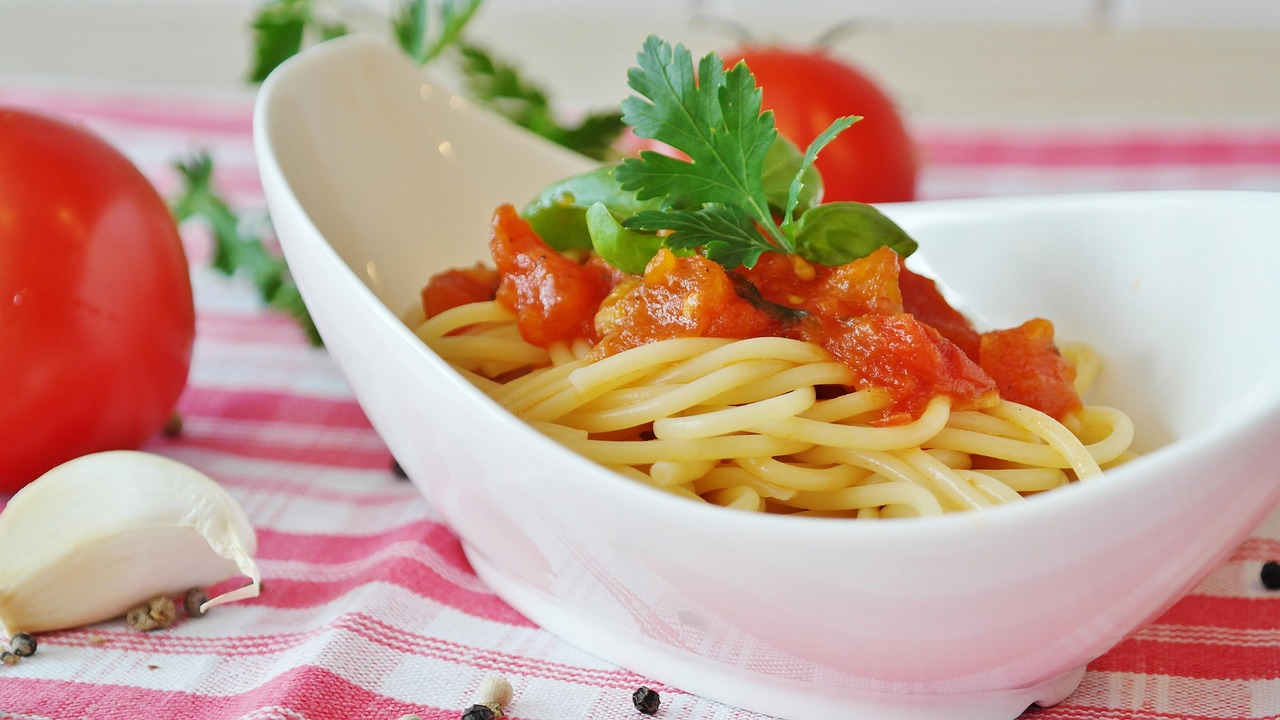
    Whole-wheat spaghetti, turkey meatballs, marinara sauce, and parmesan cheese: dinner is ready!

    Holiday treats can feel stressful if you’re worried that your kids will eat too much fat and sugar or replace nutritious foods with holiday treats. To reduce anxiety and avoid fights, I suggest letting your kids eat treats at holiday events and parties. 

    Support healthy eating the rest of the time by having healthy foods in the home. Have healthy snacks always available so hungry kids will eat healthy, and keep your children eating at the table, not while watching a screen. In other words, have foods like fresh grapes, grape tomatoes, string cheese, and plain popcorn in the house, and keep chips, cookies, and candy out of the house. 

    Outdoor Time in All (Safe) Weather

    Did you know it’s okay to be outside in most weather? And that it has a wide range of benefits? Here are some reasons why it’s important to be outside. 

    • Getting natural light helps you sleep better because it helps your body set its natural circadian rhythm to be awake during the day and sleepy at night.
    • Being outside counts as being in nature, even if the only bit of nature you can see is a sliver of sky or a weed growing from a crack in a sidewalk. Nature improves mood and health. 
    • Being outside encourages movement because there’s more space. 

    It’s usually safe to be outside in winter except in any of the following conditions. 

    • The temperature with wind chill (“feels like”) is under 0°F (-18°C). 
    • There is a blizzard or whiteout conditions. 
    • Freezing rain or excessive ice makes the ground slippery. 
    • Thunderstorms are in the area. 

    For cold weather, be sure to layer up and watch for signs of hypothermia or frostnip. A warm jack like a lined puffer jacket can be a great outer layer for kids and adults. Add a hat and gloves or mittens for more warmth. 

    If it’s raining, but not freezing rain or with high winds, dress well and enjoy the puddles in the rain! A stylish and functional pair of yellow boots can keep kids happy and splashing. Kids seem to love umbrellas, too. Wear a waterproof rain jacket, and adults and kids alike can get some fresh air before coming indoors for a hot shower and some soup or tea.

    Hydration

    It’s easy to forget hydration, but it can help everyone’s energy and mood. Remember to drink often, even in cold weather. Kids are especially likely to ignore or miss thirst cues. 

    Any of these are good options. 

    • Water
    • Herbal tea
    • Broth
    • Tea with milk, which is an especially good choice for adding protein and calcium
    Make hot decaf coffee or tea with milk together for family time, hydration, and fun.

    It’s okay to relax during vacation, but it’s also a good idea to stay healthy. A bit of planning can make it easier for you and your family to be active, eat well, and feel better so you can get more joy from the season.

  • Nutritionist-Approved Tips to Get Your Picky Eater Try New Foods with Less Stress

    Nutritionist-Approved Tips to Get Your Picky Eater Try New Foods with Less Stress

    If you’re frustrated that your picky eater won’t try new foods, you’re a pretty normal parent. Picky eating affects 1 in 5 children – or more, when you consider that some kids go through phases of picky eating. It can lead to worries on your part that your child may not get needed nutrition, and it can cause stress at meals. But you can manage the situation with less stress, begging, and worrying. 

    As with many health behaviors, small changes and consistency are key. We’ll go over patterns in picky eating, causes, and concerns. Then we’ll get to strategies for overcoming it as a team. The result may be a kid who’s more adventurous with foods, and a parent – you! – who’s calmer and less stressed. This post has a brief overview, and we’ll dive deeper into each topic in future posts. Let’s go!

    Remember to ask your child’s pediatrician if you have any concerns about behaviors, eating behaviors, or nutrition. 

    What’s “Picky Eating?”

    Picky eating is also called choosy eating, fad eating, and choosy eating, according to an article in Appetite. Kids with picky eating may refuse new foods, only eat a limited variety of foods, or have very strong food preferences. Signs that picky eating can be a problem include:

    • Your child only eats 10-15 “safe” foods.
    • Your child gets upset if a new food is on her plate.
    • Meals become battles over food choices.
    • Your child avoids entire food groups, such as vegetables or dairy products.

    These are warning signs, though they don’t automatically mean your child has a nutritional problem. 

    Balancing “Safe” Foods with “New” Foods Consistently

    You need to give your child a variety of new foods to expand the variety of foods they’ll eat, but it’s important to do so gradually. At the same time, keep “safe” foods as the main foods on their plates to avoid pressuring them. 

    Give Them Healthy Options

    Some picky eaters are picky because they can be. That is, they consistently have access to specific types of kid-favorite foods, like bagels, cereal, pasta, chips, and pizza. Not surprisingly, they refuse to eat other types of foods, like vegetable stir fry, fish, and yogurt. 

    It’s important to remember that kids will eat when they are hungry enough. If your kids are always given the chance to fill up on cookies, fries, and ice cream, they will. If your kids are hungry and are offered nutrient-dense choices like fresh fruit, vegetables, and beans, there’s a good chance they’ll start to enjoy those foods more. 

    By now, I’ve learned to carry fresh fruit with me along with other snacks for my son. I offer the fruit first because I found that if he eats other snacks first, he’ll refuse the fruit. Once the fruit is eaten, he’s welcome to other snacks. 

    Tangerines are kid-friendly and nutritious. Try serving fruit before other snacks to add variety.

    Keep It Low-Key

    This tip may be hardest to follow because it’s telling you to act exactly opposite to the way you may be feeling. You may be desperate for your child to eat something new and for meals to pass without a fight, but that’s more likely to happen if you play it cool. 

    Simply serve the meal or snack, including small amounts of new or varied foods, without putting pressure. Make one meal for the whole family, making sure to include enough “safe” foods for your kids to feel comfortable. Remember that you’re a role model and your children are always watching you. If you eat and enjoy new foods, they will understand the concept, and likely eventually do the same. 

    Keep Things in Perspective

    Remember that most kids in the US are not at risk for severe malnutrition. Talk to your children’s pediatrician if you’re concerned. There may be options for supplemental energy or protein shakes, or for multivitamin and mineral supplements, to prevent specific deficiencies. If your child’s doctor is reassuring that your child is not in imminent danger due to food patterns, try to relax. Things will fall into place eventually. 

    Repeated Exposure Helps

    An unfamiliar food starts to become familiar if children keep seeing it on the table and on their plate. Consistently offer the new food, keeping in mind that it can take dozens of tries for a taste test to happen, and dozens of taste tests before your child actually likes the food. Just like with most other aspects of parenting, it takes patience. 

    If your child likes plain pasta, try adding a bite of tomatoes for a few weeks.

    Introduce the Food in a Personal Way

    Say matter of factly what the food is and what it tastes like. If possible, tie that food or ingredient to something they enjoyed in another setting. My son, for example, has learned to love sushi and taste spicy foods because his friends do both of those. 

    Give Your Kids Ownership

    Let your kids decide how to eat new foods. For example, if your target food is tomatoes, give them choices. Grape tomatoes for snacks, cherry tomatoes on skewers with mozzarella, sliced tomatoes in sandwiches, canned tomatoes, sauce on pizza, and sauce on pasta are all different ways to enjoy tomatoes. Let your child choose his favorite textures, flavors, and accompaniments. 

    For example, my son thought he didn’t like basil until he tried it from his school garden. Since then, he enjoys it because it’s personal to him – and his first choice for eating it is in pesto, which is how he ate it at school (read about it here).

    Pizza is one vehicle for healthy ingredients. Load it with tomato sauce and cheese for veggies, protein, and calcium.

    How Long Will It Take?

    It depends, but it can take a while! After several weeks, your children may be more willing to smell or taste a new food. Within a shorter timeframe, you may be able to have fewer mealtime fights if you keep it relaxed and stop pressuring your children. If it gets to the point where things are getting worse or you’re feeling out of control, seek help. 

    Stay tuned for future posts going into more depth on managing picky eaters, keeping worries down, and introducing new foods without food fights. 

  • How I Get My Son to Eat a Variety of Foods – Try These Top Tips with Your Picky Eater

    How I Get My Son to Eat a Variety of Foods – Try These Top Tips with Your Picky Eater

    Are any of your kids picky eaters? If you’re a parent of a picky eater, you’re not alone. About 1 in 5 kids in elementary school are picky eaters. But take heart. Picky eating can be frustrating, but it’s not likely to become a health crisis. Plus, there are things you can do to help your child overcome picky eating. 

    Here’s how I try to get my son, age 8, to eat a variety of foods for a balanced diet while I stay calm. As a nutritionist and single parent, here’s what I use. These tips, backed by expert recommendations and experience.

    Spoiler alert: it’s probably going to turn out just fine. 

    Most important is to keep eating times lighthearted and enjoyable.

    Tip: Have Healthy Foods Nearby

    I’ve seen countless parents tell me their children are picky eaters, but I also see them offering their kids junk food. Once I went with my son to his friend’s house for a playdate. The child had been labeled a “picky eater.” There was a tidy kitchen, with a pizza box on the counter. That afternoon, the boys ate from that pizza box, and served themselves ice cream and soda from the freezer and fridge. 

    I wonder whether the child would be more likely to eat other foods if other foods were more available and appealing than the pizza, soda, and ice cream at that house. What if there were grape tomatoes on the counter, cheese sticks and grapes in the fridge, and peanuts in the pantry? Might the child be more prone to eating those nutritious foods? 

    Tip: Prioritize Hunger at Meals

    I know several children who always seem to be eating when I see them. Their parents tell me that they’re fussy eaters and don’t eat foods like vegetables, fruit, and dairy products. 

    Kids will eat when they’re hungry. They may appear to be bottomless pits when it comes to snacking, but if they eat too many snacks, their appetite can disappear at mealtimes. That leaves them low on nutrients and variety if their typical snack foods are crackers, chips, and granola bars. 

    Try to offer more nutritious snacks first, like berries, tangerines, baby carrots, and unsweetened brown rice cakes. If they’re that hungry, they’ll eat. If they’re not that hungry, there’s no need to encourage snacking on sugary or fatty snack foods. 

    Tip: Keep Portions Small

    I’ve made the mistake of serving my son oversized portions. He ends up eating none of what I served him, even if it is something he loves. It turns out that he’s intimidated. 

    Offer small portions of a variety of nutritious foods and see what kids choose!

    Keep portions small so kids feel that they are manageable. Even if the plate looks underfull to you, it can look more welcoming for kids. Plus, you can always serve more if they want. 

    Tip: Introduce New Foods Gradually

    Keeping portions small is even more important when introducing new foods. Start with an almost imperceptibly small amount. For example, if your child only likes plain white pasta, try mixing in a teaspoon of tomato sauce before serving it. It will be almost impossible to taste. Gradually increase the amount over weeks.

    Sticking with the pasta example, you can expand a kid’s love for plain pasta to a tolerance for whole grains. Swap about an eighth of their pasta for whole-wheat pasta. Over the course of weeks, gradually increase this amount. 

    The point here is for the child to realize that she can tolerate, and maybe even enjoy, the new food. 

    Tip: Let Your Kids Take Charge

    Many kids love having control. It makes sense, since adults make most of the decisions that affect their lives, from when to get up, what clothes are available to them, what they do during the day, and what they can watch on a screen. Give children control of something fun, personal, and important – their food!

    Let your kids bring a friend to the meal to help them eat a variety of foods.

    The sky isn’t quite the limit (I’m not suggesting that you let them choose an ice cream sundae for dinner with cupcakes for dessert). Try letting your kids work within guidelines that you set. For example, tell them they can choose a vegetable, a fruit, a grain, and a protein for dinner, and see what they come up with. 

    Here are some examples: 

    • Whole-grain pasta with marinara sauce, a yogurt, and strawberries
    • A whole-grain bagel with peanut butter, raisins, and a V8. 
    • Plain Cheerios with milk, a banana, and a squeeze pack of fruit-veggie mix. 

    A variation is to let your children choose from a menu that you provide. The more control they have, the more they are likely to eat what they choose. 

    Tip: Model How You Want Them to Eat

    When you are eating from the pizza box on the counter, what do you think your kids will want? Probably pizza, not a salad. When you go out for Chinese food, are you ordering fried rice, chow mein noodles, and sweet and sour chicken? Or are you opting for chicken with broccoli, mixed vegetable stir fry, and brown rice?

    Modeling may be the most important tool we have as parents. It may also be the toughest, since it’s easier to live by, “Do as I say, not as I do.” It may also be slow to get results from modeling. But it’s likely to lead to the longest-lasting effects. 

    When kids see us eating healthy, kids learn that the people they respect the most – their parents – eat healthy. They learn how to eat healthy, since they see us grocery shopping and preparing foods. They learn what healthy is, since they see us do it. And they learn that healthy is normal. 

    Do your best to eat a variety of foods, include healthy options at each meal, and try new things. Don’t be afraid to let your kids know if you tried something and hated it. They’ll respect you for trying it, and they’ll know it’s okay to dislike something. 

    Tip: Be Calm

    Kids and dogs have a lot in common. For example, they know when we’re nervous. Don’t let your kids know how badly you want them to eat more or eat a wider variety of foods. They’ll make sure to hold out for junk food instead of caving into whatever healthy food you’re offering. Stay matter of fact, and if they choose to skip a meal, let it go. Unless their doctor is concerned, your kids are probably fine. 

    If you’re worried, a daily multivitamin and mineral supplement can provide micronutrients like iron, calcium, B vitamins, and more. Ask your pediatrician if you think your children should have one. 

    How do you get your children to eat a wider variety of nutritious foods?

  • Stress-Free Ways to Get Your Kids to Eat Whole Grains for Snacks

    Recently, we’ve talked a lot about kids falling short of recommendations for whole grain consumption and why it matters. We’ve covered stress-free ideas for whole grains at breakfast, lunch, and dinner to help close that gap. Now let’s talk about snacks!

    More than 90% of children snack on any given day. American kids on average get more than 25% of calories from snacks. Snacks are a great opportunity for adding more nutrients to a kids’ day – so let’s talk about ways to get whole grains into snacks. Good news: it’s simple! Here are several easy snacks with whole grains that kids can love and you can provide without stress.  

    Popcorn and String Cheese

    Popcorn is a whole-grain that we often forget about. Buttered popcorn from a movie theater or caramel, cheese, or buttery popcorn in microwave bags can be high in sugar, fat, and salt, but air-popped popcorn is a nutritious choice. It’s also fun for kids, and easier than you may realize. Use a microwave silicon popper for the microwave or a countertop popper for freshly popped popcorn. All you need is about 2-4 tablespoons of kernels from a bag or jar of popcorn kernels that will stay fresh for months or years. Season it with salt or any other popcorn seasoning. Serve it with string cheese for calcium and protein. 

    Whole-Wheat Crackers and Hummus or Peanut Butter

    Kids love crunching on Wheat Thins or woven wheat crackers like Triscuits. Ritz and other crackers like Saltines also come in whole-grain versions. Serve with cheese slices or cubes, hummus, or peanut butter. For a more portable option, try a peanut butter packet or cup, or a hummus single-serve cup.

    Cereal Snack Mix

    Choose an unsweetened or lightly sweetened whole-grain cereal like plain Oat O’s, shredded wheat, bran flakes, whole-grain corn flakes, or raisin bran. Make a snack mix with ingredients like pieces of whole-grain chips or crackers, raisins or other dried fruit, nuts or peanuts, and popcorn. 

    Chips and Salsa

    Serve whole-grain tortilla chips with homemade or store bought salsa for a simple and tasty snack. If your kids aren’t into salsa, offer tomato sauce or guacamole, or ask your kids if they’d prefer to have the chips plain. For snacks at home, when mess isn’t too much of an issue, turn it into nachos by adding low-fat shredded cheese and toasting the chips. 

    Oatmeal Energy Bites

    These no-bake bites are completely delicious and filled with whole grains and fiber. If your kids are old enough, let them help stir and form balls to refrigerate. Make the balls small and serve only a couple at a time because they’re pretty filling and calorie-dense. In a blender, pulse 1 cup rolled oats, ½ cup peanut butter, 1 cup of pitted dates, and 2 tablespoons of baking cocoa (unsweetened cocoa powder). Add vanilla and 1-2 tablespoons of water if needed. Refrigerate in small balls on wax paper or a greased cookie sheet. 

    Mini Bagel and Peanut Butter

    It’s easy and a guaranteed hit. Spread peanut butter on a whole-grain mini bagel, and you have a portable and filling snack. Almond butter is another option for healthy fats and protein, and cheddar cheese is an alternative. To turn it into a small lunch, add grapes or another fruit. 

    Granola Bar

    It doesn’t get much easier than handing out granola bars for snacks. They’re made with whole-grain oats, and most kids love them. Read nutrition facts panels to choose a brand with less added sugar and saturated fat. 

    Low-Fat Cottage Cheese with Graham Cracker Bits

    Surprise! Graham crackers taste like cookies, but they’re made with graham flour, which is a whole grain. Honey grahams, chocolate grahams, and cinnamon sugar graham crackers are similar in their calorie and sugar counts, so let your kids choose their favorites. Serve them in quarter-rectangles, or crumble them a bit more over ½ cup of low-fat cottage cheese. Turn it into a meal with some fruit. 

    Brown Rice Cakes

    You may not realize this, but leading brands of rice cakes often use whole grain (brown) rice. Check the list of ingredients to make sure the first one listed is brown rice. Plain, savory, and sweetened brown rice cakes give kids a lot to choose from. Purchase them in single-serve packages or divide larger packages into smaller servings for a portable snack. They’re also good for dunking or spreading. 

    Whole-Wheat Tortilla Roll-Up

    Tortillas can be rolled with anything. Then slice them into 1-2-inch-thick wheels for snacks. Try sliced turkey and mozzarella or cheddar cheese for classic roll-ups. Add lettuce and tomatoes if your children will eat them. You can also spread cream cheese onto the tortilla before adding other toppings. For a sweeter roll-up, go for peanut butter and strawberries or blueberries. It’s also colorful and fun to eat. 

    As you’ve seen from this blog post and the previous ones, it can be simple to get your kids to eat whole grains. It can be inexpensive, convenient, and it doesn’t have to involve a fight. Just replace regular grains with whole grains, and be a little creative as needed.

    How do you get your kids to eat whole grains – and how can you yourself benefit from eating more whole grains as a family? 

  • Stress-Free Ways to Get Your Kids to Eat Whole Grains at Dinner

    We’ve already covered why whole grains matter, and about kids falling short of recommendations for whole grain consumption. The last couple of blog posts covered stress-free ideas for whole grains at breakfast and lunch to help close that gap. Now let’s talk about dinner. No matter how tired you are or how picky your kids may be, whole grains can fit into family-friendly meals without much effort. From pasta and tacos to burgers and soup, here are stress-free dinners with whole grains. They also have fiber and protein. 

    1. Whole-Grain Burger

    Whole-grain burger buns are easy to come by, and are often available in store brands. Toast them slightly for a better taste and texture. If your kids like something creamy on them, spread a thin layer of pureed ripe avocado or light trans fat-free margarine spread. Try a lean ground turkey patty, a veggie burger patty, or a black bean burger patty. If your kids won’t go for a non-beef patty, at least serve 93% lean ground beef to reduce saturated fat. 

    450 calories, 8 grams of fiber, 28 grams of protein

    What’s in it: 4 ounces of lean ground turkey, whole-grain bun, 1 cup of vegetables roasted with 2 teaspoons of olive oil, and fruit with a sprinkle of nuts or seeds

    Pro Tip: Serve the burger with a fun finger food like baked zucchini or carrot sticks with olive oil and salt to taste, or baked kale chips. Let them dip their vegetables into ketchup. 

    2. Mac and Cheese

    Whole-grain pasta is one of the whole-grain alternatives that’s most palatable compared to refined grains. Keep mac and cheese as a comfort food, but turn it into a healthy meal at the same time by using whole-wheat elbows, rotini, or penne instead of white pasta. 

    400 calories, 7 grams of fiber, 18 grams of protein

    What’s in it: Per serving, 1 cup of cooked pasta, ½ cup of cheese sauce made with low-fat cheese, skim milk, and pureed butternut squash, plus chopped broccoli florets, and fruit.

    Pro Tip: Let kids choose their favorite shape of pasta. If they prefer, swap cheese sauce for marinara sauce and parmesan cheese. They’ll still get vegetables, protein, and calcium. For a fun crunch on top, bake the mac and cheese like a casserole and add whole-grain breadcrumbs. 

    3. Taco Night

    Tacos can be a family favorite because they’re easy to make and fun to eat. Serve lean ground turkey plain or with Mexican seasoning. Offer whole-grain corn shells or tortillas, or whole-wheat flour tortillas. Side and toppings like beams, avocado, and grilled vegetables can round out the meal. 

    Serve ground turkey, chicken, or beans for your tacos. Add sweetness with corn or mango.

    500 calories, 10 grams of fiber, 26 grams of protein

    What’s in it: 2 whole-grain corn shells, 3 ounces of lean ground turkey, 1 ounce of shredded cheese, side of ½ cup beans, salsa, slices of avocado, grilled onions and peppers

    Pro Tip: Serve it as a make-your-own taco bar so kids feel like they have a choice in what they eat. Require them to choose one item from each group to make sure they get their vegetables. Options like homemade salsa with fresh or canned tomatoes, grilled vegetables, and cauliflower rice can be good choices for kids and parents.

    4. Stuffed Zucchini Boats

    Zucchini is popular among kids. It’s a vegetable that is soft and without strong flavors. Halve zucchini, cook them, hollow them out, and make a tasty filling with the zucchini flesh, tomato sauce, parmesan or mozzarella cheese, and your choice of cooked whole grain like brown rice, whole-wheat pasta, barley, or quinoa. Bake until the cheese is melted. 

    400 calories, 6 grams of fiber, 16 grams of protein

    What’s in it: Per person, serve 1 small zucchini (2 halves), ½ cup of cooked whole grain or ¼ cup of breadcrumbs, marinara sauce, and 1-2 ounces of cheese. 

    Pro Tip: Whole-wheat breadcrumbs are another good choice for a whole grain. Mix them into the filling along with Italian herbs. For a crunchy topping, add a few sunflower seeds or sliced almonds on top.

    5. Savory Zucchini Pancakes

    Pancakes for dinner feel like a treat because they’re surprising. Kids can also enjoy the contradiction of breakfast for dinner in the form of savory pancakes. Like the above recipe, this dinner recipe also takes advantage of kids liking zucchini. Add grated onion if your kids want. 

    Crispy zucchini pancakes for dinner can be a great way to get kids to eat vegetables and whole grains.

    380 calories, 6 grams of fiber, 14 grams of protein

    What’s in it: For two servings, ½ cup whole-wheat flour, 1 cup grated zucchini, ¼ cup parmesan or mozzarella cheese, 2 eggs, olive oil for frying. Serve with a side of fresh fruit and ½ ounce of nuts or 1 tablespoon of peanut butter. 

    Pro Tip: Pat the zucchini very dry to get pancakes with a better texture. For a different flavor, experiment with different kinds of cheese like cheddar or feta. 

    6. Sweet Pumpkin Pancakes

    If your kids love breakfast for dinner, try pumpkin pancakes as a contrast to savory zucchini pancakes. The whole grains come from oats. Use whole-wheat flour instead of white for extra whole grains and a heartier texture. Eggs add protein. 

    460 calories, 8 grams of fiber, 16 grams of protein

    What’s in it: For 4 servings, soak 1 cup of oats in 1 cup of warm milk. In another bowl, blend 1 cup of whole-grain or white flour, 2-3 teaspoons of baking powder, 1 teaspoon of cinnamon, 2 tablespoons of sugar, and ½ teaspoon of salt. In a small bowl, beat together 3 eggs and 1 cup of pumpkin puree. Mix everything together, adding 1-1 ½ cups of milk to thin the batter. Beat briefly, then cook on a girdle on each side. Serve with 1 tablespoon of peanut butter and a small apple, sliced.

    Pro Tip: Try serving the pancakes with different toppings like sliced banana, cooked berries, yogurt, or cottage cheese. For a treat, cook mini chocolate chips with the pancakes. 

    7. Chicken Noodle Soup

    Homemade chicken noodle soup is easier than you may think, and kids enjoy it. Use whole-grain spaghetti for noodles, keeping them intact if your kids love to play with them. You can make a big batch to refrigerate or store for later.


    A hearty bowl of chicken noodle soup can be a balanced meal. Top with cheese for extra calcium.

    350 calories, 7 grams of fiber, 17 grams of protein

    What’s in it: For four servings, include 4 cups of low-sodium broth, 4 ounces of whole-wheat pasta, 4 cups of vegetables like zucchini, carrots, onions, and green peas, and 2 cups of cooked skinless chicken, diced or shredded. Serve with whole-grain crackers on the side or on top.

    Pro Tip: Take shortcuts however you can! Use any leftovers like cooked whole-grain pasta, or swap brown rice if that’s what’s in your fridge. Fresh or frozen vegetables both work fine. Use leftover cooked chicken, or make it with leftover rotisserie chicken. It’s also a great post-Thanksgiving soup for turkey. 

    How do you add whole grains to dinner or any other meal or snack?

  • Stress-Free Ways to Get Your Kids to Eat Whole Grains at Lunch

    Stress-Free Ways to Get Your Kids to Eat Whole Grains at Lunch

    We talked recently about the benefits of whole grains, and the fact that American kids are falling short of recommendations for whole grain consumption. The last blog post was about increasing whole grains at breakfast. Now it’s time to talk about whole grains at lunch!

    To make sure your children get at least half of their grains from whole grain sources, which is the recommendation, you’ll need to add whole grains to the rest of their day. Here are 10 stress-free ways to add whole grains to lunch. Each meal has 350-450 calories, is high in fiber, and has at least 15 grams of protein. Many of these options are portable and suitable for lunch at school.

    1. PB&J Sandwich 

    Peanut butter and jelly is inexpensive, easy, kid-friendly, and now…it’s healthy! Swap whole-grain bread for white bread, and use fruit instead of sugar-laden jelly. Another option is to use sugar-free jam or make your own fruit spread with mashed banana or cooked berries.

    430 calories, 6 grams of fiber, 15 grams of protein

    What’s in it: Sandwich with 2 slices of whole-wheat bread, 1 tablespoon of peanut butter, and 2 tablespoons of mashed banana, plus a string cheese stick, baby carrots or grape tomatoes, and a tangerine

    Pro Tip: Use almond butter if peanuts are banned, or chickpea butter for a peanut and nut-free environment. For a fun twist, swap the bread for a whole-wheat English muffin or a whole-grain tortilla. 

    2. Pita Crisps with Hummus

    Brush whole-grain pita with olive oil, sprinkle it with salt, and toast it. Break it into pieces for easy dipping. Fill out the lunch with a container of yogurt, baby carrots, and some fruit. 

    450 calories, 8 grams of fiber, 20 grams of protein

    What’s in it: ½ large whole-grain pita, 2 teaspoons of olive oil, ¼ cup hummus, ¾ cup of Greek yogurt, baby carrots, ½ apple

    Pro Tip: If the flavors in store bought hummus are too strong for your children, try making your own by blending canned garbanzo beans with olive oil or tahini. If they don’t like garbanzo beans, they can dip pita crisps into peanut butter, cottage cheese, guacamole, or bean dip. 

    3. Burrito Wedges

    Bean and cheese burritos are simple and nutritious. To make burrito wedges, spread a tortilla with beans, add cheese, and top with another tortilla. Cut into quarters, sixths, or eighths. Use canned fat-free refried beans for kids who don’t like the texture of black or pinto beans. Kids with more sophisticated tastes may enjoy a spoonful of salsa mixed into their beans. 

    300 calories, 7 grams of fiber, 16 grams of protein

    What’s in it: 2 small whole-grain flour tortillas, ¼ cup of refried beans, 2 slices of low-fat American or cheddar cheese

    Pro Tip: To make sure the burrito stays intact, only add a small amount of fillings. Otherwise, the burrito may become too messy for small children to handle, especially at school. Use American cheese slices or low-fat cheddar slices instead of shredded cheese to make the burrito less messy. 

    4. Quesadilla

    Quesadillas can be high in fiber and protein.

    Quesadillas can be a good option for fussier kids who aren’t fond of burritos. They have simple ingredients that kids are used to, and many kids love the textures of the crisp tortilla and melted cheese. If your children will allow, put some spinach, thinly sliced zucchini, sliced mushrooms, or thin slices of tomatoes in the quesadilla. Another way to add vegetables is to spread a layer of mashed peas on one of the tortillas before topping it with cheese. Fill out the lunch with some fruit. 

    450 calories, 9 grams of fiber, 21 grams of protein

    What’s in it: 2 soft taco-sized whole-wheat flour tortillas, 1-2 ounces of low-fat shredded jack, cheddar, or mozzarella cheese, ½ cup of vegetables, and a side of fresh fruit

    Pro Tip: Turn it into a fun dipping experience by cutting the quesadilla into strips. Kids may enjoy guacamole, ketchup, or ranch dip. For kids who like more familiar flavors, try a pizza quesadilla with mozzarella cheese, and tomato sauce for dipping.

    5. Grilled Cheese and Tomato Soup

    This classic comfort combo offers opportunities for whole grains, calcium, protein, and vegetables. Instead of frying the bread in butter, toast the bread with cheese before closing the sandwich to serve. Read the label when choosing a can of tomato soup. Added sugar content can vary widely, so choose a brand with a lower amount. Also check the list of ingredients to make sure that tomatoes or tomato sauce is listed first. 

    450 calories, 6 grams of fiber, 19 grams of protein

    What’s in it: 2 slices of whole-wheat bread, 2 slices of low-fat American singles, 12 ounces of tomato soup

    Pro Tip: Any type of cheese is fine. If you’re using American singles, check the label to make sure it’s made with real cheese, and not just oil and starch. The nutrition facts panel should  show protein and calcium, and the ingredients should include milk or cheese.

    6. Whole-Grain Mini Pizzas

    Buy a whole-grain pizza crust to top, or make mini pizzas on whole-wheat bread or whole-grain English muffin
    or bagel halves.

    Kids like pizza! Give them what they love in a healthy form that adds whole grains and nutrients to their day. Whole-grain English muffin halves, whole-grain bagel halves, and sliced wheat bread are all good choices. Offer plenty of toppings like peppers, olives, and pineapple, and let kids make their own pizza. 

    420 calories, 8 grams of fiber, 18 grams of protein

    What’s in it: 1 whole-grain English muffin, 1 ½ ounces of shredded low-fat cheese, ½ cup of tomato sauce, 1 piece of fruit on the side

    Pro Tip: For a fun DIY pizza experience for lunch home, serve whole-wheat crackers, shredded low-fat cheese, turkey or meatless pepperoni, and a small bowl of tomato sauce. Let your kids assemble their cracker pizzas on their own. For a lunch box version, cut cheese slices into quarters instead of sending shredded cheese. 

    7. Whole-Grain Turkey and Cheese Sandwich

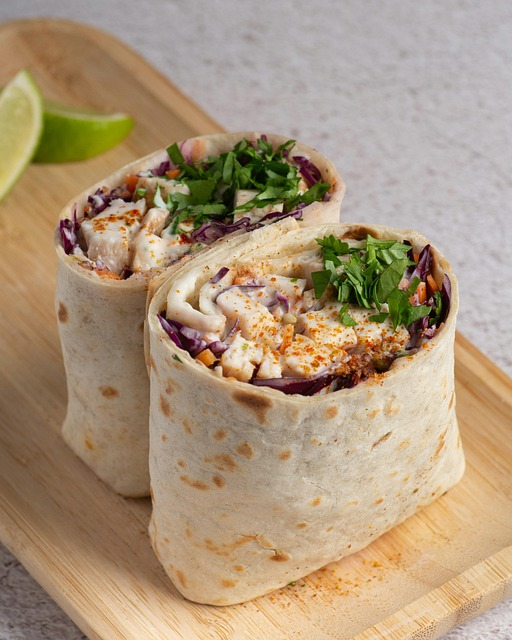
    Try a turkey and cheese sandwich, or cut wraps into pinwheels for a more fun presentation for kids.

    Sandwiches are classic lunch fare at school, especially since they’re finger foods and familiar. Add turkey, cheese, and any of your child’s favorite vegetables, such as shredded carrots or cucumber, sliced tomato, or cooked bell peppers. For creaminess, add low-fat cream cheese.

    Description

    400 calories, 7 grams of fiber, 20 grams of protein

    What’s in it: 2 slices of whole-wheat bread, 2 ounces of lean, nitrate-free turkey, 1 slice of low-fat cheese, ½ cup of vegetables, 1 tablespoon of low-fat cream cheese

    Pro Tip: For a change in pace, turn it into a wrap by using a whole-wheat tortilla, or a pita pocket with half of a large whole-grain pita bread. 
    Hopefully these ideas help your kids – and you – get more whole grains into your daily lunch routine. Check out our breakfast ideas with whole grains, and stay tuned for dinner and snack ideas to come!

  • 10 Stress-Free Ways to Get Your Kids to Eat Whole Grains at Breakfast

    10 Stress-Free Ways to Get Your Kids to Eat Whole Grains at Breakfast

    We talked recently about kids falling short of recommendations for whole grain consumption even though whole grains are so healthy. Now it’s time to look at ways to increase whole grain consumption without adding stress to your life. It’s actually not hard! 

    Whole grains are easy to find and relatively affordable. You can often use them in place of your regular refined grains, and you can usually prepare them just like you would normally prepare a refined grain. Best of all for parents is that they often taste just like refined grains. 

    Let’s start with breakfast. Here are 10 ways to add whole grains to your children’s breakfast routines without stress. Each suggestion has about 350-400 calories, 5-10 grams of fiber, 15 or more grams of protein, and a tip for making it even more family-friendly.

    Stay tuned for the next blog, in which we’ll have 10 ways to add whole grains to lunch and dinner. Good news: you may find yourself eating more whole grains, too. 

    1. Peanut Butter and “Jelly” Oatmeal

    Oatmeal is easy to make and a great go-to for a healthy breakfast. Use rolled oats or instant oats. For an easier clean-up compared to cooking oatmeal in a pan, pour boiling water in a bowl over the oats, let them sit, and then serve. 

    400 calories, 6 grams of fiber, 16 grams of protein

    What’s in it: ½ cup of dry rolled oats, ¾ cup of milk, 1 tablespoon of peanut butter, ½-¾ cup of sliced strawberries or grapes

    Pro Tip: For more of a “jelly-like” experience, cook fruit before stirring it in. Try stewed chopped pear, diced apples stewed with cinnamon, or strawberries or blueberries cooked into a sauce.

    2. Colorful Overnight Oats

    Overnight oats are even quicker than regular oatmeal. Oatmeal softens overnight for a perfectly delicious morning breakfast. Layer the ingredients in single-serving bowls, and refrigerate the oatmeal until the morning. For breakfast on-the-go for grown-ups, make your own overnight oats in a container with a leakproof lid. Grab and go in the morning on the way to school drop-off and work!

    400 calories, 8 grams of fiber, 18 grams of protein 

    What’s in it: ½ cup of dry rolled oats, ½ cup of Greek yogurt, ¼ cup of skim milk, ½ ounce of nuts like chopped walnuts, sliced almonds, or chopped peanuts, ½ cup of berries

    Pro Tip: Use colorful fruit like strawberries, blueberries, kiwi slices, and peach or mango slices for a kid-friendly look. 

    Cottage cheese or yogurt, whole-grain oats or cereal, and any type of fruit can make a beautiful and nutritious breakfast.

    3. Whole-Grain Waffles

    Take advantage of ready-made foods and your freezer to improve your children’s nutrition at breakfast. Whole-grain waffles are fun for kids, and nearly effortless for parents. For a finger food, serve the yogurt separately in a bowl, slice the waffles into strips, and let your kids dip their waffle sticks into the yogurt.

    400 calories, 7 grams of fiber, 19 grams of protein 

    What’s in it: 2 whole-grain waffles, ¾ cup of plain or low-sugar vanilla Greek yogurt, and 1 sliced banana or ¾ cup of any fruit like peach slices

    Pro Tip: Change the flavor profile by skipping the yogurt, and instead toasting 1-2 ounces of low-fat shredded cheddar cheese on the waffles. It’ll still be high in protein. 

    Waffles are easy, delicious, and potentially healthy! Add fruit and yogurt or peanut butter for a nutritious breakfast.

    4. Egg and Cheese English Muffins

    Choose whole-grain, high-fiber, or whole-grain multigrain English muffins. Another option is a whole-grain bagel or mini bagel, or even whole-wheat toast. Serve it cold or hot from the toaster oven. You can also make batches and freeze them for instant breakfasts when you need them.

    350 calories, 5 grams of fiber, 20 grams of protein 

    What’s in it: A whole-grain English muffin, 1-2 slices of low-fat American cheese, 1 cooked egg

    Pro Tip: Add a meatless breakfast sausage for extra protein and fiber. For a more fast food-like sandwich, offer your kids ketchup – but if your kids aren’t the neatest of eaters, consider saving ketchup for weekends or other days when there’s more time to clean up. 

    5. Whole-Grain Breakfast Quesadilla

    A whole-grain breakfast quesadilla is even better than a regular quesadilla because of hearty whole grains and the addition of an egg. Choose low-fat cheese for less saturated fat and more protein.

    400 calories, 5 grams of fiber, 20 grams of protein 

    What’s in it: 2 soft taco-sized tortillas, 2 ounces of shredded low-fat jack or cheddar cheese, and 1 scrambled egg. 

    Pro Tip: For healthy fats and creaminess, spread the tortilla with a layer of mashed ripe avocado before toasting it. Or, cut the quesadilla into strips or wedges, and let your kids dip them into ketchup, salsa, or guacamole. 

    6. Cottage Cheese with Peanut Butter Toast and Fruit

    Boring? No! Many kids love simple foods that are served separately. Plate the items nicely, or put them in small bowls for kids to feel like the components are easier to eat. Swap yogurt for cottage cheese if your kids prefer. 

    380 calories, 6 grams of fiber, 20 grams of protein 

    What’s in it: ½ cup of low-fat cottage cheese, 1 slice of whole-grain toast, 1 tablespoon of peanut butter, 1 banana or other fruit

    Pro Tip: Get your children to buy into it by letting them choose toppings like blueberries, sunflower seeds, or mini chocolate chips.

    7. Whole-Grain Bagel with Cream Cheese and Turkey

    This simple sandwich is easy and well-loved. Use low-fat cream cheese and nitrate-free turkey slices. Serve the bagel thin with grapes or other fruit. 

    400 calories, 5 grams of fiber, 14 grams of protein 

    What’s in it: 1 whole-wheat bagel, 2 tablespoons of low-fat cream cheese, 1 ounce of turkey breast, and 1 cup of grapes

    Pro Tip: Let kids who are old enough press the sandwich with a waffle iron or panini maker. For a meltier sandwich, use sliced cheese instead of cream cheese.

    8. Quinoa Breakfast Bowl 

    Quinoa may sound grown-up, but kids can enjoy it, too. Add quinoa, egg, sliced almonds, and fruit to the bowl. 

    400 calories, 7 grams of fiber, 14 grams of protein 

    What’s in it: 1 cooked egg, ½ ounce sliced almonds, ¾ cup cooked quinoa, ½ cup fresh fruit

    Pro Tip: If they’re not crazy about trying quinoa, give kids whole-wheat pasta or cooked oatmeal instead. They’ll still get whole-grain goodness, and you can enjoy a low-stress meal. Serve a plant-based version for dinner by swapping the egg for ½ cup of black beans. For another high-protein option, add 3 ounces of cooked cubed chicken breast or ground turkey.

    9. Oatmeal Pancake Breakfast

    Save this breakfast for a relaxed weekend, or make extra pancakes to refrigerate or freeze. Reheat them when you need them. Keep the pancakes plain, or add sliced banana when cooking. Your kids can also top them with fun items like mini chocolate chips or sprinkles. 

    400 calories, 6 grams of fiber, 15 grams of protein 

    What’s in it: For 4 servings of pancakes, soak ½ cup of oatmeal in ½ cup of warm milk, then mix it with 2 beaten eggs, ½ cup of whole-grain flour, 2 teaspoons of baking powder, ½ teaspoon of salt, and another ½ cup of milk. Serve pancakes with an egg or cottage cheese plus fresh fruit. 

    Pro Tip: For an on-the-go breakfast or an alternative to a breakfast platter, make sandwiches using pancakes instead of bread. Add peanut butter, cheese, or low-fat cream cheese. 

    10. Cereal, Banana, and Milk

    400 calories, grams of fiber, grams of protein 

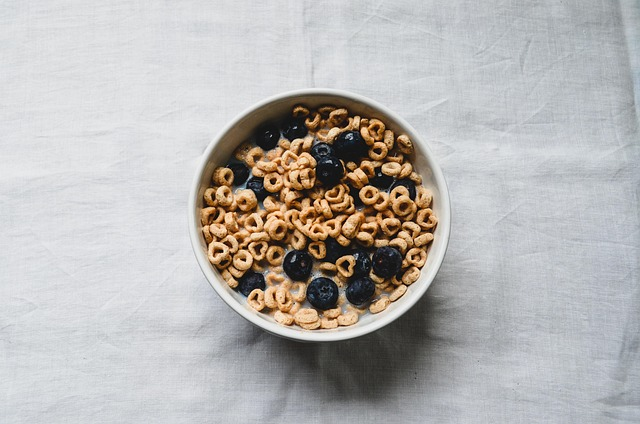
    A healthy breakfast with whole grains can be really simple. Pour cereal into a bowl. Add a sliced banana. Pour milk over it. Serve. Choose a cereal that says, “100% whole grains” on the box. Look for a version with less than 4 grams of sugar per serving. Low-sugar, high-protein whole-grain granola or cereal can be a good choice, too. Choose skim milk or unsweetened soy milk to add protein; almond milk doesn’t have much.

    What’s in it: 1 ½ ounces of whole-grain, low-sugar cereal (like 1 ½ cups of plain Oat O’s, ¾ cup of shredded wheat bites, or ¾-1 cup of bran flakes), 1 sliced banana, 1 cup of skim milk

    Pro Tip: Instead of milk, try it with ½ cup of low-fat cottage cheese or 1 cup of plain non-fat yogurt.

    How do you get your children to start the day with a whole grain? Share your tips, and stay tuned for lunch and dinner whole-grain tips!

  • Most Kids Aren’t Eating Enough Whole Grains — Here’s Why It’s Important and What You Can Do

    Ready to give your kids a good start in life? Choose more whole grains! Most kids aren’t getting enough, which means they’re losing out on a variety of nutrients and health benefits. Thankfully, it’s easy to give them more whole grains. Here’s why they’re important, and how you can get more into your home. 

    What’s a Whole Grain?

    Grains grow in kernels. A whole grain retains all three parts of the natural kernel: the bran, germ, and endosperm. The bran has fiber and B vitamins. The germ has vitamin E, healthy fats, and some minerals. The endosperm has starchy carbohydrates. 

    Swap chips for popcorn for health and weight benefits. Popcorn is a fun snack for kids, too!

    /

    While whole grains have all three parts, refined grains only retain the endosperm. The bran and germ are stripped away during processing. That means whole grains have more natural nutrients. Though most refined grains are fortified with iron and some B vitamins, whole grains have a wider variety of natural nutrients. 

    Here are examples of whole and refined grains.

    Whole Grains vs. Refined Grains
    Whole Grains Refined Grains
    • Oatmeal
    • Whole-grain cereal
    • Whole-wheat bread
    • Whole-grain crackers
    • Brown rice
    • Whole-grain pasta (whole-wheat or brown rice)
    • Quinoa, barley, bulgur
    • White bread and crackers
    • White pasta and rice
    • Refined cereal
    • Farina (cream of wheat)

    Why Whole Grains Matter for Kids

    Whole grains are a great source of fuel, or energy, for growing kids, but they are more than calories in the form of starchy carbohydrates. They’re sources of essential and beneficial nutrients, and they’re linked to short-term and long-term benefits for weight and health. 

    Essential Nutrients in Whole Grains

    Whole grains are natural sources of dietary fiber, vitamins, minerals, and healthy fats. Most Americans are low in fiber, but it’s linked to better digestive health, weight management, blood sugar control, cholesterol levels, and heart health. 

    Here are a few of the essential nutrients in whole grains. 

    • Alpha-linoleic acid, an omega-6 fatty acid
    • Vitamins: thiamin (B1), riboflavin (B2), niacin (B3), pantothenic acid, vitamin B6
    • Minerals: copper, iron, selenium, magnesium

    More Nutrients in Whole Grains

    Like fruits and vegetables, whole grains have antioxidants and other phytonutrients, or “plant nutrients,” that aren’t on the standard list of essential vitamins and minerals. Some phytonutrients in whole grains probably haven’t even been discovered yet! That’s an even better reason to opt for whole grains regularly; a refined grain or multivitamin and mineral supplement can’t provide all of the potentially beneficial components in whole grains.

    It’s easy to add whole grains when you start the day with oatmeal. Add fruit and nuts for a balanced breakfast.

    Weight Benefits of Whole Grains

    Low-carb diets may be popular, but keep reading before you keep grains away from your kids! Scientific evidence shows that people who regularly consume whole grains are more likely to have better weight control over time. 

    Researchers have found these relationships between whole grain consumption and body weight.

    • The potential for more weight loss in children who are overweight 
    • Increased weight loss in the long-term among adults who are overweight and in weight loss programs
    • Lower BMI (body mass index) in adults over time
    • Lower risk for overweight and obesity 
    • Lower risk for overweight babies among mothers with gestational diabetes who consume more whole grains during pregnancy
    Try making sandwiches with whole-grain bread, or make them half whole-grain and half white for fussier kids.

    Fiber in whole grains may be partly responsible for these benefits. Fiber is considered a filling nutrient because it slows the emptying of food from the stomach, so you feel full for longer after a meal. Plus, fiber helps reduce blood sugar fluctuations and sudden, severe hunger. 

    Whole grains can help with weight control by providing stable energy, which allows for more active play. In addition, balanced meals with whole grains can lead to more balanced energy intake.

    More Health Benefits of Whole Grains

    Decades of research point to health benefits of whole grains. People who eat more whole grains have a lower risk for:

    • Chronic inflammation
    • Colorectal cancer
    • Type 2 diabetes, prediabetes, and insulin resistance
    • Heart disease
    • Cognitive decline and memory loss during aging

    If you’re ready to arm your children to fight these and other chronic conditions, see how you can help them eat more whole grains. 

    Here’s How Far Short Kids Fall in Whole Grain Consumption

    Whole grains seem to have clear benefits, but American children fall sadly short of recommendations. The Dietary Guidelines suggest making at least half of all grain servings whole grains. For most kids, that works out to 3-5 daily 1-ounce servings of whole grains. 

    More than 1 in 3 children don’t eat whole grains on a given day. The average child consumes only 1 serving of whole grains a day. To add to the challenge, most adults don’t eat enough whole grains, either. That means kids aren’t learning this healthy habit from their parents.

    Quick and Easy Ways to Choose Whole Grains

    It’s probably easier than you think to get your kids to eat more whole grains. They’re inexpensive and widely available. They’re also easy to use; in most cases, just swap your regular refined grain for a whole grain counterpart. 

    Here are some examples. 

    • Make sandwiches on whole-wheat bread instead of white
    • Stuff whole-grain pita or tortillas instead of white pita or white flour tortillas
    • Serve whole-wheat pasta with sauce instead of white pasta
    • Steam or stir fry brown rice instead of white
    • Pop popcorn for snacks instead of serving chips

    Stay tuned for easy ways to choose whole grains, with simple tips and recipes. 

    How do you get your kids to eat whole grains?

  • Should You Use a Continuous Glucose Monitor Even If You Don’t Have Diabetes?

    WIth continuous glucose monitoring (CGM), you can track your blood sugar (blood glucose) all the time. It lets you see how your body responds to things like food, exercise, sleep, stress, and medications. It may reveal patterns that you can’t detect with occasional finger pricks or lab tests. 

    People with type 1 or type 2 diabetes are most likely to use CGM, but a continuous monitor can provide information to other people like those with prediabetes or people who are interested in links between blood sugar and mood, food, or other factors. Here’s what to know about CGM and how to take advantage of it if you’re trying to prevent diabetes or manage blood sugar. 

    What is Continuous Glucose Monitoring?

    Continuous glucose monitoring is another way to monitor blood sugar. It gives more information than traditional methods like fingerstick testing, which you can only do a few times a day. In contrast, a continuous glucose monitor is placed under your skin. It measures your blood sugar every 1-5 minutes, or around 300 times daily, without pricking your fingers. In contrast, people with diabetes who use traditional finger pricks to test blood sugar may need to test up to 10 times a day.

    Better glucose monitoring can be life-saving with diabetes, but what if you don’t have diabetes?

    Who Uses CGM and Why?

    Traditionally, people with type 1 diabetes use CGM to improve blood sugar control. People with type 2 diabetes, especially if you’re on insulin, are also likely to use CGM. More people are using CGM now. People with prediabetes and people who like tracking their measurements are also increasingly interested in CGM. 

    A CGM can help you with these.

    • Supporting healthy behavior changes by showing you immediate consequences of your choices like what you eat and how much you sleep
    • Creating your daily blood sugar management plan
    • Reducing the risk of severe (Level 2) hypoglycemia, which can be scary and dangerous
    • Reducing anxiety around managing blood sugar

    What You Can Learn from Using a CGM

    A CGM can provide a wealth of information.

    • A blood sugar reading every few minutes throughout the day and night
    • Alerts for high blood sugar and low blood sugar when you are out of range, which can be life-saving
    • Analysis like graphs showing your blood sugar over time
    • Trend arrows showing if your blood sugar is rising, falling, or steady at that moment, so you can make better decisions on whether and what to eat, whether or how much to exercise, and other behaviors

    With so much information, you can also be more likely to learn how specific factors may affect blood sugar. Here are some examples.

    • How specific foods may affect blood sugar differently, such as crackers versus nuts
    • Effects of portion sizes and combinations, such as a plate of pasta versus a half-plate of pasta and a half-plate of salad
    • Role of timing, such as breakfast versus a late-night snack
    • Patterns during and after exercise
    • How different activities affect blood sugar, such as light walks throughout the day versus resistance training versus high-intensity interval workouts
    • How blood sugar changes during stress, sleep deprivation, and illness

    Insurance and Self-Pay: Cost of CGM

    Insurance is likely to pay for a continuous glucose monitor if you have type 1 diabetes or you have type 2 diabetes and you are on insulin. You may also qualify if you have type 2 diabetes and are not on insulin, especially if you have low blood sugar, or hypoglycemia, frequently. Coverage usually includes the CGM and cost of the disposable sensors they use, which usually last 1-2 weeks. 

    Insurance isn’t likely to pay for CGM if you don’t have diabetes, since a CGM is a medical device for diabetes management. Self-pay options may cost about $100 per sensor and $400 for a reader or transmitter. If you’re interested, your healthcare provider may be able to help you find an option to use for a couple of weeks so you can learn how different foods, activities, and other patterns affect blood sugar. 

    Realistic Expectations and Caveats of CGM

    A CGM isn’t perfect. There’s a time delay between when the measurement is taken and when you see the value of the measurement, which means you’re seeing a value that’s a few seconds behind. It’s also important to remember that you still may need to do finger pricks when you have a CGM. A finger prick may be necessary to help calibrate the sensor or confirm a reading. 

    You may still need finger pricks with a CGM
    How does spaghetti affect blood sugar? A CGM can give insights!

    Using a CGM when you don’t have diabetes or prediabetes can be interesting, but it can also potentially lead to excessive focus on each lifestyle choice you make. Micromanaging or becoming obsessive about blood sugar can be unhealthy if it causes stress or treatment fatigue, especially without substantial physical benefits. 

    If you choose to use a CGM, be sure to do so under the supervision of a qualified healthcare professional. You may see a lot of numbers, graphs, and other information. It’s best to check with a provider to make sure you understand what the information is telling you, and what you might want to do about it. Never make changes to your medication or diabetes care plan without involving a qualified healthcare professional. 

    If you’re thinking about trying a CGM, identify why you want to. What are you hoping to get out of it? Are you willing to find out about insurance or the out-of-pocket costs? Have you thought about the risks and benefits? If you’re still interested, talk to your provider and see if it may be right for you!