Tag: running

  • Why This Clear Plastic Raincoat Is My New Go-To for Rainy Runs — and the Rest of the Day

    Why This Clear Plastic Raincoat Is My New Go-To for Rainy Runs — and the Rest of the Day

    I’ve never liked rain, but read about why I don’t have to dread rainy runs and walks anymore!

    Kids may not even notice it’s raining, but I do!

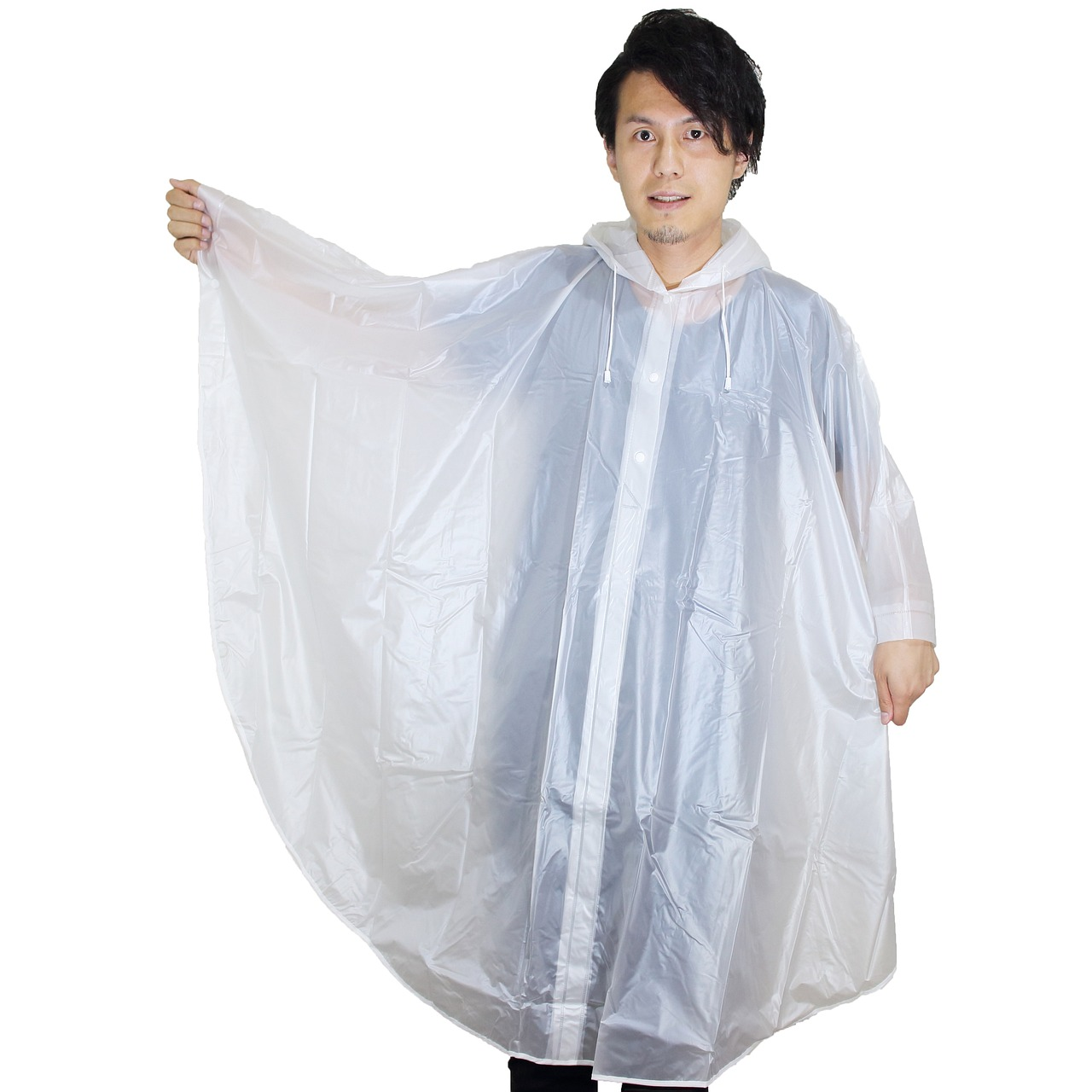
    I got a raincoat! Speaking of those small purchases that make a world of difference in your life, this is one of them. I’d never had a raincoat that I liked before now. This new Clear Plastic Raincoat is making all the difference in my attitude towards, and experience during, rainy days. 

    Why I’m Outside on Rainy Days

    I’ve mentioned before that I run even if it’s raining (check out my personal running FAQs if you haven’t already!), and that I don’t have a car (read about how I get around here!). That means I can be outside and get very wet on rainy days. 

    Thankfully, it doesn’t rain much here. I might run in the rain about 10 times a year. Aside from picking up my son from school, I can usually stay inside the rest of the time it’s raining. However, for those times when I do have to run or go outside in the rain, I get wet. I don’t mind it that much, but when I am wet for too long, I get cold, and that makes it hard to run. 

    (In case you’re wondering why I don’t just stay inside on rainy days, I don’t like being inside all day. I feel trapped. I have trouble thinking. Luckily, I’m able to walk in our building’s underground and underused parking lot and stay dry). 

    Bulky Raincoats, Lightweight Ponchos, and Running Jackets Didn’t Work for Me

    It took me years to settle on this plastic raincoat. For almost two decades, I didn’t wear rain gear while running in the rain.  I probably didn’t care much as a middle school and high school student. By college and graduate school, I was in a place with a true winter, and was probably so happy to be running in summer rain instead of winter snow that I didn’t bother worrying about it. 

    A classic rain jacket never did the trick for me. It was too bulky.

    That changed when I came home (to a warm place!) after graduate school. To stay drier, I tried running jackets that were described as waterproof. They weren’t, but I tried for years. 

    Then I started wearing plastic ponchos from dollar stores. They were pretty effective, but had some serious flaws. They are intended to be disposable, meaning they tear easily when putting them on and taking them off. They are loud. They act like a parachute because they’re so big and floppy. And, you can’t adjust them if something goes wrong. The rain just comes in. 

    For the rest of the day, a poncho works, but it has the same problems. It’s hard to manipulate. It’s awkward. And, it doesn’t dry fast, so if you come in from one run or walk and it’s wet, it’s nearly impossible to put it back on within a few hours.

    A bulky raincoat is good for walking around, but it’s a bit of a nuisance. The thought of having to put it on makes me not want to go outside. 

    I needed a solution for running and walking, and for easy use throughout the day. The plastic raincoat was it. 

    Great Features of My Plastic Raincoat 

    Here are some features of my raincoat, which I purchased for under $15.

    • It has a detachable hood, which I appreciate because I don’t like running with a hood. I wear a cap or visor to keep rain off of my glasses.
    • I got a medium size because the reviews said to order a size up. That was appropriate for me, and I can wear my normal clothes underneath it.
    • It has nice clear plastic pockets in the front.
    • The sleeves snap at the wrists for good fit and better ability to keep long sleeves dry underneath. 

    It’s super light weight so it doesn’t bother me at all. 

    Keep trying until you find rain gear that works for you. It’s worth it!

    Here are more advantages 

    • The raincoat is easy to put on and take off, even when wet
    • It dries quickly
    • It lets me adjust a bag or shoes without disrupting my whole run or walk
    • It is comfortable and doesn’t flop, drag, or make much noise when I run
    • The sleeves are longer and more protective than in a poncho, so my clothes underneath stay dry even if the rain is heavy.

    Comparison of a Plastic Raincoat, Plastic Poncho, and Heavy-Duty Rain Coat

    Comparison: Plastic Raincoat vs. Plastic Poncho vs. Heavy-Duty Rain Coat
    Feature Plastic Raincoat (clear shell) Plastic Poncho Heavy-Duty Rain Coat
    Waterproofness High — full waterproof shell that keeps most rain out. Variable — lightweight but often gaps at sleeves/neck allow water in. Very high — purpose-built with sealed seams and durable membranes.
    Ease of put on / take off Easy — conventional coat shape makes dressing and undressing simple, even when wet. Can be awkward once wet — large loose shape is harder to manage on/off. Moderate — engineered closures, but heavier and bulkier to remove/store.
    Packability Very good — lightweight and folds compactly for a bag or pocket. Excellent — typically folds very small (thin plastic). Poor to moderate — bulkier; may compress into a stuff-sack but takes room.
    Breathability Poor to moderate — non-breathable plastic can trap heat and moisture inside. Poor — thin plastic traps heat and can lead to clamminess. Good — often uses breathable membranes (Gore-Tex, etc.) and vents.
    Mobility / running Good — fitted shape and sleeve design allow freedom of movement; less flapping. Poor — flaps and billows; can catch wind and impede movement when running. Good — designed for activity; articulated cut and secure closures help movement.
    Durability Moderate — thicker EVA-style plastic holds up better than disposable options. Low — very thin, intended short-term use; tears easily. High — built for repeated long-term use in harsh conditions.
    Maintenance / cleaning Easy — wipes clean, air dry quickly. Very easy — wipe or toss when done; not designed for long-term reuse. Moderate — machine wash / technical care instructions may apply.
    Hood security Good — drawstrings, fitted hood stays put (improves with a cap underneath). Poor — hood often loose and can blow back; minimal structure. Very good — structured hoods with adjustable brims and seals.
    Sleeve length / coverage Longer sleeves provide real arm coverage and better protection. Often shorter or open at sides — less reliable sleeve protection. Excellent — tailored sleeves with cuff closures to seal out water.
    Style / visibility Clear option lets your outfit show through; simple aesthetic. Utility-focused; usually inexpensive-looking. Range from technical to stylish — many color and cut options.
    Cost Low to moderate — affordable and reusable (under $40 typical). Very low — cheapest single-use option. High — investment piece (technical materials drive price up).
    Best use case Everyday commuting, walking, errands, and rainy runs where packability matters. Emergency cover, one-off events, or when cost/space are the main concern. Outdoor work, serious hiking, prolonged wet-weather use, or cold/windy conditions.
  • Tricks to Get Out the Door to Run in the Early Morning

    I’ve mentioned a few times that I run a lot. I’ve been running 5-6 days a week for almost 30 years. The past few years, I’ve been running about 60-70 miles per week. I posted recently about how I started running, and last week I posted questions and answers about my running. Today, keep reading to find out how I get out the door consistently to run.

    Common Challenges to Exercising Regularly

    Staying consistent with an exercise routine is often a struggle. Most people cite reasons like being too tired, not having enough time, and being unmotivated. Other barriers include not knowing what to do, not enjoying exercise, and not seeing results. Bad weather, lack of facilities, and having pain or illnesses are also likely to get in the way.

    These struggles and obstacles are real. I face many of them, too. As a single working parent, I give up a lot for my runs. I plan carefully, and use what I have in my favor: high motivation, support from a lot of people, and a long history of running daily. 

    Logistics: Getting Childcare for My Runs

    When I first decided to try for a baby, I promised myself that a child wouldn’t interfere with my running. I’ve kept that promise, thanks in part to careful planning for childcare. For more than 8 years now, reliable and wonderful people have stepped in to watch my son and let me run.

    When my parents are in town, they’re kind enough to watch my son while I run and have some “me” time in the mornings. When they’re out of town, my son and I have been lucky to have some of the world’s best babysitters. (Side note: if you don’t think your family’s babysitter(s) are the world’s best, consider looking for another one. A great babysitter makes life so much better). 

    Scheduling: Making Time to Run

    Another thing I make sure to do is set aside time to run. I prefer running early in the morning for a few reasons. First, it’s when I have energy. It’s also somewhat before I’m fully awake, so I’m too confused to take the time to consider not running. Finally, it lets me finish running before 8 or 8:30 a.m., so it’s extremely rare that anyone from work would need to contact me before I’m done running. 

    Before I leave in the morning, I need to get my son up and make sure he’s showered, dressed, and ready for breakfast. That means I need to get up early, which means I need to get to bed early. In fact, I go to bed shortly after my son does, which means I have very little work time or down time in the evening. After my son has lights-out, I eat a late-night snack (I always have liked eating at night! Currently it’s oatmeal), then go to bed. 

    More Tricks to “Make It Easier”

    I do everything I can to make running the “easy” or “default” choice. For example, I sleep in my running clothes and have my running shoes outside. My mp3 player is charged and sitting near my keys, which are by the door. There’s no organization or thought needed in the morning before I run; everything is ready by the time I go to bed the night before. 

    A List of Mental Tricks

    With all that prep, I still need to use a lot of mental tricks to get started and keep running. Having a babysitter or my parents coming at a scheduled time is a good start; I have no ability to postpone starting my run. 

    If it seems too daunting, I remind myself that I’ll be starting out so slowly that it’ll feel like I’m walking. I tell myself that if it feels too hard, I’ll slow down until it’s comfortable. I tell myself to get through one mile, then 2 miles, then a half-hour. At 5 miles, I tell myself that I can go for a while longer and be at an hour. A few miles later, and I’m done if it’s a 10-miler. 

    Throughout a run, I give myself permission to stop if I really need to. Focusing on being in this moment (“I’m okay right now”) lets me relax and keep going; there’s no need to worry about the next moment (“What if I get tired?”). 

    If I feel tired when I start or during a run, I tell myself I can take a nap later. That’s extra helpful on cold days when I feel like going back to my warm bed. 

    Instead of running a big loop, I run several laps around the block we live on. This is easier for me because I can tell myself, “I know I can do one more lap.” For other people, committing to a big loop might be easier because there’s no way to quit. 

    I try to make my runs entertaining by saving music for them. I don’t often listen to music at other times, so it makes my runs special. I might also listen to the news – another luxury that I try to save for running. 

    Since I’ve been running for so long, I know I can count on feeling better afterwards. If I go for a few weeks without feeling better afterwards, I know it’s time for an extra day off. That’s pretty rare, about 2-5 times a year. 

    It’s a Give-and-Take

    I give up a lot for running. For most people, it’s not worth it. More social time, more screen time or reading in the evenings, and the ability to sleep in may be more valuable to them than the extra miles I’m able to get in by giving up so many things. I don’t recommend it for everyone; I just recommend considering some of my strategies if you’re having trouble being consistent with your exercise routine. Consider what you can do to have more energy, make more time, and get what you need from your exercise routine, and make it happen as best you can.

    How do you get active or stay active despite challenges you may face?

  • My 30-Year Running Journey: How I Got Started

    I’ve been writing this blog for a while now and I haven’t really mentioned running. When you find out how much I run, you might think that it’s strange that I haven’t talked much about it yet. It may be because running has been a part of me for about 30 years. 

    Although I run six out of the 7 days most weeks, I don’t talk much about it in my daily life. If you ask me what I did today, I probably won’t think to mention that I ran. I probably also won’t explain that I brushed my teeth, took a shower, gave my son breakfast, and went to work. Those things just happen. 

    Here’s a short background on my running and how my running is now, with more sure to come in future posts.

    The First Run Around the Block

    I was always an active child, but my first memory of running for the sake of running was one time when I was being too active in the house and my dad said why don’t I go run around the block. I did.

    We lived on a fairly big block. One lap around it was about 0.6 miles. I remember getting very out of breath and feeling as though it was a very long way, but I finished. I don’t think I enjoyed the run, but it felt good to finish. I was probably about 8 years old. 

    I remember running in anything I was wearing, with my hair flying everywhere!

    Fifth Grade Presidential Fitness Test

    Back then we had to run a mile in fifth grade and our teachers timed us. We didn’t practice first, of course.

    I don’t remember why, but I didn’t run my mile when the rest of the class did. I remember watching them and cheering. I was probably lucky that I got to see how big of a mistake it was to start too fast. Students who did had a lot of trouble finishing. Since I had no experience, it was a good lesson for me to get before running my own mile.

    I ran it a day later, at the same time as a good friend. I don’t remember the running itself being too terrible. I remember finishing and being more out of breath than I’d ever imagined. (That became a more familiar feeling later on, as I began to race). 

    My time? 6:59.71. My teacher decided to round it up to 7:00 for his official submission. In my head, I always considered it to be a sub-7 mile.

    (I won’t bore you with many of my racing times. This one, however, is one that has stuck with me because it’s my first). 

    From Just One of the Sports to a Daily Pursuit

    By the time I got to middle school, I had been looking forward to after-school sports for years. I had a fabulous PE teacher in Middle School. Four days a week, she taught us organized sports if we stayed after school. Twice a week, we played the sport that was in season: volleyball and flag football during the fall soccer and basketball during the winter and softball in the spring. 

    The other two days, we ran after school. As with the other afterschool activities, running was a good experience. The older students were welcoming; I remember the ninth-grader that I was running with stating proudly (or kindly) that now she had a sixth-grade friend. It was an encouraging atmosphere. If you passed someone or they passed you, you both said or grunted something like, “good job,” or, “keep it up.” There was no competitive spirit; it was strictly supportive. 

    As with the mile in fifth grade, I didn’t enjoy much about the actual running part, but it felt very good to stop. I also felt very proud, including for the next two days when my screaming muscles reminded me of the two and a half miles through which they’d carried me. 

    I returned two days later for the next run after school, and I kept it up for all three years of middle school. I am forever grateful to my PE teacher for all she gave me and all of us in terms of her time, expertise, and love. Like many teachers, she was so selfless. She cared so much, and got the best out of us. 

    The Rest Is History

    I ran steeplechase once in college. I am sure it was good for a laugh for spectators. As a terrible steeplechaser, I didn’t find myself very funny.

    My running path was not atypical after middle school. I joined my high school’s cross country and track and field teams. In college, I ran cross country and distance races in track. I ran road races from 5k to marathons in graduate school. I ran a couple of marathons after that. Eventually, I had no more interest in racing, so I stopped. 

    Running After a Racing Career

    I may have stopped racing, but I’ve kept running. I still run 55-70 miles a week. I still run hard when I feel like it, but without looming race dates as deadlines for achieving fitness milestones, I don’t have to run hard when my body asks me not to. Running is both more pleasurable and less injury-inducing when my body dictates my training instead of the calendar dictating. 

    I appreciate having running as something that’s entirely mine. Very few people care whether I run. People rarely ask me how my run was, and I don’t have anything interesting to tell them anyway. I still find that every day is a struggle to get started, but by now, I know that the benefits will be worth overcoming the dread of getting started. 

    It’s important to appreciate yourself and your run. It helps you remember how much it benefits you, so that you can be motivated to do it again tomorrow.

    I hope that I can run for a long time to come. If not, I hope that I will find something else that makes my body and mind feel at peace. 

    What do you do for yourself that is “right?” Is it exercising, doing a hobby, or something else?