Tag: sleep

  • The Power of Routine: Healthy Family Habits That You Can Start This February

    The Power of Routine: Healthy Family Habits That You Can Start This February

    January may be for big goals and major declarations, but February is for sticking to a routine. And that can be the best possible thing for the health of you and your children. When your schedule is predictable – work is steady, regular school days and nightly homework are the norm, and no major holidays are on the horizon, you have a great opportunity to add healthy behaviors to that routine.

    We already talked about simple ways to improve eating habits and work physical activity into your family’s regular schedule. In this post, we’ll talk about other ways to support physical and mental health, as well as family closeness. With small changes and some awareness, you can improve sleep habits and energy, spend more time together while preserving your own time to relax, build strength and closeness as a family unit, and become more resilient to stress. 

    Sleep: Build and Protect a Strong Foundation

    Sleep is crucial for energy, ability to learn and focus, a good mood, metabolic health, and normalizing hunger. February, when most mornings and evenings have predictable patterns and times, provides the ideal setting for improving sleep habits. If a nightly goal of 9-11 hours for kids and 7-9 hours for parents seems out of reach, focus on what may be even more important for sleep: consistent bed times and wake times.

    These tips can help optimize the value of sleep in your family.

    • Choose realistic lights-out times for kids and for adults. They should ideally be consistent on weekdays and weekends. If they have to vary, make them as close to each other as possible.
    • Let your family use weekends and other days without a required wake time as time to catch up on sleep. 
    • Have a bedtime routine for kids and for parents. Kids and parents might brush teeth and read together before you say good-night to your kids. Later, you might change into nightclothes, stretch, make a to-do list, spend time with your significant other, or do other relaxing activities. The trick is to make them consistent and non-stressful.
    • Turn off devices 30-60 minutes before bedtime. This helps prevent kids from depending on devices to put them to sleep. It helps adults’ brains shut down more easily so it’s easier to fall asleep.
    Kids and adults rely on good sleep to stay happy and healthy

    As always, make sure bedrooms are dark, quiet, and cool, and beds, blankets, and pillows are comfortable. 

    Fostering a Positive Family Culture

    Many workplaces foster a positive culture; consider working for a positive family culture at home. First, identify your goals. They may include these. 

    • Being supportive of each other on good days and bad
    • Making the best of situations as they come up
    • Problem solving rather than giving in
    • Accepting imperfections and embracing alternative solutions

    To support a positive family culture, come up with guidelines as a family. Write or draw them somewhere where everyone can see them. Examples include showing respect, treating others like you value them, and stepping in to help when you see a way that you can. 

    As always, modeling is one of the best ways to get your kids to act the way you want. Praise your children every chance you get. When you make a mistake, admit it and then make amends. Ask if you can help. If something goes wrong, acknowledge it, then decide how you can make it turn out as well as possible. 

    You can also show your love in every way you can, such as leaving notes in lunchboxes or mirrors so your kids know you’re thinking of them, or hugging them when you drop them off and pick them up. Show respect by giving them choices (“Do you want a peanut butter sandwich or English muffin pizza for lunch?”). Let them know you trust them by asking what they learned from their homework rather than if they finished it. If they make a mistake, reassure them that it’ll work out okay, and you’ll help them if they need it. 

    Praise each other and show each other you care to foster a positive family environment

    Remember that for every positive thing you say, kids remember 5-10 negative ones. So, be sure positive parts dramatically outweigh negative ones!

    Stress Reduction and Resilience for Kids, Parents, and Families

    Routine can reduce stress in many ways. Things are predictable, so it’s easier to prepare for them. There’s less effort and angst needed to plan each day. 

    On the other hand, stress can come from other sources in mid-winter. Routines can seem endless and boring. There’s no change day after day, week after week. For kids especially, school can be stressful. Lessons may be tougher, there are fewer days with parties or without homework, and pressure can feel heavier. 

    When you manage stress, it has fewer negative effects. When you build resilience, you’re better able to bounce back from challenging situations. You can take the lead in managing stress and building resilience in your family. 

    Manage stress for yourself in standard ways: being physically active, eating well, sleeping well, deep breathing, and journaling. Try to let go of what you can’t control, and have a friend or family member who lets you phone them if you need support. Take time to yourself each day, even if it’s as little as a one-minute pep talk to yourself before stepping in the door after work. 

    Small silly actions like jumping in puddles can bring joy and reduce negative effects of stress – not to mention teach kids that it’s okay to get dirty!

    Help your kids manage stress by building in down time each day. Support the same healthy habits in them that you maintain for yourself. And, help them name emotions and identify causes and solutions. This helps things be less overwhelming to them.

    Together, practice deep breathing and counting. Talk through emotions, problems, and solutions. This builds the structure for them knowing you’re there for them no matter what, and you’ll get through it together. 

    There’s a lot to a healthy lifestyle, but adding in healthy habits one at a time can be manageable. Mid-winter is an especially good time to focus on health, when other parts of your life may be more predictable and easier to handle. 

    How do you use routine weeks to make your family’s lifestyle healthier?
  • Late January Reality: Helping Kids and Parents Thrive in the Day-to-Day School Routine

    Late January Reality: Helping Kids and Parents Thrive in the Day-to-Day School Routine

    It may seem like the back-to-school transition after the holidays is over, but any parent knows that the work of parenting never ends. It’s normal for kids to resist morning routines, for homework to feel burdensome, for kids to say they’re bored, and for bedtime to seem like a struggle. On top of it, parents can be exhausted!

    Don’t worry. There are simple hacks for making things smoother during the winter months. If you haven’t already, you can incorporate healthy actions back into the schedule. And, you can break up the day-to-day monotony with fun that doesn’t leave you even more exhausted. It’s all about listening to your kids and framing things in a way that gets through. Here are some tricks to shifting from surviving to thriving this winter. 

    A Post-Holiday “Letdown” Is Normal

    After weeks of excitement and special events over the holidays, they’re now in the distant past. This can be hard for parents, who may have hoped for a break but never got the rest they wanted.

    It can also be hard for kids. It’s hard to transition from November and December, when there may always be a wonderful new adventure to look forward to, to late January. School may feel endless; spring break is far off, and there’s nothing to break the daily routine of school.

    Acknowledge your and your kids’ feelings. They’re valid! Let them know that you understand that it’s hard when special times end, and school comes back. 

    In my family, the end of January feels especially final when it comes to holidays. We not only have the typical winter break over late December and early January. Three of us also have January birthdays. Plus, my parents leave for another country after the third birthday. For these reasons, our family’s transition to late January routine is especially dramatic. 

    Here are some things my son and I talk about.

    • What a wonderful job he did decorating and planning for holiday and birthday parties for the family
    • What he’s been enjoying doing when he hangs out with his friends after school 

    Shift Focus to Smaller Bits of Fun

    You don’t have to accept that the next few months will be boring. Consider coming up with ways to have fun on a smaller scale. What makes them really special is that they may be things you didn’t have time to do over the holidays. 

    A day at the park is simple, but something for kids to look forward to!

    Here are some low-key ways to have fun that my son looks forward to at this time of year.

    • Getting to video chat on weekends with his grandparents
    • Making plans with his amazing, wonderful, and unbelievable babysitter, who only works for us when my parents are out of town
    • Planning for him to sleep over at his grandparents’ house when they return
    • Doing different weekend outings with me that require a car – since we borrow my parents’ car, we don’t go far from home or off a bus route when they’re in town. I don’t like to ask
    • Fun events coming up at school, like a music festival showcasing his classmates in March
    • Going to the library, which has wonderful magnet tiles and other toys, but was closed over winter break

    These simple events can be joyful. Though they fit into the daily routine, they feel like they break it up. 

    Fit in Healthy Habits Now!

    Remember those healthy habits you wanted to start this year? Daily routines are likely to be as predictable and consistent now as at any other time during the year. Your chance to build healthy meals and snacks, regular family activity, and a healthy sleep routine into daily life may be now!

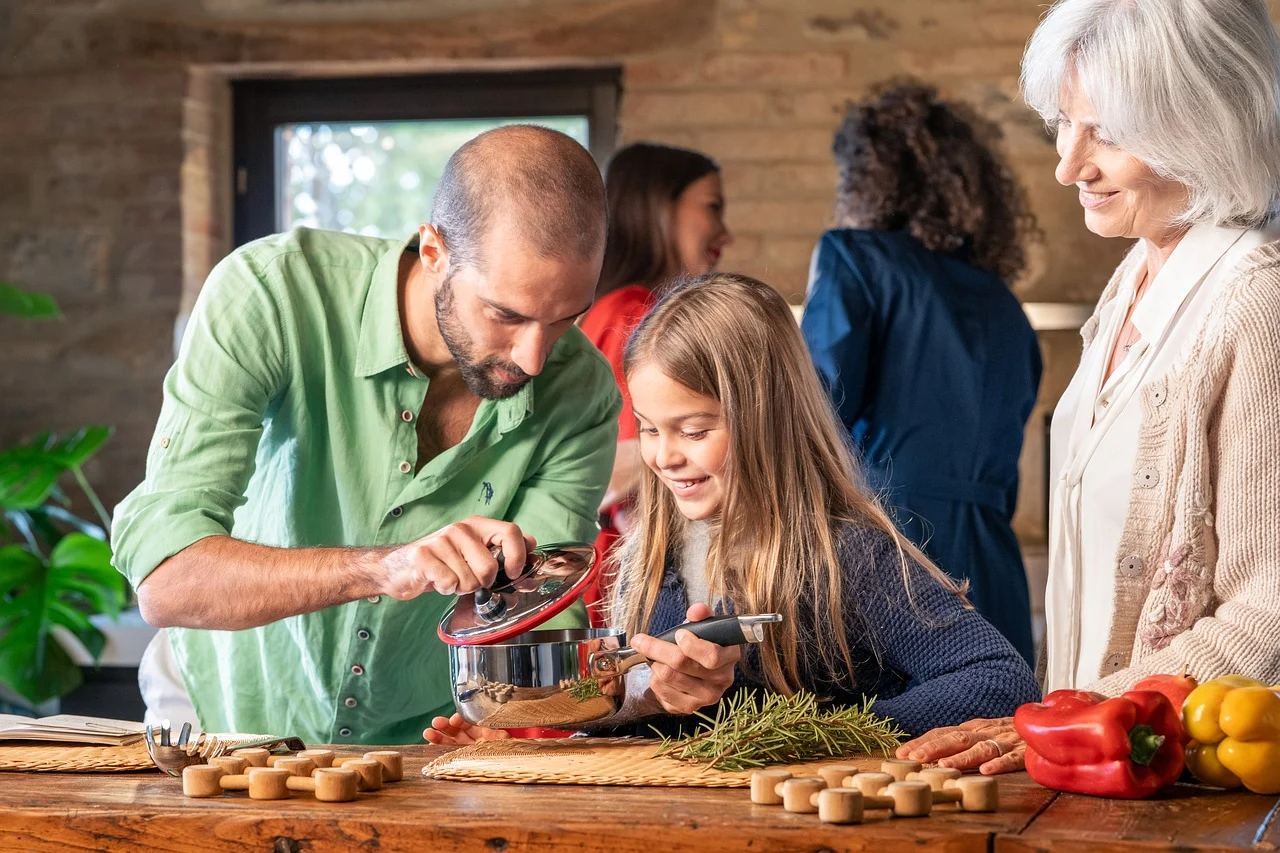
    Cooking healthy foods together can encourage kids to eat healthy, and help them learn what a healthy meal is.

    Small steps can make a big difference. Here are some examples.

    • Shift portions to increase vegetable intake. If kids aren’t eating their vegetables, consider serving smaller amounts of other foods so they’re not full before they get to their vegetables. You can also serve smaller portions of vegetables to avoid overwhelming kids.
    • Make physical activity routine. Enjoy nature walks. Walk to the library or post office. Take a walk while your kids bike or scooter along. 
    • Establish a bedtime routine. You may already do this. If not, make a consistent set of activities you do with your kids before bedtime. Brushing teeth, taking a bath, and reading a story are common ones. You might sing a song or tell a few nursery rhymes together. Make sure to have your own grown-up version of a bedtime routine. It might include brushing teeth, spending time with your significant other (if you have one), packing tomorrow’s lunches, and making a to-do list for the next day.

    What may be the biggest difference for me and my son between the holiday season and routine days of winter is sugar consumption. Christmas candy, irresistible chocolate coins, and birthday cakes contribute added sugars. Furthermore, my son gets a lot of juice and apple cider when my parents are home. They don’t have added sugars, but they do have a lot of sugar. Now we’re back to one reasonable portion of one sugar-sweetened treat a day at home.

    Look for Information, Listen, and Adjust

    If your routine isn’t working, troubleshoot to figure out why not. If kids are cranky or resistant, there’s probably a reason. It’s possible they’re just being difficult, but it’s also possible there’s an underlying barrier, such as fatigue or anxiety. Either way, simple changes can often make a difference.

    Have you tried brushing your teeth together, or singing tooth brushing songs?

    Here are some common reasons why a routine isn’t working, and possible fixes. 

    What Might Be Going OnWhat Can Help
    Kids are tiredAn earlier bedtime can help kids get more total sleep. A consistent bedtime—even on weekends—can prevent starting the school week already short on sleep.
    Kids are overstimulatedAllow 20–30 minutes after school for kids to decompress by amusing themselves however they want (within household rules). Let them know you’re available when they’re ready. Check their schedule to be sure they have at least 30–60 minutes of true downtime each day—unstructured time not dedicated to homework or extracurricular activities.
    Kids want to exert controlOffer choices: “Homework before or after snack?” “Do you want a 5-minute warning or a song timer?” “Do you want to start with reading or math?” Shift from time-based rules to task-based routines. Instead of “It’s 6:30, do your homework,” try “After homework, it’s free time.”

    Turn the dark days of winter into a bright spot with small changes in how you approach your kids and manage schedules. Plus, you can incorporate healthy choices in your family’s daily routine to take advantage of the predictable days that often come in mid-winter.

  • More Parent-Tested, Lifestyle Coach-Approved Tips for Staying Healthy During Winter Break: Immunity, Sleep, Schedules, and Screens

    More Parent-Tested, Lifestyle Coach-Approved Tips for Staying Healthy During Winter Break: Immunity, Sleep, Schedules, and Screens

    Winter break is a pause from the usual routine. For parents, differences at this time of year may include kids being home from school, prep for holidays and holiday events, and challenges like working during school closures, getting sick, or traveling in winter weather. 

    Unfortunately, winter break often means straying from healthy habits. The first post in this series talked about eating well, staying active, and hydrating during winter break. We also talked about maintaining mental health by establishing priorities and sticking to them. This post talks about supporting health with immune support, daily structure, healthy sleep, and responsible screen time. It’s worth it to take a few steps to support health during this winter break!

    Supporting Immune Health During Winter Break

    Winter break falls within peak cold and flu season, and COVID-19 is still a threat. Travel and gatherings like holiday parties and family reunions can increase the spread. 

    Here are simple tips to boost your immunity and reduce the spread of infections. 

    Washing hands is easy and effective.

    • Wash your hands properly before eating, after using the bathroom, and when coming back inside after going out.
    • Get recommended vaccines, such as for the flu and COVID-19.
    • Consume plenty of fresh fruits and vegetables for vitamin C and other nutrients.
    • Stay hydrated with water, tea, or other low-calorie beverages. 
    • Get enough sleep and physical activity.
    • Wear a mask when around others. 

    Remember to assess risk before attending gatherings. If you or someone in your household is at higher risk for more serious illnesses, consider wearing masks or skipping the event. Similarly, be considerate if you’re planning to visit higher-risk individuals like grandparents. Inform them if you or your children are ill, and let them decide whether they still want you to come or if they want you to mask up. 

    Keep in mind that most colds aren’t serious. Kids are likely to get sick sometimes, just like grown-ups. Contact your child’s pediatrician if you have concerns. 

    Sleep: An Underrated Winter Break Health Habit

    Parents already know that sleep is critical for mood and behavior; tired children are no fun to manage. Sleep also boosts immunity, energy, and ability to think. Winter break is a great time to get more sleep for several reasons. 

    • It’s easier to set aside time for a bedtime routine when kids aren’t swamped with homework.
    • Days are shorter, so it gets dark earlier in the evening and stays dark later in the morning – perfect for sleeping!
    • There’s more ability to sleep in when you’re not rushing to gather kids, clothes, lunches, and homework, and get them off to school on time. 

    For best results, keep bedtime to within an hour of bedtime during the school year. That makes it easier to go back to school without causing sleep deprivation. Sticking to a consistent sleep schedule also makes it easier to get to sleep and fall asleep, so it’s easier to get adequate high-quality sleep. 

    Also maintain habits like turning off screens at least 30 minutes before bed, having a bedtime routine that’s consistent, and being active during the day so kids are ready to sleep at night. 

    Maintaining a Loose Daily Schedule Without Over-Scheduling

    Winter break offers the chance to be less strict with your schedule. You don’t have to drop the kids off early at school. They may not have certain after-school activities to attend. Work hours may be less rigid. 

    Plan to eat meals together at a consistent time, and the rest of your daily schedule can fall into place more easily.

    With extra flexibility, it can be tempting to let go of a schedule completely, but that can be a mistake. While some people perceive schedules as limiting, I like to think of them as liberating. Here’s why having a set schedule can be liberating.

    • It reduces decision fatigue because you’ve already decided when many events – like meals and bedtime – will occur.
    • It gives you control over your time because it lets you set aside time for what’s important to you, such as work, specific events, working out, and family time.
    • It lets offers kids predictability and stability, which lets kids thrive and feel secure
    • It lets kids see that you’ve set aside time for what they want, like screen time or play time

    To create a schedule that doesn’t make you feel trapped, start with a few anchor events to establish and maintain a daily rhythm. They may include:

    • Bedtime (and a bedtime routine before that)
    • Meal times
    • Outdoor times 
    • Nap time (if you have younger children)

    Depending on your needs and the ages of your children, other items in the daily schedule may include reading time, screen time, family play time, and quiet individual play time (when you can work if needed). 

    See how your schedule works for a few days, then tweak it if needed. 

    Screen Time: Set Boundaries That Actually Work

    Each family has different norms around screen time: how much, when, and what’s okay to do or watch. Ipads and other tablets, laptops, phones, and smart watches are abundant in most households nowadays, and they act like kid magnets. 

    Tablets can give parents a needed break while traveling, and it’s a time when kids are sedentary anyway.

    During vacation, it’s important to set boundaries that meet your needs. Usually, there’s a conflict between parents wanting to reduce kids’ screen time versus kids wanting to watch more and parents needing a way to entertain kids without them. 

    When you set boundaries for screen time, consider these aspects. 

    • How many hours are okay per day or week. 
    • Which device(s) your child will have access to.
    • Which guardrails you’ll put in place, such as supervising your child during screen time, using the device together with your child, or activating a child mode on the device. 
    • What your child may do with the device, such as doing educational programs, playing interactive games, or watching videos. 

    Whatever rules you set, stick to them just like you stick to any other rules in your household. Here are some rules you might consider. 

    • A maximum of two hours of screen time a day.
    • No screen time until after a certain amount of active time and reading or other educational activity.
    • The child must get your approval for each new activity, such as a new game or video.
    • The child must take vision and active breaks every 30 minutes, like running around the house for 1-2 minutes without looking at a screen. 

    All screens should be turned off for the bedtime routine. 

    Keep in mind that everyone needs a break – maybe even you. If the only way you can get a break and prevent a breakdown is to give your child more screen time, it’s okay. They’ll survive, and you need to, too. 

    Winter break and the holidays can be both happy and healthy, but it can take some planning and tricks to make it happen. How do you stay healthy during this time? 

  • Benefits of Adequate Sleep — I’m Feeling Them First-Hand!

    Benefits of Adequate Sleep — I’m Feeling Them First-Hand!

    Sleep has so many benefits. As I try to figure out how to start my blog. I want it to be positive, useful, and timely. Since I’m feeling a little down about work and home, I think it’s a good idea to focus on something that did go well recently: sleep!

    Last week, we returned home after a 9-night vacation. It was a wonderful trip, and I’ll write more later about healthy and less-healthy food, tons of physical activity, and running and being a tourist in the heat. For now, I’ll talk about sleeping. 

    At home, I run 6 days a week, and wake to an alarm clock each of those days. So, I only sleep as long as I can one day a week. On our vacation, I slept without an alarm clock for several mornings in a row for the first time in years, excluding some time in 2022 when I was in the hospital, which wasn’t exactly restful. 

    I averaged about 11 hours a night. My son, age 8, averaged about 12 hours a night. We agreed that we could have slept longer, too! Our hotel was wonderful; the beds were comfortable, the room was dark and quiet, and I’d brought my own pillow and an electric blanket. Yes, it’s summer and we were in a hot place, but I need heat to sleep!

    The week-plus of sleeping as much as I wanted was like magic. I felt so much better. I could think better, and my muscles didn’t hurt so much. I knew I’d been short on sleep, as I’d been taking naps for months before the trip. And I knew from experience that everything feels better with adequate sleep. 

    Of course, there’s a ton of research on the benefits of sleep. It helps with blood sugar control and hunger. It reduces cravings and encourages healthier food choices. It increases energy so it’s easier to exercise. It reduces accidents, and improves mood. 


    So why don’t we all get enough sleep every night? 

    There are a lot of reasons, which we can talk about another time! For now, let me just encourage you – and myself – to get enough sleep tonight!

    Thanks for reading, and please let me know in the comments how you feel about sleep!