
Tag: stress

  • The Power of Routine: Healthy Family Habits That You Can Start This February

    The Power of Routine: Healthy Family Habits That You Can Start This February

    January may be for big goals and major declarations, but February is for sticking to a routine. And that can be the best possible thing for the health of you and your children. When your schedule is predictable – work is steady, regular school days and nightly homework are the norm, and no major holidays are on the horizon, you have a great opportunity to add healthy behaviors to that routine.

    We already talked about simple ways to improve eating habits and work physical activity into your family’s regular schedule. In this post, we’ll talk about other ways to support physical and mental health, as well as family closeness. With small changes and some awareness, you can improve sleep habits and energy, spend more time together while preserving your own time to relax, build strength and closeness as a family unit, and become more resilient to stress. 

    Sleep: Build and Protect a Strong Foundation

    Sleep is crucial for energy, ability to learn and focus, a good mood, metabolic health, and normalizing hunger. February, when most mornings and evenings have predictable patterns and times, provides the ideal setting for improving sleep habits. If a nightly goal of 9-11 hours for kids and 7-9 hours for parents seems out of reach, focus on what may be even more important for sleep: consistent bed times and wake times.

    These tips can help optimize the value of sleep in your family.

    • Choose realistic lights-out times for kids and for adults. They should ideally be consistent on weekdays and weekends. If they have to vary, make them as close to each other as possible.
    • Let your family use weekends and other days without a required wake time as time to catch up on sleep. 
    • Have a bedtime routine for kids and for parents. Kids and parents might brush teeth and read together before you say good-night to your kids. Later, you might change into nightclothes, stretch, make a to-do list, spend time with your significant other, or do other relaxing activities. The trick is to make them consistent and non-stressful.
    • Turn off devices 30-60 minutes before bedtime. This helps prevent kids from depending on devices to put them to sleep. It helps adults’ brains shut down more easily so it’s easier to fall asleep.
    Kids and adults rely on good sleep to stay happy and healthy

    As always, make sure bedrooms are dark, quiet, and cool, and beds, blankets, and pillows are comfortable. 

    Fostering a Positive Family Culture

    Many workplaces foster a positive culture; consider working for a positive family culture at home. First, identify your goals. They may include these. 

    • Being supportive of each other on good days and bad
    • Making the best of situations as they come up
    • Problem solving rather than giving in
    • Accepting imperfections and embracing alternative solutions

    To support a positive family culture, come up with guidelines as a family. Write or draw them somewhere where everyone can see them. Examples include showing respect, treating others like you value them, and stepping in to help when you see a way that you can. 

    As always, modeling is one of the best ways to get your kids to act the way you want. Praise your children every chance you get. When you make a mistake, admit it and then make amends. Ask if you can help. If something goes wrong, acknowledge it, then decide how you can make it turn out as well as possible. 

    You can also show your love in every way you can, such as leaving notes in lunchboxes or mirrors so your kids know you’re thinking of them, or hugging them when you drop them off and pick them up. Show respect by giving them choices (“Do you want a peanut butter sandwich or English muffin pizza for lunch?”). Let them know you trust them by asking what they learned from their homework rather than if they finished it. If they make a mistake, reassure them that it’ll work out okay, and you’ll help them if they need it. 

    Praise each other and show each other you care to foster a positive family environment

    Remember that for every positive thing you say, kids remember 5-10 negative ones. So, be sure positive parts dramatically outweigh negative ones!

    Stress Reduction and Resilience for Kids, Parents, and Families

    Routine can reduce stress in many ways. Things are predictable, so it’s easier to prepare for them. There’s less effort and angst needed to plan each day. 

    On the other hand, stress can come from other sources in mid-winter. Routines can seem endless and boring. There’s no change day after day, week after week. For kids especially, school can be stressful. Lessons may be tougher, there are fewer days with parties or without homework, and pressure can feel heavier. 

    When you manage stress, it has fewer negative effects. When you build resilience, you’re better able to bounce back from challenging situations. You can take the lead in managing stress and building resilience in your family. 

    Manage stress for yourself in standard ways: being physically active, eating well, sleeping well, deep breathing, and journaling. Try to let go of what you can’t control, and have a friend or family member who lets you phone them if you need support. Take time to yourself each day, even if it’s as little as a one-minute pep talk to yourself before stepping in the door after work. 

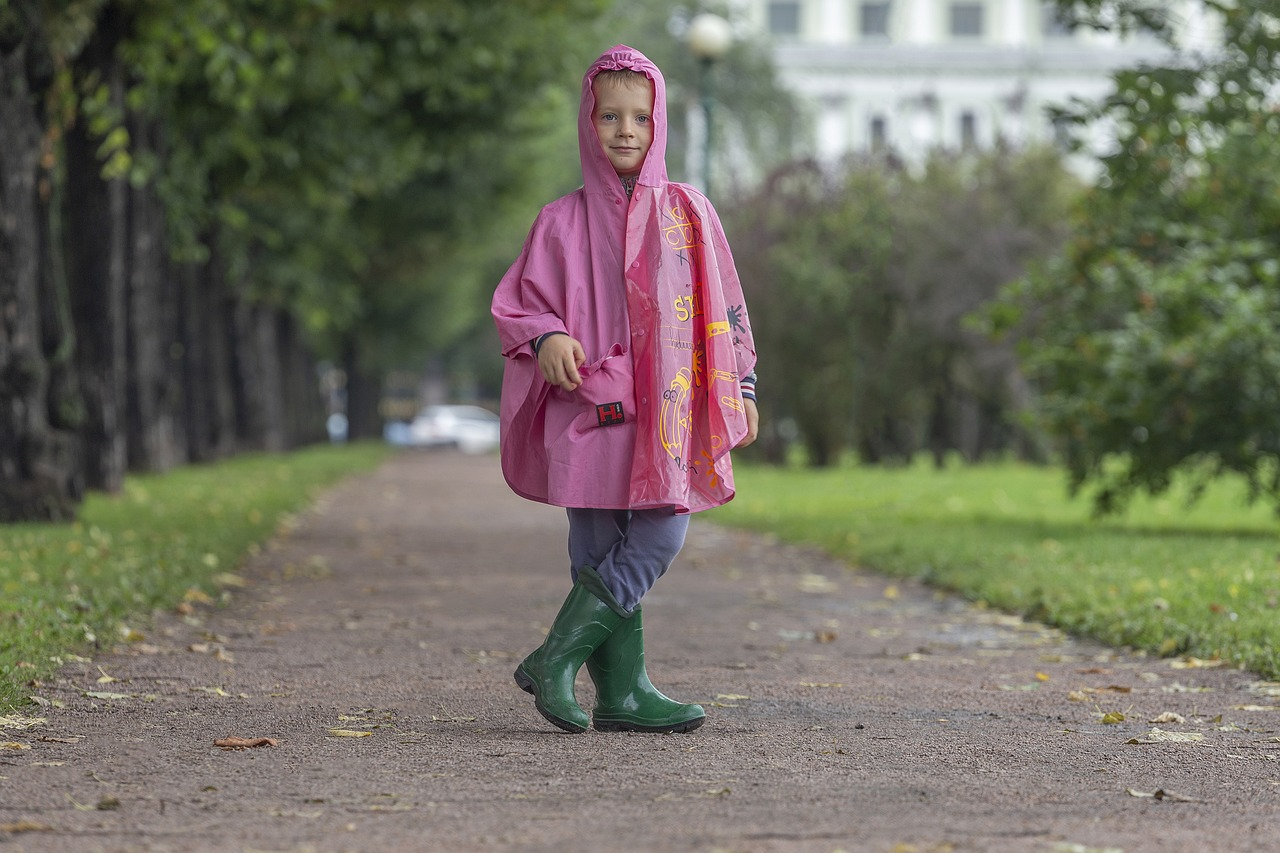
    Small silly actions like jumping in puddles can bring joy and reduce negative effects of stress – not to mention teach kids that it’s okay to get dirty!

    Help your kids manage stress by building in down time each day. Support the same healthy habits in them that you maintain for yourself. And, help them name emotions and identify causes and solutions. This helps things be less overwhelming to them.

    Together, practice deep breathing and counting. Talk through emotions, problems, and solutions. This builds the structure for them knowing you’re there for them no matter what, and you’ll get through it together. 

    There’s a lot to a healthy lifestyle, but adding in healthy habits one at a time can be manageable. Mid-winter is an especially good time to focus on health, when other parts of your life may be more predictable and easier to handle. 

    How do you use routine weeks to make your family’s lifestyle healthier?
  • Eat Well and Keep Moving: Simple Parent-Tested Tips for Healthy Living During Winter Break

    Eat Well and Keep Moving: Simple Parent-Tested Tips for Healthy Living During Winter Break

    Winter break brings a different pace to family life as schools close and schedules change. Childcare duties increase and holidays may bring extra responsibilities, but working parents may not have much time off. Minds and bodies still need care, so it’s a good time to take a practical and creative approach to staying healthy. 

    In winter weather, amid holiday cheer, and with tired, bored, or excited children, it can be even more rewarding to cling to healthy habits. Here are tips for staying active for parents and kids, eating healthy without excess costs or fights, getting outside time in any (safe) weather, and hydrating for health.. 

    Keeping Parent and Child Active During Winter Break

    Staying active is imperative for physical and mental health, but it can take extra planning during winter break even if it’s a habit during other times. During these weeks, we can be busier, schedules can be different, and weather can be rainy where I live. However, we can overcome these challenges with prioritization. Bodies need to move!

    Fortunately, I’ve been running for almost 30 years. It’s enough of a habit now that I know it’ll get done during break, too. It’s built into my day, from making sure I go to bed early enough to be rested by morning run time, to having child care lined up every morning, 6 days a week. 

    It takes a bit more thought to make sure my son gets enough exercise. He’s not lazy – he’s the opposite of it! – but it takes more planning to get him active than for me to run. When school is in session, he walks to and from school, plays a bit at recess and lunch, and plays for hours in the afterschool care program. 

    On break, here are some ways he stays active most days.

    • Yardwork and gardening with my parents at their house in the mornings while I run and take “me” or work time.
    • Various ball games with my parents in their backyard, including football, soccer, baseball, and creative variations of these. 
    • Walks and bike rides with me to any destination I can think of to make him interested enough to come alone without too much protest. A park, a store, the library, and a bus stop or metro station are common destinations. 
    • Walking to the park (about 15 minutes each way) for kickball, catch, or football.
    With the right gear, kids can get plenty of outside time in most kinds of weather.

    Rainy day options include these.

    • Dressing properly, mentally preparing to be cold and wet, and playing outside in mud and puddles with the thought of a warm shower and dry clothes when we come inside.
    • Going to our building’s underground parking garage for roller skating, a game of catch, or various other adventures. 
    • Playing in our building’s rec room/gym.

    Healthy Eating for All During Winter Break

    Health eating for the family can be challenging during winter break. Depending on your child’s habits and location, you may be used to schools providing milk, breakfast, lunch, and snacks. During break, you’re responsible for all food and beverages. It may be an extra responsibility for you, but see if you can turn mealtimes into a chance to spend more time together that you don’t get when your child eats lunch at school. 

    Thankfully, most kids prefer simple, familiar meals, so take advantage. Plain whole-wheat pasta with marinara sauce, chicken or parmesan cheese, and a piece of fruit can be a balanced, easy, and welcome dinner, for example. For lunch, try items as simple as PB & fruit sandwiches on whole-wheat tortillas. Don’t sweat it!

    Here are some tips for healthy meals for everyone. 

    • It’s okay to repeat meals. Kids often love repetition. 
    • Keep serving vegetables and fruit at most meals. 
    • Try these ideas for healthy breakfasts, lunches, dinners, and snacks

    Take shortcuts whenever you can get away with it to make healthy eating easier. Here are some examples. 

    • Make double or triple batches so there are leftovers to eat the next day or two. 
    • Use frozen foods like fish fillets, chicken tenderloins or breasts, vegetables, and berries to reduce pressure to shop frequently. 
    • Stock up on easy-to-use nutritious panty items like whole-wheat pasta, plain instant oatmeal, canned tomato sauce, peanut butter, and mixed nuts.
    • Make soups, stews, and casseroles with vegetables and lean proteins. They’re easy to make and easy to freeze.
    • Sandwiches are just fine for meals – use whole-grain bread, peanut butter or low-fat cheese, and a side of fruit or vegetables. 
    Whole-wheat spaghetti, turkey meatballs, marinara sauce, and parmesan cheese: dinner is ready!

    Holiday treats can feel stressful if you’re worried that your kids will eat too much fat and sugar or replace nutritious foods with holiday treats. To reduce anxiety and avoid fights, I suggest letting your kids eat treats at holiday events and parties. 

    Support healthy eating the rest of the time by having healthy foods in the home. Have healthy snacks always available so hungry kids will eat healthy, and keep your children eating at the table, not while watching a screen. In other words, have foods like fresh grapes, grape tomatoes, string cheese, and plain popcorn in the house, and keep chips, cookies, and candy out of the house. 

    Outdoor Time in All (Safe) Weather

    Did you know it’s okay to be outside in most weather? And that it has a wide range of benefits? Here are some reasons why it’s important to be outside. 

    • Getting natural light helps you sleep better because it helps your body set its natural circadian rhythm to be awake during the day and sleepy at night.
    • Being outside counts as being in nature, even if the only bit of nature you can see is a sliver of sky or a weed growing from a crack in a sidewalk. Nature improves mood and health. 
    • Being outside encourages movement because there’s more space. 

    It’s usually safe to be outside in winter except in any of the following conditions. 

    • The temperature with wind chill (“feels like”) is under 0°F (-18°C). 
    • There is a blizzard or whiteout conditions. 
    • Freezing rain or excessive ice makes the ground slippery. 
    • Thunderstorms are in the area. 

    For cold weather, be sure to layer up and watch for signs of hypothermia or frostnip. A warm jack like a lined puffer jacket can be a great outer layer for kids and adults. Add a hat and gloves or mittens for more warmth. 

    If it’s raining, but not freezing rain or with high winds, dress well and enjoy the puddles in the rain! A stylish and functional pair of yellow boots can keep kids happy and splashing. Kids seem to love umbrellas, too. Wear a waterproof rain jacket, and adults and kids alike can get some fresh air before coming indoors for a hot shower and some soup or tea.

    Hydration

    It’s easy to forget hydration, but it can help everyone’s energy and mood. Remember to drink often, even in cold weather. Kids are especially likely to ignore or miss thirst cues. 

    Any of these are good options. 

    • Water
    • Herbal tea
    • Broth
    • Tea with milk, which is an especially good choice for adding protein and calcium
    Make hot decaf coffee or tea with milk together for family time, hydration, and fun.

    It’s okay to relax during vacation, but it’s also a good idea to stay healthy. A bit of planning can make it easier for you and your family to be active, eat well, and feel better so you can get more joy from the season.