Tag: vegetables

  • Nutritionist-Approved Tips to Get Your Picky Eater Try New Foods with Less Stress

    Nutritionist-Approved Tips to Get Your Picky Eater Try New Foods with Less Stress

    If you’re frustrated that your picky eater won’t try new foods, you’re a pretty normal parent. Picky eating affects 1 in 5 children – or more, when you consider that some kids go through phases of picky eating. It can lead to worries on your part that your child may not get needed nutrition, and it can cause stress at meals. But you can manage the situation with less stress, begging, and worrying. 

    As with many health behaviors, small changes and consistency are key. We’ll go over patterns in picky eating, causes, and concerns. Then we’ll get to strategies for overcoming it as a team. The result may be a kid who’s more adventurous with foods, and a parent – you! – who’s calmer and less stressed. This post has a brief overview, and we’ll dive deeper into each topic in future posts. Let’s go!

    Remember to ask your child’s pediatrician if you have any concerns about behaviors, eating behaviors, or nutrition. 

    What’s “Picky Eating?”

    Picky eating is also called choosy eating, fad eating, and choosy eating, according to an article in Appetite. Kids with picky eating may refuse new foods, only eat a limited variety of foods, or have very strong food preferences. Signs that picky eating can be a problem include:

    • Your child only eats 10-15 “safe” foods.
    • Your child gets upset if a new food is on her plate.
    • Meals become battles over food choices.
    • Your child avoids entire food groups, such as vegetables or dairy products.

    These are warning signs, though they don’t automatically mean your child has a nutritional problem. 

    Balancing “Safe” Foods with “New” Foods Consistently

    You need to give your child a variety of new foods to expand the variety of foods they’ll eat, but it’s important to do so gradually. At the same time, keep “safe” foods as the main foods on their plates to avoid pressuring them. 

    Give Them Healthy Options

    Some picky eaters are picky because they can be. That is, they consistently have access to specific types of kid-favorite foods, like bagels, cereal, pasta, chips, and pizza. Not surprisingly, they refuse to eat other types of foods, like vegetable stir fry, fish, and yogurt. 

    It’s important to remember that kids will eat when they are hungry enough. If your kids are always given the chance to fill up on cookies, fries, and ice cream, they will. If your kids are hungry and are offered nutrient-dense choices like fresh fruit, vegetables, and beans, there’s a good chance they’ll start to enjoy those foods more. 

    By now, I’ve learned to carry fresh fruit with me along with other snacks for my son. I offer the fruit first because I found that if he eats other snacks first, he’ll refuse the fruit. Once the fruit is eaten, he’s welcome to other snacks. 

    Tangerines are kid-friendly and nutritious. Try serving fruit before other snacks to add variety.

    Keep It Low-Key

    This tip may be hardest to follow because it’s telling you to act exactly opposite to the way you may be feeling. You may be desperate for your child to eat something new and for meals to pass without a fight, but that’s more likely to happen if you play it cool. 

    Simply serve the meal or snack, including small amounts of new or varied foods, without putting pressure. Make one meal for the whole family, making sure to include enough “safe” foods for your kids to feel comfortable. Remember that you’re a role model and your children are always watching you. If you eat and enjoy new foods, they will understand the concept, and likely eventually do the same. 

    Keep Things in Perspective

    Remember that most kids in the US are not at risk for severe malnutrition. Talk to your children’s pediatrician if you’re concerned. There may be options for supplemental energy or protein shakes, or for multivitamin and mineral supplements, to prevent specific deficiencies. If your child’s doctor is reassuring that your child is not in imminent danger due to food patterns, try to relax. Things will fall into place eventually. 

    Repeated Exposure Helps

    An unfamiliar food starts to become familiar if children keep seeing it on the table and on their plate. Consistently offer the new food, keeping in mind that it can take dozens of tries for a taste test to happen, and dozens of taste tests before your child actually likes the food. Just like with most other aspects of parenting, it takes patience. 

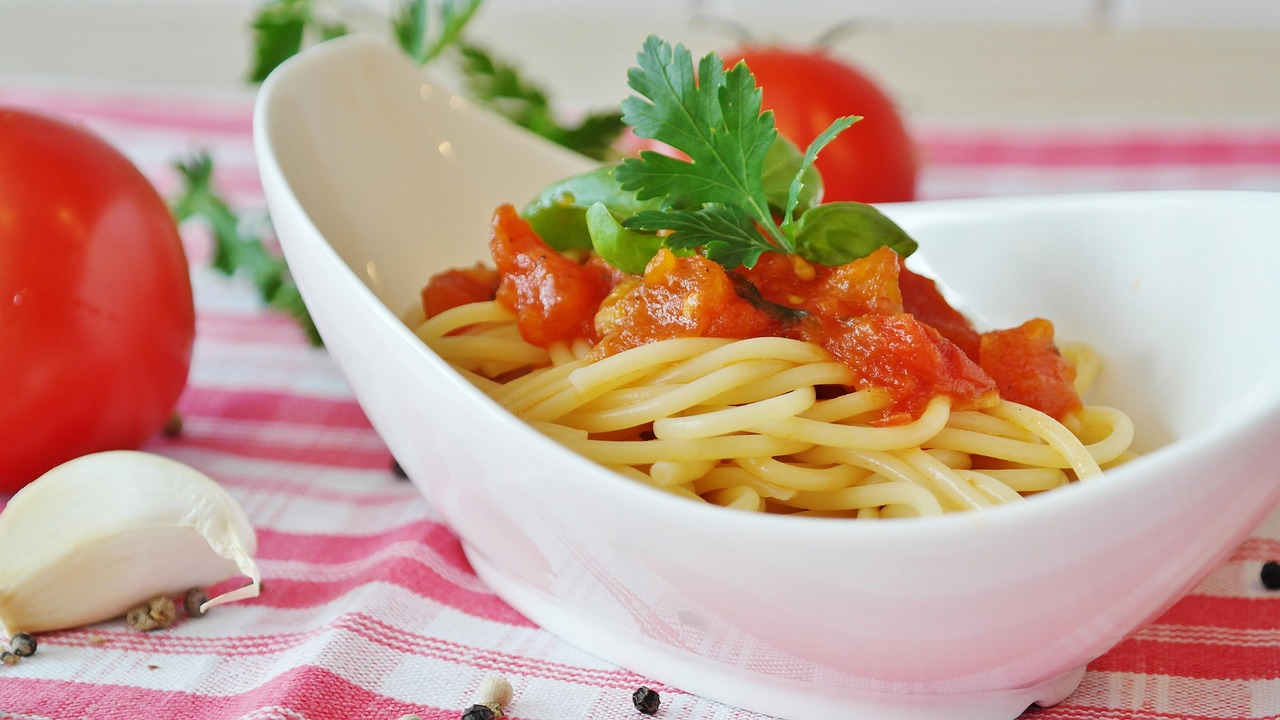
    If your child likes plain pasta, try adding a bite of tomatoes for a few weeks.

    Introduce the Food in a Personal Way

    Say matter of factly what the food is and what it tastes like. If possible, tie that food or ingredient to something they enjoyed in another setting. My son, for example, has learned to love sushi and taste spicy foods because his friends do both of those. 

    Give Your Kids Ownership

    Let your kids decide how to eat new foods. For example, if your target food is tomatoes, give them choices. Grape tomatoes for snacks, cherry tomatoes on skewers with mozzarella, sliced tomatoes in sandwiches, canned tomatoes, sauce on pizza, and sauce on pasta are all different ways to enjoy tomatoes. Let your child choose his favorite textures, flavors, and accompaniments. 

    For example, my son thought he didn’t like basil until he tried it from his school garden. Since then, he enjoys it because it’s personal to him – and his first choice for eating it is in pesto, which is how he ate it at school (read about it here).

    Pizza is one vehicle for healthy ingredients. Load it with tomato sauce and cheese for veggies, protein, and calcium.

    How Long Will It Take?

    It depends, but it can take a while! After several weeks, your children may be more willing to smell or taste a new food. Within a shorter timeframe, you may be able to have fewer mealtime fights if you keep it relaxed and stop pressuring your children. If it gets to the point where things are getting worse or you’re feeling out of control, seek help. 

    Stay tuned for future posts going into more depth on managing picky eaters, keeping worries down, and introducing new foods without food fights. 

  • Quick and Healthy Kid-Friendly Breakfast-for-Dinner Ideas (Numbers 1–5)

    Try “breakfast for dinner” when you want to put a smile on your children’s faces but you need something quick, easy, and healthy. Use classic breakfast components like eggs, pancakes, waffles, and even boxed cereal, but give them a twist for dinner. The following 5 meals can liven up your dinner table, and each has fiber, protein, and at least 1-2 servings of fruit or vegetables. 

    If you missed it, here are our previous healthy dinner tips for families!

    1. Pasta Frittata

    300 calories, 18 grams of protein, 4 grams of fiber

    Why it’s great: Kids can enjoy it as a finger food when you slice it, and adults can appreciate using leftover pasta and having a one-pot meal. 

    Prep tips: Use leftover cooked whole-grain pasta like spaghetti or penne. Stir it gently with beaten eggs and diced vegetables such as spinach, tomatoes, or cooked diced carrots or frozen peas. Baked in a pan until the eggs are set. Slice to serve. Add tomato sauce and parmesan cheese if desired. 

    Eggs with vegetables are already a favorite food – add pasta to make them more balanced and exciting!

    Nutritional highlights: Eggs have protein, and whole-grain pasta and vegetables have fiber.

    2. Cheesy Oatmeal

    420 calories, 12 grams of protein, 5 grams of fiber

    Prep tips: Cook oatmeal as usual. Stir in a bit of milk or almond milk and some low-fat cheddar cheese just like you were making a low-fat cheese sauce for mac and cheese. Add chopped broccoli florets or peas for vegetables. Kids who like crunch may also enjoy a topping of sunflower seeds or chopped peanuts. 

    Why it’s great: Oatmeal is familiar and friendly, just like mac and cheese. This cheesy whole-grain dish is simple to make in minutes. 

    Nutritional highlights: Fiber, protein, and calcium come together without a fuss.

    3. PB and Stewed Apples on Bagel

    420 calories, 12 grams of protein, 5 grams of fiber

    Prep tips: Chop or slice apples and stew them in a bit of water on the stovetop or in the microwave. Leave them plain or add cinnamon. Puree into applesauce if you prefer, or leave the apples in chunks. Spread peanut butter on whole-grain bagel halves, and top with apples. 

    Why it’s great: It’s easy, inexpensive, and guaranteed to be a hit. 

    Nutritional highlights: Enjoy a PB and ”J” sandwich with no added sugars. Whole-grain bagel, apple, and peanut butter all add fiber. 

    4. Breakfast Tacos

    270 calories, 15 grams of protein, 4 grams of fiber

    Prep tips: Scramble eggs or egg whites with spinach, diced bell peppers, or other vegetables like cut cooked green beans or grated zucchini. Spoon into whole-grain corn taco shells, and top with blueberries or other fruit.

    Why it’s great: It’s a balanced meal that offers portion control, protein, and fiber, and kids love crunchy taco shells and the fun contrast of savory tacos with sweet fruit. 

    Nutritional highlights: Vegetables add fiber, vitamin C, and potassium, while eggs provide every essential nutrient except vitamin C. 

    5. Zucchini Carrot Ribbon Pancake Wraps

    Prep tips: In a bowl, combine beaten eggs with grated zucchini and carrot, whole-wheat flour, and salt and pepper. Stir briskly to blend into a thin batter; don’t overbeat. Cook thin pancakes in a pan with cooking spray. Wrap them around shredded low-fat melted cheese, cottage cheese, or cream cheese to serve. Kids may also enjoy crunchy whole-grain cereal like plain Cheerios or shredded wheat. 

    Stuff egg-based vegetable pancakes with protein, and your kids may not realize they’re getting a healthy dinner!

    Why it’s great: Pancakes feel like breakfast, but they’re savory and fun to eat. A “side” of cereal can be an even more special treat. 

    Nutritional highlights: These pancakes have protein, vegetables, fiber, and calcium, but your kids will love them. 

    Try these recipes, and customize them your way or however your children like. Add protein with turkey or meatless sausage or bacon, ground turkey, or chicken, or swap different fruits and vegetables. Make them family favorites however you like!

    Stay tuned for more breakfast-for-dinner ideas to keep yourself sane, your children happy, and your family healthy!

  • 5 Quick and Healthy Kid-Friendly Dinners With Plenty of Protein

    Does making dinner ever feel like a struggle? If you’re anything like me, you don’t feel like cooking much, but eating out isn’t an option. Instead, it’s time for a family-friendly, nutrient-rich meal that’s appetizing for the whole family, and takes almost no effort. We already posted about family-friendly meals like healthy hot dogs and hamburgers. Here are five more dinner ideas that have protein and other nutrients for kids’ growth and development, while being right in line with grown-ups’ weight management goals. 

    English Muffin Pizzas

    2 English muffin halves with marinara sauce, shredded mozzarella, and turkey pepperoni can have about 350-400 calories and 15-20 grams of protein.

    Most kids love pizza, even when it’s a healthier version than delivery. English muffin pizzas are among the oldest tricks in the book for a quick, tasty, and healthy lunch or dinner. Add marinara sauce and low-fat shredded mozzarella cheese to whole-grain English muffin halves. Whole-grain sliced bread, whole-wheat pita, and whole-wheat tortillas are also good options.

    Some children like pizza plain. Others may prefer to add meatless or turkey pepperoni. Some may enjoy branching out a bit with items like sliced olives, diced cooked chicken, and pineapple chunks. 

    Let your kids make their own pizzas with healthy options that you provide, and you can all be happy with a balanced and easy dinner.

    For a side, serve colorful vegetables like bell pepper strips, carrot sticks, sugar snap peas, and cucumber sticks. Offer a healthy dip like hummus or light ranch dressing. Another good option is marinara sauce. It adds another serving of vegetables, and kids love it. 

    Spinach and Bean Quesadillas

    A quesadilla with a whole-wheat tortilla, low-fat shredded cheese, spinach, and black beans can have about 400-450 calories and 15-25 grams of protein

    These quesadillas are a kid favorite made healthy with whole-wheat tortillas and low-fat cheese instead of refined tortillas and full-fat cheese. Add extra protein with black beans or chicken. For grown-up tastes, tuna is another option.

    To make: top a whole-wheat tortilla with low-fat shredded mozzarella or other cheese and spinach or tomatoes. Add black beans or diced chicken if desired. Cover the tortilla with another tortilla, and toast it. Serve half of the quesadilla at once. 

    Whole-grain tortilla, low-fat cheese, and spinach leaves combine to provide a wholesome quesadilla. Add chicken, fish, or black beans for more protein.

    For vegetables, add spinach leaves or tomatoes inside the quesadillas. If your children don’t want vegetables inside the quesadilla, add a side of fresh salsa made with tomatoes, lime juice, onion, and cilantro.

    Baked Chicken Tenders

    A 3-oz portion of chicken baked with oat coating has about 250 calories and 26 grams of protein. 

    If you’re lucky, your children enjoy plain chicken. If not, it’s okay. It’s not hard to turn skinless chicken breasts or tenderloins into healthy versions of breaded chicken nuggets or tenders.

    Start with thin strips of skinless chicken,  or cut chicken into nugget-sized pieces. Dip them into beaten egg or egg white, and then into a whole-grain coating like crushed shredded wheat, instant oats, or whole-grain breadcrumbs. Before dipping the chicken, you can season the coating by mixing it with your choice of salt, pepper, parmesan cheese, or any spices or herbs you like. Place the chicken on a sprayed cookie sheet and bake it at 400 degrees for 20-25 minutes or until the chicken is cooked through.

    Coat chicken with whole grains and bake them for a more nutritious version of this kid favorite.

    Serve the chicken on whole-grain bread or rolls, or let your children eat it as a finger food with sweet potato and zucchini sticks that you bake with the chicken. 

    Chicken or Bean Taco Bar

    A taco with 2 ounces of chicken, lettuce, tomato, salsa, guacamole, and low-fat shredded cheese has about 360 calories and 29 grams of protein.

    Tacos can be great for kids and adults. 

    Here are some reasons why.

    • They are simple and versatile, so they’re easy for grown-ups to prepare and to serve.
    • They’re more manageable for kids than something larger like a burrito.
    • They’re a great DIY dish when you offer a taco bar.
    • They can be nutritious and high in protein, fiber, and healthy fats.

    With all of these benefits, a taco bar may become a regular event in your home.

    Set out appetizing ingredients like fish or chicken, lettuce or cabbage, and mango or corn, and let your children make their own healthy tacos in whole-grain shells or tortillas.

    For your bar, set out whole-grain taco shells or whole-grain corn tortillas. Whole-wheat flour tortillas work, too; select soft taco-sized tortillas for portion control. Offer toppings like chicken or beans for protein, lettuce and tomato for freshness, and salsa, guacamole, and low-fat shredded cheddar, jack, or Mexican-style cheese for flair.

    For protein, chicken is usually a hit. Try leftover shredded rotisserie chicken, or bake your own chicken, shred it, and mix it with taco seasoning or spices like cumin, chili powder, and paprika. If you and your kids prefer, offer shrimp or a mild fish like tilapia or swai. Plant-based protein ideas are black beans or fat-free refried pinto beans.

    Yellow corn is a beautiful side dish. Offer corn on the cob if it’s in season. Kids may prefer you to cut the kernels off the cob before serving it. Frozen corn works fine, too. If you opt for canned corn, choose non-creamed corn and opt for a version without added sugars. Corn is already sweet!

    For grown-up tastes and additional vegetables that aren’t starchy, try grilled peppers and onions, sauteed zucchini and yellow squash, or roasted broccoli florets. Or, just serve extra lettuce and tomatoes with some salsa. It’s a low-calorie, delicious side dish. 

    Eggy Fried Brown Rice

    A serving (¼ of a recipe) has about 300 calories, and 18 grams of protein.

    Fried rice has a blend of textures and colors. It’s easy because you can use leftover rice and frozen vegetables, and it works for vegetarians. You can have just eggs and egg whites for protein, or add chicken, tofu, shrimp, or fish if you want. Season it how your kids like – whether with soy sauce, ginger, and garlic powder, or with store-bought teriyaki sauce. 

    Use bright vegetables and familiar eggs for a nutritious dish. Swap whole-wheat spaghetti or elbows for brown rice if your children prefer pasta.

    For 4 people, scramble about 2 eggs and 6 egg whites in a pan using cooking spray or 1-2 teaspoons of olive or canola oil. Take the eggs out of the pan and set them aside. Heat another 1-2 teaspoons of olive and add a diced onion. Cook for 4-5 minutes. Add 1-2 cups of frozen or cooked vegetables like peas, diced carrots, chopped zucchini, or chopped broccoli florets. Heat, add 2-3 cups of cooked brown rice, and heat thoroughly. Add the eggs back in, and toss with seasonings like soy sauce, ginger, and garlic powder, or serve with teriyaki sauce. 

    This dish has whole grains, protein, vegetables, and healthy fats. It’s already balanced! If you’re trying to reduce carbs, use riced cauliflower instead of brown rice. For more crunch, protein, fiber, and healthy fat, add chopped peanuts or almond slices to the pan, or sprinkle them on top when serving. For a light accompaniment for grown-up appetites, serve with steamed or stir fried broccoli florets.

    These dinners are easy, versatile, and full of nutrients for kids and adults. What are your balanced and easy dinner staples?

  • Top Ways to Get Your Kids to Eat Vegetables

    Do your children eat enough vegetables? Most kids don’t even come close. The USDA says only half of children eat a vegetable on a given day. In comparison, the Dietary Guidelines suggest at least 1 ½-2 ½ cup of vegetables per day for children ages 4-8 years.

    The shortfall is even more shocking when you realize that half of these vegetables are potatoes, often as French fries or potato chips.

    Still, it’s possible to get children to eat vegetables. With some trial and a lot of error, I’ve found a few approaches that work for our family. Here are 9 strategies I use to make sure my child gets his vegetables (almost) every day.

    1. Model Prioritizing Vegetables

    What you do may have more influence on your children than what you.say or what anyone else says or tells them. If you eat your vegetables on a daily basis, chances are that they will, too. They may develop this healthy habit later rather than sooner, but they learn from what they see in the home and when they’re out with you.

    Are they learning…

    • That vegetables are on the plate at most meals, or that vegetables are an afterthought for some days, sometimes?
    • That a well-stocked fridge, freezer, and counter have vegetables, or that if vegetables run out, it’s okay to wait until the next big trip to the supermarket?
    • That you look for vegetables when you eat out, or that vegetables are only for boring occasions at home?
    • That vegetables are delicious and fun, or that they’re a chore to eat?

    Think about your meals and your home, and what they are telling your children about vegetables.

    2. Let Them Have Preferences 

    Ask, and they’ll tell you. My son is very clear about what he wants. I let him choose his vegetables from some options that I offer. It’s rare that I go against him. He’s happy because he chose something he likes, and I’m happy because he’ll eat his vegetables. Some kids love raw, colorful vegetables. My son only eats cooked ones except for tomatoes. 

    Some kids love colorful foods, so try everything!

    Another benefit of offering choices is that when kids get to choose, they can take ownership. It happens with clothes they choose, room decorations, and many other areas of their lives. It seems to translate to food, too.

    3. Serve Small Portions

    I used to try to get him to eat more vegetables by serving large portions. It would always be vegetables that he likes, whether eggplant, broccoli, or green beans. And he wouldn’t eat a bite. 

    It took me some time to realize that smaller portions worked better. Maybe the large amounts were so daunting that he was afraid to even try. Now, I serve smaller, doable amounts, and offer second helpings. I can also increase the amount he gets by serving small portions of two different vegetables rather than trying to get him to eat one large portion of one type of vegetable. 

    4. Have a Backup Plan

    Occasionally, for various reasons, afternoon comes and vegetables don’t seem to have made it into the day. It’s helpful to have a convenient backup for those situations. Thankfully, my son loves tomatoes in any form, whether raw, cooked, in tomato sauce, or in vegetable juice. He’ll drink an 11-oz can of vegetable juice if I ask him to. That takes care of 2-3 servings of vegetables without fuss.

    A can of vegetable juice is my secret weapon for days when vegetables have been scarce.

    5. Don’t Make an Issue

    Fighting over food is rarely the best answer. It’s more pleasant to let things happen naturally. If possible, you can pave the way for the “natural” course of things to include vegetables. 

    A bowl of grape tomatoes can disappear quickly, adding fiber and vitamin C to a child’s day!

    For example, when my son comes home from school in the afternoon, he’s probably hungry. I might strategically place a container of grape tomatoes (and a napkin) where he is sitting doing his homework. Usually the contents disappear by the time I come back. For your children, it might be a bowl of carrots with ketchup, some whole-grain crackers with tomato sauce, or cucumbers with yogurt or dip, depending on what your child likes.

    6. But Do Be Firm

    Sometimes, I have to be direct. This might happen when we’re planning to eat with others. For example, if we’re ordering a pizza for our weekly family lunch with my parents, I may tell my son that he’ll have vegetables with his pizza. In that case, I try to let him choose the vegetable, whether it’s a roma tomato, grape tomatoes, cooked carrots, sugar snap peas, or Brussels sprouts.  Once expectations are set, he’s likely to eat his vegetable serving before asking for more pizza. 

    7. Avoid Embarrassment

    I’m a fan of letting people feel comfortable around food and their food choices. If my son is going to a party later where the options are sure to be nutrition-less, I may add extra vegetables to his previous meal or snack. There’s no need to make him feel self-conscious by making him be the only one to eat vegetables at an event, and there’s no need to make him feel guilty if he doesn’t eat well at the event. 

    8. Be Sneaky If Necessary 

    There are all kinds of kid-friendly ways to increase vegetable consumption. Use them when all else fails, or take advantage of them on a daily basis.

    Who knew that pizza could be a tool for getting kids to eat vegetables? Add extra sauce, cooked eggplant with parmesan, and sun-dried tomatoes for a vegetable-packed treat.

    Here are some ideas for adding vegetables to meals in palatable and sometimes sneaky ways.

    • Add diced onions to eggs.
    • Serve extra tomato sauce on pasta, and add cooked tomatoes or other cooked vegetables.
    • Dice broccoli or cauliflower, cook it, and add it to macaroni and cheese.
    • Blend eggplant, grated zucchini, or grated carrots into meatballs and meatloaf.
    • Make vegetable soup with chicken and barley, whole-grain spaghetti, or brown rice.

    9. Normalize Vegetables Outside the Home

    Healthy eating is always, not just at home! Eating out offers opportunities to try new vegetables cooked in different ways. Consider these vegetable-heavy dishes from various cuisines. 

    Use restaurant food to get your kids to love vegetables!
    • Chinese beef or chicken with broccoli
    • Chinese beef, tofu, or chicken stir fry with vegetables
    • Mexican chicken or shrimp fajitas with onions and peppers
    • Italian eggplant parmesan – let them learn to love eggplant at the restaurant, then make healthier versions at home!
    • Mexican vegetarian burritos with grilled squash, peppers, and onions

    By the way, these tips can also work for adults who may be short on vegetables. Might that include you? 

    I hope some of these ideas help you add vegetables to your children’s lives, and hopefully reduce tension around begging them to eat a vegetable. 

    What are your best tips for getting children to eat their vegetables? What are your biggest fails? Comment below!