Category: meals

  • Stress-Free Ways to Get Your Kids to Eat Whole Grains at Dinner

    We’ve already covered why whole grains matter, and about kids falling short of recommendations for whole grain consumption. The last couple of blog posts covered stress-free ideas for whole grains at breakfast and lunch to help close that gap. Now let’s talk about dinner. No matter how tired you are or how picky your kids may be, whole grains can fit into family-friendly meals without much effort. From pasta and tacos to burgers and soup, here are stress-free dinners with whole grains. They also have fiber and protein. 

    1. Whole-Grain Burger

    Whole-grain burger buns are easy to come by, and are often available in store brands. Toast them slightly for a better taste and texture. If your kids like something creamy on them, spread a thin layer of pureed ripe avocado or light trans fat-free margarine spread. Try a lean ground turkey patty, a veggie burger patty, or a black bean burger patty. If your kids won’t go for a non-beef patty, at least serve 93% lean ground beef to reduce saturated fat. 

    450 calories, 8 grams of fiber, 28 grams of protein

    What’s in it: 4 ounces of lean ground turkey, whole-grain bun, 1 cup of vegetables roasted with 2 teaspoons of olive oil, and fruit with a sprinkle of nuts or seeds

    Pro Tip: Serve the burger with a fun finger food like baked zucchini or carrot sticks with olive oil and salt to taste, or baked kale chips. Let them dip their vegetables into ketchup. 

    2. Mac and Cheese

    Whole-grain pasta is one of the whole-grain alternatives that’s most palatable compared to refined grains. Keep mac and cheese as a comfort food, but turn it into a healthy meal at the same time by using whole-wheat elbows, rotini, or penne instead of white pasta. 

    400 calories, 7 grams of fiber, 18 grams of protein

    What’s in it: Per serving, 1 cup of cooked pasta, ½ cup of cheese sauce made with low-fat cheese, skim milk, and pureed butternut squash, plus chopped broccoli florets, and fruit.

    Pro Tip: Let kids choose their favorite shape of pasta. If they prefer, swap cheese sauce for marinara sauce and parmesan cheese. They’ll still get vegetables, protein, and calcium. For a fun crunch on top, bake the mac and cheese like a casserole and add whole-grain breadcrumbs. 

    3. Taco Night

    Tacos can be a family favorite because they’re easy to make and fun to eat. Serve lean ground turkey plain or with Mexican seasoning. Offer whole-grain corn shells or tortillas, or whole-wheat flour tortillas. Side and toppings like beams, avocado, and grilled vegetables can round out the meal. 

    Serve ground turkey, chicken, or beans for your tacos. Add sweetness with corn or mango.

    500 calories, 10 grams of fiber, 26 grams of protein

    What’s in it: 2 whole-grain corn shells, 3 ounces of lean ground turkey, 1 ounce of shredded cheese, side of ½ cup beans, salsa, slices of avocado, grilled onions and peppers

    Pro Tip: Serve it as a make-your-own taco bar so kids feel like they have a choice in what they eat. Require them to choose one item from each group to make sure they get their vegetables. Options like homemade salsa with fresh or canned tomatoes, grilled vegetables, and cauliflower rice can be good choices for kids and parents.

    4. Stuffed Zucchini Boats

    Zucchini is popular among kids. It’s a vegetable that is soft and without strong flavors. Halve zucchini, cook them, hollow them out, and make a tasty filling with the zucchini flesh, tomato sauce, parmesan or mozzarella cheese, and your choice of cooked whole grain like brown rice, whole-wheat pasta, barley, or quinoa. Bake until the cheese is melted. 

    400 calories, 6 grams of fiber, 16 grams of protein

    What’s in it: Per person, serve 1 small zucchini (2 halves), ½ cup of cooked whole grain or ¼ cup of breadcrumbs, marinara sauce, and 1-2 ounces of cheese. 

    Pro Tip: Whole-wheat breadcrumbs are another good choice for a whole grain. Mix them into the filling along with Italian herbs. For a crunchy topping, add a few sunflower seeds or sliced almonds on top.

    5. Savory Zucchini Pancakes

    Pancakes for dinner feel like a treat because they’re surprising. Kids can also enjoy the contradiction of breakfast for dinner in the form of savory pancakes. Like the above recipe, this dinner recipe also takes advantage of kids liking zucchini. Add grated onion if your kids want. 

    Crispy zucchini pancakes for dinner can be a great way to get kids to eat vegetables and whole grains.

    380 calories, 6 grams of fiber, 14 grams of protein

    What’s in it: For two servings, ½ cup whole-wheat flour, 1 cup grated zucchini, ¼ cup parmesan or mozzarella cheese, 2 eggs, olive oil for frying. Serve with a side of fresh fruit and ½ ounce of nuts or 1 tablespoon of peanut butter. 

    Pro Tip: Pat the zucchini very dry to get pancakes with a better texture. For a different flavor, experiment with different kinds of cheese like cheddar or feta. 

    6. Sweet Pumpkin Pancakes

    If your kids love breakfast for dinner, try pumpkin pancakes as a contrast to savory zucchini pancakes. The whole grains come from oats. Use whole-wheat flour instead of white for extra whole grains and a heartier texture. Eggs add protein. 

    460 calories, 8 grams of fiber, 16 grams of protein

    What’s in it: For 4 servings, soak 1 cup of oats in 1 cup of warm milk. In another bowl, blend 1 cup of whole-grain or white flour, 2-3 teaspoons of baking powder, 1 teaspoon of cinnamon, 2 tablespoons of sugar, and ½ teaspoon of salt. In a small bowl, beat together 3 eggs and 1 cup of pumpkin puree. Mix everything together, adding 1-1 ½ cups of milk to thin the batter. Beat briefly, then cook on a girdle on each side. Serve with 1 tablespoon of peanut butter and a small apple, sliced.

    Pro Tip: Try serving the pancakes with different toppings like sliced banana, cooked berries, yogurt, or cottage cheese. For a treat, cook mini chocolate chips with the pancakes. 

    7. Chicken Noodle Soup

    Homemade chicken noodle soup is easier than you may think, and kids enjoy it. Use whole-grain spaghetti for noodles, keeping them intact if your kids love to play with them. You can make a big batch to refrigerate or store for later.


    A hearty bowl of chicken noodle soup can be a balanced meal. Top with cheese for extra calcium.

    350 calories, 7 grams of fiber, 17 grams of protein

    What’s in it: For four servings, include 4 cups of low-sodium broth, 4 ounces of whole-wheat pasta, 4 cups of vegetables like zucchini, carrots, onions, and green peas, and 2 cups of cooked skinless chicken, diced or shredded. Serve with whole-grain crackers on the side or on top.

    Pro Tip: Take shortcuts however you can! Use any leftovers like cooked whole-grain pasta, or swap brown rice if that’s what’s in your fridge. Fresh or frozen vegetables both work fine. Use leftover cooked chicken, or make it with leftover rotisserie chicken. It’s also a great post-Thanksgiving soup for turkey. 

    How do you add whole grains to dinner or any other meal or snack?
  • Stress-Free Ways to Get Your Kids to Eat Whole Grains at Lunch

    Stress-Free Ways to Get Your Kids to Eat Whole Grains at Lunch

    We talked recently about the benefits of whole grains, and the fact that American kids are falling short of recommendations for whole grain consumption. The last blog post was about increasing whole grains at breakfast. Now it’s time to talk about whole grains at lunch!

    To make sure your children get at least half of their grains from whole grain sources, which is the recommendation, you’ll need to add whole grains to the rest of their day. Here are 10 stress-free ways to add whole grains to lunch. Each meal has 350-450 calories, is high in fiber, and has at least 15 grams of protein. Many of these options are portable and suitable for lunch at school.

    1. PB&J Sandwich 

    Peanut butter and jelly is inexpensive, easy, kid-friendly, and now…it’s healthy! Swap whole-grain bread for white bread, and use fruit instead of sugar-laden jelly. Another option is to use sugar-free jam or make your own fruit spread with mashed banana or cooked berries.

    430 calories, 6 grams of fiber, 15 grams of protein

    What’s in it: Sandwich with 2 slices of whole-wheat bread, 1 tablespoon of peanut butter, and 2 tablespoons of mashed banana, plus a string cheese stick, baby carrots or grape tomatoes, and a tangerine

    Pro Tip: Use almond butter if peanuts are banned, or chickpea butter for a peanut and nut-free environment. For a fun twist, swap the bread for a whole-wheat English muffin or a whole-grain tortilla. 

    2. Pita Crisps with Hummus

    Brush whole-grain pita with olive oil, sprinkle it with salt, and toast it. Break it into pieces for easy dipping. Fill out the lunch with a container of yogurt, baby carrots, and some fruit. 

    450 calories, 8 grams of fiber, 20 grams of protein

    What’s in it: ½ large whole-grain pita, 2 teaspoons of olive oil, ¼ cup hummus, ¾ cup of Greek yogurt, baby carrots, ½ apple

    Pro Tip: If the flavors in store bought hummus are too strong for your children, try making your own by blending canned garbanzo beans with olive oil or tahini. If they don’t like garbanzo beans, they can dip pita crisps into peanut butter, cottage cheese, guacamole, or bean dip. 

    3. Burrito Wedges

    Bean and cheese burritos are simple and nutritious. To make burrito wedges, spread a tortilla with beans, add cheese, and top with another tortilla. Cut into quarters, sixths, or eighths. Use canned fat-free refried beans for kids who don’t like the texture of black or pinto beans. Kids with more sophisticated tastes may enjoy a spoonful of salsa mixed into their beans. 

    300 calories, 7 grams of fiber, 16 grams of protein

    What’s in it: 2 small whole-grain flour tortillas, ¼ cup of refried beans, 2 slices of low-fat American or cheddar cheese

    Pro Tip: To make sure the burrito stays intact, only add a small amount of fillings. Otherwise, the burrito may become too messy for small children to handle, especially at school. Use American cheese slices or low-fat cheddar slices instead of shredded cheese to make the burrito less messy. 

    4. Quesadilla

    Quesadillas can be high in fiber and protein.

    Quesadillas can be a good option for fussier kids who aren’t fond of burritos. They have simple ingredients that kids are used to, and many kids love the textures of the crisp tortilla and melted cheese. If your children will allow, put some spinach, thinly sliced zucchini, sliced mushrooms, or thin slices of tomatoes in the quesadilla. Another way to add vegetables is to spread a layer of mashed peas on one of the tortillas before topping it with cheese. Fill out the lunch with some fruit. 

    450 calories, 9 grams of fiber, 21 grams of protein

    What’s in it: 2 soft taco-sized whole-wheat flour tortillas, 1-2 ounces of low-fat shredded jack, cheddar, or mozzarella cheese, ½ cup of vegetables, and a side of fresh fruit

    Pro Tip: Turn it into a fun dipping experience by cutting the quesadilla into strips. Kids may enjoy guacamole, ketchup, or ranch dip. For kids who like more familiar flavors, try a pizza quesadilla with mozzarella cheese, and tomato sauce for dipping.

    5. Grilled Cheese and Tomato Soup

    This classic comfort combo offers opportunities for whole grains, calcium, protein, and vegetables. Instead of frying the bread in butter, toast the bread with cheese before closing the sandwich to serve. Read the label when choosing a can of tomato soup. Added sugar content can vary widely, so choose a brand with a lower amount. Also check the list of ingredients to make sure that tomatoes or tomato sauce is listed first. 

    450 calories, 6 grams of fiber, 19 grams of protein

    What’s in it: 2 slices of whole-wheat bread, 2 slices of low-fat American singles, 12 ounces of tomato soup

    Pro Tip: Any type of cheese is fine. If you’re using American singles, check the label to make sure it’s made with real cheese, and not just oil and starch. The nutrition facts panel should  show protein and calcium, and the ingredients should include milk or cheese.

    6. Whole-Grain Mini Pizzas

    Buy a whole-grain pizza crust to top, or make mini pizzas on whole-wheat bread or whole-grain English muffin
    or bagel halves.

    Kids like pizza! Give them what they love in a healthy form that adds whole grains and nutrients to their day. Whole-grain English muffin halves, whole-grain bagel halves, and sliced wheat bread are all good choices. Offer plenty of toppings like peppers, olives, and pineapple, and let kids make their own pizza. 

    420 calories, 8 grams of fiber, 18 grams of protein

    What’s in it: 1 whole-grain English muffin, 1 ½ ounces of shredded low-fat cheese, ½ cup of tomato sauce, 1 piece of fruit on the side

    Pro Tip: For a fun DIY pizza experience for lunch home, serve whole-wheat crackers, shredded low-fat cheese, turkey or meatless pepperoni, and a small bowl of tomato sauce. Let your kids assemble their cracker pizzas on their own. For a lunch box version, cut cheese slices into quarters instead of sending shredded cheese. 

    7. Whole-Grain Turkey and Cheese Sandwich

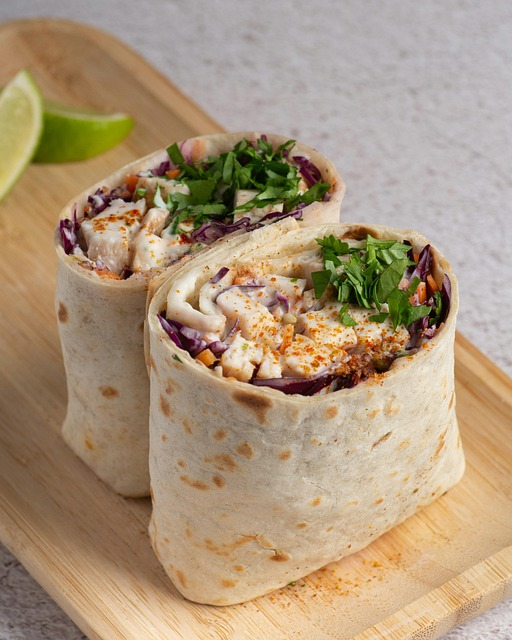
    Try a turkey and cheese sandwich, or cut wraps into pinwheels for a more fun presentation for kids.

    Sandwiches are classic lunch fare at school, especially since they’re finger foods and familiar. Add turkey, cheese, and any of your child’s favorite vegetables, such as shredded carrots or cucumber, sliced tomato, or cooked bell peppers. For creaminess, add low-fat cream cheese.

    Description

    400 calories, 7 grams of fiber, 20 grams of protein

    What’s in it: 2 slices of whole-wheat bread, 2 ounces of lean, nitrate-free turkey, 1 slice of low-fat cheese, ½ cup of vegetables, 1 tablespoon of low-fat cream cheese

    Pro Tip: For a change in pace, turn it into a wrap by using a whole-wheat tortilla, or a pita pocket with half of a large whole-grain pita bread. 
    Hopefully these ideas help your kids – and you – get more whole grains into your daily lunch routine. Check out our breakfast ideas with whole grains, and stay tuned for dinner and snack ideas to come!

  • Most Kids Aren’t Eating Enough Whole Grains — Here’s Why It’s Important and What You Can Do

    Ready to give your kids a good start in life? Choose more whole grains! Most kids aren’t getting enough, which means they’re losing out on a variety of nutrients and health benefits. Thankfully, it’s easy to give them more whole grains. Here’s why they’re important, and how you can get more into your home. 

    What’s a Whole Grain?

    Grains grow in kernels. A whole grain retains all three parts of the natural kernel: the bran, germ, and endosperm. The bran has fiber and B vitamins. The germ has vitamin E, healthy fats, and some minerals. The endosperm has starchy carbohydrates. 

    Swap chips for popcorn for health and weight benefits. Popcorn is a fun snack for kids, too!

    /

    While whole grains have all three parts, refined grains only retain the endosperm. The bran and germ are stripped away during processing. That means whole grains have more natural nutrients. Though most refined grains are fortified with iron and some B vitamins, whole grains have a wider variety of natural nutrients. 

    Here are examples of whole and refined grains.

    Whole Grains vs. Refined Grains
    Whole Grains Refined Grains
    • Oatmeal
    • Whole-grain cereal
    • Whole-wheat bread
    • Whole-grain crackers
    • Brown rice
    • Whole-grain pasta (whole-wheat or brown rice)
    • Quinoa, barley, bulgur
    • White bread and crackers
    • White pasta and rice
    • Refined cereal
    • Farina (cream of wheat)

    Why Whole Grains Matter for Kids

    Whole grains are a great source of fuel, or energy, for growing kids, but they are more than calories in the form of starchy carbohydrates. They’re sources of essential and beneficial nutrients, and they’re linked to short-term and long-term benefits for weight and health. 

    Essential Nutrients in Whole Grains

    Whole grains are natural sources of dietary fiber, vitamins, minerals, and healthy fats. Most Americans are low in fiber, but it’s linked to better digestive health, weight management, blood sugar control, cholesterol levels, and heart health. 

    Here are a few of the essential nutrients in whole grains. 

    • Alpha-linoleic acid, an omega-6 fatty acid
    • Vitamins: thiamin (B1), riboflavin (B2), niacin (B3), pantothenic acid, vitamin B6
    • Minerals: copper, iron, selenium, magnesium

    More Nutrients in Whole Grains

    Like fruits and vegetables, whole grains have antioxidants and other phytonutrients, or “plant nutrients,” that aren’t on the standard list of essential vitamins and minerals. Some phytonutrients in whole grains probably haven’t even been discovered yet! That’s an even better reason to opt for whole grains regularly; a refined grain or multivitamin and mineral supplement can’t provide all of the potentially beneficial components in whole grains.

    It’s easy to add whole grains when you start the day with oatmeal. Add fruit and nuts for a balanced breakfast.

    Weight Benefits of Whole Grains

    Low-carb diets may be popular, but keep reading before you keep grains away from your kids! Scientific evidence shows that people who regularly consume whole grains are more likely to have better weight control over time. 

    Researchers have found these relationships between whole grain consumption and body weight.

    • The potential for more weight loss in children who are overweight 
    • Increased weight loss in the long-term among adults who are overweight and in weight loss programs
    • Lower BMI (body mass index) in adults over time
    • Lower risk for overweight and obesity 
    • Lower risk for overweight babies among mothers with gestational diabetes who consume more whole grains during pregnancy
    Try making sandwiches with whole-grain bread, or make them half whole-grain and half white for fussier kids.

    Fiber in whole grains may be partly responsible for these benefits. Fiber is considered a filling nutrient because it slows the emptying of food from the stomach, so you feel full for longer after a meal. Plus, fiber helps reduce blood sugar fluctuations and sudden, severe hunger. 

    Whole grains can help with weight control by providing stable energy, which allows for more active play. In addition, balanced meals with whole grains can lead to more balanced energy intake.

    More Health Benefits of Whole Grains

    Decades of research point to health benefits of whole grains. People who eat more whole grains have a lower risk for:

    • Chronic inflammation
    • Colorectal cancer
    • Type 2 diabetes, prediabetes, and insulin resistance
    • Heart disease
    • Cognitive decline and memory loss during aging

    If you’re ready to arm your children to fight these and other chronic conditions, see how you can help them eat more whole grains. 

    Here’s How Far Short Kids Fall in Whole Grain Consumption

    Whole grains seem to have clear benefits, but American children fall sadly short of recommendations. The Dietary Guidelines suggest making at least half of all grain servings whole grains. For most kids, that works out to 3-5 daily 1-ounce servings of whole grains. 

    More than 1 in 3 children don’t eat whole grains on a given day. The average child consumes only 1 serving of whole grains a day. To add to the challenge, most adults don’t eat enough whole grains, either. That means kids aren’t learning this healthy habit from their parents.

    Quick and Easy Ways to Choose Whole Grains

    It’s probably easier than you think to get your kids to eat more whole grains. They’re inexpensive and widely available. They’re also easy to use; in most cases, just swap your regular refined grain for a whole grain counterpart. 

    Here are some examples. 

    • Make sandwiches on whole-wheat bread instead of white
    • Stuff whole-grain pita or tortillas instead of white pita or white flour tortillas
    • Serve whole-wheat pasta with sauce instead of white pasta
    • Steam or stir fry brown rice instead of white
    • Pop popcorn for snacks instead of serving chips

    Stay tuned for easy ways to choose whole grains, with simple tips and recipes. 

    How do you get your kids to eat whole grains?

  • Balanced Meals for Diabetes: Protein, Fat, and Healthy Plate Tips

    Most people think of carbohydrates when they think about managing diabetes. I already talked a lot about carbohydrates in earlier posts. Here’s a bit about meal planning with carbohydrates using the carbohydrate exchanges. Here’s information about choosing nutritious sources of carbohydrates for better health and blood sugar management. 

    There’s more to healthy meals than carbohydrates. Protein and fat are the other main macronutrients, or sources of calories. As with carbohydrates, protein and fat both affect blood sugar and health. Also similar to carbohydrates, quantity and quality of protein and fat are both important. Here’s information about choosing lean proteins and healthy fats, and how to put them together with carbohydrates for balanced meals to manage blood sugar and weight. 

    As always, talk to your healthcare provider if you have diabetes or any concerns about your health or diet. Work with your provider or healthcare team for optimal blood sugar management and weight control.

    The Importance of Protein in Balanced Meals

    Protein should be part of most meals and snacks. It’s helpful for weight loss and managing hunger because it slows absorption, but it also helps make the blood sugar spike less severe. Protein helps with muscle maintenance, immune function, and metabolism, too. 

    Choose lean sources like fish, egg whites, and beans. Skinless chicken, shrimp, tofu, and low-fat dairy products are also good options. Limit fatty red meat and processed meats, since they can be high in saturated fat. Processed meats also have sodium and nitrates, which can cause cancer. Lean red meat is a better choice than fatty, but it can still raise risk for heart disease. 

    Tofu and other plant-based proteins are cholesterol-free and low in saturated fat.

    Aim for 20-30 grams of protein per meal, or 10-20 grams per snack. Use healthy cooking methods like roasting, grilling, and stewing. Limit fried and battered proteins like fried chicken, fish sticks, and popcorn shrimp. 

    The Role of Healthy Fats in Diabetes-Friendly Meals

    Healthy fats lower cholesterol levels and support better insulin sensitivity. They can help reduce blood sugar spikes after meals, and keep you fuller for longer. Less healthy fats like saturated fat can raise cholesterol levels. Butter, cream, lard, palm oil, and fat from meat or skin of poultry are examples. 

    Walnuts are high in fat, but it’s healthy! They have omega-3 fatty acids.

    Good sources can include plant-based oils like olive oil and canola oil. Avocados, nuts, peanuts, and seeds are also high in healthy fats and low in saturated fat. Fatty fish like salmon, tuna, and sardines have protein and heart-healthy omega-3 fats. 

    Watch portion sizes of fats, since they’re high in calories. A serving may be:

    • 2 teaspoons of oil
    • ½ ounce of nuts or peanuts
    • 1 tablespoon of peanut butter
    • ¼ cup of avocado
    • 2 tablespoons of hummus

    When thinking about fat, remember to consider fats used in cooking. They count, too!

    Sample Protein and Fat Choices

    Instead of… Try…
    Protein
    Fried chickenGrilled or baked chicken breast
    Bacon or processed deli meatsTurkey slices, lean ham, or roasted turkey
    Breaded fried fishOven-baked or grilled fish
    High-fat ground beef (>20%)Lean ground beef (90%+), ground turkey, or plant-based protein
    Full-fat cheese (large portions)Part-skim cheese or smaller portions
    Fat
    Butter or margarineOlive oil, avocado oil, or small amounts of nut butter
    Mayonnaise or creamy dressings (full-fat)Avocado, hummus, or yogurt-based dressings
    Fried foods (fried meats or snacks)Oven-roasted, air-fried, or grilled alternatives
    Cream or heavy saucesTomato-based sauces, pesto, or olive oil drizzle
    High-fat processed snacksNuts, seeds, or lightly roasted chickpeas

    Building a Balanced Plate: Combining Carbs, Protein, and Fat

    Now you know which are the healthiest carbohydrate, protein, and fat sources to choose. You know how much to choose for most meals and snacks. Let’s put it together. It can be simple to put together balanced, nutritious plates. 

    Start with plenty of non-starchy vegetables. Examples include:

    • A green salad on the side
    • Greens and chopped vegetables as a base for an entree salad
    • A mix of vegetables for a stir fry, soup, stew, casserole, or egg dish
    • Steamed, roasted, grilled, or raw vegetables as a side dish

    Add a serving of lean protein. Examples include:

    • 1-2 ounces of low-fat cheese
    • ½ cup of low-fat cottage cheese
    • 3 ounces of skinless chicken, fish, or shrimp
    • 1 egg and 2-4 egg whites, or 4-6 egg whites
    • A can of tuna
    • ½ cup of cooked beans and 1 ounce of low-fat cheese

    Choose high-fiber carbohydrates. Aim for 2-3 carb exchanges. Examples include:

    • 1 cup of cooked brown rice, whole-wheat pasta, or quinoa
    • 1 slice of whole-grain bread and 1 cup of fresh fruit
    • 1 small sweet potato and ½ cup of green peas
    • ½ cup of shredded wheat and 1 small banana

    Identify where your healthy fats may be coming from. Examples include:

    • 2 tablespoons of vinaigrette dressing
    • ⅓ small avocado
    • 2 tablespoons – ¼ cup hummus
    • 1 tablespoon of peanut butter
    • 2 tablespoons of seeds

    It can be simple to put together a balanced plate. Here are some examples.

    • Grilled salmon with quinoa, roasted broccoli, and a side salad
    • Lentil soup with a side of steamed green beans and avocado slices
    • Whole grain toast with nut butter, berries, and a handful of leafy greens

    I hope this information helps make meal planning simpler. The steps are to load up on non-starchy vegetables, to choose nutritious sources of carbohydrates, proteins, and fat, and to put them together in proper portions. Ask your doctor if you have questions!

    How do you put together healthy meals?

  • Right Carbohydrates for Best Health in Diabetes Management

    I already talked a bit about carbohydrate consumption in diabetes, and now I want to expand on that. The previous post focused on quantity of carbohydrates per meal or snack using the carbohydrate exchange lists. This time, I want to focus on quality of carbohydrates and how to include carbohydrates in an overall healthy diet with fiber, protein, and healthy fats to manage blood sugar and have other benefits. 

    Carbohydrate Quantity and Quality

    Carbohydrates provide energy for the body. When your body digests food with carbohydrates, your body breaks them down into sugar, or glucose, and releases that into the blood. 

    When talking about the quantity of carbs, using carbohydrate exchange lists is helpful for meal planning because it makes it simple to consume or serve a consistent amount of carbohydrates. One exchange is 15 grams of carbohydrates. 

    There are all different types of carbohydrates – choose high-fiber, low-sugar, nutrient-rich sources!

    For example, each of these sample meals has a similar amount of carbohydrates because they each have three carb exchanges. 

    • Peanut butter on 2 English muffin halves with ½ banana
    • 1 cup of cooked whole-grain spaghetti with tomato sauce and ground turkey, and a side of ½ cup of corn
    • 1 banana, 1 orange, and 1 apple
    • 1 cup of cereal, 1 cup of milk
    • ½ cup of brown rice, vegetables stir fried with chicken, and 1 cup of ice cream

    Carbohydrate quality matters, too. Carbohydrate quality refers to the type of carbohydrates and other nutrients that are in food. Higher-quality carbohydrates may have more fiber, protein, and healthy fats, and fewer sugars and refined starches, than lower-quality ones.

    Intuitively, it makes sense that a slice of whole-grain bread is higher-quality than a sandwich cookie. Both are 1 carbohydrate exchange, but the bread has fiber, antioxidants, and B vitamins. The sandwich cookie has refined starch, added sugars, and saturated fat.

    Why Carbohydrate Quality Matters in Diabetes

    Carbohydrate quality is important for general health, as nutrients like fiber and healthy fats can lower cardiovascular risk, and components like sugar and saturated fat can raise cardiovascular risk. In diabetes, it’s important to choose higher quality carbs to improve your glycemic response to carbs.

    Carbohydrates like sugar and refined starch spike blood sugar because they’re quick to digest and release into the bloodstream. That’s the opposite of the goal in diabetes! White bread, jam, soda, and candy are examples.

    Look for high-fiber carbohydrates without much added fat.

    Low-quality carbohydrates may also have unhealthy components, like sodium and saturated fat, that raise blood pressure or cholesterol levels. Potato chips, croissants, and French fries are examples. Pancakes with butter and buttered rice are also high in refined starch, saturated fat, and often sodium.

    On the other hand, carbohydrates with fiber, protein, and other nutrients lead to a slower and smaller spike in blood sugar. Here are some nutritious options.

    • Whole grains like oatmeal, brown rice, quinoa, whole-wheat pasta, and whole-grain cereal
    • Beans and lentils
    • Fruit like berries, bananas, oranges, apples, pears, and `grapes
    • Starchy vegetables like sweet potatoes, corn, peas, potatoes, and winter squash, 

    These carbs may spike blood sugar on their own, but the nutrients it provides can make it worthwhile. Pairing it with protein and fat can help. 

    Non-starchy vegetables are low in carbohydrates and calories. They’re high in fiber and other nutrients. They’re almost always a good choice! Examples are tomatoes, cucumbers, leafy greens, broccoli, peppers, zucchini, carrots, and eggplant.

    High and low-nutrient carbohydrates also affect weight. High-quality carbohydrates are more filling, so it’s easier to eat less of them. Lower-quality carbohydrates are less filling. It’s easy to eat too many calories and gain weight.

    Choosing High-Fiber, Nutrient-Dense Carbohydrates

    How can you choose nutritious sources of carbohydrates? Here are some swaps you can make to your regular choices.

    Instead of… Try…
    Breads & Sandwiches
    White breadWhole wheat, sprouted grain, or sourdough
    White sandwich rolls / bunsWhole grain or oat-based rolls
    Croissants or pastriesWhole wheat toast with nut butter & fruit
    White bagelsWhole grain mini bagel or half with toppings
    Grains & Rice
    White riceBrown rice, quinoa, or cauliflower rice
    Instant or polished grainsSteel-cut oats, farro, or barley
    Pasta & Noodles
    Regular white pastaWhole grain or lentil/chickpea pasta
    Instant ramen or refined noodlesWhole grain or brown rice noodles
    Breakfast & Cereals
    Sugary breakfast cerealHigh-fiber, low-sugar cereal or homemade muesli
    Instant oatmeal packetsOld-fashioned or steel-cut oats
    White flour pancakesWhole grain or oat-based pancakes
    Sweetened muffinsBran or whole grain muffins with less sugar
    Snacks & Crackers
    White crackersWhole grain or seed-based crackers
    Potato chipsAir-popped popcorn or roasted chickpeas
    Plain rice cakesBrown rice cakes with toppings
    Potatoes & Starchy Vegetables
    French fries / fried potatoesBaked sweet potato wedges
    Tater tots / hash brownsAir-fried veggie patties or roasted potatoes
    Mashed potatoes with butterMashed cauliflower or roasted potatoes with olive oil
    Desserts & Sweets
    Apple pieBaked apple slices with cinnamon
    Candy or gummiesFresh berries or frozen grapes
    Sweetened applesauceUnsweetened applesauce or mashed fruit
    Beverages
    Fruit juiceWhole fruit or smoothie with protein
    Sweetened drinksWater, sparkling water, or herbal tea
    Convenience Foods
    Sugary granola barsLow-sugar high-fiber bars
    Instant mashed potatoesRoasted potatoes or mashed cauliflower

    Now that we’ve gone into detail on carbohydrates in diabetes, it’s time to move on to other parts of your plate. Lean proteins and healthy fats can improve blood sugar control and support weight management. In future posts, we’ll talk about nutritious protein and fats, and how to build a healthy plate at every meal.

  • Healthy Kid-Friendly Breakfast-for-Dinner Recipes (11–15): Quick & Easy Ideas

    Here are ideas 11-15 in the final installment of a three-part breakfast-for-dinner series. (Here is the first part and here is the second part if you missed them!). Again these recipes are designed to be fun for kids by serving elements of breakfast like waffles and eggs at dinnertime. The recipes have protein, fiber, and fruits and vegetables, and they’re easy to make and clean up. They’re also easy to modify to suit picky kids and grown-up tastes and needs. 

    11. Vegetable Omelet with Waffle and Poached Pear

    350 calories, 18 grams of protein, 5 grams of fiber

    Prep tips: Cook ripe pears in a small amount of water until very soft. Slice or dice and set aside. Saute vegetables like spinach, mushrooms, zucchini, or bell peppers. In a bowl, whisk eggs or egg whites with milk. Pour into the pan and cook. Serve with a toasted frozen whole-grain waffle topped with plain yogurt and pears. Top with cinnamon if desired. 

    Why it’s great: Frozen waffles save time, and kids love the variety of surprising tastes for dinner. 

    Nutritional highlights: Eggs and mushrooms have vitamin D, and pears have lignan, which is a special type of fiber. 

    12. Your-Way Smoothie Bowl

    350 calories, 10 grams of protein, 7 grams of fiber

    Prep tips: Let each child choose their own components. Start with cottage cheese or yogurt, then offer vegetables like carrots, spinach, or kale. Sweeten the smoothie bowl with favorite fruit like bananas, berries, or melon. For thickness, offer ripe avocado or peanut butter. Let kids top their bowls with oats, seeds, cereal, or crumbled whole-grain crackers. 

    Why it’s great: Kids love choosing their own components and sprinkling toppings at the end. Grown-ups can appreciate a break from cooking. 

    Nutritional highlights: It has calcium, healthy fats, protein, fiber, whole grains, vegetables, and fruit – all in one bowl!

    13. Whole-Grain Waffle Egg Sandwich

    420 calories, 14 grams of protein, 7 grams of fiber

    Prep tips: Cook an egg. Spread a small amount of mashed ripe avocado on two frozen and thawed whole-grain waffles. Place the egg and a slice of cheese on a waffle, and top it with the other waffle. Serve with a banana or other fruit.

    Why it’s great: Grown-ups can feel good about serving something healthy without cooking much, and kids love feeling like they’re eating “junk food” for dinner.

    Nutritional highlights: It has protein, fiber, and heart-healthy monounsaturated fats. 

    14. Breakfast Burrito

    320 calories, 15 grams of protein, 6 grams of fiber

    Prep tips:Add scrambled egg and a slice of American cheese to a whole-wheat tortilla. Adults may like it with salsa, beans, and lettuce.

    Why it’s great: It’s compact and easy to transport. Take it anywhere!

    Nutritional highlights: Small but mighty, it’s filling with protein and fiber. 

    15. Sweet Potato Egg Nests

    Prep tips: Toss grated or spiralized sweet potato or spaghetti squash with olive oil, salt, and pepper. Divide into nest-sized piles on a cookie sheet with foil and cooking spray. Bake for 10 minutes, then crack an egg into the center of each nest. Back until the eggs are set. Serve with avocado or fruit.

    Why it’s great: Includes kid favorites like eggs and sweet potatoes, and adults like using whole foods instead of processed options

    Nutritional highlights: It’s high in fiber, protein, and beta-carotene. 

    With these final five recipes, you now have 15 ways to make breakfast-for-dinner both healthy and family-approved. From finger foods to bowls, savory bites to sweet twists, you’ve got plenty of inspiration to keep mealtime exciting without sacrificing nutrition. Whether you pick a favorite or rotate through all 15, your family can enjoy balanced dinners that feel fresh, fun, and easy any night of the week.

    With these final five recipes, you now have 15 ways to make breakfast-for-dinner both healthy and family-approved. From finger foods to bowls, savory bites to sweet twists, you’ve got plenty of inspiration to keep mealtime exciting without sacrificing nutrition. Whether you pick a favorite or rotate through all 15, your family can enjoy balanced dinners that feel fresh, fun, and easy any night of the week.

  • Quick and Healthy Kid-Friendly Breakfast-for-Dinner Ideas (Recipes 6–10)

    6. English Muffin Egg Pizza

    290 calories, 17 grams of protein, 3 grams of fiber

    Prep tips: Spread marinara sauce on whole-grain English muffin halves, or use whole-wheat tortilla or sliced whole-wheat bread as a base. Distribute whisked eggs or egg whites. Add sliced tomatoes or diced vegetables and top with low-fat shredded cheese. Toast or broil until the egg is cooked. 

    English muffin pizzas can be topped with any number of great options like eggs, cheese, and spinach.

    Why it’s great: Kids love pizza in all forms, and this is a high-protein, low-fat option with minimal clean-up.

    Nutritional highlights: It’s high in protein and calcium, and adding tomatoes and tomato sauce adds lycopene and fiber. 

    7. Sweet Breakfast Pasta Bowl

    280 calories, 10 grams of protein, 5 grams of fiber

    Prep tips: Toss cooked whole-grain pasta with plain yogurt or Greek yogurt, or use cottage cheese if you prefer. Stir in sliced or mashed banana and fresh or frozen berries, and serve warm or cool. Add a sprinkle of seeds or nuts if desired. 

    Why it’s great: Kids can enjoy a sweet dinner, while grown-ups can appreciate using leftover pasta and fresh or frozen fruit. 

    Nutritional highlights: It’s a source of whole grains, calcium, antioxidants, and fiber. 

    8. Chicken Egg Cups

    250 calories, 20 grams of protein, 2 grams of fiber

    Chicken egg cups freeze nicely and make fun finger foods. Add more egg whites for extra protein, or stir in blueberries for a sweet surprise.

    Prep tips: Chop and cook vegetables like spinach, tomatoes, zucchini, corn, carrots, bell peppers, and peas. Frozen thawed vegetables and leftover vegetables also work. Toss beaten eggs with vegetables in a bowl. On a separate cutting board, dice cooked skinless chicken and place it in sprayed, lined muffin tin cups. Pour the egg mixture over it, and bake for 15-20 minutes or until the eggs are set. Serve on their own or with fruit, whole-grain crackers, or mini bagels.

    Why it’s great: Parents love that it’s high in protein for the kids, low in carbs for adults, and a delicious way for everyone to eat more vegetables. Kids love that it’s a finger food and full of colorful vegetables.

    Nutritional highlights: It has two sources of protein – chicken and egg – and is low in carbohydrates. 

    9. Apple Cheddar Quesadilla

    270 calories, 12 grams of protein, 4 grams of fiber.

    Prep tips: Slice or dice apples. Add low-fat shredded cheddar or any other cheese to whole-grain tortillas. Sneak in diced tomatoes or chopped spinach if desired. Top with another tortilla and toast. Cut into wedges to serve. 

    Fill whole-grain tortillas with cheddar cheese and add sweet apples or colorful vegetables for a wholesome dinner.

    Why it’s great: Kids love quesadillas with melty cheese. Adults can enjoy contrasts like salty, creamy melted cheese and sweet, crunchy apples.

    Nutritional highlights: Calcium for bones, protein and fiber for fullness

    10. Avocado Cottage Cheese Toast Sticks

    320 calories, 12 grams of protein, 5 grams of fiber

    Prep tips: Puree ripe avocado with cooked broccoli florets and low-fat cottage cheese to make a creamy dip. Slice whole-grain bread into strips, toast it, and serve. Alternatively, serve brown rice cakes or whole-grain crackers for dipping.

    Why it’s great: Kids can enjoy a green, creamy dip and the experience of dipping for dinner, while grown-ups can also dip vegetables for additional nutrients. 

    Nutritional highlights: The dip has healthy fats, vitamin E, and protein.

    These five new ideas add more ways to get nutritious, appealing dinners on the table fast. They can fuel growing kids and healthy adults, while bringing comfort and joy due to breakfast elements at dinner. Remember to check recipes 1-5, and watch for breakfast-for-dinner recipes 11-15 coming soon!

  • Quick and Healthy Kid-Friendly Breakfast-for-Dinner Ideas (Numbers 1–5)

    Try “breakfast for dinner” when you want to put a smile on your children’s faces but you need something quick, easy, and healthy. Use classic breakfast components like eggs, pancakes, waffles, and even boxed cereal, but give them a twist for dinner. The following 5 meals can liven up your dinner table, and each has fiber, protein, and at least 1-2 servings of fruit or vegetables. 

    If you missed it, here are our previous healthy dinner tips for families!

    1. Pasta Frittata

    300 calories, 18 grams of protein, 4 grams of fiber

    Why it’s great: Kids can enjoy it as a finger food when you slice it, and adults can appreciate using leftover pasta and having a one-pot meal. 

    Prep tips: Use leftover cooked whole-grain pasta like spaghetti or penne. Stir it gently with beaten eggs and diced vegetables such as spinach, tomatoes, or cooked diced carrots or frozen peas. Baked in a pan until the eggs are set. Slice to serve. Add tomato sauce and parmesan cheese if desired. 

    Eggs with vegetables are already a favorite food – add pasta to make them more balanced and exciting!

    Nutritional highlights: Eggs have protein, and whole-grain pasta and vegetables have fiber.

    2. Cheesy Oatmeal

    420 calories, 12 grams of protein, 5 grams of fiber

    Prep tips: Cook oatmeal as usual. Stir in a bit of milk or almond milk and some low-fat cheddar cheese just like you were making a low-fat cheese sauce for mac and cheese. Add chopped broccoli florets or peas for vegetables. Kids who like crunch may also enjoy a topping of sunflower seeds or chopped peanuts. 

    Why it’s great: Oatmeal is familiar and friendly, just like mac and cheese. This cheesy whole-grain dish is simple to make in minutes. 

    Nutritional highlights: Fiber, protein, and calcium come together without a fuss.

    3. PB and Stewed Apples on Bagel

    420 calories, 12 grams of protein, 5 grams of fiber

    Prep tips: Chop or slice apples and stew them in a bit of water on the stovetop or in the microwave. Leave them plain or add cinnamon. Puree into applesauce if you prefer, or leave the apples in chunks. Spread peanut butter on whole-grain bagel halves, and top with apples. 

    Why it’s great: It’s easy, inexpensive, and guaranteed to be a hit. 

    Nutritional highlights: Enjoy a PB and ”J” sandwich with no added sugars. Whole-grain bagel, apple, and peanut butter all add fiber. 

    4. Breakfast Tacos

    270 calories, 15 grams of protein, 4 grams of fiber

    Prep tips: Scramble eggs or egg whites with spinach, diced bell peppers, or other vegetables like cut cooked green beans or grated zucchini. Spoon into whole-grain corn taco shells, and top with blueberries or other fruit.

    Why it’s great: It’s a balanced meal that offers portion control, protein, and fiber, and kids love crunchy taco shells and the fun contrast of savory tacos with sweet fruit. 

    Nutritional highlights: Vegetables add fiber, vitamin C, and potassium, while eggs provide every essential nutrient except vitamin C. 

    5. Zucchini Carrot Ribbon Pancake Wraps

    Prep tips: In a bowl, combine beaten eggs with grated zucchini and carrot, whole-wheat flour, and salt and pepper. Stir briskly to blend into a thin batter; don’t overbeat. Cook thin pancakes in a pan with cooking spray. Wrap them around shredded low-fat melted cheese, cottage cheese, or cream cheese to serve. Kids may also enjoy crunchy whole-grain cereal like plain Cheerios or shredded wheat. 

    Stuff egg-based vegetable pancakes with protein, and your kids may not realize they’re getting a healthy dinner!

    Why it’s great: Pancakes feel like breakfast, but they’re savory and fun to eat. A “side” of cereal can be an even more special treat. 

    Nutritional highlights: These pancakes have protein, vegetables, fiber, and calcium, but your kids will love them. 

    Try these recipes, and customize them your way or however your children like. Add protein with turkey or meatless sausage or bacon, ground turkey, or chicken, or swap different fruits and vegetables. Make them family favorites however you like!

    Stay tuned for more breakfast-for-dinner ideas to keep yourself sane, your children happy, and your family healthy!

  • 5 Quick and Healthy Kid-Friendly Dinners With Plenty of Protein

    Does making dinner ever feel like a struggle? If you’re anything like me, you don’t feel like cooking much, but eating out isn’t an option. Instead, it’s time for a family-friendly, nutrient-rich meal that’s appetizing for the whole family, and takes almost no effort. We already posted about family-friendly meals like healthy hot dogs and hamburgers. Here are five more dinner ideas that have protein and other nutrients for kids’ growth and development, while being right in line with grown-ups’ weight management goals. 

    English Muffin Pizzas

    2 English muffin halves with marinara sauce, shredded mozzarella, and turkey pepperoni can have about 350-400 calories and 15-20 grams of protein.

    Most kids love pizza, even when it’s a healthier version than delivery. English muffin pizzas are among the oldest tricks in the book for a quick, tasty, and healthy lunch or dinner. Add marinara sauce and low-fat shredded mozzarella cheese to whole-grain English muffin halves. Whole-grain sliced bread, whole-wheat pita, and whole-wheat tortillas are also good options.

    Some children like pizza plain. Others may prefer to add meatless or turkey pepperoni. Some may enjoy branching out a bit with items like sliced olives, diced cooked chicken, and pineapple chunks. 

    Let your kids make their own pizzas with healthy options that you provide, and you can all be happy with a balanced and easy dinner.

    For a side, serve colorful vegetables like bell pepper strips, carrot sticks, sugar snap peas, and cucumber sticks. Offer a healthy dip like hummus or light ranch dressing. Another good option is marinara sauce. It adds another serving of vegetables, and kids love it. 

    Spinach and Bean Quesadillas

    A quesadilla with a whole-wheat tortilla, low-fat shredded cheese, spinach, and black beans can have about 400-450 calories and 15-25 grams of protein

    These quesadillas are a kid favorite made healthy with whole-wheat tortillas and low-fat cheese instead of refined tortillas and full-fat cheese. Add extra protein with black beans or chicken. For grown-up tastes, tuna is another option.

    To make: top a whole-wheat tortilla with low-fat shredded mozzarella or other cheese and spinach or tomatoes. Add black beans or diced chicken if desired. Cover the tortilla with another tortilla, and toast it. Serve half of the quesadilla at once. 

    Whole-grain tortilla, low-fat cheese, and spinach leaves combine to provide a wholesome quesadilla. Add chicken, fish, or black beans for more protein.

    For vegetables, add spinach leaves or tomatoes inside the quesadillas. If your children don’t want vegetables inside the quesadilla, add a side of fresh salsa made with tomatoes, lime juice, onion, and cilantro.

    Baked Chicken Tenders

    A 3-oz portion of chicken baked with oat coating has about 250 calories and 26 grams of protein. 

    If you’re lucky, your children enjoy plain chicken. If not, it’s okay. It’s not hard to turn skinless chicken breasts or tenderloins into healthy versions of breaded chicken nuggets or tenders.

    Start with thin strips of skinless chicken,  or cut chicken into nugget-sized pieces. Dip them into beaten egg or egg white, and then into a whole-grain coating like crushed shredded wheat, instant oats, or whole-grain breadcrumbs. Before dipping the chicken, you can season the coating by mixing it with your choice of salt, pepper, parmesan cheese, or any spices or herbs you like. Place the chicken on a sprayed cookie sheet and bake it at 400 degrees for 20-25 minutes or until the chicken is cooked through.

    Coat chicken with whole grains and bake them for a more nutritious version of this kid favorite.

    Serve the chicken on whole-grain bread or rolls, or let your children eat it as a finger food with sweet potato and zucchini sticks that you bake with the chicken. 

    Chicken or Bean Taco Bar

    A taco with 2 ounces of chicken, lettuce, tomato, salsa, guacamole, and low-fat shredded cheese has about 360 calories and 29 grams of protein.

    Tacos can be great for kids and adults. 

    Here are some reasons why.

    • They are simple and versatile, so they’re easy for grown-ups to prepare and to serve.
    • They’re more manageable for kids than something larger like a burrito.
    • They’re a great DIY dish when you offer a taco bar.
    • They can be nutritious and high in protein, fiber, and healthy fats.

    With all of these benefits, a taco bar may become a regular event in your home.

    Set out appetizing ingredients like fish or chicken, lettuce or cabbage, and mango or corn, and let your children make their own healthy tacos in whole-grain shells or tortillas.

    For your bar, set out whole-grain taco shells or whole-grain corn tortillas. Whole-wheat flour tortillas work, too; select soft taco-sized tortillas for portion control. Offer toppings like chicken or beans for protein, lettuce and tomato for freshness, and salsa, guacamole, and low-fat shredded cheddar, jack, or Mexican-style cheese for flair.

    For protein, chicken is usually a hit. Try leftover shredded rotisserie chicken, or bake your own chicken, shred it, and mix it with taco seasoning or spices like cumin, chili powder, and paprika. If you and your kids prefer, offer shrimp or a mild fish like tilapia or swai. Plant-based protein ideas are black beans or fat-free refried pinto beans.

    Yellow corn is a beautiful side dish. Offer corn on the cob if it’s in season. Kids may prefer you to cut the kernels off the cob before serving it. Frozen corn works fine, too. If you opt for canned corn, choose non-creamed corn and opt for a version without added sugars. Corn is already sweet!

    For grown-up tastes and additional vegetables that aren’t starchy, try grilled peppers and onions, sauteed zucchini and yellow squash, or roasted broccoli florets. Or, just serve extra lettuce and tomatoes with some salsa. It’s a low-calorie, delicious side dish. 

    Eggy Fried Brown Rice

    A serving (¼ of a recipe) has about 300 calories, and 18 grams of protein.

    Fried rice has a blend of textures and colors. It’s easy because you can use leftover rice and frozen vegetables, and it works for vegetarians. You can have just eggs and egg whites for protein, or add chicken, tofu, shrimp, or fish if you want. Season it how your kids like – whether with soy sauce, ginger, and garlic powder, or with store-bought teriyaki sauce. 

    Use bright vegetables and familiar eggs for a nutritious dish. Swap whole-wheat spaghetti or elbows for brown rice if your children prefer pasta.

    For 4 people, scramble about 2 eggs and 6 egg whites in a pan using cooking spray or 1-2 teaspoons of olive or canola oil. Take the eggs out of the pan and set them aside. Heat another 1-2 teaspoons of olive and add a diced onion. Cook for 4-5 minutes. Add 1-2 cups of frozen or cooked vegetables like peas, diced carrots, chopped zucchini, or chopped broccoli florets. Heat, add 2-3 cups of cooked brown rice, and heat thoroughly. Add the eggs back in, and toss with seasonings like soy sauce, ginger, and garlic powder, or serve with teriyaki sauce. 

    This dish has whole grains, protein, vegetables, and healthy fats. It’s already balanced! If you’re trying to reduce carbs, use riced cauliflower instead of brown rice. For more crunch, protein, fiber, and healthy fat, add chopped peanuts or almond slices to the pan, or sprinkle them on top when serving. For a light accompaniment for grown-up appetites, serve with steamed or stir fried broccoli florets.

    These dinners are easy, versatile, and full of nutrients for kids and adults. What are your balanced and easy dinner staples?