Category: parenting

  • 6 Top Family Dinners – Made Healthier Without Complicated Recipes

    6 Top Family Dinners – Made Healthier Without Complicated Recipes

    Many parents want to cook healthy for themselves and their children, but that can be challenging. Kids can be picky eaters, and parents may worry that it’ll take time or gourmet cooking skills to get a healthy meal on the table. For ideas, check out whole grain dinners, breakfast for dinner, and kid-friendly dinners. And keep reading right here!

    But in reality, it can be simple to prepare healthy meals that kids accept. Just start with your typical rotation of kid-friendly foods, whether it’s chicken nuggets, mac and cheese, or baked spaghetti. Then swap and add to increase the nutrient content while keeping the fun and flavor in the dish. 

    The result can be a set of simple meals that please and fuel the whole family. These small changes help support steady energy, fullness, and overall nutrition, without taking much effort on your part or turning mealtimes into battles. 

    Below are seven familiar dinners with simple upgrades that keep meals easy and family-friendly.

    1. Easy Baked Chicken Nuggets With Yellow Corn and Green Broccoli

    Chicken nuggets are a weeknight staple in many homes, since kids love them and they take only minutes to prepare from frozen. With a few simple changes, you can turn chicken nuggets into a meal you feel proud to serve. 

    Use whole-grain breading, bake the nuggets instead of frying them, and serve them with yellow corn – a familiar and favorite side for kids – and their choice of vegetable, such as broccoli florets or green beans. Fresh or frozen chicken tenderloins are skinless, easy to handle, and lean.

    Chicken nuggets – the ultimate finger food made healthy!

    Approximate nutrition per serving: 420 calories, 28g protein, 5g fiber

    What’s in it:

    3–4 baked chicken nuggets (from chicken tenderloins)

    ½ cup of corn

    Steamed broccoli florets, fresh grape tomatoes, or any other non-starchy vegetable

    Optional: ketchup, marinara, or BBQ sauce for dipping

    How to make it:

    1. Preheat oven to 400°F. Grease a cooking sheet with cooking spray.

    2. Cut the chicken tenderloins into nugget-size pieces, or leave them as is for “chicken fingers.”

    3. Dip chicken in beaten egg or egg white.

    4. Coat in rolled or instant oats or whole-wheat breadcrumbs with a pinch of salt and garlic powder.

    5. Place on the baking sheet and bake for 12–15 minutes until cooked through.

    6. Serve nuggets with corn and vegetables on the side.

    Family tip:

    Serve the nuggets and sides separately on the plate. Kids love eating nuggets with their fingers, and they usually like foods separate. Try serving a dip in a small bowl to make it easier. Kids may enjoy helping you dip the chicken in egg white and breadcrumbs – just make sure you wash their hands well!

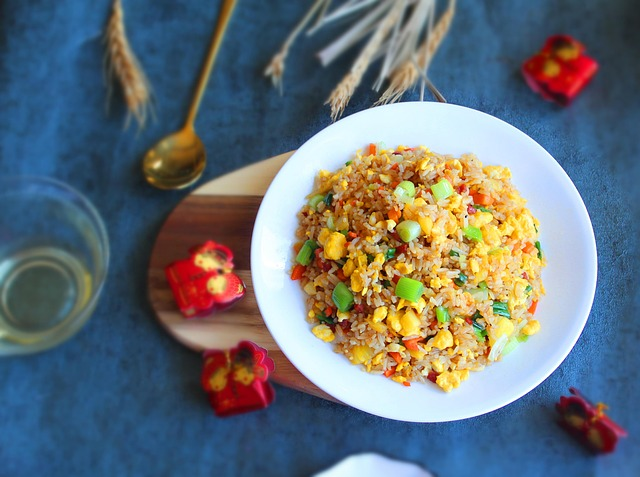
    2. Brown Rice Fried Rice With Egg

    Many kids love grain, and fried rice is an easy dish for parents to prepare. It uses leftover rice, fresh, frozen, or leftover vegetables, eggs, and fresh or leftover chicken or other protein. With brown rice, lean proteins, and extra vegetables, this dish can be more nutritious than what you might order in a restaurant. 

    No need to order in – make your own feel-good fried rice! Optional: pineapple chunks for natural sweetness.

    Approximate nutrition per serving: 400 calories, 18g protein, 5 g fiber

    What’s in it (per serving):

    • ¾ cup cooked brown rice
    • 1 egg
    • (Optional) 2-3 ounces of cooked protein like salmon, chicken, or tofu in small pieces.
    • ½ cup frozen mixed vegetables
    • Soy sauce or teriyaki sauce

    How to make it:

    1. Heat 1-2 teaspoons of sesame, canola, olive, or other vegetable oil in a skillet, or use cooking spray.

    2. Add vegetables and cook until warmed through.

    3. Push veggies to the side and scramble the egg.

    4. Stir in cooked rice and additional protein if using, and add soy sauce or teriyaki sauce.

    Family tip:

    If mixed vegetables feel overwhelming, start with just peas, carrots, or corn, and add others gradually. Parents can serve their own rice with additional vegetables. 

    3. Whole-Wheat Spaghetti With Meat Sauce

    Spaghetti with meat sauce is a basic food for many families! With just a few swaps, it can also be one of the most balanced, simple meals possible. Whole-grain pasta can be a good introduction to whole grains because it tastes similar to white pasta. Use turkey instead of beef in the meat sauce, and add any vegetables you can to the sauce – sliced mushrooms, chopped carrots, or pureed pumpkin are favorites. 

    Spaghetti and meat sauce is a perennial favorite – add nutrients and enjoy!

    Approximate nutrition per serving: 450 calories, 24g protein, 8g fiber

    What’s in it (per serving):

    • 1 cup cooked whole-wheat spaghetti (2 ounces dry)
    • Lean ground turkey, vegetable/soy protein, or lentils
    • Canned or jarred pasta sauce (marinara, mushroom, or similar)
    • Parmesan cheese

    How to make it:

    1. Cook pasta according to package directions.

    2. Brown ground turkey or prepare the vegetable protein or lentils.

    3. Stir in the marinara sauce and simmer for 5 minutes to heat thoroughly.

    4. Serve sauce over pasta and top with parmesan.

    Family tip:

    Let kids add their own parmesan cheese. It’s fun! Parents who are looking for a lower-carbohydrate meal can keep pasta to ½ cup or use spiralized zucchini or spaghetti squash instead of pasta. 

    4. Healthier Baked Penne

    Baked penne is a comfort food, but it can be a healthy choice! Use whole-grain pasta in whatever shape your kids want – penne, spaghetti, or elbows. Low-fat cottage cheese and low-fat mozzarella cheese add flavor, protein, and calcium. For more vegetables, be generous with the marinara sauce, and consider adding fresh chopped or canned diced tomatoes or any other vegetables. Add cooked chicken breast or lean ground turkey if desired. 

    Approximate nutrition per serving (without extra chicken or turkey): 350 calories, 15g protein, 7g fiber

    What’s in it (for 4 servings):

    8 ounces (4 cups cooked) whole-wheat pasta

    2-3 cups of marinara sauce

    2 cups of low-fat cottage cheese or ricotta

    ½-1 cup (2-4 ounces) of low-fat shredded mozzarella cheese

    How to make it:

    1. Cook spaghetti and drain.

    3. Combine pasta, sauce, and cottage cheese in a baking dish.

    4. Top with mozzarella and bake at 375°F for ~20 minutes.

    Family tip:

    Stir in finely chopped spinach or mushrooms. They disappear into the sauce.

    5. Easy Whole-Grain Mac and Cheese With Veggies

    What kid doesn’t love mac and cheese? Don’t worry about making it from scratch. With this simple recipe, you don’t need to make a roux or flour-based sauce. Just melt low-fat cheese into milk and add it to the pasta for a melty, creamy dish. Stir in disappearing vegetables like pureed squash, or add favorite vegetables like sliced zucchini, cauliflower florets, or cooked diced carrots. 

    Mac and cheese can be as healthy as you want it to be!

    Approximate nutrition per serving: 360 calories, 17 protein, 6g fiber

    What’s in it (per 4 servings)

    4 cups cooked whole-grain elbow pasta (8 ounces dry)

    1 ½ cups (6 ounces) shredded low-fat cheddar, mozzarella, or Mexican blend cheese

    ¾ cup skim milk or milk substitute, or use the cooking water from the elbows

    2-4 cups of vegetables

    How to make it:

    1. Cook whole-grain elbow pasta according to package directions.

    2. Drain and return pasta to the warm pot.

    3. Stir in milk and shredded cheese until melted and creamy.

    4. Mix in cooked vegetables

    5. Add salt and pepper to taste

    Family tip:

    Let your kids help if they want. It’s fun to melt cheese and stir it into pasta.

    6. Lighter Tuna Noodle Casserole

    This classic comfort meal becomes a balanced meal in a pan with whole-grain noodles, protein-packed tuna, and extra vegetables.

    Approximate nutrition per serving: 350 calories, 25g protein, 6g fiber

    What’s in it (4 servings):

    4 cups cooked whole-grain noodles (8 ounces dry)

    2 5-ounce cans of tuna, drained

    2 cups of frozen peas

    1-2 cups of sauteed onions, mushrooms, and/or celery

    1 can of low-fat cream of mushroom soup

    How to make it:

    1. Cook noodles according to package directions.

    2. Mix noodles, tuna, vegetables, and sauce in a baking dish.

    3. Top with breadcrumbs if desired.

    4. Bake at 375°F for ~20 minutes.

    Family tip:

    If casseroles feel too mixed for some kids, serve the components separately the first few times. If you can’t get your kids to love tuna, make the casserole with chicken or lean ground turkey.

    Small Changes Add Up

    Healthy family meals can be simple, affordable, and enjoyable. It can be as easy as taking your favorite meals and making nutritious swaps and additions. The result can be meals that are kid-friendly and a source of vegetables, protein, and other nutrients. 

    If you’re looking for more support creating healthy and realistic meals for your household – or support for your own health and weight management – please sign up for nutritional counseling. We can work towards your goals, your way!

  • The Habit That Builds Healthy Families Now and Forever – It’s Not Diet or Exercise

    The Habit That Builds Healthy Families Now and Forever – It’s Not Diet or Exercise

    We’ve been talking about ways to add in healthy behaviors during routine days of late winter. In case you missed them, check our tips for establishing healthy eating patterns and exercise routines for the family, as well as supporting sleep, energy, and mental health for kids and parents in a positive environment. 

    There’s another area to focus on when thinking about laying the groundwork for a strong and healthy family now and forever. It’s connection. Being in a family is a privilege. By recognizing and celebrating joy in routine interactions, you can create an environment where kids and adults can feel safe, support each other, and find more happiness in everyday moments. Here’s how to strengthen family connections, build trust, and fortify your family now and in years to come.

    Greetings and Farewells Set the Tone

    How you greet someone makes all the difference. A friendly greeting says that you are happy to be in the presence of that person. It signals that they’re your priority. You’re there for them. Additionally, your day just got better because you’re with them. 

    If you’re not sure how to show that you’re thrilled to start the day or be reunited with your kids, consider these simple signs. 

    • Use their name when you say hi.
    • Make eye contact.
    • Smile.
    • Give a big wave, high-five, or hug.

    Simple? Yes. Life-changing? Potentially. 

    A proper greeting is appropriate when you say good morning and pick them up from school and afterschool activities. But it’s also appropriate when they come into the room you’re in. What a wonderful home environment it is when your kids know they’re wanted!

    Ordinary Moments Build Relationships

    Special activities undeniably build lasting memories, but ordinary moments build relationships. Whether you’re actively working together or you’re just in each other’s presence, you can communicate your joy at being together.

    Simple time together is valuable for everyone.
    • Invite your kids to help with a task you’re working on.
    • Start reading out loud or playing a game they like so they can join in.
    • Set them up with an independent task or game so you can work alongside them.

    You can be together, separately, but living life together. You’re giving them the confidence that they can do it, and you’ll be by their side.

    Connect Before Correcting: The 10:1 Rule

    Criticism is hard to take, but it has a significant impact. In fact, people need to hear about 7-10 positive comments to balance out the effects of a single negative comment. That goes for kids, too.

    Kids need to feel secure, loved, and accepted before they’ll respond to suggestions or criticism. That makes it especially important to shower them with positivity throughout the day. If they misbehave, lead with a positive comment. 

    • “Thank you for trying.”
    • “I know that was a tough situation.”
    • “I saw that you felt overwhelmed, and I know you were trying to handle it.”

    Make sure your child feels secure before you try to correct any type of behavior. There’s no point in correcting them if they’re not receptive. They’re incapable of receiving your correction if they’re not perfectly relaxed and confident.

    Take a deep breath, and lead with a positive comment. If nothing comes to mind, a hug works fine. There’s no need to rush the criticism. 

    Longer term, this sets the tone for adolescents to be able to trust you with their more serious concerns. Kids who know their parents accept them and will help them turn into adolescents with that same confidence.

    Protect a Ritual

    Life is unpredictable, busy, and challenging – but you can establish a single ritual that’s dependable and comforting. It could be conversing at dinner, reading together (out loud or side by side) at night, or doing the weekly grocery shopping together. 

    Regular trips to the zoo can be a family tradition that allows for good conversations and lasting memories.

    These rituals become anchor memories. Your children will remember them fondly, and feel a closer connection with you. These rituals can be simple and short. The only requirement is that they occur. 

    Getting Started with Joy in Everyday Interactions

    Assess your current actions and reactions so you know where you can strengthen family connections. Ask yourself:

    • “How do I react when my child walks into the room? What message does that send to my child?”
    • “When was the last time I participated with my child in something that was important to them, even if not to me?”
    • “What can I ask my child to teach me so they feel proud, capable, and valuable to me?”
    Keep games fun and not too serious. The important thing is to spend time together.

    Unlike many health-supporting behaviors – say, eating broccoli or going to boot camp before dawn, family connection is about joy. The goal is to appreciate and enjoy time with your family. It’s that simple, and it’s surprisingly effective at supporting physical and mental health, better behavior, and long-term success through a strong support system. 

    How do you support family connection? What’s something you can do today to foster closeness among your family?

  • Take Advantage of February’s Predictable Routine to Build Lasting Healthy Habits for Your Family

    Take Advantage of February’s Predictable Routine to Build Lasting Healthy Habits for Your Family

    Most people don’t name February as the most exciting month of the year, but it can be a great opportunity to improve your family’s health. While a consistent day-to-day routine may feel repetitious, it also offers something valuable for healthy intentions: stability. 

    Predictable routines of school, work, and errands can provide the framework you need to add in healthy habits if they’ve been lacking. When daily life is habitual and automatic, it’s easier to layer in small changes that support health. When you take small steps that fit into your repeating schedule, these steps can build on each other for lasting change. Kids and parents can grow used to healthy choices in everyday life. 

    Here’s how you can take advantage of February’s predictable routine to support better nutrition, increased activity, and more healthy habits for kids and parents – without much effort or stress. 

    Let Healthy Foods Live in Your Home

    Keep only healthy foods in your home so that the home becomes a place for healthy eating. Your kids may get junk food from other places, but you can’t control that. What you can control is what you choose to keep in your home. Having healthy foods at home enables you and your kids to eat well, and it teaches your kids what to keep in a kitchen. They’re learning from you!

    Most kids love grapes and strawberries. Offer them instead of chips and cookies for snacks, and your whole family can benefit. (Cut them into tiny pieces to avoid choking hazards)

    When nourishing snacks and meals are readily available, healthy eating becomes natural. Kids can eat when they’re hungry without you needing to try to decide whether they’re physiologically hungry, or whether they’re claiming hunger so that they can get to the chips or ice cream in your home. By keeping chips and ice cream to special occasions, and stocking up on healthy foods, you’re avoiding negotiations over what to eat. As a parent, having healthy foods around, without processed snack foods, lets you avoid temptations that will get in the way of your energy levels and health. 

    Include a Vegetable (Or a Few)

    Eating vegetables helps with weight control, lowers risk for diabetes and heart disease, improves cholesterol and blood pressure levels, and adds to daily fiber counts. Most kids and adults are missing out on these benefits because they’re not achieving daily goals for vegetable consumption. 

    Aim for at least 2-3 cups per day of vegetables. A strategy for adults is to fill up half your plate or bowl with vegetables at each meal. For example, have a large salad with some protein and a starch, half a plate of steamed vegetables with some salmon and brown rice, or eggs cooked with a handful of spinach leaves.

    A hearty casserole with gooey low-fat cheese, whole-grain pasta, and colorful vegetables offers plenty of protein and tons of fiber.

    Kids may need a little more creativity to get their vegetables. They may feel overwhelmed if half their plate is half full with vegetables. It’s good to serve a small serving of vegetables as a side at most meals to normalize vegetables, but you can also try sneaky ways to get vegetables in. Chunky marinara sauce on whole-grain pasta, whole-wheat pancakes with zucchini and onion, and whole-grain macaroni and low-fat cheese sauce with pureed squash and broccoli florets are examples. 

    The more consistently you serve vegetables, the more you will eat, and the more your kids will grow used to them. Go here to read more about how kids fall sadly short on vegetable consumption, and how to get more. 

    Maintain Predictable Meal Patterns

    Kids and adults both thrive on stability. When kids know what to expect, such as when meals and snacks will be served, there are fewer power struggles. For adults, predictable meal patterns lower stress. For both kids and adults, having consistent meal and snack times improve hunger and fullness signals to help with weight control. 

    Make a batch of breakfast burritos and freeze them for busy weekday mornings.

    Ideally, the family sits down together for dinners, and maybe even for breakfasts. That’s not realistic for all families. You may not be able to prioritize every breakfast and dinner as a sit-down family meal, but you can have patterns so kids know what to expect. You might, for example, find that you need to eat sandwiches on the road on Tuesday evenings due to soccer practice, but other nights can include dinners where you sit down as a family. The trick here is to have consistency and show your kids that you prioritize family meals. 

    Have a Backup Plan for Busy Days

    The only thing predictable about life is that it’s unpredictable. Add kids, school, and work into the equation, and there are sure to be days when Plan A goes out the window. Plans B, C, and D may also fall through. 

    On days like this, you may need a fallback plan – and hopefully one that doesn’t involve takeout burgers or pizza delivery for dinner. Make your default backup plan easy, quick, and appealing. In particular, make your backup plan doable no matter what the circumstances are. 

    Keep these foods on hand so you can eat well on busy days

    • Keep frozen vegetables on hand for quick thawing. They’re great for sides and in soups, eggs, casseroles, and stir fry. 
    • Have lean proteins available. Frozen skinless chicken, fish fillets, and veggie burgers make quick dinners. Canned or pouch tuna or salmon, low-fat cottage cheese and yogurt, low-fat cheese, and eggs are simple and quick.
    • Pantry whole grains include oatmeal, brown rice, whole-grain cereal, and whole-wheat pasta. You can also freeze whole-wheat tortillas, English muffins, bagels, and sliced bread. 
    • Other pantry staples are peanut butter, olive oil, canned tomatoes, and spices. 
    Use whole-grain noodles from the pantry, and chicken and vegetables from the freezer, for a balanced stir fry any day.

    A healthy breakfast, lunch or dinner is only moments away with ingredients like this.

    In late winter, while life is as routine as it ever gets, try to add some nutritious habits to your family’s routine. With some consistency and planning, they may stick so your family becomes healthier over the long run. 

    How do you use the quieter days of winter to improve health? 

  • Late January Reality: Helping Kids and Parents Thrive in the Day-to-Day School Routine

    Late January Reality: Helping Kids and Parents Thrive in the Day-to-Day School Routine

    It may seem like the back-to-school transition after the holidays is over, but any parent knows that the work of parenting never ends. It’s normal for kids to resist morning routines, for homework to feel burdensome, for kids to say they’re bored, and for bedtime to seem like a struggle. On top of it, parents can be exhausted!

    Don’t worry. There are simple hacks for making things smoother during the winter months. If you haven’t already, you can incorporate healthy actions back into the schedule. And, you can break up the day-to-day monotony with fun that doesn’t leave you even more exhausted. It’s all about listening to your kids and framing things in a way that gets through. Here are some tricks to shifting from surviving to thriving this winter. 

    A Post-Holiday “Letdown” Is Normal

    After weeks of excitement and special events over the holidays, they’re now in the distant past. This can be hard for parents, who may have hoped for a break but never got the rest they wanted.

    It can also be hard for kids. It’s hard to transition from November and December, when there may always be a wonderful new adventure to look forward to, to late January. School may feel endless; spring break is far off, and there’s nothing to break the daily routine of school.

    Acknowledge your and your kids’ feelings. They’re valid! Let them know that you understand that it’s hard when special times end, and school comes back. 

    In my family, the end of January feels especially final when it comes to holidays. We not only have the typical winter break over late December and early January. Three of us also have January birthdays. Plus, my parents leave for another country after the third birthday. For these reasons, our family’s transition to late January routine is especially dramatic. 

    Here are some things my son and I talk about.

    • What a wonderful job he did decorating and planning for holiday and birthday parties for the family
    • What he’s been enjoying doing when he hangs out with his friends after school 

    Shift Focus to Smaller Bits of Fun

    You don’t have to accept that the next few months will be boring. Consider coming up with ways to have fun on a smaller scale. What makes them really special is that they may be things you didn’t have time to do over the holidays. 

    A day at the park is simple, but something for kids to look forward to!

    Here are some low-key ways to have fun that my son looks forward to at this time of year.

    • Getting to video chat on weekends with his grandparents
    • Making plans with his amazing, wonderful, and unbelievable babysitter, who only works for us when my parents are out of town
    • Planning for him to sleep over at his grandparents’ house when they return
    • Doing different weekend outings with me that require a car – since we borrow my parents’ car, we don’t go far from home or off a bus route when they’re in town. I don’t like to ask
    • Fun events coming up at school, like a music festival showcasing his classmates in March
    • Going to the library, which has wonderful magnet tiles and other toys, but was closed over winter break

    These simple events can be joyful. Though they fit into the daily routine, they feel like they break it up. 

    Fit in Healthy Habits Now!

    Remember those healthy habits you wanted to start this year? Daily routines are likely to be as predictable and consistent now as at any other time during the year. Your chance to build healthy meals and snacks, regular family activity, and a healthy sleep routine into daily life may be now!

    Cooking healthy foods together can encourage kids to eat healthy, and help them learn what a healthy meal is.

    Small steps can make a big difference. Here are some examples.

    • Shift portions to increase vegetable intake. If kids aren’t eating their vegetables, consider serving smaller amounts of other foods so they’re not full before they get to their vegetables. You can also serve smaller portions of vegetables to avoid overwhelming kids.
    • Make physical activity routine. Enjoy nature walks. Walk to the library or post office. Take a walk while your kids bike or scooter along. 
    • Establish a bedtime routine. You may already do this. If not, make a consistent set of activities you do with your kids before bedtime. Brushing teeth, taking a bath, and reading a story are common ones. You might sing a song or tell a few nursery rhymes together. Make sure to have your own grown-up version of a bedtime routine. It might include brushing teeth, spending time with your significant other (if you have one), packing tomorrow’s lunches, and making a to-do list for the next day.

    What may be the biggest difference for me and my son between the holiday season and routine days of winter is sugar consumption. Christmas candy, irresistible chocolate coins, and birthday cakes contribute added sugars. Furthermore, my son gets a lot of juice and apple cider when my parents are home. They don’t have added sugars, but they do have a lot of sugar. Now we’re back to one reasonable portion of one sugar-sweetened treat a day at home.

    Look for Information, Listen, and Adjust

    If your routine isn’t working, troubleshoot to figure out why not. If kids are cranky or resistant, there’s probably a reason. It’s possible they’re just being difficult, but it’s also possible there’s an underlying barrier, such as fatigue or anxiety. Either way, simple changes can often make a difference.

    Have you tried brushing your teeth together, or singing tooth brushing songs?

    Here are some common reasons why a routine isn’t working, and possible fixes. 

    What Might Be Going OnWhat Can Help
    Kids are tiredAn earlier bedtime can help kids get more total sleep. A consistent bedtime—even on weekends—can prevent starting the school week already short on sleep.
    Kids are overstimulatedAllow 20–30 minutes after school for kids to decompress by amusing themselves however they want (within household rules). Let them know you’re available when they’re ready. Check their schedule to be sure they have at least 30–60 minutes of true downtime each day—unstructured time not dedicated to homework or extracurricular activities.
    Kids want to exert controlOffer choices: “Homework before or after snack?” “Do you want a 5-minute warning or a song timer?” “Do you want to start with reading or math?” Shift from time-based rules to task-based routines. Instead of “It’s 6:30, do your homework,” try “After homework, it’s free time.”

    Turn the dark days of winter into a bright spot with small changes in how you approach your kids and manage schedules. Plus, you can incorporate healthy choices in your family’s daily routine to take advantage of the predictable days that often come in mid-winter.

  • Leading His Own Birthday Party: A Celebratory Way for My Son and His Friends to Transition Back to School

    Leading His Own Birthday Party: A Celebratory Way for My Son and His Friends to Transition Back to School

    My son has a January birthday, so when he requested a kickball game at the park for his party, I knew we’d have to seize the first sunny weekend day that we could. Coincidentally, it turned out to be the Saturday before school resumed after winter break. 

    After a few quiet weeks with family over the holidays, the party turned out to be a beautiful way for the kids to reconnect with each other. It was a wonderful opportunity for me to see his best self: planning, leading, and showing his pride in himself. Also, it reminded me of how positive and supporting our community is. 

    Kids love balloons, and a “9” balloon was a requirement!

    The Request: A Kickball Birthday Party

    My son knows what he wants. He often has very good instincts. This year, he told me he wanted to play kickball at his birthday party. He wanted throw-down bases, red and white wristbands to identify teams, and Gatorade. Beyond that, he was flexible. 

    Since it was a party in the park and therefore low-cost (relatively), I let him invite as many friends as he wanted. That was 20, plus siblings. It’s a lot, but I figured that pizza is cheap. We’d be able to afford it. 

    Planning, Purchasing, and Preparing

    Since these kids play together at school and after school for hours at a time, I was confident that the party didn’t have to be too structured. They’d have plenty to do, even if they didn’t make it to the kickball game. They could amuse themselves on the playground if needed. 

    Here’s the run-down of the shopping list. 

    • Blank white baseball caps and cloth pens for the kids to decorate
    • Red and white wristbands, to be numbered and passed out according to when a child was picked (the first player to be picked on the red team got a red #1, etc.)
    • Pizza. Lots of pizza. Thanks to Little Caesar’s for their 2 for $10 deal on large pizzas. 
    • A set of throw-down bases, and an extra kickball
    • Cakes. Lots of cakes. 4 round cakes from a supermarket.
    • Gatorade, water, Kool-Aid, chips, and peanuts. The Gatorade and peanuts were, of course, in honor of the athletes. 

    The baseball caps and wristbands were the party favors.

    Of course, even when a kid runs a party “himself,” the parent and the rest of the village offer support. I borrowed my parents’ car, loaded it up the evening before, and left it at my parents’ house that night. They met me at the park the next morning so I could unload, and they picked up the pizza and brought it to the park. Thank you!

    Meanwhile, my son and our neighbor and friend bought helium balloons and set up at the park. I couldn’t do it without her – thank you!

    Moment of Truth: The Party Was a Blast!

    As guests arrived, I showed them where they could decorate hats and help themselves to snacks and drinks, and pointed out where my son and other guests were playing on the playground. They played happily for about 30 minutes, and I thought they might be so happy that they wouldn’t play kickball. 

    Kids love playing with friends, so I knew they’d be happy in a park with pizza and snacks!

    Suddenly, due to some unknown trigger, they descended on the pizza and sat at the tables – maybe just like they do at school! Just as suddenly, they got up, went to the grass, put the throw-down plate, bases, and pitcher’s rubber where they wanted, and picked teams. 

    They ended up with an 8-on-8 game, meaning red and white wristband numbers 1 through 8 were used. There was no arguing, just a process for picking, presumably picking the way they do every day at school. 

    Simple bases made for a fun game.

    Kickball started. They played for a solid hour, including a kindergartener and a fifth-grader. Nobody ended up in tears; they seemed very happy! They came to agreements on foul balls, outs, and runs scored. 

    Selfishly, I enjoyed sitting back, chatting with friendly parents, and watching my son lead and interact with his friends. He enjoyed every second of his event, and it looked like the other children did, too. 

    The cakes were simple, but popular!

    An hour later, I told my son it was time for cake. He announced that the game was over, and everyone came to the table. Then kids either stayed to play less formal games, or left. I cleaned up. 

    Another Birthday Party: A Rare Moment of Success as a Parent

    Birthday parties are stressful. They come with a lot of pressure, as you want to please your child as the top priority. There are also struggles with budget, with making sure the other kids are happy, and with having enough to do. 

    Every time I pull one off, it’s a relief. It’s also a moment of pride because it feels like I did right by my son – everyone deserves the birthday party they want!

    Further, I love watching my son succeed, and this party felt like one of his good successes.

    • I saw how much his friends respect him.
    • He was spot on for the important parts, like knowing that the kids wanted Gatorade and chips.
    • He may have said “thank you” to me. Okay, that’s taking it too far. 

    It turned out to be a great way to transition back to school. His mind went back to thinking about how much he loves playing with his friends, and that probably made it easier to get him out the door on Monday morning.

  • A Healthy Transition Back to School After Break: Parent-Tested Tips

    A Healthy Transition Back to School After Break: Parent-Tested Tips

    Going back to school can be tough for families after a break. Winter break, for example, can be 2-3 weeks for many school children, and include holidays and other seasonal events. When kids are out of school, there’s less reason to follow a consistent routine, especially if parents are taking time off work. Sleep, eating, and activity patterns can be different or non-existent during break. 

    The return to school can feel scary if you’re worried about transitioning back to strict schedules, early mornings, and homework – but don’t worry. These tips can help you reset and ease the transition back to school and regular schedules. 

    Routines While Out of School: Looser But a Necessary Break

    When there’s no school or work to create a schedule, it’s likely that you’ll ease out of your regular routine. Sleep times may shift, and meal times may be less regimented. Instead of sitting down to balanced meals, many families shift to more takeout, snacking, and holiday treats. 

    On vacation, it’s good to take advantage of flexible schedules!

    There’s nothing wrong with this for the short-term. For many busy parents, it’s necessary to take a break from what feels like planning every aspect of life, the way you might when there are work, homework, and extracurricular activities to keep straight. Some mental down time can let you recharge for the rest of the year. 

    But that can lead to a rude awakening when real life kicks back in!

    A regular school day usually starts with a strict waking time followed by a busy morning. It may include packing lunches and homework, eating or packing breakfast, and some rushed discussions about afterschool pickup and activities. Later, there may be sports or other activities, dinner, and homework. A regular bedtime is essential for good health, since you’ll all be repeating the schedule tomorrow. 

    Getting Back into a Schedule – Including Sleep

    Planning your schedule ahead of time lets you fit the important things into each day without as much effort. When you’re consistent, your mind and body are more prepared. You have energy when it’s time to wake up, you’re tired when it’s time to sleep, and you’re hungry at meal times. 

    Thankfully, when school starts back up, there are a lot of set times that you can work around as you’re getting back on schedule! 

    • The start of the school day
    • The end of the school day
    • Any extracurricular activities
    • Any meetings you have, or a time you come home from work (or stop working)

    Use these events to your advantage as you reset your schedule. 

    School starts early in the morning, so you’ll need to get up on time. It can be challenging if your family has shifted to a later schedule over the holidays, but gradually shifting back can help. Wake up and go to sleep a few minutes earlier each day until your body’s clock is back to being on “school” time. 

    It helps to re-establish regular meal times and physical activity schedules, too. Try to get back to your typical family eating patterns and times so that your body and mind can go back to predicting when meal times and sleep times will be. 

    Make a To-Do List to Relieve Stress on Parents

    There’s a lot to do when school gets back in session, but you can use simple tools to make it easier on kids and parents. A simple to-do list or checklist can relieve the burden of trying to remember things. It can help you make sure everyone has what they need when leaving home in the mornings. It can also make your evening calmer. 

    Here’s what you might include on a daily checklist or to-do list. 

    • Pack backpacks, which might include lunches, water bottles, and homework.
    • Check for gym clothes (older kids), instruments, sports equipment, or other items needed for extracurricular activities that day or the next day. 
    • If you work outside the home, pack your own lunch and any laptops or other work items you’ll need. 
    • Activities like grocery shopping (make a list!), filling the car with gasoline, and walking to the library to return a book. 
    • Chores like meal prep, housecleaning, laundry, and gardening. 
    • Working out or walking. 
    Make sure everything’s packed the night before so you can be on time for the school bus!

    The less you need to remember, the less likely you are to forget. That’s especially true when last-minute, unexpected demands arise, like your kids needing to finish a project by the next morning. It’s also more efficient to go down a checklist than to try to remember what you need to do. 

    Back to Healthy Habits

    It’s okay if your family slacked on your typical healthy habits. Meals may have been more like sporadic snacks. Screen time may have crept up. You may have missed a workout or three. It’s good to take a break occasionally! But when vacation is over, it’s time to get back to healthy habits for everyone. 

    Here’s a snapshot. 

    • A balanced breakfast, especially for kids. It’s hard to focus on learning when they’re hungry! Consider fresh fruit, reduced-fat dairy like yogurt or milk, a whole grain like oatmeal, whole-grain toast, or whole-grain cereal. Here are ideas
    • A healthy lunch with fiber and protein. Check our healthy lunch ideas
    • A family dinner with protein, whole grains, and vegetables. Don’t worry – here are plenty of options for nutritious, family-friendly, simple dinners
    • Physical activity. Kids can get back to active recess and sports at school with friends, or afterschool in organized activities. Parents can get back to regularly scheduled workouts. 
    Taco night is a kid-friendly, parent-friendly, nutritious option.

    If screen time crept up, it’s a good time to dial it back. Kids can keep themselves busy with homework, afterschool activities, and reading at home. If you do let them use devices, set strict rules on what they’re allowed to do or watch, and for how long. Then stick to the boundaries you set!

    Ongoing Support for Kids When Returning to School

    Keep in mind that while as a parent, you may find school to be a blessing, kids may not feel like going back. Even kids who love school and do well in it may find it stressful or boring. Or, they may just prefer to be at home with you – not realizing that “vacationing you” has time to play with them, while “working” you may not. 

    Do your best to “be there” for your kids. Talk them through any fears or anxieties they have. Validate their feelings, but reassure them. If it helps, talk about the things they’re looking forward to in school, whether it’s a daily occurrence like playing kickball at recess, or something coming up like a field trip or class party. You might also find it helpful to talk about your plans for next weekend or an upcoming holiday so that kids have something to focus on besides school. 

    Remind kids about fun things at school, like games with friends.

    The transition is an ongoing process, so be prepared to work through it for days or weeks. If you see any concerning signs, talk to your children’s teacher or pediatrician for advice. 

  • More Parent-Tested, Lifestyle Coach-Approved Tips for Staying Healthy During Winter Break: Immunity, Sleep, Schedules, and Screens

    More Parent-Tested, Lifestyle Coach-Approved Tips for Staying Healthy During Winter Break: Immunity, Sleep, Schedules, and Screens

    Winter break is a pause from the usual routine. For parents, differences at this time of year may include kids being home from school, prep for holidays and holiday events, and challenges like working during school closures, getting sick, or traveling in winter weather. 

    Unfortunately, winter break often means straying from healthy habits. The first post in this series talked about eating well, staying active, and hydrating during winter break. We also talked about maintaining mental health by establishing priorities and sticking to them. This post talks about supporting health with immune support, daily structure, healthy sleep, and responsible screen time. It’s worth it to take a few steps to support health during this winter break!

    Supporting Immune Health During Winter Break

    Winter break falls within peak cold and flu season, and COVID-19 is still a threat. Travel and gatherings like holiday parties and family reunions can increase the spread. 

    Here are simple tips to boost your immunity and reduce the spread of infections. 

    Washing hands is easy and effective.

    • Wash your hands properly before eating, after using the bathroom, and when coming back inside after going out.
    • Get recommended vaccines, such as for the flu and COVID-19.
    • Consume plenty of fresh fruits and vegetables for vitamin C and other nutrients.
    • Stay hydrated with water, tea, or other low-calorie beverages. 
    • Get enough sleep and physical activity.
    • Wear a mask when around others. 

    Remember to assess risk before attending gatherings. If you or someone in your household is at higher risk for more serious illnesses, consider wearing masks or skipping the event. Similarly, be considerate if you’re planning to visit higher-risk individuals like grandparents. Inform them if you or your children are ill, and let them decide whether they still want you to come or if they want you to mask up. 

    Keep in mind that most colds aren’t serious. Kids are likely to get sick sometimes, just like grown-ups. Contact your child’s pediatrician if you have concerns. 

    Sleep: An Underrated Winter Break Health Habit

    Parents already know that sleep is critical for mood and behavior; tired children are no fun to manage. Sleep also boosts immunity, energy, and ability to think. Winter break is a great time to get more sleep for several reasons. 

    • It’s easier to set aside time for a bedtime routine when kids aren’t swamped with homework.
    • Days are shorter, so it gets dark earlier in the evening and stays dark later in the morning – perfect for sleeping!
    • There’s more ability to sleep in when you’re not rushing to gather kids, clothes, lunches, and homework, and get them off to school on time. 

    For best results, keep bedtime to within an hour of bedtime during the school year. That makes it easier to go back to school without causing sleep deprivation. Sticking to a consistent sleep schedule also makes it easier to get to sleep and fall asleep, so it’s easier to get adequate high-quality sleep. 

    Also maintain habits like turning off screens at least 30 minutes before bed, having a bedtime routine that’s consistent, and being active during the day so kids are ready to sleep at night. 

    Maintaining a Loose Daily Schedule Without Over-Scheduling

    Winter break offers the chance to be less strict with your schedule. You don’t have to drop the kids off early at school. They may not have certain after-school activities to attend. Work hours may be less rigid. 

    Plan to eat meals together at a consistent time, and the rest of your daily schedule can fall into place more easily.

    With extra flexibility, it can be tempting to let go of a schedule completely, but that can be a mistake. While some people perceive schedules as limiting, I like to think of them as liberating. Here’s why having a set schedule can be liberating.

    • It reduces decision fatigue because you’ve already decided when many events – like meals and bedtime – will occur.
    • It gives you control over your time because it lets you set aside time for what’s important to you, such as work, specific events, working out, and family time.
    • It lets offers kids predictability and stability, which lets kids thrive and feel secure
    • It lets kids see that you’ve set aside time for what they want, like screen time or play time

    To create a schedule that doesn’t make you feel trapped, start with a few anchor events to establish and maintain a daily rhythm. They may include:

    • Bedtime (and a bedtime routine before that)
    • Meal times
    • Outdoor times 
    • Nap time (if you have younger children)

    Depending on your needs and the ages of your children, other items in the daily schedule may include reading time, screen time, family play time, and quiet individual play time (when you can work if needed). 

    See how your schedule works for a few days, then tweak it if needed. 

    Screen Time: Set Boundaries That Actually Work

    Each family has different norms around screen time: how much, when, and what’s okay to do or watch. Ipads and other tablets, laptops, phones, and smart watches are abundant in most households nowadays, and they act like kid magnets. 

    Tablets can give parents a needed break while traveling, and it’s a time when kids are sedentary anyway.

    During vacation, it’s important to set boundaries that meet your needs. Usually, there’s a conflict between parents wanting to reduce kids’ screen time versus kids wanting to watch more and parents needing a way to entertain kids without them. 

    When you set boundaries for screen time, consider these aspects. 

    • How many hours are okay per day or week. 
    • Which device(s) your child will have access to.
    • Which guardrails you’ll put in place, such as supervising your child during screen time, using the device together with your child, or activating a child mode on the device. 
    • What your child may do with the device, such as doing educational programs, playing interactive games, or watching videos. 

    Whatever rules you set, stick to them just like you stick to any other rules in your household. Here are some rules you might consider. 

    • A maximum of two hours of screen time a day.
    • No screen time until after a certain amount of active time and reading or other educational activity.
    • The child must get your approval for each new activity, such as a new game or video.
    • The child must take vision and active breaks every 30 minutes, like running around the house for 1-2 minutes without looking at a screen. 

    All screens should be turned off for the bedtime routine. 

    Keep in mind that everyone needs a break – maybe even you. If the only way you can get a break and prevent a breakdown is to give your child more screen time, it’s okay. They’ll survive, and you need to, too. 

    Winter break and the holidays can be both happy and healthy, but it can take some planning and tricks to make it happen. How do you stay healthy during this time? 

  • Winter Break Reality: Balancing Work, Kids, Holidays, and Rest When School Is Out

    Winter Break Reality: Balancing Work, Kids, Holidays, and Rest When School Is Out

    Winter break is starting – and somehow, the thought of schools being closed for three weeks isn’t as exciting for me as a parent as it was for me as a kid. There is still a lot to be excited about, such as the end of Hanukkah and extra time with a kid who isn’t burdened with homework, spelling tests, and maximizing his Friday Free Time in third grade. 

    But many parents may agree with me that a break from school leads to personal challenges. It can be hard to juggle parenting, working, health, and, often, expectations around holidays. At the same time, this is theoretically the time of year we’re supposed to recharge for the year to come. 

    I don’t have a solution for getting all my work done, entertaining my child while keeping him from watching a screen, staying active, attending all holiday events, and starting the new year feeling rested. If that’s your idea of a successful winter break, I don’t know how to get you there. But if you’re like me in setting more realistic goals for a successful break, keep reading for strategies.

    Double Duty on Winter Break

    As a single working parent, I am facing three weeks of working while my son is home from school. For me, that translates to 11 working days and 4 vacation days (Christmas Eve, Christmas Day, New Year’s Eve, and New Year’s Day). That leaves 11 work days for me to parent an active boy in the home while meeting work deadlines. 

    The idea of spending more time with my son is nice. He’ll be more relaxed without feeling pressure that he puts on himself when school’s in session to behave well, follow directions, study hard, and do his best. He’ll love extra time with his grandparents (my parents). These will hopefully translate into more pleasant time with me – and he is wonderful company when he’s in a good mood! 

    But it’s tricky getting work done when he’s around. The only way I’ve found to concentrate on work when he’s at home is to let him watch a device. It’s not healthy for his body or mind, and it makes me feel guilty. So, it’s time to juggle. 

    • Which work-related tasks can I complete while talking to him – that is, which tasks don’t require full attention?
    • Which tasks can I squeeze in if we go to the park and I can get him to play for a few minutes by himself – for example, is there anything I can work on using my phone, and can I do any thinking while we’re walking to the park so that if I have a few minutes to work while at the park, I can type furiously?
    • What tricks can I come up with to have him do some sort of task on his own before he starts watching YouTube?

    It’s tough – but thankfully, there are fewer meetings at work, so I can mostly focus on doing essential tasks. 

    Keeping Kids Happy: Benefits and Compromises

    The obvious benefit of schools being closed is getting to spend more time with my son. There are sides of my son and parts of his day that I don’t usually get to see. I get to see his more relaxed self that’s not thinking about homework or who gets to be up first in kickball or whether he’ll get to have two pieces of pizza instead of just one at lunch. I love his excitement for things like upcoming holidays and extra time with my parents.

    On the flip side, there’s more time to fill. It’s harder to keep him away from a screen, especially if I don’t feel like spending all day, every day focused on him – or if I simply can’t because of work or other priorities. 

    One of my main strategies for keeping my son content, getting my essential work done, and staying a little bit sane are to define the time periods. Here are some examples. 

    • Quality time together: If we’re dedicating time to each other, I make sure we’re doing something that involves interaction or focus. For example, we can play cards together, play catch or another sport, or do an art project. 
    • Relaxed time at home. We may be in the same room, but I’ve let him know that he can enjoy his free time and activities, and I will be doing mine. We may talk periodically.
    • “Alone” time. There may be times when I need to concentrate, such as if I am writing a piece or doing calculations. I ask my son to wait for a few minutes before talking to me. I try not to do this too much when he’s home, but sometimes it’s necessary. 

    Holidays with Kids: “Good Enough” Is Probably “Great”

    Kids love special occasions. They bring their own joy, excitement, and ideas. While you may have an image of a “perfect” holiday, keep in mind that whatever happens on the holiday will probably be great in their eyes. 

    It probably doesn’t matter what you make or do together – as long as it’s pleasant, it serves the holiday purpose.

    Here are a few ways to support holidays that are easier on parents and magical for kids. Keep in mind that all children and families are different, so adopt these tips to fit your own situation. 

    • Involve them in holiday prep, from decorating your home’s interior and exterior, to wrapping gifts, to mixing batter for cookies. If their “help” slows you down too much, give them tasks that are separate from yours, like placing spoonfuls of batter on a baking pan while you mix the batter for the next batch of cookies.
    • Let them lead, even if they do it differently than you would have done it. For example, let them create a holiday playlist that has very little to do with the holiday you’re celebrating, choose a gift that you wouldn’t have chosen for that person, or distribute Valentine’s Day napkins at a Christmas dinner. They’re participating and feeling included and loved, and that’s what’s important. 
    • Give your children jobs. They may be the event photographer, DJ, escort for guests, set-up crew, or all of those. Kids tend to rise to the challenge, especially if they get to tell guests how important their jobs are. 
    Let your children be leaders and experts – even if they want to show you that they learned dreidel in school, but you’re not Jewish!

    As much as possible, be a good role model. Be happy and accepting. Express gratitude and excitement when you receive a gift. Show how much fun you have when you select the perfect gift to give. Above all, make it clear that you are pleased with the holiday, and thankful to be with your family. 

    Resting Up for the New Year

    How can you rest with work, parenting, and holidays happening all at once? It’s important to give yourself a mental break. Cut yourself slack on things like rigid schedules, perfectly balanced homemade meals, and screen time for your kids. If they skip a chore, let it go. Arguing with them may take more effort than it’s worth. Simply telling yourself that it’s okay to loosen up for a couple of weeks can make a huge difference in the amount of stress you feel. 

    For some physical rest, delay or skip non-essential tasks. Clean the house less often, let holiday decorations stay up for a few extra days or weeks (except for a potentially dangerous dried-out Christmas tree, which can be a fire hazard). Wear casual clothes instead of dressing up, and limit your planned commitments. Cutting a few corners here and there can add up to a well-deserved break. 

    Holidays can be both magical and difficult for parents, but you can take steps to get what you need while your children are out of school. Set your priorities, do only what’s necessary to accomplish the bare minimum, and maintain a positive attitude. You can start the new year feeling closer to your kids, refreshed, and on top of things at work.

  • Eat Well and Keep Moving: Simple Parent-Tested Tips for Healthy Living During Winter Break

    Eat Well and Keep Moving: Simple Parent-Tested Tips for Healthy Living During Winter Break

    Winter break brings a different pace to family life as schools close and schedules change. Childcare duties increase and holidays may bring extra responsibilities, but working parents may not have much time off. Minds and bodies still need care, so it’s a good time to take a practical and creative approach to staying healthy. 

    In winter weather, amid holiday cheer, and with tired, bored, or excited children, it can be even more rewarding to cling to healthy habits. Here are tips for staying active for parents and kids, eating healthy without excess costs or fights, getting outside time in any (safe) weather, and hydrating for health.. 

    Keeping Parent and Child Active During Winter Break

    Staying active is imperative for physical and mental health, but it can take extra planning during winter break even if it’s a habit during other times. During these weeks, we can be busier, schedules can be different, and weather can be rainy where I live. However, we can overcome these challenges with prioritization. Bodies need to move!

    Fortunately, I’ve been running for almost 30 years. It’s enough of a habit now that I know it’ll get done during break, too. It’s built into my day, from making sure I go to bed early enough to be rested by morning run time, to having child care lined up every morning, 6 days a week. 

    It takes a bit more thought to make sure my son gets enough exercise. He’s not lazy – he’s the opposite of it! – but it takes more planning to get him active than for me to run. When school is in session, he walks to and from school, plays a bit at recess and lunch, and plays for hours in the afterschool care program. 

    On break, here are some ways he stays active most days.

    • Yardwork and gardening with my parents at their house in the mornings while I run and take “me” or work time.
    • Various ball games with my parents in their backyard, including football, soccer, baseball, and creative variations of these. 
    • Walks and bike rides with me to any destination I can think of to make him interested enough to come alone without too much protest. A park, a store, the library, and a bus stop or metro station are common destinations. 
    • Walking to the park (about 15 minutes each way) for kickball, catch, or football.
    With the right gear, kids can get plenty of outside time in most kinds of weather.

    Rainy day options include these.

    • Dressing properly, mentally preparing to be cold and wet, and playing outside in mud and puddles with the thought of a warm shower and dry clothes when we come inside.
    • Going to our building’s underground parking garage for roller skating, a game of catch, or various other adventures. 
    • Playing in our building’s rec room/gym.

    Healthy Eating for All During Winter Break

    Health eating for the family can be challenging during winter break. Depending on your child’s habits and location, you may be used to schools providing milk, breakfast, lunch, and snacks. During break, you’re responsible for all food and beverages. It may be an extra responsibility for you, but see if you can turn mealtimes into a chance to spend more time together that you don’t get when your child eats lunch at school. 

    Thankfully, most kids prefer simple, familiar meals, so take advantage. Plain whole-wheat pasta with marinara sauce, chicken or parmesan cheese, and a piece of fruit can be a balanced, easy, and welcome dinner, for example. For lunch, try items as simple as PB & fruit sandwiches on whole-wheat tortillas. Don’t sweat it!

    Here are some tips for healthy meals for everyone. 

    • It’s okay to repeat meals. Kids often love repetition. 
    • Keep serving vegetables and fruit at most meals. 
    • Try these ideas for healthy breakfasts, lunches, dinners, and snacks

    Take shortcuts whenever you can get away with it to make healthy eating easier. Here are some examples. 

    • Make double or triple batches so there are leftovers to eat the next day or two. 
    • Use frozen foods like fish fillets, chicken tenderloins or breasts, vegetables, and berries to reduce pressure to shop frequently. 
    • Stock up on easy-to-use nutritious panty items like whole-wheat pasta, plain instant oatmeal, canned tomato sauce, peanut butter, and mixed nuts.
    • Make soups, stews, and casseroles with vegetables and lean proteins. They’re easy to make and easy to freeze.
    • Sandwiches are just fine for meals – use whole-grain bread, peanut butter or low-fat cheese, and a side of fruit or vegetables. 
    Whole-wheat spaghetti, turkey meatballs, marinara sauce, and parmesan cheese: dinner is ready!

    Holiday treats can feel stressful if you’re worried that your kids will eat too much fat and sugar or replace nutritious foods with holiday treats. To reduce anxiety and avoid fights, I suggest letting your kids eat treats at holiday events and parties. 

    Support healthy eating the rest of the time by having healthy foods in the home. Have healthy snacks always available so hungry kids will eat healthy, and keep your children eating at the table, not while watching a screen. In other words, have foods like fresh grapes, grape tomatoes, string cheese, and plain popcorn in the house, and keep chips, cookies, and candy out of the house. 

    Outdoor Time in All (Safe) Weather

    Did you know it’s okay to be outside in most weather? And that it has a wide range of benefits? Here are some reasons why it’s important to be outside. 

    • Getting natural light helps you sleep better because it helps your body set its natural circadian rhythm to be awake during the day and sleepy at night.
    • Being outside counts as being in nature, even if the only bit of nature you can see is a sliver of sky or a weed growing from a crack in a sidewalk. Nature improves mood and health. 
    • Being outside encourages movement because there’s more space. 

    It’s usually safe to be outside in winter except in any of the following conditions. 

    • The temperature with wind chill (“feels like”) is under 0°F (-18°C). 
    • There is a blizzard or whiteout conditions. 
    • Freezing rain or excessive ice makes the ground slippery. 
    • Thunderstorms are in the area. 

    For cold weather, be sure to layer up and watch for signs of hypothermia or frostnip. A warm jack like a lined puffer jacket can be a great outer layer for kids and adults. Add a hat and gloves or mittens for more warmth. 

    If it’s raining, but not freezing rain or with high winds, dress well and enjoy the puddles in the rain! A stylish and functional pair of yellow boots can keep kids happy and splashing. Kids seem to love umbrellas, too. Wear a waterproof rain jacket, and adults and kids alike can get some fresh air before coming indoors for a hot shower and some soup or tea.

    Hydration

    It’s easy to forget hydration, but it can help everyone’s energy and mood. Remember to drink often, even in cold weather. Kids are especially likely to ignore or miss thirst cues. 

    Any of these are good options. 

    • Water
    • Herbal tea
    • Broth
    • Tea with milk, which is an especially good choice for adding protein and calcium
    Make hot decaf coffee or tea with milk together for family time, hydration, and fun.

    It’s okay to relax during vacation, but it’s also a good idea to stay healthy. A bit of planning can make it easier for you and your family to be active, eat well, and feel better so you can get more joy from the season.

  • Nutritionist-Approved Tips to Get Your Picky Eater Try New Foods with Less Stress

    Nutritionist-Approved Tips to Get Your Picky Eater Try New Foods with Less Stress

    If you’re frustrated that your picky eater won’t try new foods, you’re a pretty normal parent. Picky eating affects 1 in 5 children – or more, when you consider that some kids go through phases of picky eating. It can lead to worries on your part that your child may not get needed nutrition, and it can cause stress at meals. But you can manage the situation with less stress, begging, and worrying. 

    As with many health behaviors, small changes and consistency are key. We’ll go over patterns in picky eating, causes, and concerns. Then we’ll get to strategies for overcoming it as a team. The result may be a kid who’s more adventurous with foods, and a parent – you! – who’s calmer and less stressed. This post has a brief overview, and we’ll dive deeper into each topic in future posts. Let’s go!

    Remember to ask your child’s pediatrician if you have any concerns about behaviors, eating behaviors, or nutrition. 

    What’s “Picky Eating?”

    Picky eating is also called choosy eating, fad eating, and choosy eating, according to an article in Appetite. Kids with picky eating may refuse new foods, only eat a limited variety of foods, or have very strong food preferences. Signs that picky eating can be a problem include:

    • Your child only eats 10-15 “safe” foods.
    • Your child gets upset if a new food is on her plate.
    • Meals become battles over food choices.
    • Your child avoids entire food groups, such as vegetables or dairy products.

    These are warning signs, though they don’t automatically mean your child has a nutritional problem. 

    Balancing “Safe” Foods with “New” Foods Consistently

    You need to give your child a variety of new foods to expand the variety of foods they’ll eat, but it’s important to do so gradually. At the same time, keep “safe” foods as the main foods on their plates to avoid pressuring them. 

    Give Them Healthy Options

    Some picky eaters are picky because they can be. That is, they consistently have access to specific types of kid-favorite foods, like bagels, cereal, pasta, chips, and pizza. Not surprisingly, they refuse to eat other types of foods, like vegetable stir fry, fish, and yogurt. 

    It’s important to remember that kids will eat when they are hungry enough. If your kids are always given the chance to fill up on cookies, fries, and ice cream, they will. If your kids are hungry and are offered nutrient-dense choices like fresh fruit, vegetables, and beans, there’s a good chance they’ll start to enjoy those foods more. 

    By now, I’ve learned to carry fresh fruit with me along with other snacks for my son. I offer the fruit first because I found that if he eats other snacks first, he’ll refuse the fruit. Once the fruit is eaten, he’s welcome to other snacks. 

    Tangerines are kid-friendly and nutritious. Try serving fruit before other snacks to add variety.

    Keep It Low-Key

    This tip may be hardest to follow because it’s telling you to act exactly opposite to the way you may be feeling. You may be desperate for your child to eat something new and for meals to pass without a fight, but that’s more likely to happen if you play it cool. 

    Simply serve the meal or snack, including small amounts of new or varied foods, without putting pressure. Make one meal for the whole family, making sure to include enough “safe” foods for your kids to feel comfortable. Remember that you’re a role model and your children are always watching you. If you eat and enjoy new foods, they will understand the concept, and likely eventually do the same. 

    Keep Things in Perspective

    Remember that most kids in the US are not at risk for severe malnutrition. Talk to your children’s pediatrician if you’re concerned. There may be options for supplemental energy or protein shakes, or for multivitamin and mineral supplements, to prevent specific deficiencies. If your child’s doctor is reassuring that your child is not in imminent danger due to food patterns, try to relax. Things will fall into place eventually. 

    Repeated Exposure Helps

    An unfamiliar food starts to become familiar if children keep seeing it on the table and on their plate. Consistently offer the new food, keeping in mind that it can take dozens of tries for a taste test to happen, and dozens of taste tests before your child actually likes the food. Just like with most other aspects of parenting, it takes patience. 

    If your child likes plain pasta, try adding a bite of tomatoes for a few weeks.

    Introduce the Food in a Personal Way

    Say matter of factly what the food is and what it tastes like. If possible, tie that food or ingredient to something they enjoyed in another setting. My son, for example, has learned to love sushi and taste spicy foods because his friends do both of those. 

    Give Your Kids Ownership

    Let your kids decide how to eat new foods. For example, if your target food is tomatoes, give them choices. Grape tomatoes for snacks, cherry tomatoes on skewers with mozzarella, sliced tomatoes in sandwiches, canned tomatoes, sauce on pizza, and sauce on pasta are all different ways to enjoy tomatoes. Let your child choose his favorite textures, flavors, and accompaniments. 

    For example, my son thought he didn’t like basil until he tried it from his school garden. Since then, he enjoys it because it’s personal to him – and his first choice for eating it is in pesto, which is how he ate it at school (read about it here).

    Pizza is one vehicle for healthy ingredients. Load it with tomato sauce and cheese for veggies, protein, and calcium.

    How Long Will It Take?

    It depends, but it can take a while! After several weeks, your children may be more willing to smell or taste a new food. Within a shorter timeframe, you may be able to have fewer mealtime fights if you keep it relaxed and stop pressuring your children. If it gets to the point where things are getting worse or you’re feeling out of control, seek help. 

    Stay tuned for future posts going into more depth on managing picky eaters, keeping worries down, and introducing new foods without food fights.