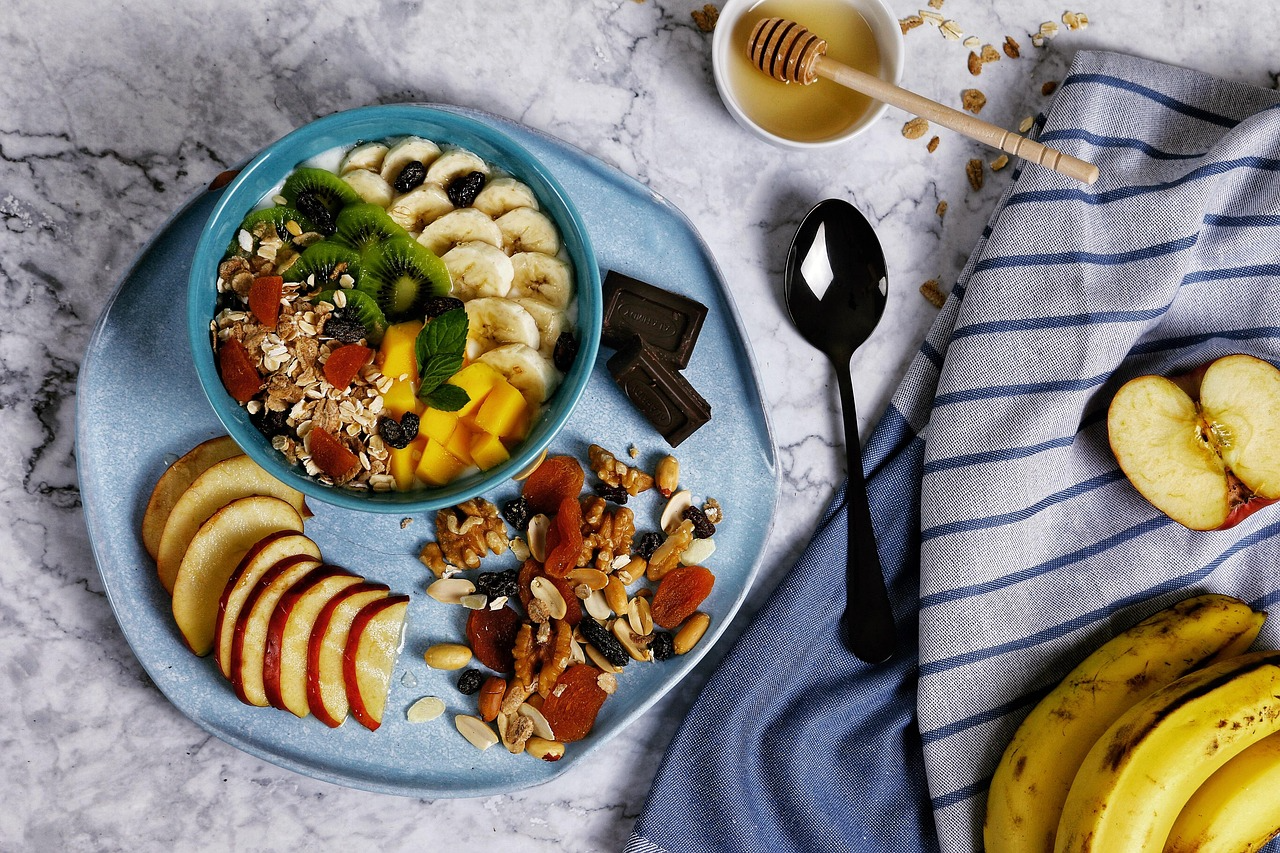
In our previous blog post, we described my dad’s original homemade cereal recipe. It’s kid-friendly and nutritious. It’s also parent-friendly because it doesn’t require cooking, clean-up is minimal, and you can vary it according to your tastes and needs.
Here’s a calculator you can use to figure out the basic nutrients in your cereal. Just use the drop-down menus to select the amount of each ingredient that you use. If you don’t use a particular ingredient, just skip it. Then click, “submit,” to see calories and important nutrients (why these nutrients?).
Build-Your-Own Cereal Nutrition Calculator
Nutrition Totals (Per Serving)
*Estimates based on USDA averages. Values will vary by brand and preparation.
Spring break may mean a family vacation for some, but for many parents, having kids home from school for a week or two is challenging. You’re suddenly responsible for full-time child care, including safety, entertainment, and health. At the same time, you may be working your regular schedule while trying to meet your own physical and mental health needs.
The good news is that even without a family trip or elaborate plans, you can meet everyone’s needs during spring break. It may not be the “perfect” spring break of your dreams, but it can stll be a “great” spring break that brings your whole family together.
Common Concerns for Parents
What could go wrong when kids are home without teachers, assignments, and friends? Here are some common worries for parents about their kids.
Loss of academic progress or falling behind at school
Kids feeling lonely without their friends
Screen time and lack of physical activity
Snacking on unhealthy foods
And here are some common challenges for parents.
Juggling work and childcare
Staying active and eating healthy
Maintaining a schedule that allows for enough sleep
These are real concerns and challenges, but there are strategies you can use to address them. It’s about making each minute count.
Turn Meals and Meal Prep into “Family Time”
You’re already spending time grocery shopping, preparing food, and eating it. Why not use that time to bond with your kids, too?
Instead of trying to sneak in a trip to the supermarket while the kids are at an activity or someone else is watching them, take your kids with you to the store. The first trip may take longer than usual, but allow time for it. Later trips will be faster as your kids get used to the routine.
Remember to tell your kids the rules before you go in. Common rules are, “no touching,” and “you can only ask for something once; a ‘no’ is a ‘no.’” If they break the rules, it’s okay to leave the store without purchasing anything. The kids are sure to learn the lesson when they realize that you arrived home without their favorite snacks, cereal, and fruit.
When prepping meals, invite your kids to help. It does take longer than making a meal yourself, but you can allow for the extra time. Or, find tasks that they can do that are on the side, say, setting the table or grating cheese for a topping while you make the rest of dinner.
You don’t have to pressure your kids to help if they don’t want to. Sometimes, they just want company. Let them color, play with their stuffed animals, or count baseball cards on the kitchen floor as you cook and clean. They may want to talk to you, or they may simply enjoy being near you and knowing that you’re available to listen if they want to say something.
It’s easy to create lasting memories – try breakfast for dinner with whole-grain pancakes and fresh fruit!
When you sit down, make it a pleasant atmosphere. Check our recent post for tips on getting the most out of family meals. Hints: interact with your kids, put your phone down, and smile.
Low-Effort Ways to Make Meal-Time Special
You’re already serving meals. With a small twist, you can make them seem special and create happy family memories. Here are some ideas.
With a little bit of effort and a lot of love, lunch can be healthy for the soul and body.
Have a picnic at a nearby park.
Try breakfast for dinner.
Have a themed meal like “camping” (veggie hot dogs on whole grain buns, and s’mores for dessert)
Set up a picnic blanket in a room of your home that’s not usually for eating, and eat there.
Have dinner by candlelight and invite your kids’ stuffed animals for story time afterwards.
Keep Active While Keeping the Peace
Keeping everyone active can involve juggling, but it doesn’t need to involve fighting. When you make outdoor time feel natural, it can be easy to stay fit and keep kids active. For example, remember that picnic in a park? Take a ball, some sand toys, or the jogging stroller, and stay in the park for a while before coming back home.
You can also tie active time to errands. Walk, stroller, scooter, or bike to supermarkets, the library, or the pharmacy.
Minor bribes can work, too! For example, walk to:
A nearby coffee shop for some tea and a whole-grain bagel with cream cheese to split
A farmer’s market for juicy strawberries or sweet peas
A neighborhood joint for a brown rice and veggie teriyaki bowl or chicken tacos
If necessary, make up errands, like mailing a letter from the post office instead of from your home, to get outside.
Strategically Balance Work with Family Time
The toughest part for many parents is getting work done while spending enough time with family. It’s not just a question of feeling guilty, though that can feel bad enough. For many parents, working for hours at a time during vacation can lead to hard evenings with cranky children. They’re just asking for attention.
If you can give them attention throughout the day while sneaking in some work time, you might be able to reduce the amount of crankiness you need to deal with later on. It can help to alternate play time with work time.
For example, bring your laptop to the park and play for 30 minutes before working for 30 minutes, even at the side of a sandbox. Or, do some workbook pages, or draw a few pictures, with your kids at home before leaving them to continue right next to you as you get to work.
Let them know you’re available to listen if needed, but that you’re working on something. It can also help to let them know when the next time they can expect your undivided attention is – possibly in 30 minutes, or at the next meal, or when it’s time to walk to the mailbox.
The Bottom Line
There’s no question that parenting during breaks from school is different than when school is in session, but it can be a positive experience. Plan ahead so you have plans for what to eat, how to prepare it, when you can involve your kids, and how to get everyone active. Plus, think about when you can work and how to do it strategically so you still get time with your kids.
Remember that it may be challenging, but it doesn’t have to be perfect. You can stay healthy, build bonds, and become a stronger and more confident parent each time.
I can support your goal to live healthy in real life. Schedule with me, and let’s chat about simple, everyday ways to support a healthy family and a healthy you!
If you’re frustrated that your picky eater won’t try new foods, you’re a pretty normal parent. Picky eating affects 1 in 5 children – or more, when you consider that some kids go through phases of picky eating. It can lead to worries on your part that your child may not get needed nutrition, and it can cause stress at meals. But you can manage the situation with less stress, begging, and worrying.
As with many health behaviors, small changes and consistency are key. We’ll go over patterns in picky eating, causes, and concerns. Then we’ll get to strategies for overcoming it as a team. The result may be a kid who’s more adventurous with foods, and a parent – you! – who’s calmer and less stressed. This post has a brief overview, and we’ll dive deeper into each topic in future posts. Let’s go!
Remember to ask your child’s pediatrician if you have any concerns about behaviors, eating behaviors, or nutrition.
What’s “Picky Eating?”
Picky eating is also called choosy eating, fad eating, and choosy eating, according to an article in Appetite. Kids with picky eating may refuse new foods, only eat a limited variety of foods, or have very strong food preferences. Signs that picky eating can be a problem include:
Your child only eats 10-15 “safe” foods.
Your child gets upset if a new food is on her plate.
Meals become battles over food choices.
Your child avoids entire food groups, such as vegetables or dairy products.
These are warning signs, though they don’t automatically mean your child has a nutritional problem.
Balancing “Safe” Foods with “New” Foods Consistently
You need to give your child a variety of new foods to expand the variety of foods they’ll eat, but it’s important to do so gradually. At the same time, keep “safe” foods as the main foods on their plates to avoid pressuring them.
Give Them Healthy Options
Some picky eaters are picky because they can be. That is, they consistently have access to specific types of kid-favorite foods, like bagels, cereal, pasta, chips, and pizza. Not surprisingly, they refuse to eat other types of foods, like vegetable stir fry, fish, and yogurt.
It’s important to remember that kids will eat when they are hungry enough. If your kids are always given the chance to fill up on cookies, fries, and ice cream, they will. If your kids are hungry and are offered nutrient-dense choices like fresh fruit, vegetables, and beans, there’s a good chance they’ll start to enjoy those foods more.
By now, I’ve learned to carry fresh fruit with me along with other snacks for my son. I offer the fruit first because I found that if he eats other snacks first, he’ll refuse the fruit. Once the fruit is eaten, he’s welcome to other snacks.
Tangerines are kid-friendly and nutritious. Try serving fruit before other snacks to add variety.
Keep It Low-Key
This tip may be hardest to follow because it’s telling you to act exactly opposite to the way you may be feeling. You may be desperate for your child to eat something new and for meals to pass without a fight, but that’s more likely to happen if you play it cool.
Simply serve the meal or snack, including small amounts of new or varied foods, without putting pressure. Make one meal for the whole family, making sure to include enough “safe” foods for your kids to feel comfortable. Remember that you’re a role model and your children are always watching you. If you eat and enjoy new foods, they will understand the concept, and likely eventually do the same.
Keep Things in Perspective
Remember that most kids in the US are not at risk for severe malnutrition. Talk to your children’s pediatrician if you’re concerned. There may be options for supplemental energy or protein shakes, or for multivitamin and mineral supplements, to prevent specific deficiencies. If your child’s doctor is reassuring that your child is not in imminent danger due to food patterns, try to relax. Things will fall into place eventually.
Repeated Exposure Helps
An unfamiliar food starts to become familiar if children keep seeing it on the table and on their plate. Consistently offer the new food, keeping in mind that it can take dozens of tries for a taste test to happen, and dozens of taste tests before your child actually likes the food. Just like with most other aspects of parenting, it takes patience.
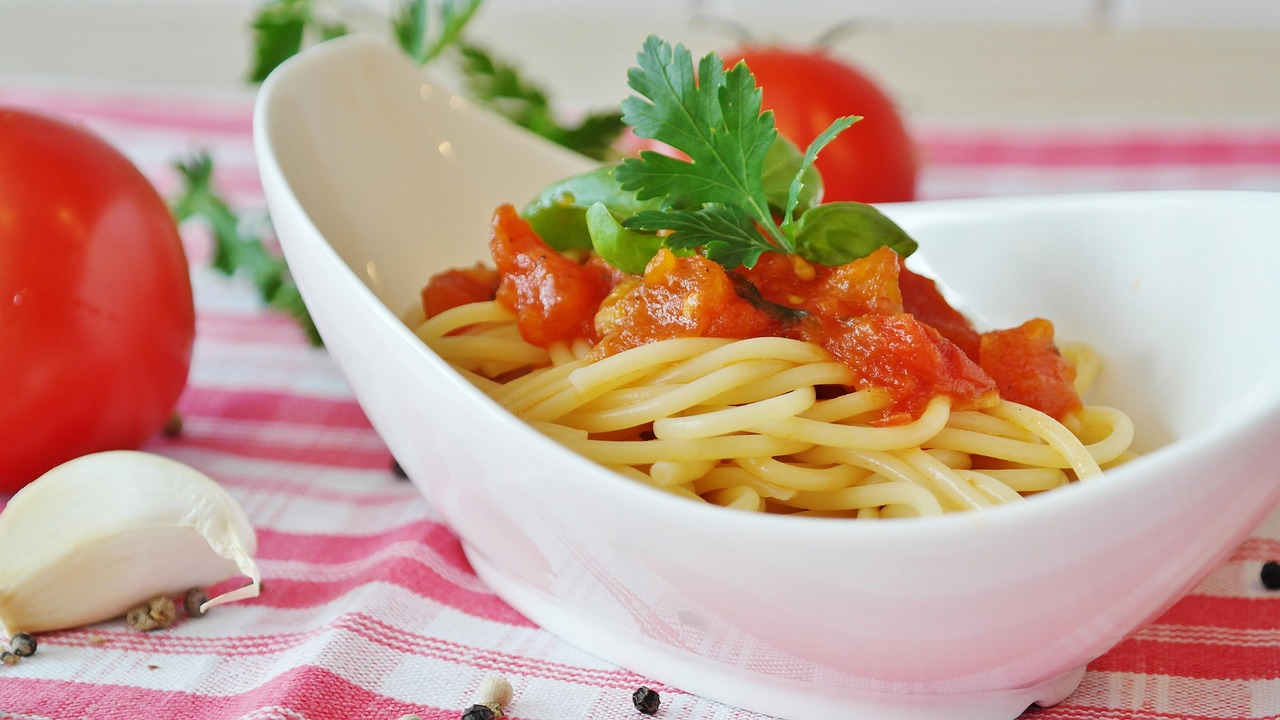
If your child likes plain pasta, try adding a bite of tomatoes for a few weeks.
Introduce the Food in a Personal Way
Say matter of factly what the food is and what it tastes like. If possible, tie that food or ingredient to something they enjoyed in another setting. My son, for example, has learned to love sushi and taste spicy foods because his friends do both of those.
Give Your Kids Ownership
Let your kids decide how to eat new foods. For example, if your target food is tomatoes, give them choices. Grape tomatoes for snacks, cherry tomatoes on skewers with mozzarella, sliced tomatoes in sandwiches, canned tomatoes, sauce on pizza, and sauce on pasta are all different ways to enjoy tomatoes. Let your child choose his favorite textures, flavors, and accompaniments.
For example, my son thought he didn’t like basil until he tried it from his school garden. Since then, he enjoys it because it’s personal to him – and his first choice for eating it is in pesto, which is how he ate it at school (read about it here).
Pizza is one vehicle for healthy ingredients. Load it with tomato sauce and cheese for veggies, protein, and calcium.
How Long Will It Take?
It depends, but it can take a while! After several weeks, your children may be more willing to smell or taste a new food. Within a shorter timeframe, you may be able to have fewer mealtime fights if you keep it relaxed and stop pressuring your children. If it gets to the point where things are getting worse or you’re feeling out of control, seek help.
Stay tuned for future posts going into more depth on managing picky eaters, keeping worries down, and introducing new foods without food fights.
Sometimes, a small purchase can make a big difference in everyday life. That’s the case with my new wireless ear buds. My old ones broke. Since I have been using them nearly every day, in many situations, I made it a priority to get new ones fast. I’ll use them while playing sports, making phone calls, and occasionally sharing a listen with my son, age 8.
There are so many nifty products out there, from tech-related items to household gadgets to clothing, accessories, and toys. Each one may be “just a few” dollars, but together, the purchases add up. It’s hard to tell which may be worthwhile, and which may be something that doesn’t improve your life.
Wireless ear buds can be a lifesaver if you work in an office and want to listen to music without disturbing coworkers.
In this case, the $10 I spent are a good choice. Bluetooth, wireless ear buds let me listen while at the park and transition instantly to making phone calls or joining meetings remotely. They save time because I don’t have to fiddle with wires, and they let me have more “me” time because it’s easy to start listening at any time.
Battery and Other Basic Features
These ear buds have features that appear standard for their price range.
8 hours of continuous playback or use time on a single charge
48 hours of overall use time stored in the battery pack, or charging box
Easy bluetooth connectivity – they pair within seconds when I turn on my phone’s bluetooth setting
A mic with noise cancelling for easier phone calls
I chose the red ones. As usual, I chose from the colors that were the least expensive. I was pleased to find red because my previous ones were black, and I found those hard to find. I also wouldn’t have wanted white because it looks dirty so soon.
Comfort Features
These ear buds are designed to fit 99% of ears. They come with 3 different sizes of ear bud coverings so you can find the one that works for you. They weigh only 4 grams – that’s what a teaspoon of sugar weighs, to put it into context. Soft and comfortable, it’s easy to forget that you have them in your ears!
Finger Tap Controls
You can control the ear buds using finger taps.
Earbud Touch Controls
Function
Control
Volume Down
One tap, left side
Volume Up
One tap, right side
Previous Track
Long tap, left side
Next Track
Long tap, right side
Answer Call
One tap on either side
Hang Up
One tap on either side
Voice Assistance
Triple tap, left or right
It looks like a lot now, but I know I’ll learn the various tap controls quickly as soon as I start using them.
Use Bluetooth ear buds to keep you company as you walk.
Water Resistance: IPX7 Rating
I’m satisfied with the water resistance feature. It’s sweatproof, drizzle-proof, and hopefully a little bit resistant to spills – after all, I’m not perfect, and I live with an 8-year-old. It’s rated IPX7. Here are the features.
IPX7 — What’s OK (✓) vs What’s Not Recommended (✗)
OK (✓)
Not Recommended (✗)
✓ Drizzle / light rain (walking, short outdoor exposure)
✓ Sweat during workouts (running, basketball, tennis practice)
✓ Accidental splashes (water bottle spills, playground splash)
✓ Short bursts of moderate rain if you quickly get under cover
✓ Submersion in water up to 1 meter for 30 minutes (pools, puddles, sinks)
✗ Prolonged exposure beyond 30 minutes underwater
✗ High-pressure water jets (showers, hoses)
✗ Saltwater or chlorinated water over time (may damage seals)
✗ Extreme temperatures while submerged
My Daily Uses for Ear Buds
I use ear buds for active time, “me” time, parenting time, and social time, and work time. For safety reasons, I don’t use wireless ear buds for running. I prefer wired ear buds so I can use just one ear bud and have the other ear fully tuned to traffic and other potential dangers. But for my other listening purposes, ear buds work well.
I like listening while I do other things, so it’s convenient for me to have wireless ear buds that won’t get tangled up with my tennis racket, kitchen knife, or keys on a lanyard. Here are some of the times I regularly use ear buds.
Playing tennis against a backboard
Shooting baskets alone on a court
While walking to and from supermarkets or aimlessly in the neighborhood
At home if my son is home and doing his own activity
In our building’s gym if someone else is present and I don’t want to bother them
Find comfortable and water resistant ear buds to make running easier.
One of my favorite ways to use them is to listen to my son’s playlist with him. We’ll each take one ear bud, and he’ll put on his playlist on my phone. I don’t typically like the music he listens to, but it’s fun listening together and knowing he handpicked each song.
Hopefully you got some insight or ideas for your own listening convenience. When do you use earbuds or a headset, and what features do you like to have?
Parents want the best for their children, and that means helping them with many of the same diet and exercise goals that you have. Just like adults, kids need to eat healthy and be active for long-term health, but just like with adults, it’s not always that easy to achieve recommendations.
Kids need exercise just like parents do, but unlike us, they’re not likely to hit the gym or go for an intentional walk. Some children are naturally active with sports or while playing with friends, while others opt for coloring, reading, or other sedentary – albeit valuable – activities in their spare time. How can you get them to be active without fuss?
Here’s how you can get your children to be active without realizing it to help them with physical and mental health now and in the future. There are even tips for when you’re too tired to play active games with them after a long day of work, chores, parenting, and your own workout.
Why Exercise Matters for Kids
Benefits of exercise are for now, not just for the distant future. Physical activity helps build bone density, manage weight, and improve measures of heart health like blood pressure and cholesterol. Exercise lowers blood sugar. Diabetes may seem like a far-off, abstract concern when you’re thinking about your children, but consider this: about 1 in 5 US kids already have prediabetes, which means they’re at high risk for developing diabetes within 10 years!
If you need more immediate benefits of kids exercising, think about improved learning, increased confidence, and better immune systems. If you’re wondering what the immediate benefits to you of getting your kids active are, remember that they’ll be happier (think: less whining and fewer tantrums) and more tired (think: easier bedtimes) when they’ve been active.
How Much Exercise for Kids?
Kids age 6-17 should get at least 60 minutes per day of moderate to vigorous intensity physical activity, according to the Physical Activity Guidelines for Americans. As with adults, it doesn’t need to be a single 60-minute session in a day; kids tend to be active in fits and spurts, and that’s just fine.
They should also include muscle-strengthening exercises, though it doesn’t need to be pumping iron. Tug-of-war, playing on playground equipment, and doing cartwheels all count.
Only about 1 in 4 children meet daily activity guidelines. More than half of daily waking hours are spent sedentary, such as in front of screens. How can you help get your kids active, especially if you’re tired, they’re not naturally active, or they prefer to stay home? It’s possible to get kids active every day without a daily struggle.
/
Rock climbing walls can help kids meet muscle-strengthening guidelines
“Move” to a Fun Destination
Try some sneaky bribery if you and your children both need exercise. Choose a fun destination that’s an appropriate distance away, and go there and back without a car. You might walk or jog. Your children might walk, scooter, bike, or roller skate. You’ll both get in a good amount of movement.
Here are some ideas for destinations.
The public library – children’s rooms often have crafts and toys to amuse young people, and, of course, unlimited books.
A supermarket that’s known for handing out samples or that sells a special item, like a particular snack food, that your kids love and don’t often get.
A farmers market that has samples of fresh fruit.
A dollar store.
A public park.
Your neighborhood high school – check the schedule to see if any sports teams are playing, and watch a game!
Here are some more tips.
Figure about 20 minutes per mile. If the destination is 1 mile away, the round trip will be about 2 miles, or 40 minutes.
Agree beforehand on the “treat” at the destination, whether it’s a single item at a dollar store, a coffee beverage or doughnut for all of you to split, or one train ride at a farmers market.
Choose a close enough destination so that you’re certain your kids are physically capable of the round trip. You can always expand your range.
Organized and Unorganized Activities for Exercise
Organized activities can be a great option if you have the opportunity and your children enjoy them. Sports clinics and leagues are an example, as many children enjoy soccer, baseball, flag football, and basketball. Dance classes are another option, with options as varied as break dancing, ballet, jazz, tap, hip-hop, and lyrical. Each time your child goes to a practice, game, or class, you get to rest easy knowing that someone else is taking charge of their physical health for a while.
Here are some other options for outdoors activity that’s not organized.
Have sports practice, but let them do the work. Kick a ball and have them chase it, or pitch to them and have them run the bases.
Organized park playdates and let kids run while with their friends.
Have them find objects in the park that you name.
Some children can get hours of fun out of hopscotch – a simple game you can play anywhere!
Getting Kids Active When You’re Too Tired
How often are you too tired to move by the afternoon. It’s just you and the kids, and they need exercise! Maybe they’ve been in school all day, or with their grandparents, or sitting quietly while you worked from home…and now it’s time for you to get them active.
It’s time for some super sneaky fun time on the couch! Well, you can sit on the couch, and your kids can get some activity in.
Get a soft (indoors) ball and throw it to them, making them jump and dive for it.
Set up an obstacle course and time them as they go through it, then challenge them to go faster. When they start to get bored, have them rearrange the course and do it again.
Have them hold pillows like “shields” and throw balls at them, but make them chase errant balls and throw them back to you.
If you have a spare mattress, let them jump. Make up challenges for different types of jumps, or catching the ball while jumping.
It even doubles up as quality time with them!
These strategies can help you do your best for your kids’ health while staying sane, even if you’re tired. What do you do to keep your children active every day?
Every so often, people ask about my running. Here are some of the most common questions I get, and what my answers are.
You run a lot. I see you all the time! You must be running a couple of miles a day!
Yes, I like running. It’s nice to meet you!
I saw you running this morning. How far did you go?
10 miles. Or 14. Or whatever it was.
Why do you run?
I don’t know. It makes me feel better. You can read about why I started running here. I keep running because it gives me space for myself. An early morning run is a success that I can carry with me all day. Running is also one of the few things I do that I feel successful at, because all I need to do is finish a run, and I won.
Running can be peaceful, exciting, solitary, social, and so many other things.
Do your knees hurt?
No, not yet. I guess I’ve been lucky so far. Hopefully I’ll be lucky for another few years.
Do you take water on your runs?
No. On the very hottest summer mornings I might put a water bottle in front of my home so I can drink once or twice during my run if it happens to be a long run day.
You didn’t run this morning in the rain, did you?
Yes, I did. If it was raining hard, I probably wore a plastic poncho from the dollar store, and a visor to keep the rain off of my glasses.
Do you run in the summer when it’s hot?
Yes, but not during the heat of the day. I run first thing in the morning, at the coolest time of the day. It feels so good to go outside and get fresh air compared to the stuffy warm air in my home.
Do you run when you’re sick?
If it makes me feel better I run so far I’ve never had an illness from running. I go as slow as I need to to feel good.
You’re lucky you have the time to exercise. I have kids/lack of motivation/a job/anything else.
Yes I am extremely lucky that I have time to run. I make sure to schedule in each run. That means setting aside the time and making sure I have child care, whether a babysitter or my parents. It also means being sure that before I go to bed, everything is ready for the morning. That includes asking my son if his homework is all done packing his lunch filling his water bottle he’s having his breakfast ready. It also means going to bed on time which means I have to make sure I finish my work on time. I am grateful that I have the time to run, and that I get a lot of support from other people.
You’re my inspiration.
Thank you, that is nice of you to say. I hope you were able to exercise or do something for yourself today!
Where do you run?
I usually run around the block many times. I have found that I enjoy it. I like watching the day start and every lap is a little bit different. It may sound boring, but I find it easier when I know the traffic patterns and the cracks in the sidewalk so I don’t have to be on high alert all the time. When I run somewhere else I find myself focusing more on safety such as watching cars, avoiding tripping on cracks or bumps, and being afraid of unfamiliar dogs.
I also find it mentally easier to do laps around the block. I can tell myself just to do one lap at a time instead of committing to a long run which often seems daunting even though I end up doing the same distance when I run around the block.
Staying close to home lets me go to the bathroom when I need it without worry.
Do you run on this or that path or trail?
No, something I value very much about running is being able to do it from my front door. I don’t have to take the time to go somewhere to start my run.
Do you run in the park?
No, for some reason I find it boring. I always have. I don’t know why. It’s beautiful and I know many people like it.
What do you listen to when you run?
I listen to the radio. I listen to the local classical music station on my long runs. On other days I listen to classical music at the beginning and then I switch to a local NPR station for the news.
Are you going for another run today?
No, I run once a day and that’s hard enough for me to make myself do.
Are you training for a race?
No.
I haven’t been on a track in 15 years, but I still run hard every so often.
Would you ever do a marathon?
I have run seven marathons. I think I’m finished racing.
Do you wear pants during the winter?
Not where I live, except on the coldest days. There can be 1-5 days a year when it’s cold enough overnight for me to wear pants while running in the morning, which is the coldest time of day. Otherwise, I wear running shorts. During the winter, I often wear a short-sleeved t-shirt and a long-sleeved t-shirt. On the coldest days, I may need a second long-sleeved t-shirt.
What brand of shoes is best?
Whichever brand and model work for you is the best choice for you. I like cushioned shoes, and don’t mind if they’re heavy. Other people have other needs and preferences.
The best running shoes are the ones you can run in!
Is your son going to be a runner like you?
I don’t know. I hope he does whatever makes him happy and proud in life.
What do you do for yourself? What do people ask you about? How do you answer?
Here are ideas 11-15 in the final installment of a three-part breakfast-for-dinner series. (Here is the first part and here is the second part if you missed them!). Again these recipes are designed to be fun for kids by serving elements of breakfast like waffles and eggs at dinnertime. The recipes have protein, fiber, and fruits and vegetables, and they’re easy to make and clean up. They’re also easy to modify to suit picky kids and grown-up tastes and needs.
11. Vegetable Omelet with Waffle and Poached Pear
350 calories, 18 grams of protein, 5 grams of fiber
Prep tips: Cook ripe pears in a small amount of water until very soft. Slice or dice and set aside. Saute vegetables like spinach, mushrooms, zucchini, or bell peppers. In a bowl, whisk eggs or egg whites with milk. Pour into the pan and cook. Serve with a toasted frozen whole-grain waffle topped with plain yogurt and pears. Top with cinnamon if desired.
Why it’s great: Frozen waffles save time, and kids love the variety of surprising tastes for dinner.
Nutritional highlights: Eggs and mushrooms have vitamin D, and pears have lignan, which is a special type of fiber.
12. Your-Way Smoothie Bowl
350 calories, 10 grams of protein, 7 grams of fiber
Prep tips: Let each child choose their own components. Start with cottage cheese or yogurt, then offer vegetables like carrots, spinach, or kale. Sweeten the smoothie bowl with favorite fruit like bananas, berries, or melon. For thickness, offer ripe avocado or peanut butter. Let kids top their bowls with oats, seeds, cereal, or crumbled whole-grain crackers.
Why it’s great: Kids love choosing their own components and sprinkling toppings at the end. Grown-ups can appreciate a break from cooking.
Nutritional highlights: It has calcium, healthy fats, protein, fiber, whole grains, vegetables, and fruit – all in one bowl!
13. Whole-Grain Waffle Egg Sandwich
420 calories, 14 grams of protein, 7 grams of fiber
Prep tips: Cook an egg. Spread a small amount of mashed ripe avocado on two frozen and thawed whole-grain waffles. Place the egg and a slice of cheese on a waffle, and top it with the other waffle. Serve with a banana or other fruit.
Why it’s great: Grown-ups can feel good about serving something healthy without cooking much, and kids love feeling like they’re eating “junk food” for dinner.
Nutritional highlights: It has protein, fiber, and heart-healthy monounsaturated fats.
14. Breakfast Burrito
320 calories, 15 grams of protein, 6 grams of fiber
Prep tips:Add scrambled egg and a slice of American cheese to a whole-wheat tortilla. Adults may like it with salsa, beans, and lettuce.
Why it’s great: It’s compact and easy to transport. Take it anywhere!
Nutritional highlights: Small but mighty, it’s filling with protein and fiber.
15. Sweet Potato Egg Nests
Prep tips: Toss grated or spiralized sweet potato or spaghetti squash with olive oil, salt, and pepper. Divide into nest-sized piles on a cookie sheet with foil and cooking spray. Bake for 10 minutes, then crack an egg into the center of each nest. Back until the eggs are set. Serve with avocado or fruit.
Why it’s great: Includes kid favorites like eggs and sweet potatoes, and adults like using whole foods instead of processed options
Nutritional highlights: It’s high in fiber, protein, and beta-carotene.
With these final five recipes, you now have 15 ways to make breakfast-for-dinner both healthy and family-approved. From finger foods to bowls, savory bites to sweet twists, you’ve got plenty of inspiration to keep mealtime exciting without sacrificing nutrition. Whether you pick a favorite or rotate through all 15, your family can enjoy balanced dinners that feel fresh, fun, and easy any night of the week.
With these final five recipes, you now have 15 ways to make breakfast-for-dinner both healthy and family-approved. From finger foods to bowls, savory bites to sweet twists, you’ve got plenty of inspiration to keep mealtime exciting without sacrificing nutrition. Whether you pick a favorite or rotate through all 15, your family can enjoy balanced dinners that feel fresh, fun, and easy any night of the week.
290 calories, 17 grams of protein, 3 grams of fiber
Prep tips: Spread marinara sauce on whole-grain English muffin halves, or use whole-wheat tortilla or sliced whole-wheat bread as a base. Distribute whisked eggs or egg whites. Add sliced tomatoes or diced vegetables and top with low-fat shredded cheese. Toast or broil until the egg is cooked.
English muffin pizzas can be topped with any number of great options like eggs, cheese, and spinach.
Why it’s great: Kids love pizza in all forms, and this is a high-protein, low-fat option with minimal clean-up.
Nutritional highlights: It’s high in protein and calcium, and adding tomatoes and tomato sauce adds lycopene and fiber.
7. Sweet Breakfast Pasta Bowl
280 calories, 10 grams of protein, 5 grams of fiber
Prep tips: Toss cooked whole-grain pasta with plain yogurt or Greek yogurt, or use cottage cheese if you prefer. Stir in sliced or mashed banana and fresh or frozen berries, and serve warm or cool. Add a sprinkle of seeds or nuts if desired.
Why it’s great: Kids can enjoy a sweet dinner, while grown-ups can appreciate using leftover pasta and fresh or frozen fruit.
Nutritional highlights: It’s a source of whole grains, calcium, antioxidants, and fiber.
8. Chicken Egg Cups
250 calories, 20 grams of protein, 2 grams of fiber
Chicken egg cups freeze nicely and make fun finger foods. Add more egg whites for extra protein, or stir in blueberries for a sweet surprise.
Prep tips: Chop and cook vegetables like spinach, tomatoes, zucchini, corn, carrots, bell peppers, and peas. Frozen thawed vegetables and leftover vegetables also work. Toss beaten eggs with vegetables in a bowl. On a separate cutting board, dice cooked skinless chicken and place it in sprayed, lined muffin tin cups. Pour the egg mixture over it, and bake for 15-20 minutes or until the eggs are set. Serve on their own or with fruit, whole-grain crackers, or mini bagels.
Why it’s great: Parents love that it’s high in protein for the kids, low in carbs for adults, and a delicious way for everyone to eat more vegetables. Kids love that it’s a finger food and full of colorful vegetables.
Nutritional highlights: It has two sources of protein – chicken and egg – and is low in carbohydrates.
9. Apple Cheddar Quesadilla
270 calories, 12 grams of protein, 4 grams of fiber.
Prep tips: Slice or dice apples. Add low-fat shredded cheddar or any other cheese to whole-grain tortillas. Sneak in diced tomatoes or chopped spinach if desired. Top with another tortilla and toast. Cut into wedges to serve.
Fill whole-grain tortillas with cheddar cheese and add sweet apples or colorful vegetables for a wholesome dinner.
Why it’s great: Kids love quesadillas with melty cheese. Adults can enjoy contrasts like salty, creamy melted cheese and sweet, crunchy apples.
Nutritional highlights: Calcium for bones, protein and fiber for fullness
10. Avocado Cottage Cheese Toast Sticks
320 calories, 12 grams of protein, 5 grams of fiber
Prep tips: Puree ripe avocado with cooked broccoli florets and low-fat cottage cheese to make a creamy dip. Slice whole-grain bread into strips, toast it, and serve. Alternatively, serve brown rice cakes or whole-grain crackers for dipping.
Why it’s great: Kids can enjoy a green, creamy dip and the experience of dipping for dinner, while grown-ups can also dip vegetables for additional nutrients.
Nutritional highlights: The dip has healthy fats, vitamin E, and protein.
These five new ideas add more ways to get nutritious, appealing dinners on the table fast. They can fuel growing kids and healthy adults, while bringing comfort and joy due to breakfast elements at dinner. Remember to check recipes 1-5, and watch for breakfast-for-dinner recipes 11-15 coming soon!
Try “breakfast for dinner” when you want to put a smile on your children’s faces but you need something quick, easy, and healthy. Use classic breakfast components like eggs, pancakes, waffles, and even boxed cereal, but give them a twist for dinner. The following 5 meals can liven up your dinner table, and each has fiber, protein, and at least 1-2 servings of fruit or vegetables.
300 calories, 18 grams of protein, 4 grams of fiber
Why it’s great: Kids can enjoy it as a finger food when you slice it, and adults can appreciate using leftover pasta and having a one-pot meal.
Prep tips: Use leftover cooked whole-grain pasta like spaghetti or penne. Stir it gently with beaten eggs and diced vegetables such as spinach, tomatoes, or cooked diced carrots or frozen peas. Baked in a pan until the eggs are set. Slice to serve. Add tomato sauce and parmesan cheese if desired.
Eggs with vegetables are already a favorite food – add pasta to make them more balanced and exciting!
Nutritional highlights: Eggs have protein, and whole-grain pasta and vegetables have fiber.
2. Cheesy Oatmeal
420 calories, 12 grams of protein, 5 grams of fiber
Prep tips: Cook oatmeal as usual. Stir in a bit of milk or almond milk and some low-fat cheddar cheese just like you were making a low-fat cheese sauce for mac and cheese. Add chopped broccoli florets or peas for vegetables. Kids who like crunch may also enjoy a topping of sunflower seeds or chopped peanuts.
Why it’s great: Oatmeal is familiar and friendly, just like mac and cheese. This cheesy whole-grain dish is simple to make in minutes.
Nutritional highlights: Fiber, protein, and calcium come together without a fuss.
3. PB and Stewed Apples on Bagel
420 calories, 12 grams of protein, 5 grams of fiber
Prep tips: Chop or slice apples and stew them in a bit of water on the stovetop or in the microwave. Leave them plain or add cinnamon. Puree into applesauce if you prefer, or leave the apples in chunks. Spread peanut butter on whole-grain bagel halves, and top with apples.
Why it’s great: It’s easy, inexpensive, and guaranteed to be a hit.
Nutritional highlights: Enjoy a PB and ”J” sandwich with no added sugars. Whole-grain bagel, apple, and peanut butter all add fiber.
4. Breakfast Tacos
270 calories, 15 grams of protein, 4 grams of fiber
Prep tips: Scramble eggs or egg whites with spinach, diced bell peppers, or other vegetables like cut cooked green beans or grated zucchini. Spoon into whole-grain corn taco shells, and top with blueberries or other fruit.
Why it’s great: It’s a balanced meal that offers portion control, protein, and fiber, and kids love crunchy taco shells and the fun contrast of savory tacos with sweet fruit.
Nutritional highlights: Vegetables add fiber, vitamin C, and potassium, while eggs provide every essential nutrient except vitamin C.
5. Zucchini Carrot Ribbon Pancake Wraps
Prep tips: In a bowl, combine beaten eggs with grated zucchini and carrot, whole-wheat flour, and salt and pepper. Stir briskly to blend into a thin batter; don’t overbeat. Cook thin pancakes in a pan with cooking spray. Wrap them around shredded low-fat melted cheese, cottage cheese, or cream cheese to serve. Kids may also enjoy crunchy whole-grain cereal like plain Cheerios or shredded wheat.
Stuff egg-based vegetable pancakes with protein, and your kids may not realize they’re getting a healthy dinner!
Why it’s great: Pancakes feel like breakfast, but they’re savory and fun to eat. A “side” of cereal can be an even more special treat.
Nutritional highlights: These pancakes have protein, vegetables, fiber, and calcium, but your kids will love them.
Try these recipes, and customize them your way or however your children like. Add protein with turkey or meatless sausage or bacon, ground turkey, or chicken, or swap different fruits and vegetables. Make them family favorites however you like!
Stay tuned for more breakfast-for-dinner ideas to keep yourself sane, your children happy, and your family healthy!
Hot dogs and hamburgers are easy, quick, and kid favorites, but they can be among the least healthy choices for a family meal. Still, with a few swaps, you can make them healthier. Healthy hot dogs and burgers with high-fiber sides can be easy to make and kid-friendly. Here are tips for cutting back on saturated fat and refined carbs and adding protein and fiber, while keeping kids’ tastes buds in mind.
Choose a Healthier Hot Dog
A standard beef or pork hot dog is high in saturated fat and cancer-causing nitrates. It’s not even that high in protein, with 5 grams of protein, or 10% of the daily value, in a classic wiener. Protein helps your kids grow and it helps you stay full for longer, which makes weight management easier.
Turkey franks are slightly better. They’re lower in saturated fat and don’t have red meat, which is linked to heart disease risk. But they’re still not great. They have cancer-causing nitrates just like beef dogs do, and they only have 5-6 grams of protein.
For a much healthier choice, try veggie dogs. They’re free from nitrates and cholesterol, and they’re low in saturated fat. They’re also higher in protein. A jumbo veggie dog, for example, has about the same amount of calories as a beef or turkey dog, with 100 calories, but it has no nitrates, no cholesterol, and 14 grams of protein.
Better Burger Alternatives
Don’t do it! A burger and fries can have over 1,000 calories, but with just a bit more effort, you can serve a nutritious, high-protein meal!
Burgers can be higher in protein than hot dogs, but for the sake of your health and your children’s health, consider alternatives to regular beef burgers. A 4-ounce beef patty made with 85% lean ground beef has 240 calories and 6 grams of saturated fat. That’s about a quarter of the daily limit for saturated fat. Plus, red meat – even lean red meat – can increase risk for heart disease due to the way your body metabolizes it.
Try a lean ground turkey burger instead. Look for 90-95% lean. Keep it from being too dry by adding a bit of grated zucchini, a splash of milk, or beaten egg. A tablespoon of light mayo or a few squeeze of ketchup can also help. Be sure not to overwork the meat when you’re shaping it.
Here are some other alternatives to offer.
Skinless chicken is a great lean option. Bake or grill it for kids who like simple foods.
If your children like chicken nuggets, make healthier versions. Dip chicken tenderloin in egg whites and coat it with whole-grain cracker crumbs or breadcrumbs, oats, or almond meal. Bake it on a sprayed cookie sheet.
Veggie burgers. They’re fun for kids who like colors and textures. Different varieties may have garbanzo beans, black beans, yellow corn, green peas, orange carrots, quinoa, oats, and more.
Whole-Grain Buns and Wraps
Why waste space and calories with a white bun when a whole-wheat bun is just as easy to come by? Both hot dog and hamburger buns are usually available in a generic or store brand version, so they’re affordable. Whole-grain tortillas can also be great choices for hot dogs. Kids get a kick out of a rolled-up hot dog.
Choosing a whole-grain bun is an easy way to boost whole grains and fiber. That’s important because a typical American gets less than half of the recommended amounts of whole grains and fiber, but these are linked to lower risk for obesity, type 2 diabetes, and heart disease. Remember to offer the bun toasted if your children may enjoy it more that way.
If you’re going low-carb, consider a low-carb tortilla, low-carb wrap, or naked dog or burger.
Sneak More Nutrients into the Burger
You’ve given your kids a great start with a whole-grain bun and lean protein for the filling, but it’s okay to push for more! If your goal is to get as much nutrition as possible into the burger and your child’s belly, here are some more ideas.
Mashed or pureed ripe avocado for heart-healthy fats and a creamy texture
American cheese slices or a slice of another type of hard cheese for protein and calcium.
Meatless bacon
Give your children enough healthy choices, and they are sure to end up with a healthy meal that they love.
If you do opt for process cheese, just read the nutrition facts and ingredients. Look for a brand that has protein and calcium. Some varieties are made mostly with starch, and don’t have much protein.
Healthy Toppings and Condiments
Some children love toppings. Others prefer their food plain. A squeeze of ketchup is probably the most popular choice for kids. Grown-ups can enjoy relish, yellow mustard, dijon mustard, or spicy brown mustard for a low-calorie condiment.
For yourself, feel free to make a more filling burger or hot dog by piling it high with grilled onions and peppers, mushrooms cooked in a small amount of broth, or lettuce and tomato.
Kid-Friendly Vegetable Sides
Instead of a hot dog and chips or a burger and fries, serve plenty of appetizing vegetables. For example, for a crunchy side, skip potato chips. Instead, cut sodium and fat, and add vegetables and nutrients with baked kale chips. Shred kale leaves, toss them in olive oil and sea salt or parmesan cheese, and bake them on a sprayed cookie sheet.
Instead of French fries, try baked strips of sweet potato, zucchini, carrots, green beans, or parsnip. They’re delicious and far healthier choices than fried potatoes, and many children like these choices.
Colorful finger foods may be enticing enough to get your children to eat vegetables. Let them choose their favorites!
If you need more vegetables for yourself, serve a side salad. It’s easy, filling, and low in calories.
Bon Appetit!
Depending on your children’s ages and abilities, consider involving them to various degrees. Older children may be able to help you set the table and prepare some foods, like coating chicken with breadcrumbs, mashing avocado, or tossing kale with olive oil and parmesan. Children may enjoy assembling their own burger or hot dog and toppings. Even younger children may appreciate you asking how they want their burger or dog, and which sides they prefer.
End a meal with fresh fruit instead of a sugar-sweetened dessert, and your child may be just as happy.
How do you get a quick, healthy lunch or dinner on the table for your whole family? How do you serve it? Please tell me your ideas!