Tag: parenting

  • Healthy Dinners for Busy Nights Series: Top Vegetables and High-Fiber Carbs for Low-Effort, Kid-Friendly Meals

    We’ve been talking about healthy dinners on busy weeknights. It’s possible! Use tasty, simple foods and balance your meals for family-friendly dinners without fuss. In the last post, we talked about lean, affordable proteins that everyone can enjoy within minutes. In this post, we’ll cover vegetables and high-fiber carbs. 

    We’ll start with vegetables, focusing on ones that I can get my son to eat reliably. When planning meals, I start with vegetables because they’re the trickiest to get my son to eat. Vegetables are high in fiber, low in calories, and full of vitamins, minerals, and antioxidants.

    Then we’ll talk about the final corner of your plate: a portion of high-fiber carbohydrates like whole grains, starchy vegetables, and fruit. Along with fiber, they add important nutrients like antioxidants, vitamins, and minerals. They’re also great sources of energy.

    Vegetables for Adults and Kids

    Vegetables can be easier for adults than kids. I usually have a big green salad at dinner, and often raw vegetables like cucumber, carrots, or bell peppers. I have a plenty of cooked vegetables, too, enjoying any type, such as eggplant, turnip, cabbage, beet root, broccoli, or onions.

    My son has a more limited list of go-to vegetables. Here’s what I can currently get him to eat. 

    Fresh Vegetables

    Fresh vegetables can take a little more effort to prepare, but they’re pretty easy. If you cook a bigger batch, you can use them for a few nights. Zucchini, Brussels sprouts, mushrooms, and onions are current fresh choices for my son. 

    Canned Vegetables

    Low-sodium canned vegetables are better choices than regular ones, but the reality can be different. In my household, I’m happy if my son will eat vegetables, so I don’t worry about the sodium content. Canned seasoned tomatoes, carrots, and green beans are our most frequent choices. 

    Frozen Vegetables

    These are great for increasing variety because they offer non-seasonal vegetables at constant prices. Variety is important because a variety of vegetables means a variety of nutrients. Frozen vegetables also mean you don’t have to peel or chop anything. Frozen mixed vegetables, broccoli, and cauliflower are some of the most frequent choices in our home. My son also likes crinkle cut frozen carrots, though he doesn’t like cooked fresh carrot slices. 

    High-Fiber Carbohydrate Foods

    Most kids and adults love carbohydrates, but it’s best to opt for high-fiber ones to improve blood sugar control and nutrient intake, not to mention support stable energy and weight control. Getting the best carb sources can take some planning, but it’s not too hard! Here are some routine choices in our home.

    Whole-Grain Pasta

    Whole-wheat spaghetti with marinara sauce, penne pasta with chicken, and elbows with parmesan cheese are quick and easy. Kids also seem to like plain pasta as a finger food. If you don’t like scrubbing pots after cooking pasta, you can boiling water over pasta and soak it until it’s al dente or soft.

    Sweet Potatoes

    High in vitamin A and naturally sweet, they’re easy for kids and adults to enjoy. You can use them just like you use white potatoes, such as julienned in strips and baked with sea salt instead of French fries, or baked and served with plain yogurt and broccoli florets. Kids might enjoy them as pizzas, sliced and baked with tomato sauce and low-fat mozzarella cheese. 

    White Potatoes

    White potatoes have a bad reputation, but they’re a lot healthier when they’re not fried in oil, mashed with butter, or served baked with bacon and sour cream. Try them with broccoli and low-fat cheddar cheese, or cook them lightly, dice them, and toss them with eggs in a pan.

    Brown Rice

    Brown rice is as easy to cook as white rice, and it’s more nutritious. For extra flavor, cook it in low-sodium broth instead of water. Serve it plain, with some cooked onions and peas, or with sliced almonds. You can also make fried rice with egg, cooked mixed vegetables, and any additional vegetables or proteins you like. Use cooking spray or a small amount of olive or canola oil. 

    Kabocha and Other Winter Squash

    Kabocha, acorn, and butternut squash are hard-shell squash, or winter squash. High in fiber and potassium, and lower in carbohydrates and calories than potatoes and sweet potatoes, they are tasty and easy to store for weeks or longer. Bake slices with a brush of olive oil, and serve them plain or with cottage cheese. You can also cook a whole squash and puree the flesh to use in soup or stew. 

    Whole-Grain Crackers

    Wheat Thins, Triscuits, and other whole-grain crackers can be a solution when you’re stuck for time and need a healthy carb. Kids love them! For a quick, kid-friendly meal, serve them with peanut butter or a hard-boiled egg along with grape tomatoes and grapes. It’s ready in seconds and has tons of nutrients!

    Fruit – A Sweet Source of Nutrients

    Fruit is naturally sweet and a source of fiber and potassium, and most kids love many kinds. Bananas are a year-round favorite in our home, but my son can eat impressive amounts of watermelon all summer. Most kids seem to love strawberries, blueberries, cantaloupe, mandarins or tangerines, and apples. Mangos, pineapple, kiwi, and oranges are more favorites. 

    Any fresh fruit is a good option, with more variety equalling a wider variety of phytonutrients. If you opt for frozen or canned, just check for types that are unsweetened or have no sugar added. 

    Fruit can be your family’s dessert, or you can serve it as a side for the main dish. For a more special-seeming dessert, try a fresh or frozen fruit salad with chopped peanuts or nuts and 1-2 tablespoons of whipped topping or 1 tablespoon of mini chocolate chips. You can also cook apples or pears plain or with cinnamon and serve them sliced or pureed into a chunky or smooth sauce.

    Now we’ve talked about the main portions of your plate from proteins and vegetables to high-fiber starches and fruit. Next we’ll cover tips for making healthy meals fly in your family!

    Balanced, healthy meals can be possible every night when you have the right foods on hand. To chat more about healthy eating in real life, make an appointment! 
  • The Nutritious “Cereal” My Dad Made—And Why Your Kids Will Keep Asking for It

    The Nutritious “Cereal” My Dad Made—And Why Your Kids Will Keep Asking for It

    Most Americans grow up thinking that cereal comes from a box, but that’s not what “cereal” meant in our household when my sister and I were growing up. Whenever my dad offered to make us “cereal,” we got excited, whether it was for breakfast, lunch, or dinner. 

    My dad worked from home, while my mom worked at a traditional job. That meant my dad was the primary caregiver and responsible for feeding the two of us. He didn’t cook anything fancy – dinner was usually bread, chicken or fish from the toaster oven, and canned peas or corn – but he did develop a few signature recipes. 

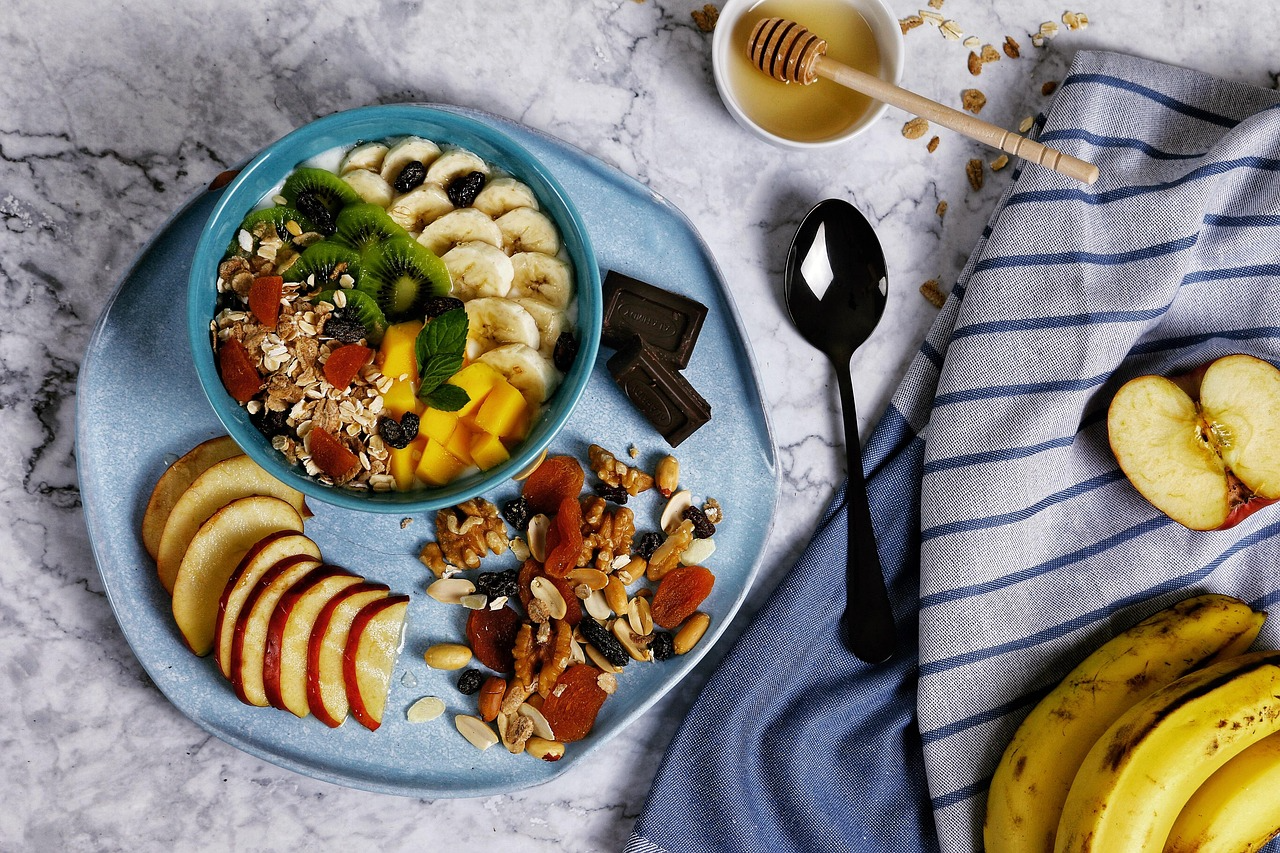
    One of them was “cereal,” and it’s perfect in nearly every way. It takes only minutes to prepare. It doesn’t require cooking or much clean-up. It’s inexpensive. It’s sure to please kids. It’s also a great way to get kids involved in the kitchen – they can get excited about handing you the ingredients and putting them away when you’re done with them. 

    Dad’s cereal is versatile. You can vary it according to what you have on hand, and you can alter it to fit into any nutritional goals or dietary requirements that you may have. Since you assemble each person’s bowl separately, you can make it according to each person’s preferences to please each child and adult at home. 

    Here are some tried-and-true variations.

    • Any fresh or frozen fruit works instead of the banana, or in addition to it. Mango chunks, strawberry slices, blueberries, and pineapple chunks are all great. If you’re using frozen fruit, check for unsweetened versions to avoid added sugars. 
    • Any type of nuts works well. You can also use chopped peanuts. If you have nothing on hand but peanut butter, add in a tablespoon or so. 
    • For kids especially, add a treat or two, like a drizzle of honey. A little bit goes a long way. A few mini chocolate chips, a maraschino cherry, or 1-2 teaspoons of rainbow sprinkles can make the cereal seem extra special, too. 
    • Swap any dried fruit for raisins. Sliced dates are an especially sweet addition – just 1-2 dates can add a lot of sweetness. 
    • If you’re trying to reduce carbs, try having just ½ a banana and a smaller portion of oats. Your bowl will still be satisfying! 

    And finally – no milk on hand? No problem! Once or twice, when we’d made the cereal and were ready to pour in the milk, we realized we were out of milk at home. The solution was juice. Really – it worked fine!

    A Healthy, Balanced Breakfast (Or Late-Night Snack!)

    Finally, it’s healthy. The original recipe has 0 grams of added sugars. It’s high in fiber and protein, and low in saturated fat. It has whole grains, fruit, reduced-fat dairy, and nuts. It’s a balanced meal in a bowl that everyone can love. 

    Here are the calories and nutrient highlights.

    • 460 calories
    • 10 grams of fat
    • 16 grams of protein
    • 82 grams of carbohydrates
    • 2 grams of saturated fat
    • 13 grams of fiber

    But I wasn’t thinking about healthy fats, protein, fiber, and calcium at that time. I was thinking about how good the cereal was – and how much it was tied to my dad. Like any normal kid, I sometimes wandered out of my room after bedtime to tell my dad that I couldn’t sleep. Sometimes, he’d be at the dining room table, talking with my mom after her work day, and eating a bowl of his cereal. 

    From “Dad’s” Cereal to “Grandpa’s” Cereal

    I grew up (in age, if not in maturity) and moved out, and haven’t had Dad’s cereal in decades. But as “Dad” became “Grandpa,” and my son is now old enough to enjoy it, my dad has started making it again – for my son. The basic recipe is the same, and my son now understands what his mother means when she says, “Grandpa’s cereal.” He loves it, too. 

    How to Make My Dad’s Cereal

    Get ready to be underwhelmed: making cereal couldn’t be much easier. Here are the ingredients in the basic recipe. He never measured them, but I will give you approximate quantities. If you use these ingredients in these amounts, your bowl of cereal will have the calories and nutrients listed above. 

    ½ cup of rolled oats: Oats are a whole grain, and they’re delicious plain or with other foods. If you love oats but don’t like cleaning the pot after making oatmeal, this may be your new go-to.

    2 tablespoons of wheat bran: Wheat bran is very high in fiber. Make sure you soak it in milk (or juice) before serving it so nobody risks choking on it, since it can be dry. 

    2 tablespoons of raisins: They add sweetness and chewiness, as well as fiber, iron, and potassium. If you don’t have raisins, use another type of dried fruit or some extra fresh fruit. 

    2 tablespoons of sliced almonds: A source of heart-healthy fats, plant-based protein, and fiber, almonds add crunch and a light earthiness. Any kind of nuts is fine. 

    1 small sliced banana: Bananas just go well in cereal! Riper bananas are sweeter, while less-ripe bananas are higher in resistant starch, which acts like fiber. 

    ¾ cup of skim milk: Just pour it over the top to soak the ingredients. For fewer calories (but less protein), almond milk is a good substitute. 

    To make your cereal, just add the oats to the bowl, followed by the bran and other ingredients. Pour the milk over it, and serve!

    Dad’s Cereal Is a Real-World Nutritional Strategy!

    Real life means keeping things simple and going with the flow. That’s just what you can do with Dad’s cereal. Use inexpensive ingredients that you already have on hand, and vary them as needed to suit every taste and meet every need in your household. 

    There’s nothing wrong with boxed cereals if you choose wisely, but this can be another option that helps prevent boredom and feels like a treat even though it’s nutritious. 

    For more tips and to chat about how you might add real-life, nutritious meals to your busy and hectic life, let’s talk! 

  • Make It Count: Turn Daily Life into Healthy Family Time This Spring Break

    Make It Count: Turn Daily Life into Healthy Family Time This Spring Break

    Spring break may mean a family vacation for some, but for many parents, having kids home from school for a week or two is challenging. You’re suddenly responsible for full-time child care, including safety, entertainment, and health. At the same time, you may be working your regular schedule while trying to meet your own physical and mental health needs. 

    The good news is that even without a family trip or elaborate plans, you can meet everyone’s needs during spring break. It may not be the “perfect” spring break of your dreams, but it can stll be a “great” spring break that brings your whole family together. 

    Common Concerns for Parents

    What could go wrong when kids are home without teachers, assignments, and friends? Here are some common worries for parents about their kids. 

    • Loss of academic progress or falling behind at school
    • Kids feeling lonely without their friends
    • Screen time and lack of physical activity
    • Snacking on unhealthy foods

    And here are some common challenges for parents. 

    • Juggling work and childcare
    • Staying active and eating healthy
    • Maintaining a schedule that allows for enough sleep

    These are real concerns and challenges, but there are strategies you can use to address them. It’s about making each minute count. 

    Turn Meals and Meal Prep into “Family Time”

    You’re already spending time grocery shopping, preparing food, and eating it. Why not use that time to bond with your kids, too? 

    Instead of trying to sneak in a trip to the supermarket while the kids are at an activity or someone else is watching them, take your kids with you to the store. The first trip may take longer than usual, but allow time for it. Later trips will be faster as your kids get used to the routine. 

    Remember to tell your kids the rules before you go in. Common rules are, “no touching,” and “you can only ask for something once; a ‘no’ is a ‘no.’” If they break the rules, it’s okay to leave the store without purchasing anything. The kids are sure to learn the lesson when they realize that you arrived home without their favorite snacks, cereal, and fruit. 

    When prepping meals, invite your kids to help. It does take longer than making a meal yourself, but you can allow for the extra time. Or, find tasks that they can do that are on the side, say, setting the table or grating cheese for a topping while you make the rest of dinner.

    You don’t have to pressure your kids to help if they don’t want to. Sometimes, they just want company. Let them color, play with their stuffed animals, or count baseball cards on the kitchen floor as you cook and clean. They may want to talk to you, or they may simply enjoy being near you and knowing that you’re available to listen if they want to say something. 

    It’s easy to create lasting memories – try breakfast for dinner with whole-grain pancakes and fresh fruit!

    When you sit down, make it a pleasant atmosphere. Check our recent post for tips on getting the most out of family meals. Hints: interact with your kids, put your phone down, and smile.

    Low-Effort Ways to Make Meal-Time Special

    You’re already serving meals. With a small twist, you can make them seem special and create happy family memories. Here are some ideas.

    With a little bit of effort and a lot of love, lunch can be healthy for the soul and body.
    • Have a picnic at a nearby park.
    • Try breakfast for dinner.
    • Have a themed meal like “camping” (veggie hot dogs on whole grain buns, and s’mores for dessert)
    • Set up a picnic blanket in a room of your home that’s not usually for eating, and eat there. 
    • Have dinner by candlelight and invite your kids’ stuffed animals for story time afterwards. 

    Keep Active While Keeping the Peace

    Keeping everyone active can involve juggling, but it doesn’t need to involve fighting. When you make outdoor time feel natural, it can be easy to stay fit and keep kids active. For example, remember that picnic in a park? Take a ball, some sand toys, or the jogging stroller, and stay in the park for a while before coming back home. 

    You can also tie active time to errands. Walk, stroller, scooter, or bike to supermarkets, the library, or the pharmacy.

    Minor bribes can work, too! For example, walk to:

    • A nearby coffee shop for some tea and a whole-grain bagel with cream cheese to split
    • A farmer’s market for juicy strawberries or sweet peas
    • A neighborhood joint for a brown rice and veggie teriyaki bowl or chicken tacos

    If necessary, make up errands, like mailing a letter from the post office instead of from your home, to get outside. 

    Strategically Balance Work with Family Time

    The toughest part for many parents is getting work done while spending enough time with family. It’s not just a question of feeling guilty, though that can feel bad enough. For many parents, working for hours at a time during vacation can lead to hard evenings with cranky children. They’re just asking for attention.

    If you can give them attention throughout the day while sneaking in some work time, you might be able to reduce the amount of crankiness you need to deal with later on. It can help to alternate play time with work time. 

    For example, bring your laptop to the park and play for 30 minutes before working for 30 minutes, even at the side of a sandbox. Or, do some workbook pages, or draw a few pictures, with your kids at home before leaving them to continue right next to you as you get to work. 

    Let them know you’re available to listen if needed, but that you’re working on something. It can also help to let them know when the next time they can expect your undivided attention is – possibly in 30 minutes, or at the next meal, or when it’s time to walk to the mailbox.

    The Bottom Line

    There’s no question that parenting during breaks from school is different than when school is in session, but it can be a positive experience. Plan ahead so you have plans for what to eat, how to prepare it, when you can involve your kids, and how to get everyone active. Plus, think about when you can work and how to do it strategically so you still get time with your kids. 

    Remember that it may be challenging, but it doesn’t have to be perfect. You can stay healthy, build bonds, and become a stronger and more confident parent each time. 

    I can support your goal to live healthy in real life. Schedule with me, and let’s chat about simple, everyday ways to support a healthy family and a healthy you!

  • Benefits of Family Meals – and How You Can Get More Nutrients with Less Hassle

    What comes to mind when you think of family meals? The idealized image may include seven dinners a week together, smiling children with clean hands, relaxed parents who are fully focused on the family, and home made, balanced meals that everyone shares. 

    For most families, the reality is different. By dinner time, kids and parents may be tired and cranky. Meals may be home made, from boxes, or take out. And these days, it’s common for kids to have activities during dinner time, so seven family dinners a week may be out of the question. 

    Family meals actually have benefits for mental and physical health – and the good news is, even the busiest of families can get benefits. Let go of preconceived notions and pressure for things to be perfect, and your family, too, can have more nutrients with less hassle. 

    Why Family Meals Matter

    Yes, family meals matter! A variety of research shows that families who eat meals together regularly tend to enjoy certain benefits. Here are some examples. 

    Nutrition – When you sit down to a meal together, you’re more likely to enjoy balanced meals. Kids and parents who regularly have family meals are more likely to eat more vegetables and fruits on a daily basis – and that’s linked to better weight control and lower health risks now and in the future.  

    The simple process of preparing food and serving it at the table makes it easier to naturally get more nutrition. Compare a sit-down dinner with the family to kids and parents taking smaller snacks on their way to the tv, activities, or their bedrooms. Portable, quick snacks are likely to be high in starch, sodium, and fat – think chips, cookies, sugary granola bars, and crackers. 

    On the other hand, a meal at the table might have some chicken or other protein and a few vegetables. Plus, family meals give kids a chance to try new foods in a safe environment, and it lets kids watch their parents eat healthy foods. 

    Let kids be as involved as they want. They’ll be more likely to eat the delicious foods you’ve prepared for them!

    Go here for easy, kid-friendly dinners that have protein and fiber!

    Improved Emotional and Social Skills – What happens when kids have the chance to sit at the table with their families? They get the chance to improve skills like listening, talking, and being pleasant. Kids may learn to share about their days and to listen to their parents having grown-up conversations. They can also learn skills for resolving conflicts in positive ways, since there are sure to be disagreements during family dinners. 

    As a parent, you can be sure to establish ground rules at the table, like being polite, listening to others, and being honest without being disrespectful. 

    Check out more tips for a positive family environment to support connections!

    Better Behavior – Are you hoping to set your children up for better behavior now and throughout their childhood? Try family meals! This investment in your kids may have major returns, as children who have family meals are less like to abuse substances and have other risky behaviors. 

    Family Meals – No Pressure Needed!

    There’s no need to put pressure on yourself when it comes to family meals. Consider these realities!

    “Idealized” VisionBeneficial Reality
    Daily family dinnersFamily dinners on predictable days at predictable times, even if not 7 days a week
    Gourmet meals cooked from scratchSimple meals from scratch or using meal helpers or occasional takeout items like pizza
    Formal and neatWelcoming and informal – mismatched plates, hugs, and well-used napkins all welcome!
    Nutritionally perfectFoods from a variety of food groups, including protein and some vegetables

    Make family dinners work for your family! The benefits can still come, even if your family is different from another family.

    Tips to Make Family Meals Happen in Real Life

    Ready to make family meals work for you? You can do it! The tricks are to keep them simple, be flexible, and make them work for your family’s individual situation. 

    Letting kids help can get their “buy-in” to family dinners.

    Establish 2-5 “Anchor Meals” per Week

    If there’s no way you can imagine having seven dinners a week as a family, don’t worry about it. Just choose 2, 3, or more “anchor” dinners per week. These are dinners that you will be able to count on having together every week. 

    For example, you might find that Tuesdays and Sundays, your family members are all available at dinner time to eat together. Then Tuesdays and Sundays will be your “anchor dinners,” and there’s no need to worry about additional family dinners. 

    Let your family members know which days are family dinner days. It’ll let them look forward to them and put in requests for their favorite foods.

    Make a List of Simple, Repeatable Nutritious Meals

    It’s easier to get a meal on the table when you know what you’re going to make and you have the time and ingredients to make it. Make a list of simple, repeatable, nutritious meals that you can easily make for family dinners. 

    Here are some examples. 

    • Whole-grain spaghetti with marinara sauce, parmesan cheese, a side of peas, and a side salad for grown-ups
    • Tacos with whole-grain corn shells or whole-grain flour tortillas, chicken or beans, corn, grilled vegetables or chopped lettuce and tomatoes, and salsa
    • Baked chicken or fish with baked sweet potato and zucchini fries

    Check here for family-friendly dinner ideas with whole grains.

    It’s okay if you don’t cook every meal from scratch. Focus on family connections even if the meal isn’t the healthiest

    Involve Kids Naturally

    Let kids help. They’ll take ownership of it, leading to pride in themselves and better behavior at the table. Ask them to do age-appropriate tasks, and help them as needed to make it smooth. The goals are to involve them in household chores and to spend time together, not to punish or challenge them. 

    Here are ways kids can help. 

    • Set the table. If your children are younger, place plates and silverware on the table, and let your children distribute them at each place setting.
    • Clear the table. Younger children can take silverware or trash like dirty napkins. 
    • Stirring and mixing. It may be a littler slower than doing it yourself, but it’s worth the extra few minutes. 
    • Collecting devices. Before dinner, have children be the “device police,” making sure that nobody’s device is active at the table.
    • Manage moods. Kids love to monitor other people. Let them point out if anyone is in a bad mood or acts angry. It’ll help you and them stay positive. 

    Family Meals and Healthy Living

    Families can be healthy without being picture-perfect. You can support your family’s health every time you do something that seems little, like adding a piece of fruit, giving an extra hug, or setting aside time to sit down and enjoy a meal together. 

    When you’re ready to make healthy changes for weight loss and better living, schedule a session with me! We can work together to create a plan that keeps you enjoying what you love, while improving your healthy habits.

  • 6 Nutritious Spring Break Lunches for Kids: Easy for You, Fun for Them

    6 Nutritious Spring Break Lunches for Kids: Easy for You, Fun for Them

    Parents know that when kids are home from school, there’s a lot to juggle. Parents need to make sure kids are entertained and active every day, and working parents need to take time off or figure out how to get their work done when kids aren’t in the classroom. In addition, there are lunchtimes.

    Most of the year, kids eat lunch at school. They may get school lunch, or you may send them with a lunch. But spring break is different. In many cases, you get to eat with your kids, meaning you get to enjoy an extra family meal each day. There’s also the opportunity to try different lunches. There’s no shame in sending the same PB and J or turkey sandwich and a cup of apple sauce to school with your child every day, but you can try different meals. 

    Making a variety of lunches, and making them healthy and kid-friendly, doesn’t mean you need to spend your whole spring break cooking. Instead, turn familiar kitchen staples into nutritious meals in minutes. These tricks can give a good amount of fiber and protein in minutes, while yielding meals that both you and your kids can love. Here are some ways to make packaged meals work for your family.

    Chicken Noodle Soup: Hearty, Filling Lunch Bowl

    The base: Canned chicken noodle soup

    The upgrades: For protein, add 1-2 ounces of leftover cooked, diced chicken or ¼-½ cup of canned beans (like black beans or garbanzo beans) per serving of soup. For vegetables, add ¼-½ cup of frozen or cooked vegetables per serving of soup. Mixed vegetables, broccoli florets, diced carrots with peas, and spinach leaves all work well.

    Bonus nutritional boost: For calcium, let kids top their soup with parmesan cheese.

    Extra tip: If you’re cutting back on sodium, serve the kids regular canned soup, and make your own soup from low-sodium broth, chicken, and vegetables.  

    Frozen Cheese Pizza: Balanced Pizza Plate

    The base: Frozen cheese pizza

    PIzza; the new health food? Give it a try!

    The upgrades: Before baking the pizza, add colorful vegetables like bell peppers, mushrooms, and zucchini slices. When the pizza is baked, slice it into strips. Serve the strips on a plate with a bowl of marinara sauce for dipping. The lunch will have protein and calcium from cheese, and fiber and antioxidants from vegetables. 

    Bonus nutritional boost: For a side, serve with grapes or other fresh fruit for more fiber, potassium, and antioxidants. 

    Extra tip: Turn this into a “build-your-own pizza” lunch. Kids add toppings, you bake—it doubles as an activity. Let kids choose their own vegetable toppings. When they choose their ingredients,

    3. Instant Ramen: Upgraded Noodle Bowl

    The base: Instant ramen noodles

    The upgrades: For protein, boil some small shrimp in the broth until they’re cooked and pink. Another protein source is an egg; just crack it into the very hot broth and let it cook. For vegetables, stir in spinach or peas. 

    Bonus nutritional boost: Use just half the seasoning packet, or let the kids add their own. Most kids have strong taste buds and don’t need so much salty seasoning. 

    Dress up your noodles in nutritious clothing. It helps!

    Extra tip: Try using whole-grain thin spaghetti or whole-grain angel hair pasta instead of ramen noodles. They have extra fiber and less sodium and added oils than ramen noodles. For fun, serve the ramen with chopsticks or a fork along with a spoon. 

    PB and J: Power PB and J Plate

    The base: Frozen peanut butter and jelly or peanut butter and honey sandwich.

    The upgrades: Slice the sandwich into strips. Serve them on a plate with apple slices or grapes, cubes of low-fat mozzarella or cheddar cheese, and baby carrots or bell pepper strips. 

    Bonus nutritional boost: Make your own peanut butter sandwich on whole-wheat bread using banana slices instead of jelly to reduce added sugars and add fiber. 

    Extra tip: For a spring break twist, swap the PB and J sandwich for whole-grain crackers and peanut butter. More finger foods can feel more fun. 

    Canned Ravioli: Veggie-Boosted Pasta Bowl

    The base: Canned ravioli or other pasta

    The upgrades: For a serving of vegetables, stir in heated, cooked vegetables like diced broccoli florets or carrots. Peas, canned tomatoes, and diced zucchini can also be kid favorites. 

    Bonus nutritional boost: Serve with parmesan cheese for extra calcium and protein. For a sweet contrast, offer fresh fruit on the side. 

    Extra tip: For picky kids, try stirring in pureed pumpkin or extra tomato paste. They may get in extra vegetables without realizing it.

    Bagel and Cream Cheese: Balanced Bagel Plate

    The base: Bagel and cream cheese

    Add vegetables or fruit to your bagel for a delicious meal!

    The upgrades: Top the cream cheese with blueberries or halved grape tomatoes. Kids who like bagels and cream cheese plain can have their fruit and vegetables on the side. For protein, serve the bagels and cream cheese with smoked salmon or a hard-boiled egg.

    Bonus nutritional boost: Opt for whole-grain bagels for more fiber. If you’re looking to reduce saturated fat and add protein, choose low-fat cottage cheese instead of cream cheese to spread on your bagel. 

    Extra tip: If you’re picking up bagels from a bakery, consider stopping on the way home for a picnic. Bagels and cream cheese travel well, and you can pack the other ingredients, too. Bring a ball to the park so everyone can play after lunch!

    Spring time is for outdoors time. Enjoy!

    The Bottom Line

    Packaged foods may get a bad rap, but they can actually help many people eat healthier if you prepare them in healthier ways. Plus, since they’re so easy to prepare, they can help you enjoy more family meals, which have their own physical and mental health benefits. Just add 1-2 healthy components like lean protein and vegetables, and enjoy!

    If you’re feeling stuck on how to make meals work for your family or you’re looking for personalized, realistic strategies that work for real, busy people, I can help.

  • 6 Top Family Dinners – Made Healthier Without Complicated Recipes

    6 Top Family Dinners – Made Healthier Without Complicated Recipes

    Many parents want to cook healthy for themselves and their children, but that can be challenging. Kids can be picky eaters, and parents may worry that it’ll take time or gourmet cooking skills to get a healthy meal on the table. For ideas, check out whole grain dinners, breakfast for dinner, and kid-friendly dinners. And keep reading right here!

    But in reality, it can be simple to prepare healthy meals that kids accept. Just start with your typical rotation of kid-friendly foods, whether it’s chicken nuggets, mac and cheese, or baked spaghetti. Then swap and add to increase the nutrient content while keeping the fun and flavor in the dish. 

    The result can be a set of simple meals that please and fuel the whole family. These small changes help support steady energy, fullness, and overall nutrition, without taking much effort on your part or turning mealtimes into battles. 

    Below are seven familiar dinners with simple upgrades that keep meals easy and family-friendly.

    1. Easy Baked Chicken Nuggets With Yellow Corn and Green Broccoli

    Chicken nuggets are a weeknight staple in many homes, since kids love them and they take only minutes to prepare from frozen. With a few simple changes, you can turn chicken nuggets into a meal you feel proud to serve. 

    Use whole-grain breading, bake the nuggets instead of frying them, and serve them with yellow corn – a familiar and favorite side for kids – and their choice of vegetable, such as broccoli florets or green beans. Fresh or frozen chicken tenderloins are skinless, easy to handle, and lean.

    Chicken nuggets – the ultimate finger food made healthy!

    Approximate nutrition per serving: 420 calories, 28g protein, 5g fiber

    What’s in it:

    3–4 baked chicken nuggets (from chicken tenderloins)

    ½ cup of corn

    Steamed broccoli florets, fresh grape tomatoes, or any other non-starchy vegetable

    Optional: ketchup, marinara, or BBQ sauce for dipping

    How to make it:

    1. Preheat oven to 400°F. Grease a cooking sheet with cooking spray.

    2. Cut the chicken tenderloins into nugget-size pieces, or leave them as is for “chicken fingers.”

    3. Dip chicken in beaten egg or egg white.

    4. Coat in rolled or instant oats or whole-wheat breadcrumbs with a pinch of salt and garlic powder.

    5. Place on the baking sheet and bake for 12–15 minutes until cooked through.

    6. Serve nuggets with corn and vegetables on the side.

    Family tip:

    Serve the nuggets and sides separately on the plate. Kids love eating nuggets with their fingers, and they usually like foods separate. Try serving a dip in a small bowl to make it easier. Kids may enjoy helping you dip the chicken in egg white and breadcrumbs – just make sure you wash their hands well!

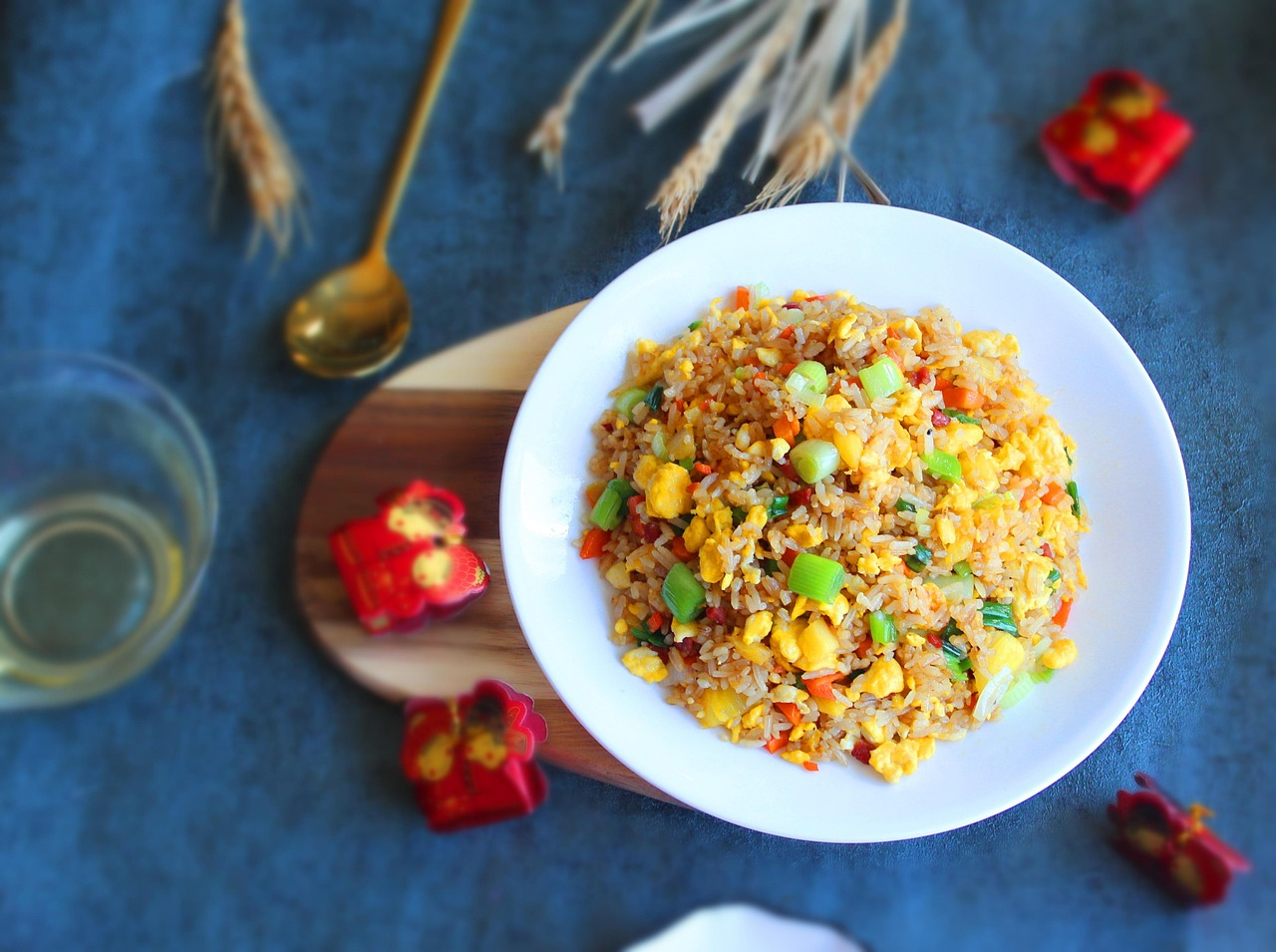
    2. Brown Rice Fried Rice With Egg

    Many kids love grain, and fried rice is an easy dish for parents to prepare. It uses leftover rice, fresh, frozen, or leftover vegetables, eggs, and fresh or leftover chicken or other protein. With brown rice, lean proteins, and extra vegetables, this dish can be more nutritious than what you might order in a restaurant. 

    No need to order in – make your own feel-good fried rice! Optional: pineapple chunks for natural sweetness.

    Approximate nutrition per serving: 400 calories, 18g protein, 5 g fiber

    What’s in it (per serving):

    • ¾ cup cooked brown rice
    • 1 egg
    • (Optional) 2-3 ounces of cooked protein like salmon, chicken, or tofu in small pieces.
    • ½ cup frozen mixed vegetables
    • Soy sauce or teriyaki sauce

    How to make it:

    1. Heat 1-2 teaspoons of sesame, canola, olive, or other vegetable oil in a skillet, or use cooking spray.

    2. Add vegetables and cook until warmed through.

    3. Push veggies to the side and scramble the egg.

    4. Stir in cooked rice and additional protein if using, and add soy sauce or teriyaki sauce.

    Family tip:

    If mixed vegetables feel overwhelming, start with just peas, carrots, or corn, and add others gradually. Parents can serve their own rice with additional vegetables. 

    3. Whole-Wheat Spaghetti With Meat Sauce

    Spaghetti with meat sauce is a basic food for many families! With just a few swaps, it can also be one of the most balanced, simple meals possible. Whole-grain pasta can be a good introduction to whole grains because it tastes similar to white pasta. Use turkey instead of beef in the meat sauce, and add any vegetables you can to the sauce – sliced mushrooms, chopped carrots, or pureed pumpkin are favorites. 

    Spaghetti and meat sauce is a perennial favorite – add nutrients and enjoy!

    Approximate nutrition per serving: 450 calories, 24g protein, 8g fiber

    What’s in it (per serving):

    • 1 cup cooked whole-wheat spaghetti (2 ounces dry)
    • Lean ground turkey, vegetable/soy protein, or lentils
    • Canned or jarred pasta sauce (marinara, mushroom, or similar)
    • Parmesan cheese

    How to make it:

    1. Cook pasta according to package directions.

    2. Brown ground turkey or prepare the vegetable protein or lentils.

    3. Stir in the marinara sauce and simmer for 5 minutes to heat thoroughly.

    4. Serve sauce over pasta and top with parmesan.

    Family tip:

    Let kids add their own parmesan cheese. It’s fun! Parents who are looking for a lower-carbohydrate meal can keep pasta to ½ cup or use spiralized zucchini or spaghetti squash instead of pasta. 

    4. Healthier Baked Penne

    Baked penne is a comfort food, but it can be a healthy choice! Use whole-grain pasta in whatever shape your kids want – penne, spaghetti, or elbows. Low-fat cottage cheese and low-fat mozzarella cheese add flavor, protein, and calcium. For more vegetables, be generous with the marinara sauce, and consider adding fresh chopped or canned diced tomatoes or any other vegetables. Add cooked chicken breast or lean ground turkey if desired. 

    Approximate nutrition per serving (without extra chicken or turkey): 350 calories, 15g protein, 7g fiber

    What’s in it (for 4 servings):

    8 ounces (4 cups cooked) whole-wheat pasta

    2-3 cups of marinara sauce

    2 cups of low-fat cottage cheese or ricotta

    ½-1 cup (2-4 ounces) of low-fat shredded mozzarella cheese

    How to make it:

    1. Cook spaghetti and drain.

    3. Combine pasta, sauce, and cottage cheese in a baking dish.

    4. Top with mozzarella and bake at 375°F for ~20 minutes.

    Family tip:

    Stir in finely chopped spinach or mushrooms. They disappear into the sauce.

    5. Easy Whole-Grain Mac and Cheese With Veggies

    What kid doesn’t love mac and cheese? Don’t worry about making it from scratch. With this simple recipe, you don’t need to make a roux or flour-based sauce. Just melt low-fat cheese into milk and add it to the pasta for a melty, creamy dish. Stir in disappearing vegetables like pureed squash, or add favorite vegetables like sliced zucchini, cauliflower florets, or cooked diced carrots. 

    Mac and cheese can be as healthy as you want it to be!

    Approximate nutrition per serving: 360 calories, 17 protein, 6g fiber

    What’s in it (per 4 servings)

    4 cups cooked whole-grain elbow pasta (8 ounces dry)

    1 ½ cups (6 ounces) shredded low-fat cheddar, mozzarella, or Mexican blend cheese

    ¾ cup skim milk or milk substitute, or use the cooking water from the elbows

    2-4 cups of vegetables

    How to make it:

    1. Cook whole-grain elbow pasta according to package directions.

    2. Drain and return pasta to the warm pot.

    3. Stir in milk and shredded cheese until melted and creamy.

    4. Mix in cooked vegetables

    5. Add salt and pepper to taste

    Family tip:

    Let your kids help if they want. It’s fun to melt cheese and stir it into pasta.

    6. Lighter Tuna Noodle Casserole

    This classic comfort meal becomes a balanced meal in a pan with whole-grain noodles, protein-packed tuna, and extra vegetables.

    Approximate nutrition per serving: 350 calories, 25g protein, 6g fiber

    What’s in it (4 servings):

    4 cups cooked whole-grain noodles (8 ounces dry)

    2 5-ounce cans of tuna, drained

    2 cups of frozen peas

    1-2 cups of sauteed onions, mushrooms, and/or celery

    1 can of low-fat cream of mushroom soup

    How to make it:

    1. Cook noodles according to package directions.

    2. Mix noodles, tuna, vegetables, and sauce in a baking dish.

    3. Top with breadcrumbs if desired.

    4. Bake at 375°F for ~20 minutes.

    Family tip:

    If casseroles feel too mixed for some kids, serve the components separately the first few times. If you can’t get your kids to love tuna, make the casserole with chicken or lean ground turkey.

    Small Changes Add Up

    Healthy family meals can be simple, affordable, and enjoyable. It can be as easy as taking your favorite meals and making nutritious swaps and additions. The result can be meals that are kid-friendly and a source of vegetables, protein, and other nutrients. 

    If you’re looking for more support creating healthy and realistic meals for your household – or support for your own health and weight management – please sign up for nutritional counseling. We can work towards your goals, your way!

  • The Habit That Builds Healthy Families Now and Forever – It’s Not Diet or Exercise

    The Habit That Builds Healthy Families Now and Forever – It’s Not Diet or Exercise

    We’ve been talking about ways to add in healthy behaviors during routine days of late winter. In case you missed them, check our tips for establishing healthy eating patterns and exercise routines for the family, as well as supporting sleep, energy, and mental health for kids and parents in a positive environment. 

    There’s another area to focus on when thinking about laying the groundwork for a strong and healthy family now and forever. It’s connection. Being in a family is a privilege. By recognizing and celebrating joy in routine interactions, you can create an environment where kids and adults can feel safe, support each other, and find more happiness in everyday moments. Here’s how to strengthen family connections, build trust, and fortify your family now and in years to come.

    Greetings and Farewells Set the Tone

    How you greet someone makes all the difference. A friendly greeting says that you are happy to be in the presence of that person. It signals that they’re your priority. You’re there for them. Additionally, your day just got better because you’re with them. 

    If you’re not sure how to show that you’re thrilled to start the day or be reunited with your kids, consider these simple signs. 

    • Use their name when you say hi.
    • Make eye contact.
    • Smile.
    • Give a big wave, high-five, or hug.

    Simple? Yes. Life-changing? Potentially. 

    A proper greeting is appropriate when you say good morning and pick them up from school and afterschool activities. But it’s also appropriate when they come into the room you’re in. What a wonderful home environment it is when your kids know they’re wanted!

    Ordinary Moments Build Relationships

    Special activities undeniably build lasting memories, but ordinary moments build relationships. Whether you’re actively working together or you’re just in each other’s presence, you can communicate your joy at being together.

    Simple time together is valuable for everyone.
    • Invite your kids to help with a task you’re working on.
    • Start reading out loud or playing a game they like so they can join in.
    • Set them up with an independent task or game so you can work alongside them.

    You can be together, separately, but living life together. You’re giving them the confidence that they can do it, and you’ll be by their side.

    Connect Before Correcting: The 10:1 Rule

    Criticism is hard to take, but it has a significant impact. In fact, people need to hear about 7-10 positive comments to balance out the effects of a single negative comment. That goes for kids, too.

    Kids need to feel secure, loved, and accepted before they’ll respond to suggestions or criticism. That makes it especially important to shower them with positivity throughout the day. If they misbehave, lead with a positive comment. 

    • “Thank you for trying.”
    • “I know that was a tough situation.”
    • “I saw that you felt overwhelmed, and I know you were trying to handle it.”

    Make sure your child feels secure before you try to correct any type of behavior. There’s no point in correcting them if they’re not receptive. They’re incapable of receiving your correction if they’re not perfectly relaxed and confident.

    Take a deep breath, and lead with a positive comment. If nothing comes to mind, a hug works fine. There’s no need to rush the criticism. 

    Longer term, this sets the tone for adolescents to be able to trust you with their more serious concerns. Kids who know their parents accept them and will help them turn into adolescents with that same confidence.

    Protect a Ritual

    Life is unpredictable, busy, and challenging – but you can establish a single ritual that’s dependable and comforting. It could be conversing at dinner, reading together (out loud or side by side) at night, or doing the weekly grocery shopping together. 

    Regular trips to the zoo can be a family tradition that allows for good conversations and lasting memories.

    These rituals become anchor memories. Your children will remember them fondly, and feel a closer connection with you. These rituals can be simple and short. The only requirement is that they occur. 

    Getting Started with Joy in Everyday Interactions

    Assess your current actions and reactions so you know where you can strengthen family connections. Ask yourself:

    • “How do I react when my child walks into the room? What message does that send to my child?”
    • “When was the last time I participated with my child in something that was important to them, even if not to me?”
    • “What can I ask my child to teach me so they feel proud, capable, and valuable to me?”
    Keep games fun and not too serious. The important thing is to spend time together.

    Unlike many health-supporting behaviors – say, eating broccoli or going to boot camp before dawn, family connection is about joy. The goal is to appreciate and enjoy time with your family. It’s that simple, and it’s surprisingly effective at supporting physical and mental health, better behavior, and long-term success through a strong support system. 

    How do you support family connection? What’s something you can do today to foster closeness among your family?

  • A Birthday Celebration with an Old Friend Makes Me Grateful

    A Birthday Celebration with an Old Friend Makes Me Grateful

    We’ve been talking about routine days of mid-winter, and how to add healthy habits in diet and exercise, as well as family life, to those days. Here are some reflections about a weekend excursion that may not have included many nutrients or much exercise, but did focus on a wonderfully healthy social connection with a centenarian.

    A visit was long overdue, and a birthday celebration was the perfect reason to take her out. I can’t tell you which birthday she was celebrating; it might give her identity away. Yes, she’s that old, and she’s someone my son and I both value in our lives. She’s incredibly special, wise, funny, and giving. On a cloudy, mid-winter day, we went out for ice cream. Though the goal was to give her a treat, I am sure that got more out of the outing than I gave her.

    I Met Her and the “Gym Ladies” When She Was 87

    No joke. She was one of the “Gym Ladies.” When I met her, she had been working out with the other gym ladies for nearly 25 years. They are a fabulous bunch of women – interesting, kind, supportive, and wise. They would get on cardio machines next to each other and gab for 30, 60, or more minutes while working out. 

    They welcomed me with open arms. For years, we’d work out and talk together. We became good friends. They were the ones who threw me a baby shower when I was pregnant with my son. I stayed at the gym until it closed for COVID-19, and some of those women remain my closest friends.

    A Special Friendship with a Now-Centenarian

    This particular friend and I really hit it off. We have a lot in common, from political views to upbringing to sense of humor. We laughed our ways through years of workouts, but there was more. She’s insightful and understanding, too. Every time I came to her with a problem, she was able to see the bigger picture and offer some words of advice based on experience.

    I was always impressed by her life skills. She knew how to talk the cable company out of overcharging her, and how to get suspicious charges eliminated from her phone and wifi bills. She knew how to talk to people on the street or on the phone to avoid scams and get what she wanted. She was absolutely not a candidate for being a victim of scams against the elderly! 

    She’s a baby lover. She used to light up whenever she saw a baby or small child. If a parent had to bring a baby into the gym, she’d instantly get off her exercise machine to go to the baby. She couldn’t help it! 

    In fact, she popped into the hospital on the day my son was born. He was 6 hours old, I had gone through 31 hours of labor and a C-section, and she had the idea of dropping in on me that day! She brought another of the gym ladies, and those two have the honor, of course, of being my son’s oldest friends. 

    Centenarians are increasingly common in the U.S. The Census Bureau says that the number of centenarians, or people over 100 years old, increased from 53,364 in 2010 to 80,139 in 2020. That’s a 50% jump, and equivalent to about 2 in 10,000 people. My friend is among the 50% of female centenarians who live on their own. 

    Bringing Out the Best Side of My Son

    My son loves her as much as she loves him. She’s always made her home open to him and let him play with what he likes. He can feel her love, and he respects her. 

    On the Saturday two days before my friend’s birthday, my son and I came to pick her up at her house. He even washed his hands properly beforehand, knowing that he needs to be careful of her health. 

    She can walk just fine. Usually she uses a walker, but she asked my son to help her get to the car instead of using a walker. He rose to the occasion, being the perfect gentleman. Then he closed the door for her, folded the walker, and put it in the trunk. 

    A Casual Celebration to Be Thankful for

    We drove to the store where the ice cream shop was. Since she hadn’t been out for a while, I’d suggested we go to a supermarket where they sold ice cream scoops and had outdoor seating. We wandered around the store and then ordered ice cream – cookies and cream for all. Then we sat outside with the ice cream and chatted.

    Sometimes, health isn’t about the sugar and fat content. It’s about experiences and connections.

    The Secret to Longevity

    What’s the secret to longevity? Every centenarian has their own ideas. Drink wine. Don’t drink wine. Be active. Don’t be active. Eat a raw egg yolk every day. Take your vitamins. Stay away from supplements. Avoid red meat. Eat meat and potatoes. 

    The only things that are certain is that the proper genetics must be there, and no devastating accidents can occur.  

    In other words, there is not one formula for longevity, and especially for healthy aging. Here’s what I observe in my friend, though I can’t prove cause and effect. They may just be coincidences. 

    • Activity – She was a tomboy as a child, a mother of three, and a gym-goer until age 94.
    • Stubbornness – Don’t bother trying to persuade her otherwise if she has an idea about something.
    • Determination – If she was going to do it, she was going to do it. She told me that when she was a little girl, she didn’t tell her mother that she’d broken her ankle because she was afraid she’d get in trouble. She just walked herself to school like she did every morning. 
    • Resilience – She doesn’t let things drag her down. She looks forward. Maybe that came from her , but I suspect a lot of it is within her personality. 
    • Connection – She’s the one who taught me about Family Dinner on Wednesdays (I adopted that idea and my son and my parents and I have Family Lunch on Sundays). Plus, she maintains her friendships with the other Gym Ladies.

    If my son and I can learn anything from her, it may be to stay active, stay interested, and stay connected. The rest, we do the best we can. And, as she says, “Take it one day at a time.”

    Thank you, and Happy Birthday!

  • The Power of Routine: Healthy Family Habits That You Can Start This February

    The Power of Routine: Healthy Family Habits That You Can Start This February

    January may be for big goals and major declarations, but February is for sticking to a routine. And that can be the best possible thing for the health of you and your children. When your schedule is predictable – work is steady, regular school days and nightly homework are the norm, and no major holidays are on the horizon, you have a great opportunity to add healthy behaviors to that routine.

    We already talked about simple ways to improve eating habits and work physical activity into your family’s regular schedule. In this post, we’ll talk about other ways to support physical and mental health, as well as family closeness. With small changes and some awareness, you can improve sleep habits and energy, spend more time together while preserving your own time to relax, build strength and closeness as a family unit, and become more resilient to stress. 

    Sleep: Build and Protect a Strong Foundation

    Sleep is crucial for energy, ability to learn and focus, a good mood, metabolic health, and normalizing hunger. February, when most mornings and evenings have predictable patterns and times, provides the ideal setting for improving sleep habits. If a nightly goal of 9-11 hours for kids and 7-9 hours for parents seems out of reach, focus on what may be even more important for sleep: consistent bed times and wake times.

    These tips can help optimize the value of sleep in your family.

    • Choose realistic lights-out times for kids and for adults. They should ideally be consistent on weekdays and weekends. If they have to vary, make them as close to each other as possible.
    • Let your family use weekends and other days without a required wake time as time to catch up on sleep. 
    • Have a bedtime routine for kids and for parents. Kids and parents might brush teeth and read together before you say good-night to your kids. Later, you might change into nightclothes, stretch, make a to-do list, spend time with your significant other, or do other relaxing activities. The trick is to make them consistent and non-stressful.
    • Turn off devices 30-60 minutes before bedtime. This helps prevent kids from depending on devices to put them to sleep. It helps adults’ brains shut down more easily so it’s easier to fall asleep.
    Kids and adults rely on good sleep to stay happy and healthy

    As always, make sure bedrooms are dark, quiet, and cool, and beds, blankets, and pillows are comfortable. 

    Fostering a Positive Family Culture

    Many workplaces foster a positive culture; consider working for a positive family culture at home. First, identify your goals. They may include these. 

    • Being supportive of each other on good days and bad
    • Making the best of situations as they come up
    • Problem solving rather than giving in
    • Accepting imperfections and embracing alternative solutions

    To support a positive family culture, come up with guidelines as a family. Write or draw them somewhere where everyone can see them. Examples include showing respect, treating others like you value them, and stepping in to help when you see a way that you can. 

    As always, modeling is one of the best ways to get your kids to act the way you want. Praise your children every chance you get. When you make a mistake, admit it and then make amends. Ask if you can help. If something goes wrong, acknowledge it, then decide how you can make it turn out as well as possible. 

    You can also show your love in every way you can, such as leaving notes in lunchboxes or mirrors so your kids know you’re thinking of them, or hugging them when you drop them off and pick them up. Show respect by giving them choices (“Do you want a peanut butter sandwich or English muffin pizza for lunch?”). Let them know you trust them by asking what they learned from their homework rather than if they finished it. If they make a mistake, reassure them that it’ll work out okay, and you’ll help them if they need it. 

    Praise each other and show each other you care to foster a positive family environment

    Remember that for every positive thing you say, kids remember 5-10 negative ones. So, be sure positive parts dramatically outweigh negative ones!

    Stress Reduction and Resilience for Kids, Parents, and Families

    Routine can reduce stress in many ways. Things are predictable, so it’s easier to prepare for them. There’s less effort and angst needed to plan each day. 

    On the other hand, stress can come from other sources in mid-winter. Routines can seem endless and boring. There’s no change day after day, week after week. For kids especially, school can be stressful. Lessons may be tougher, there are fewer days with parties or without homework, and pressure can feel heavier. 

    When you manage stress, it has fewer negative effects. When you build resilience, you’re better able to bounce back from challenging situations. You can take the lead in managing stress and building resilience in your family. 

    Manage stress for yourself in standard ways: being physically active, eating well, sleeping well, deep breathing, and journaling. Try to let go of what you can’t control, and have a friend or family member who lets you phone them if you need support. Take time to yourself each day, even if it’s as little as a one-minute pep talk to yourself before stepping in the door after work. 

    Small silly actions like jumping in puddles can bring joy and reduce negative effects of stress – not to mention teach kids that it’s okay to get dirty!

    Help your kids manage stress by building in down time each day. Support the same healthy habits in them that you maintain for yourself. And, help them name emotions and identify causes and solutions. This helps things be less overwhelming to them.

    Together, practice deep breathing and counting. Talk through emotions, problems, and solutions. This builds the structure for them knowing you’re there for them no matter what, and you’ll get through it together. 

    There’s a lot to a healthy lifestyle, but adding in healthy habits one at a time can be manageable. Mid-winter is an especially good time to focus on health, when other parts of your life may be more predictable and easier to handle. 

    How do you use routine weeks to make your family’s lifestyle healthier?

  • Take Advantage of February’s Predictable Routine to Build Lasting Healthy Habits for Your Family

    Take Advantage of February’s Predictable Routine to Build Lasting Healthy Habits for Your Family

    Most people don’t name February as the most exciting month of the year, but it can be a great opportunity to improve your family’s health. While a consistent day-to-day routine may feel repetitious, it also offers something valuable for healthy intentions: stability. 

    Predictable routines of school, work, and errands can provide the framework you need to add in healthy habits if they’ve been lacking. When daily life is habitual and automatic, it’s easier to layer in small changes that support health. When you take small steps that fit into your repeating schedule, these steps can build on each other for lasting change. Kids and parents can grow used to healthy choices in everyday life. 

    Here’s how you can take advantage of February’s predictable routine to support better nutrition, increased activity, and more healthy habits for kids and parents – without much effort or stress. 

    Let Healthy Foods Live in Your Home

    Keep only healthy foods in your home so that the home becomes a place for healthy eating. Your kids may get junk food from other places, but you can’t control that. What you can control is what you choose to keep in your home. Having healthy foods at home enables you and your kids to eat well, and it teaches your kids what to keep in a kitchen. They’re learning from you!

    Most kids love grapes and strawberries. Offer them instead of chips and cookies for snacks, and your whole family can benefit. (Cut them into tiny pieces to avoid choking hazards)

    When nourishing snacks and meals are readily available, healthy eating becomes natural. Kids can eat when they’re hungry without you needing to try to decide whether they’re physiologically hungry, or whether they’re claiming hunger so that they can get to the chips or ice cream in your home. By keeping chips and ice cream to special occasions, and stocking up on healthy foods, you’re avoiding negotiations over what to eat. As a parent, having healthy foods around, without processed snack foods, lets you avoid temptations that will get in the way of your energy levels and health. 

    Include a Vegetable (Or a Few)

    Eating vegetables helps with weight control, lowers risk for diabetes and heart disease, improves cholesterol and blood pressure levels, and adds to daily fiber counts. Most kids and adults are missing out on these benefits because they’re not achieving daily goals for vegetable consumption. 

    Aim for at least 2-3 cups per day of vegetables. A strategy for adults is to fill up half your plate or bowl with vegetables at each meal. For example, have a large salad with some protein and a starch, half a plate of steamed vegetables with some salmon and brown rice, or eggs cooked with a handful of spinach leaves.

    A hearty casserole with gooey low-fat cheese, whole-grain pasta, and colorful vegetables offers plenty of protein and tons of fiber.

    Kids may need a little more creativity to get their vegetables. They may feel overwhelmed if half their plate is half full with vegetables. It’s good to serve a small serving of vegetables as a side at most meals to normalize vegetables, but you can also try sneaky ways to get vegetables in. Chunky marinara sauce on whole-grain pasta, whole-wheat pancakes with zucchini and onion, and whole-grain macaroni and low-fat cheese sauce with pureed squash and broccoli florets are examples. 

    The more consistently you serve vegetables, the more you will eat, and the more your kids will grow used to them. Go here to read more about how kids fall sadly short on vegetable consumption, and how to get more. 

    Maintain Predictable Meal Patterns

    Kids and adults both thrive on stability. When kids know what to expect, such as when meals and snacks will be served, there are fewer power struggles. For adults, predictable meal patterns lower stress. For both kids and adults, having consistent meal and snack times improve hunger and fullness signals to help with weight control. 

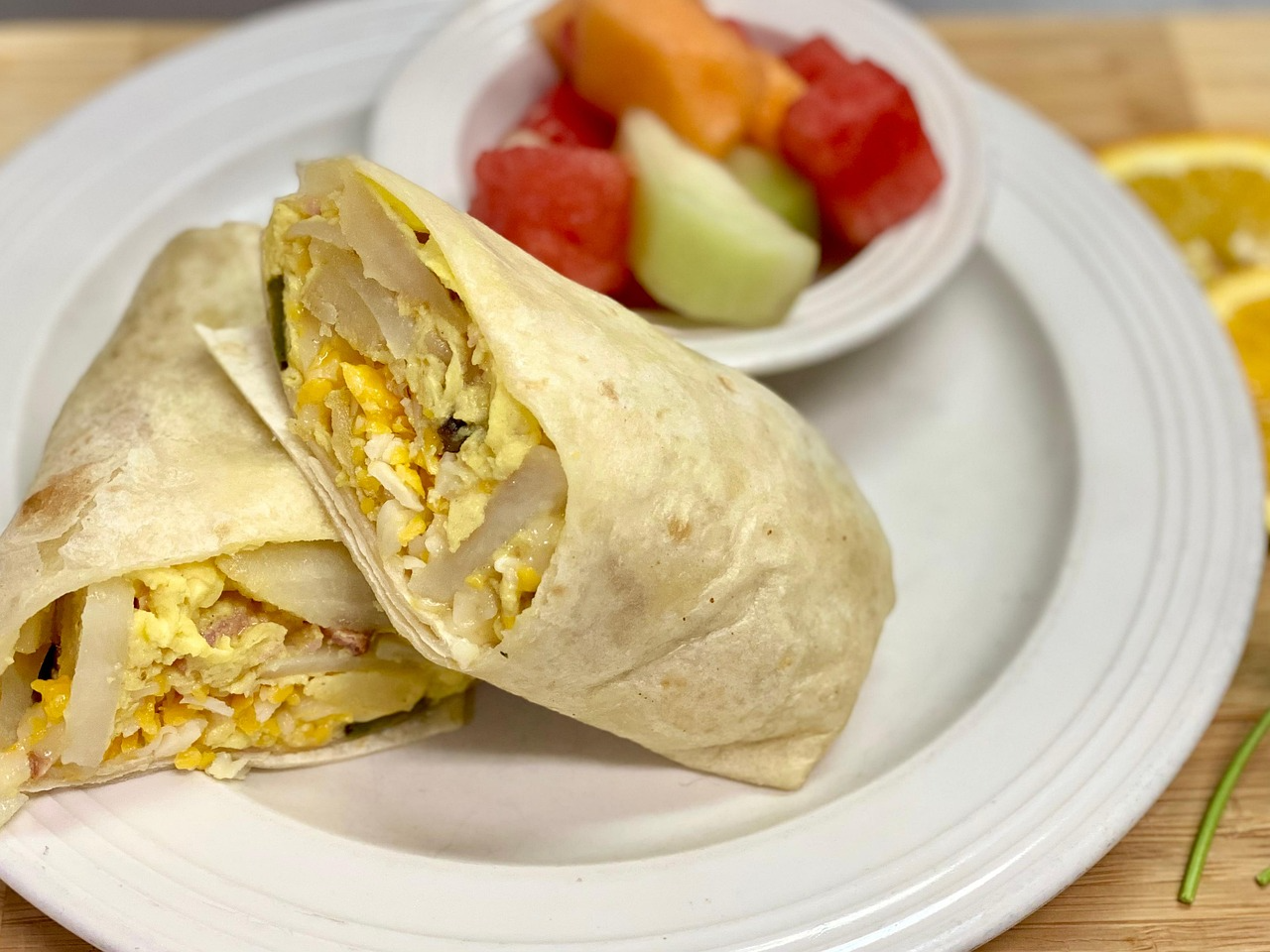
    Make a batch of breakfast burritos and freeze them for busy weekday mornings.

    Ideally, the family sits down together for dinners, and maybe even for breakfasts. That’s not realistic for all families. You may not be able to prioritize every breakfast and dinner as a sit-down family meal, but you can have patterns so kids know what to expect. You might, for example, find that you need to eat sandwiches on the road on Tuesday evenings due to soccer practice, but other nights can include dinners where you sit down as a family. The trick here is to have consistency and show your kids that you prioritize family meals. 

    Have a Backup Plan for Busy Days

    The only thing predictable about life is that it’s unpredictable. Add kids, school, and work into the equation, and there are sure to be days when Plan A goes out the window. Plans B, C, and D may also fall through. 

    On days like this, you may need a fallback plan – and hopefully one that doesn’t involve takeout burgers or pizza delivery for dinner. Make your default backup plan easy, quick, and appealing. In particular, make your backup plan doable no matter what the circumstances are. 

    Keep these foods on hand so you can eat well on busy days

    • Keep frozen vegetables on hand for quick thawing. They’re great for sides and in soups, eggs, casseroles, and stir fry. 
    • Have lean proteins available. Frozen skinless chicken, fish fillets, and veggie burgers make quick dinners. Canned or pouch tuna or salmon, low-fat cottage cheese and yogurt, low-fat cheese, and eggs are simple and quick.
    • Pantry whole grains include oatmeal, brown rice, whole-grain cereal, and whole-wheat pasta. You can also freeze whole-wheat tortillas, English muffins, bagels, and sliced bread. 
    • Other pantry staples are peanut butter, olive oil, canned tomatoes, and spices. 
    Use whole-grain noodles from the pantry, and chicken and vegetables from the freezer, for a balanced stir fry any day.

    A healthy breakfast, lunch or dinner is only moments away with ingredients like this.

    In late winter, while life is as routine as it ever gets, try to add some nutritious habits to your family’s routine. With some consistency and planning, they may stick so your family becomes healthier over the long run. 

    How do you use the quieter days of winter to improve health?