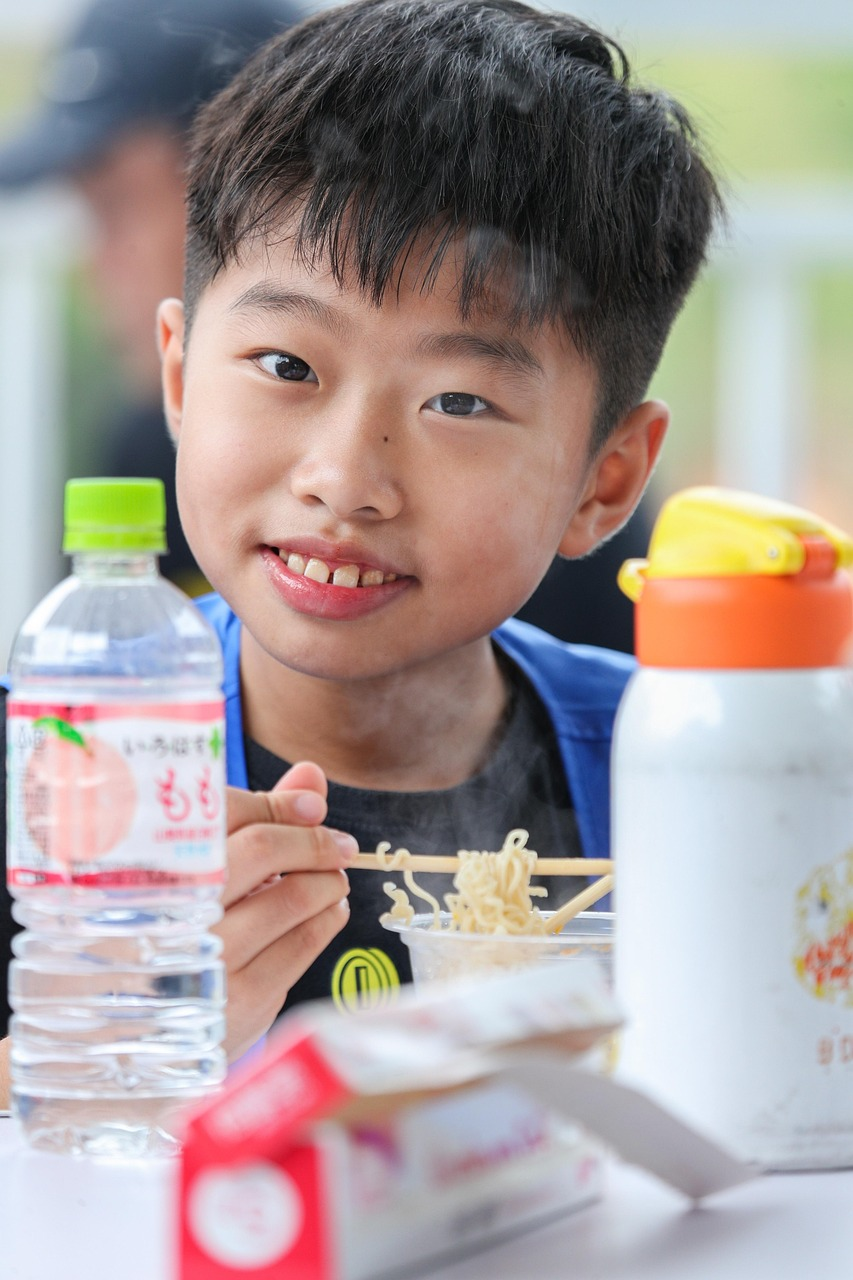
Are any of your kids picky eaters? If you’re a parent of a picky eater, you’re not alone. About 1 in 5 kids in elementary school are picky eaters. But take heart. Picky eating can be frustrating, but it’s not likely to become a health crisis. Plus, there are things you can do to help your child overcome picky eating.
Here’s how I try to get my son, age 8, to eat a variety of foods for a balanced diet while I stay calm. As a nutritionist and single parent, here’s what I use. These tips, backed by expert recommendations and experience.
Spoiler alert: it’s probably going to turn out just fine.

Tip: Have Healthy Foods Nearby
I’ve seen countless parents tell me their children are picky eaters, but I also see them offering their kids junk food. Once I went with my son to his friend’s house for a playdate. The child had been labeled a “picky eater.” There was a tidy kitchen, with a pizza box on the counter. That afternoon, the boys ate from that pizza box, and served themselves ice cream and soda from the freezer and fridge.
I wonder whether the child would be more likely to eat other foods if other foods were more available and appealing than the pizza, soda, and ice cream at that house. What if there were grape tomatoes on the counter, cheese sticks and grapes in the fridge, and peanuts in the pantry? Might the child be more prone to eating those nutritious foods?
Tip: Prioritize Hunger at Meals
I know several children who always seem to be eating when I see them. Their parents tell me that they’re fussy eaters and don’t eat foods like vegetables, fruit, and dairy products.
Kids will eat when they’re hungry. They may appear to be bottomless pits when it comes to snacking, but if they eat too many snacks, their appetite can disappear at mealtimes. That leaves them low on nutrients and variety if their typical snack foods are crackers, chips, and granola bars.
Try to offer more nutritious snacks first, like berries, tangerines, baby carrots, and unsweetened brown rice cakes. If they’re that hungry, they’ll eat. If they’re not that hungry, there’s no need to encourage snacking on sugary or fatty snack foods.
Tip: Keep Portions Small
I’ve made the mistake of serving my son oversized portions. He ends up eating none of what I served him, even if it is something he loves. It turns out that he’s intimidated.

Keep portions small so kids feel that they are manageable. Even if the plate looks underfull to you, it can look more welcoming for kids. Plus, you can always serve more if they want.
Tip: Introduce New Foods Gradually
Keeping portions small is even more important when introducing new foods. Start with an almost imperceptibly small amount. For example, if your child only likes plain white pasta, try mixing in a teaspoon of tomato sauce before serving it. It will be almost impossible to taste. Gradually increase the amount over weeks.
Sticking with the pasta example, you can expand a kid’s love for plain pasta to a tolerance for whole grains. Swap about an eighth of their pasta for whole-wheat pasta. Over the course of weeks, gradually increase this amount.
The point here is for the child to realize that she can tolerate, and maybe even enjoy, the new food.
Tip: Let Your Kids Take Charge
Many kids love having control. It makes sense, since adults make most of the decisions that affect their lives, from when to get up, what clothes are available to them, what they do during the day, and what they can watch on a screen. Give children control of something fun, personal, and important – their food!

The sky isn’t quite the limit (I’m not suggesting that you let them choose an ice cream sundae for dinner with cupcakes for dessert). Try letting your kids work within guidelines that you set. For example, tell them they can choose a vegetable, a fruit, a grain, and a protein for dinner, and see what they come up with.
Here are some examples:
- Whole-grain pasta with marinara sauce, a yogurt, and strawberries
- A whole-grain bagel with peanut butter, raisins, and a V8.
- Plain Cheerios with milk, a banana, and a squeeze pack of fruit-veggie mix.
A variation is to let your children choose from a menu that you provide. The more control they have, the more they are likely to eat what they choose.
Tip: Model How You Want Them to Eat
When you are eating from the pizza box on the counter, what do you think your kids will want? Probably pizza, not a salad. When you go out for Chinese food, are you ordering fried rice, chow mein noodles, and sweet and sour chicken? Or are you opting for chicken with broccoli, mixed vegetable stir fry, and brown rice?
Modeling may be the most important tool we have as parents. It may also be the toughest, since it’s easier to live by, “Do as I say, not as I do.” It may also be slow to get results from modeling. But it’s likely to lead to the longest-lasting effects.
When kids see us eating healthy, kids learn that the people they respect the most – their parents – eat healthy. They learn how to eat healthy, since they see us grocery shopping and preparing foods. They learn what healthy is, since they see us do it. And they learn that healthy is normal.
Do your best to eat a variety of foods, include healthy options at each meal, and try new things. Don’t be afraid to let your kids know if you tried something and hated it. They’ll respect you for trying it, and they’ll know it’s okay to dislike something.
Tip: Be Calm
Kids and dogs have a lot in common. For example, they know when we’re nervous. Don’t let your kids know how badly you want them to eat more or eat a wider variety of foods. They’ll make sure to hold out for junk food instead of caving into whatever healthy food you’re offering. Stay matter of fact, and if they choose to skip a meal, let it go. Unless their doctor is concerned, your kids are probably fine.
If you’re worried, a daily multivitamin and mineral supplement can provide micronutrients like iron, calcium, B vitamins, and more. Ask your pediatrician if you think your children should have one.
How do you get your children to eat a wider variety of nutritious foods?
Leave a Reply