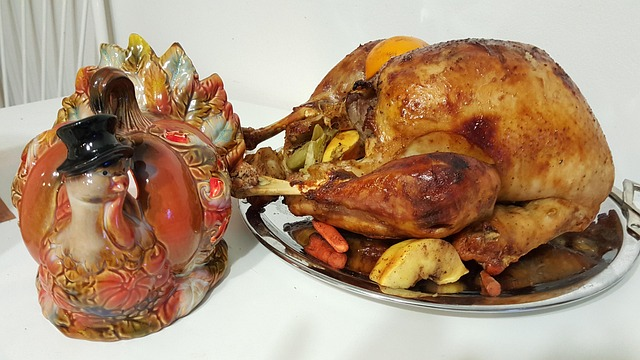
Thanksgiving is one of my favorite holidays. For me and my family, Thanksgiving is a guaranteed success. We know the food will be good and everyone will be relaxed and happy.
Sadly, that’s not the case with many of my friends and other people I talk to. Thanksgiving is stressful for them. There’s pressure for food to be perfect, homes to be cleaned, family to endure, and children to entertain.
There’s a lot you can’t change – like Great-Aunt Mellie letting you know that you ruined Thanksgiving because you put an extra green bean in the green bean casserole and her husband, late Great-Uncle Persie, is rolling over in his grave.
But you can change one thing that can change your entire Thanksgiving reality – your attitude. Start by deciding that you will get what you need from Thanksgiving Day and the rest of the weekend. Then identify what it is that you need or want. Finally, make it happen!
Whether it’s resting quietly, eating good food, hosting a picture-perfect party, maintaining your healthy intentions, or being silly with the kids, you can get what you want from Thanksgiving. Here are tips for making Thanksgiving the perfect blend of gratitude, rest, success, and family time based on what your priorities.
Priority: Feeling Grateful and Positive
Gratitude is a healthy practice year-round, but Thanksgiving is a holiday set aside for it. Start Thanksgiving dinner with the cliche but effective roundtable in which everyone says one or more things they’re grateful for. Saying your own items aloud and hearing others can increase your feelings of gratitude and give you more appreciation both for those things as well as for the people who expressed them.
Here are more ways to practice gratitude.
- Use your senses to notice and appreciate what may seem like small details, such as the scent of roasting turkey and onions, or the sound of children playing with adults.
- Tell people specifically why you’re grateful for them, such as, “Thanks for calling me last week. It made my day to know that you were thinking about me!”
- Remember that there’s nothing too small to appreciate. “I’m grateful for oven bags to make the turkey taste better and the clean-up easier!”
- Make a gratitude list that you add to each night.
Priority: Spending Time with Family
Kids are likely to have a few days off of school. You may have a day or two off of work. If you’ve been wanting some extra family time, Thanksgiving weekend is usually a good time. To clear your schedule to make more of your time available to spend with family, try to do as much work as you can before taking time off, or do some in the evening if needed. Take shortcuts when cooking Thanksgiving dinner so you spend less time in the kitchen and more time with family.
Come up with some ideas for family time. If they involve reservations or tickets – say, to a show or to a museum – make sure you reserve ahead of time if needed, and check the hours, directions, and traffic conditions before you go. It makes for a smoother outing during which you can enjoy each other more rather than worry about logistics.

If you’re like many parents and you’d like to combine down time with family time, be flexible. Consider making a list of possible activities you can do, from reading or crafting at home, to nature walks in the neighborhood, to playing sports in the park. Some families enjoy Black Friday shopping together. This time of year, volunteering is popular, and you might consider checking for family-friendly opportunities at local food banks or other non-profit organizations.
If you’re hosting or contributing to a Thanksgiving meal, combine prep time with family time. Decorate the table centerpiece together, or make simple dishes in the kitchen together. There are age-appropriate tasks for everyone.
It can also be a good idea to create a tradition that’s just for your household, especially if you’re in a single-parent or blended family. Try creating a special dish, or walking a certain route on Thanksgiving. Remember that your new tradition doesn’t have to be an “extra” stressor. For example, if you’re going to someone’s house for the meal, your small family tradition could be to make something together to present to the host.
Priority: Relax and Recover
If your priority is to relax and recover, start off by doing something that seems opposite to that: plan! Set aside “you” time on your calendar so nobody schedules anything over it. Identify what you want to do, whether it’s nap, take a walk, drink coffee, decorate your home for the holidays, or anything else. Ironically, the more you plan, the more effective your relaxation time can be.

Also, take any shortcut you can. Use pre-prepped Thanksgiving dishes like frozen pies and store bought sides. If you’re hosting, consider shortcuts like serving grapes, which are ready to eat, instead of pineapple, which you have to cut. Ask guests to bring specific items or dishes. Be strategic, such as asking them to bring a specialty item that allows you to skip a trip to a particular store for that one item.
When possible, go casual. There’s no need to dress up in your own home or to set the table perfectly at every meal, for example. Relax any to-the-minute expectations about when meals must be served and cleaned up. Relaxing and recovering can be about attitude, too.
Priority: Sticking to Your Healthy Intentions
Living healthy while parenting is often tough enough, but holidays can present more challenges. They can be stressful and busy, leading to less time for exercise, and more likelihood of being low on sleep and making poor decisions. Plus, food on and around holidays is often high-calorie.

Here are some tips for staying on track during the Thanksgiving break.
- Write down specific goals. For example, you might commit to walking for 30 minutes and eating 4 servings of vegetables each day.
- Ensure that healthy food is available by serving or sharing a healthy dish at every holiday gathering. Green salad with dressing and toppings on the side, roasted vegetables, and fresh vegetable and fruit trays are good options.
- Include others as much as possible. For example, walk with your kids to the park to play sports, or walk with them at the mall for a few minutes before shopping.
To keep from feeling deprived, focus on what you can have. Here are some examples.
- Thanksgiving treats on Thanksgiving, and healthy leftovers like skinless turkey the rest of the weekend.
- Watching football on Sunday afternoon with active breaks to stand up every half hour.
- Water, ice water, herbal tea, cinnamon tea, and other low-calorie beverages.
- Balanced plates with colorful vegetables.
Thanksgiving can mean something different to everyone, but you can get exactly what you want from it by prioritizing and planning. What are your plans?
Leave a Reply