If you’re frustrated that your picky eater won’t try new foods, you’re a pretty normal parent. Picky eating affects 1 in 5 children – or more, when you consider that some kids go through phases of picky eating. It can lead to worries on your part that your child may not get needed nutrition, and it can cause stress at meals. But you can manage the situation with less stress, begging, and worrying.
As with many health behaviors, small changes and consistency are key. We’ll go over patterns in picky eating, causes, and concerns. Then we’ll get to strategies for overcoming it as a team. The result may be a kid who’s more adventurous with foods, and a parent – you! – who’s calmer and less stressed. This post has a brief overview, and we’ll dive deeper into each topic in future posts. Let’s go!
Remember to ask your child’s pediatrician if you have any concerns about behaviors, eating behaviors, or nutrition.
What’s “Picky Eating?”
Picky eating is also called choosy eating, fad eating, and choosy eating, according to an article in Appetite. Kids with picky eating may refuse new foods, only eat a limited variety of foods, or have very strong food preferences. Signs that picky eating can be a problem include:
- Your child only eats 10-15 “safe” foods.
- Your child gets upset if a new food is on her plate.
- Meals become battles over food choices.
- Your child avoids entire food groups, such as vegetables or dairy products.
These are warning signs, though they don’t automatically mean your child has a nutritional problem.
Balancing “Safe” Foods with “New” Foods Consistently
You need to give your child a variety of new foods to expand the variety of foods they’ll eat, but it’s important to do so gradually. At the same time, keep “safe” foods as the main foods on their plates to avoid pressuring them.
Give Them Healthy Options
Some picky eaters are picky because they can be. That is, they consistently have access to specific types of kid-favorite foods, like bagels, cereal, pasta, chips, and pizza. Not surprisingly, they refuse to eat other types of foods, like vegetable stir fry, fish, and yogurt.
It’s important to remember that kids will eat when they are hungry enough. If your kids are always given the chance to fill up on cookies, fries, and ice cream, they will. If your kids are hungry and are offered nutrient-dense choices like fresh fruit, vegetables, and beans, there’s a good chance they’ll start to enjoy those foods more.
By now, I’ve learned to carry fresh fruit with me along with other snacks for my son. I offer the fruit first because I found that if he eats other snacks first, he’ll refuse the fruit. Once the fruit is eaten, he’s welcome to other snacks.

Keep It Low-Key
This tip may be hardest to follow because it’s telling you to act exactly opposite to the way you may be feeling. You may be desperate for your child to eat something new and for meals to pass without a fight, but that’s more likely to happen if you play it cool.
Simply serve the meal or snack, including small amounts of new or varied foods, without putting pressure. Make one meal for the whole family, making sure to include enough “safe” foods for your kids to feel comfortable. Remember that you’re a role model and your children are always watching you. If you eat and enjoy new foods, they will understand the concept, and likely eventually do the same.
Keep Things in Perspective
Remember that most kids in the US are not at risk for severe malnutrition. Talk to your children’s pediatrician if you’re concerned. There may be options for supplemental energy or protein shakes, or for multivitamin and mineral supplements, to prevent specific deficiencies. If your child’s doctor is reassuring that your child is not in imminent danger due to food patterns, try to relax. Things will fall into place eventually.
Repeated Exposure Helps
An unfamiliar food starts to become familiar if children keep seeing it on the table and on their plate. Consistently offer the new food, keeping in mind that it can take dozens of tries for a taste test to happen, and dozens of taste tests before your child actually likes the food. Just like with most other aspects of parenting, it takes patience.

Introduce the Food in a Personal Way
Say matter of factly what the food is and what it tastes like. If possible, tie that food or ingredient to something they enjoyed in another setting. My son, for example, has learned to love sushi and taste spicy foods because his friends do both of those.
Give Your Kids Ownership
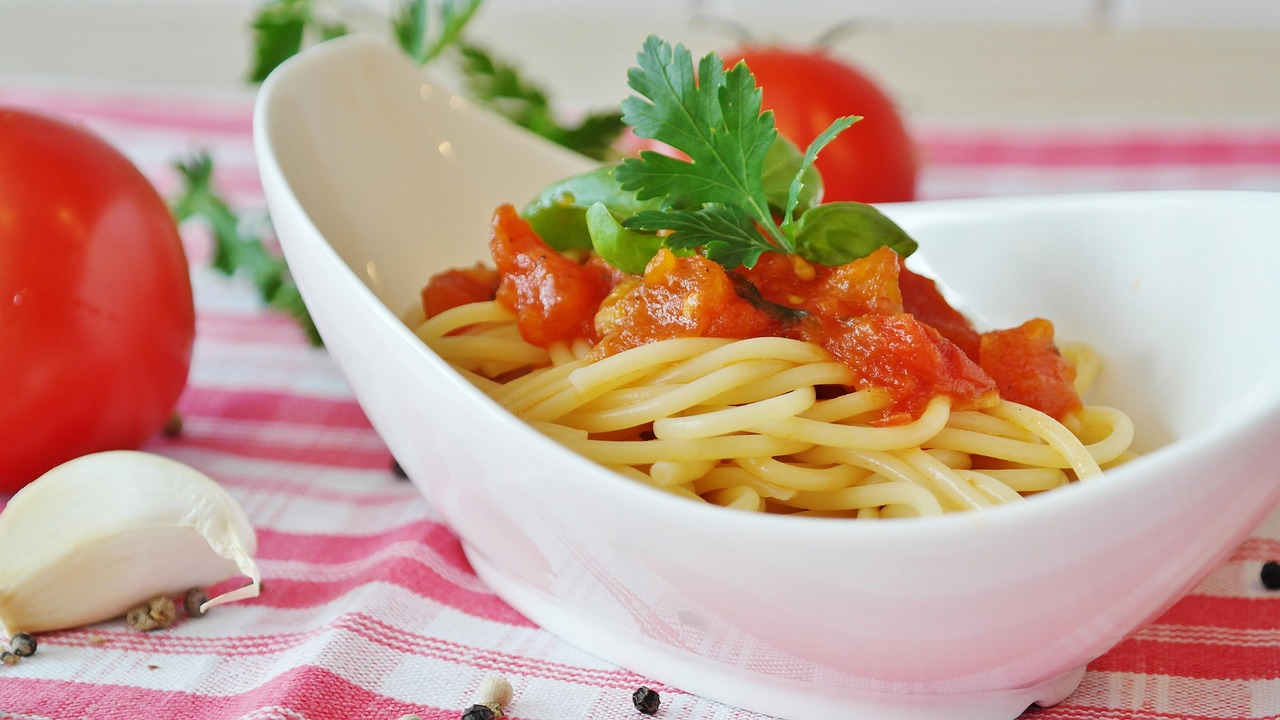
Let your kids decide how to eat new foods. For example, if your target food is tomatoes, give them choices. Grape tomatoes for snacks, cherry tomatoes on skewers with mozzarella, sliced tomatoes in sandwiches, canned tomatoes, sauce on pizza, and sauce on pasta are all different ways to enjoy tomatoes. Let your child choose his favorite textures, flavors, and accompaniments.
For example, my son thought he didn’t like basil until he tried it from his school garden. Since then, he enjoys it because it’s personal to him – and his first choice for eating it is in pesto, which is how he ate it at school (read about it here).

How Long Will It Take?
It depends, but it can take a while! After several weeks, your children may be more willing to smell or taste a new food. Within a shorter timeframe, you may be able to have fewer mealtime fights if you keep it relaxed and stop pressuring your children. If it gets to the point where things are getting worse or you’re feeling out of control, seek help.
Stay tuned for future posts going into more depth on managing picky eaters, keeping worries down, and introducing new foods without food fights.
Leave a Reply